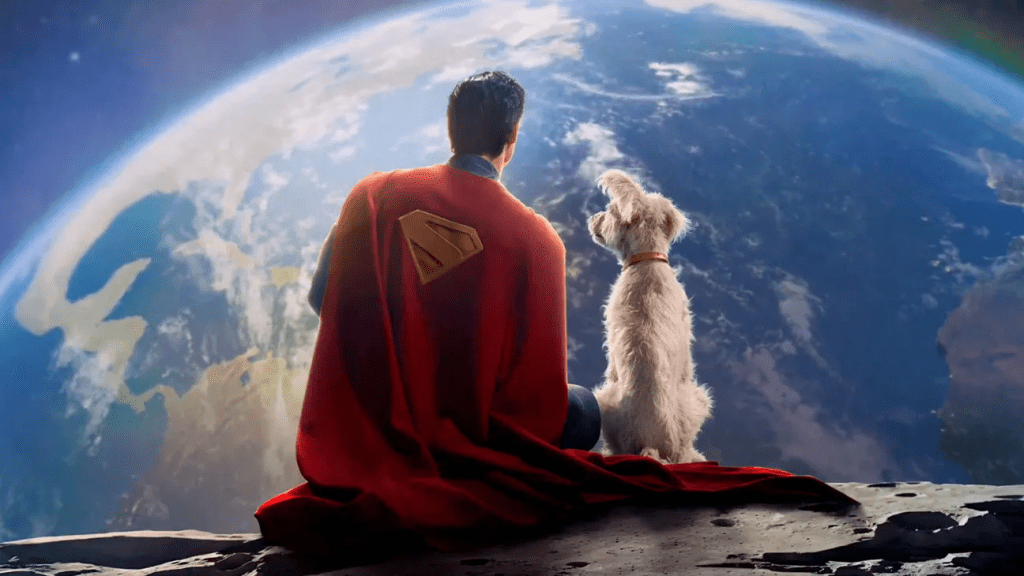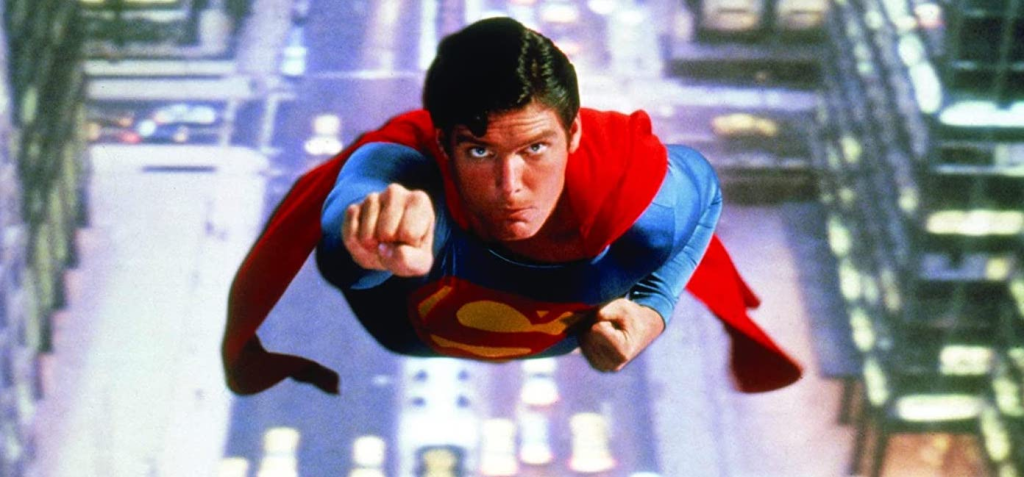
Superman (1978) Retrospective: The Birth Of The Superhero

If there is one film medium that has been a dominant force for the 21st century, that would be comic books and superheroes. While we are now living in an era where this subgenre of movies is not as strong as it was in the previous two decades, there is no denying that they have changed the way that blockbusters have been made for the past 25+ years. However, even before the likes of the Marvel Cinematic Universe, Christopher Nolan’s Batman trilogy, and the multiple DC Cinematic universe attempts, even before the likes of Blade (1998), X-Men (2000), and Spider-Man (2002) rolled around, and even before Tim Burton’s or Joel Schumacher’s Batman made their ways onto the scene, there was one superhero movie that stood proudly on his own. Not only working as a near perfect example of what a superhero movie should consist of but it set the template and tropes on how a superhero movie or even a blockbuster in general should operated. That one film I’m talking about is no other than Superman (1978), directed by Richard Donner and played by the OG Superman himself, Christopher Reeves.

This was the superhero movie that changed everything! It proved that a film based off of a comic book superhero can work and translate onto the big screen as well as it possibly can. It proved that big cinematic experiences of this kind can be just as compelling as say a giant space opera or an intense thriller involving a big shark (Bet you can guess which two blockbusters I’m referring to from back then!). And most importantly, it proved that comic books and superheroes can shine a very bright light on pop culture, telling stories with impactful themes and unforgettable role models that anyone can look up to (No pun intended!)!

This was the birth of the superhero genre!

This is Superman (1978)!
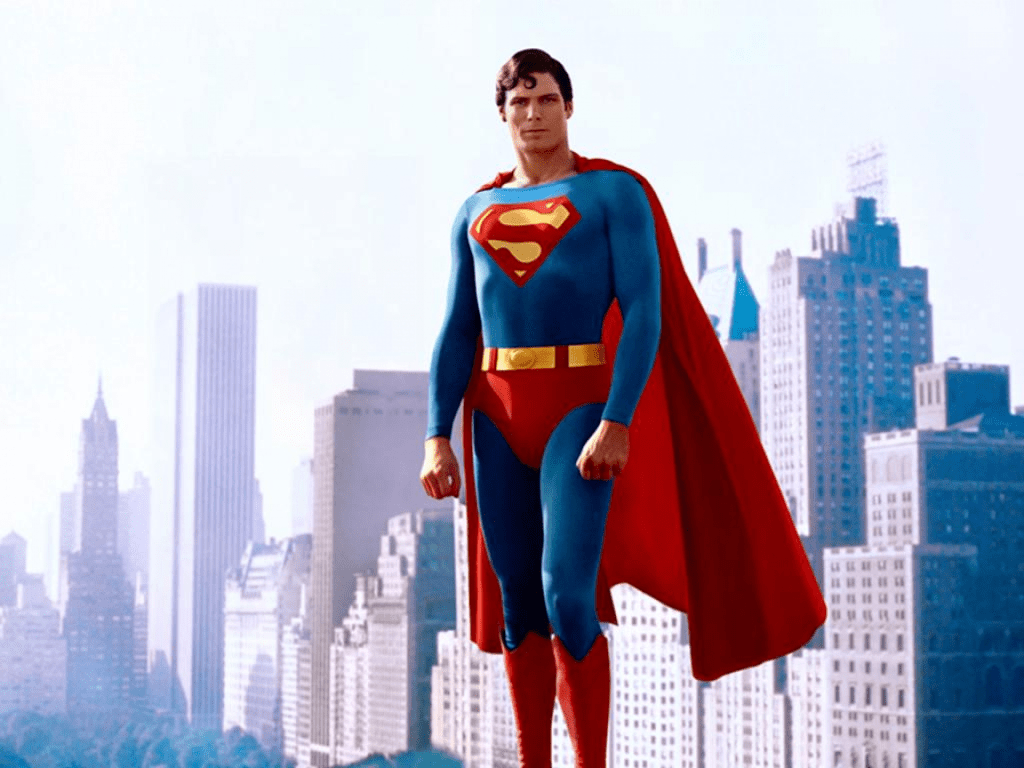
To prove that this was indeed the one film that started this ongoing superhero movie trend, I decided to name six distinct tropes that this film laid out which is still being followed up to this day. Even nearly 50 years after Superman (1978) came out, these are all common beats you still see in superhero films to this day. Heck, I wouldn’t be surprised if we see some of/if not all of these with James Gunn’s Superman come July. Nevertheless, here are the six common tropes and cliches with superhero movies that Superman (1978) started.

1.) Origin Story
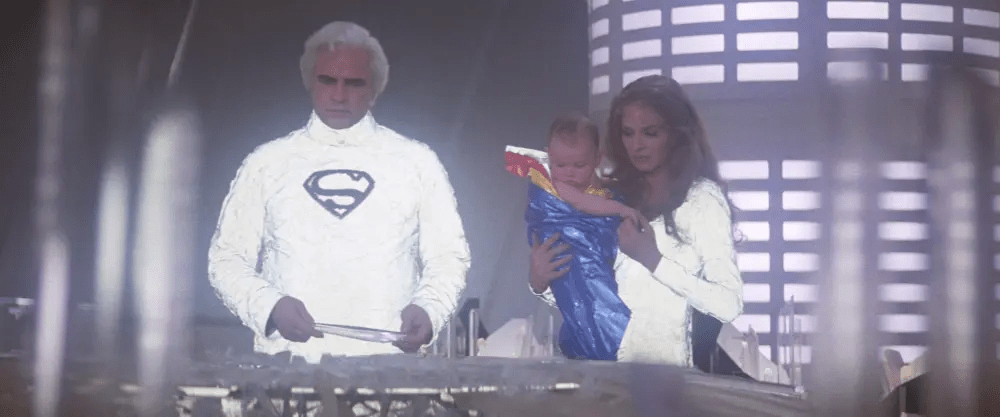
When it comes to the first chapter of a superhero story, it usually starts off with showcasing their origins. This is the part of the story where you find our where exactly the titled superhero came from, who gave birth to them, and how they got their powers and became the actual titled superhero. It’s become such a staple at this point that folks will call blasphemy if a certain version of a comic book superhero does NOT contain the origin in some way, shape, or form. No matter how many different stories we get off Spider-Man or Batman, we ALWAYS need to see Uncle Ben and the Waynes being shot in cold blood.

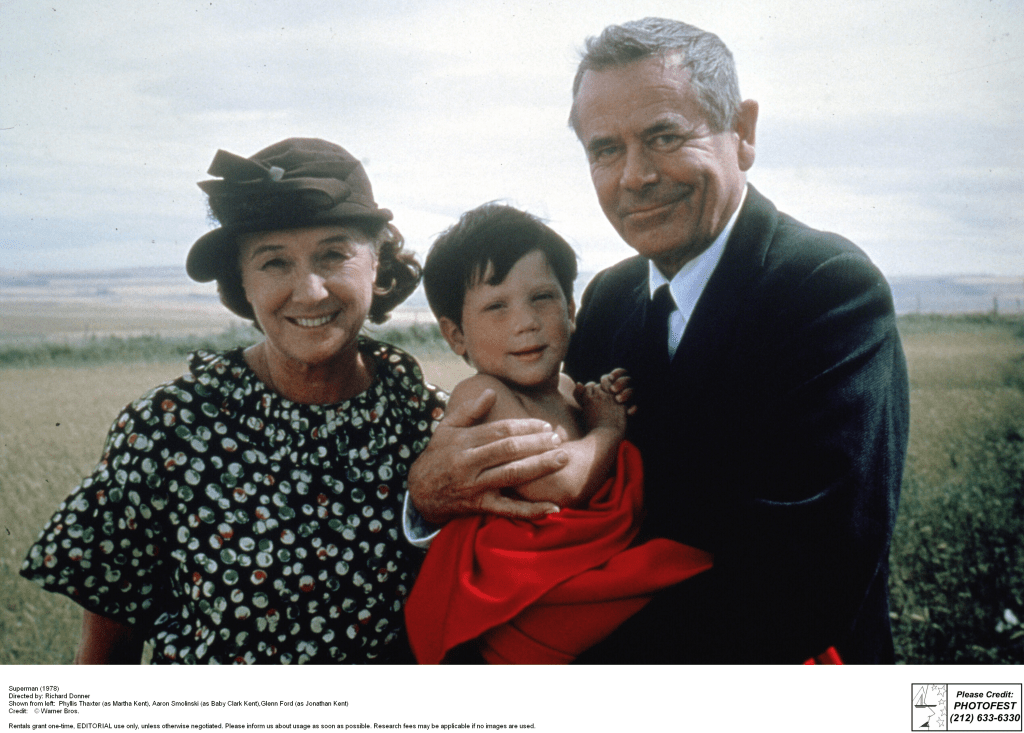
In the case of Superman, his origin involves his biological parents, Jor-El and Lara Lor-Van, sending him off to Earth while his home planet Krypton is on the verge of collapse. Clark is then discovered in Kansas by Jonathan and Martha Kent, who would adapt him and raised him as their son. It’s doing this sequence where Clark must discover what he was destined to be by his own mother and father, while learning what it means to live among the human beings on Earth by his adoptive mother and father.

This is a nice origin story that is able to be more about being an outcast rather than just a traditional “fish out of water” story. This is about Clark Kent learning to blend in with a brand new home not just as Clark Kent himself but as Superman. And even with all the criticism and rejection among the public, he still wants to do what is right. He wants to be the hero that his birth parents always envisioned of him. He wants to save people’s lives while stopping those that put them in harm’s away. And most importantly, he just wants to do good things for the goodness of mankind. Regardless if he will do it in a legal or illegal way, he is determined to be a hero at all costs, regardless of what the public thinks of him.

While the 1/3rd of this movie does take it’s time on establishing the origins of Clark Kent’s transformation into Superman, it is important to always showcases the answers to the questions that anyone might have about it’s title hero. Whether it’s like a traditional first installment with a superhero that spends the first half establishing the hero’s origin story (Spider-Man (2002), Batman Begins, Iron Man, or Captain America: The First Avenger) or uses an opening sequence or flashbacks scenes to establish their origins (Batman (1989) and The Incredible Hulk), showcasing a superhero’s origin is always urgent in order to get audience’s connected with the hero’s journey. While I can’t say for certain, I guarantee that the origin of a superhero would not be as much of a staple as it is if it weren’t for this film showcasing these exact important events.

2.) Secret Identity
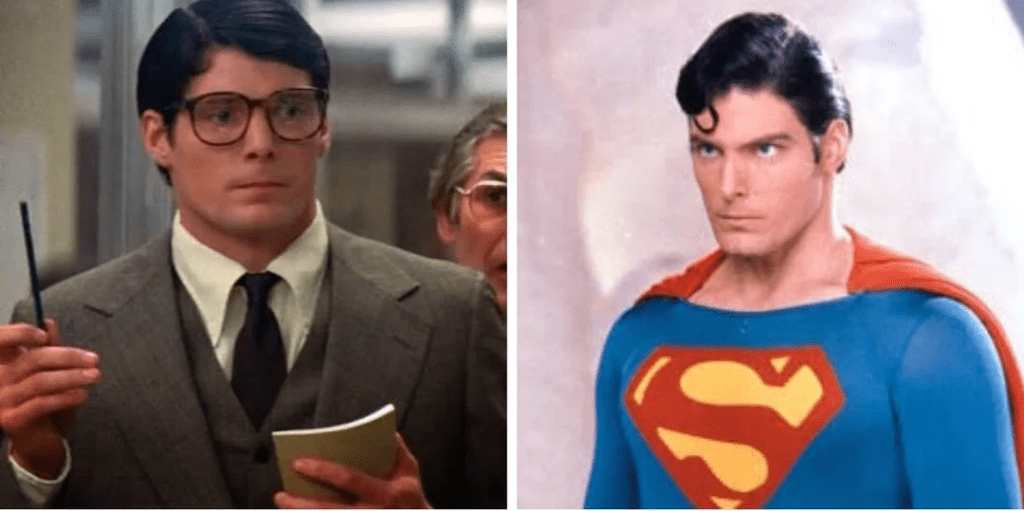
A usual key component for a superhero story is with the main superhero having to keep their identity a secret. There are always exceptions such as when Tony Stark revealed his true self at the end of Iron Man or Diana Prince always representing Wonder Woman but more often than not, these are usually stories about the main superhero having to learn to keep their superhero life a secret and finding room to focus on their normal, everyday life. You have Peter Parker who has to learn how to balance himself between being Spider-Man and Peter Parker, you have Bruce Wayne needing to let his playboy billionaire side shine in the day and his crime fighting vigilante side shine in the night. In this case, we have Clark Kent needing to keep Superman and Clark Kent as two separate identities.

Of course, the main jab at Superman is how it’s unfathomable how anyone can’t tell the difference between Clark Kent and Superman because they both look exactly the same. Like, all you need to do is remove the glasses and you can see it’s literally the exact same person. How can a superhero who is trying to protect his secret identity do so by basically hiding in plain sight? That is a question with Superman that I thought about for years and could never find the answer to. That was until……I saw Christopher Reeve’s performance.

The main aspect that makes Reeve’s performance stand out perfectly as both Clark Kent and Superman is the fact that they feel like two completely different people when you watch them. As Clark Kent, he’s the typical nerdy, awkward man who is a bit of a dweb that is the last person you would ever expect to be a superhero in red and blue pajamas. As Superman, he’s this brave, heroic figure that you would never suggest could be some weak, submissive geek that lets his female co-worker fight his battles for him. I’m pretty sure if you asked Clark Kent in real life that he looks just like Superman, he would be able to PERFECTLY convince you that he is NOT Superman and just said, “Yeah, I guess that’s true! But I assure you, I am NOT him!” All you had to do is see how Clark Kent and Superman act so different in each scene and how perfectly Reeves is able to make them both convincing as two separate characters!

You are lying to yourselves if you ACTUALLY believe these two guys could be the exact same person if you just judge based off their appearance and personality and NOT just looks.

The secret identity tends to play a big role in most superhero movies, especially with origin stories, but I don’t think there has been a superhero movie that’s been able to capture just exactly what it means to be an average everyday joe to being the world’s biggest savior than with Superman (1978). A story which sees a man has to convince that his personal self and superhero self is NOT one of the same despite looking exactly alike. And this is in large part thanks to Christopher Reeve’s pitch perfect portrayals as both Clark Kent and Superman respectively.

3.) Love Interest
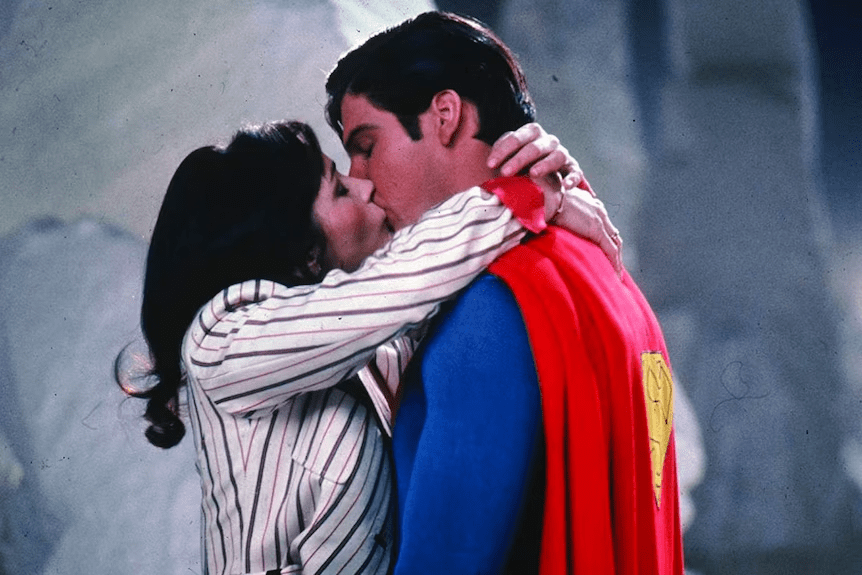
Of course, you can’t have a traditional superhero story without a traditional love interest. This is usually always added to give a story a bit of an emotional anchor and give motivation for the main superhero to do what he does. There are times where it can fall into some pretty infamous tropes. From being a constant damsel n distress to acting as a “trophy” for the main hero to getting the “fridge” treatment, this can be seen as the weakest part of the story if you are not too careful and learn too much into one of these tropes. There’s only so many times where people want to see Gwen Stacy die so Spider-Man can be sad only to get replaced by a love interest that’s hotter but much more blander (*cough* Mary Jane Watson *cough*). Thankfully, Superman (1978) is able to find a love story that works quite fondly with Superman and Lois Lane.

To be sure, it does involve Lois Lane having to be saved at least a few times by Superman. There are two notable moments of that, from falling off of a building and another instance that will be discussed later on. However, that doesn’t change the fact that Lois is a strong character in her own right and can even being seen saving Clark Kent on some occasions. She’s feisty, strong-willed, always determined to get the job done, and is always able to give Clark the emotional support whenever they need it. However, what makes her a perfect equal to Superman is how they will both stop at nothing to accomplish their goals for the greater good.

Lois Lane in general is someone that is as fearless as Superman is and always shows dedication to finding truth and justice for every report she covers as a journalist with the Daily Planet. Sure, she might not be as invincible as Superman is and is certainly not bullet proof but when it comes to her heart and free will, she is about as equal to Superman as someone can possibly get. That’s what makes the two a perfect couple and Lois Lane a perfect love interest.

Just watch this scene and tell me that it is NOT magical!

I wouldn’t be surprised if this is what inspired Disney to making the magical carpet scene in Aladdin.

Most superhero movies tend to always botch the love story. Mostly because it usually only acts to give the superhero a love interest and have it play second-fiddled to everything else going on, usually only acting like a box that needs to be checked off. But with Superman (1978), Lois Lane helps acts as the pure heart of the film and helps Clark fill that missing hole he had within himself in his early days as Superman.

4.) Saving People’s Lives
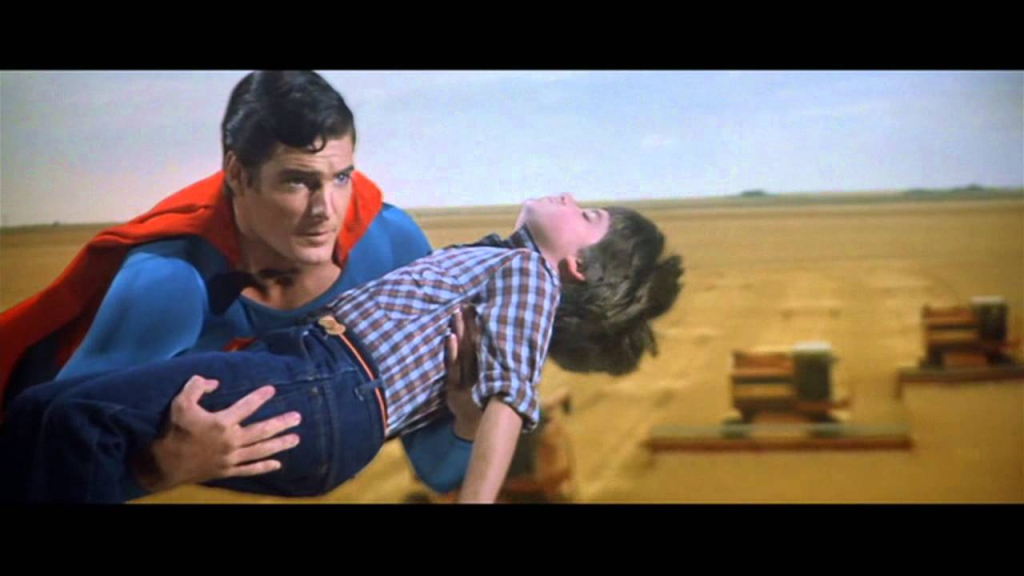
This is simply one component that a superhero movie can NOT live without. You need scenes and moments that shows a superhero actually being well…….a superhero. Throughout superhero movie history, we’ve seen plenty of examples of superheroes filling their good superhero duties by saving the lives of folks they’ve sworn to protect. We’ve seen Spider-Man saving people from a burning building, we’ve seen Iron Man rescuing passengers from a plane. With Superman, we get to see him rescuing innocent people from natural disasters and bridges on the verge of collapsing.

While the main protagonist saving people has never been anything out of the ordinary, there’s always something special when a superhero does it. This is mostly because they are able to save people in ways that an average person won’t be able to. They are gifted the skills, power, wealth, and/or resources to be able to rescue lives and give themselves a name which regular people would not be able to. With Superman, he is just using the powers that was gifted to him by his parents and home world for the benefit for others and not just himself.

And I know you might be wondering why I am not referring to Superman saving a specific important character at the near tail end of the film. Well, that’s because I’m saving that for the very next part.

5.) The Big Third Act Climax

Okay, this movie doesn’t have the traditional big third act battle that most superhero movies those. This isn’t like the third act of every Avengers movie where there is always so much crap that goes on at the same time that it can be hard to keep track off. This isn’t even like the big climaxes to Superman II, Man of Steel, or Batman V Superman: Dawn of Justice where it involves Superman having to fight a powerful being that is even stronger than himself. This involves Superman having to save the day from the wreckage that Lex Luthor causes, a wreckage that could cause a worldwide nuclear war. Much like the climax to Spider-Man (2002) (expect without the ass-kicking 101 scene with the Green Goblin), it involves Clark having to be the hero to the world that he believes himself to be.

I already partially covered the meaning and purpose of the climax in my last part where it involves Superman having to save the very people he has sworn to protect. However, what part I missed out on is the part where he has to save Lois Lane after she partially died. After Superman fails to save Lois from the earthquake that Lex Luthor caused, he commits the biggest deus ex machina imaginable by using his superpowers to rotate the earth back and turning back time.

Can this be considered “cheating”?! Heck yeah!

Does this make any sense whatsoever?! Heck no!

However, that doesn’t change the fact that the third act climax is where Superman faces his toughest challenge yet, the part of the film where the main superhero finds himself pushed beyond measure to be the hero for everybody and the ones he loves. That always tend to be the blueprint for most third acts in superhero stories and I have no doubt this is the one superhero movie where many filmmakers got their first inspiration from.

6.) Being A Symbol

This might be the most important trope of all for every superhero story brought to the big screen. That is having your main character be a symbol. Not just for the characters in the story but for the audience as well! For superheroes to exist for as long as they have, they must have inspirations. They must have folks that would love nothing more to follow in their footsteps and become superheroes of their own in any way, shape, or form. Thankfully, Superman (1978) is able to succeed at that in both ways.

In the context of the movie, the public now has a very positive view on Superman and sees him as being mankind greatest superhero. When it comes to pop culture, the entire world and entertainment industry has followed in this film’s footsteps of making not just more Superman incarnations but also more superheroes of his kind.

Since this film came out, we have gotten more Superman films, shows, games, and comics that most certainly got it’s initial template from this 1978 gamechanger. Also, since this film came out, we have gotten many different superhero films, shows, games, and comics of it’s kind. The kind that I imagine would not exist if it wasn’t for the impact that Richard Donner and Christopher Reeve brought to the world.

Above all, Superman (1978) is able to prove that it’s title hero is in face the symbol he set himself out to be. Not only through the truth, justice, and American way that the character himself claims but through having that impact on the whole world, being the kind of hero that his parents always thought of him has and what I imagine the world saw Christopher Reeve has.

Being that exact symbol!

A symbol of……you guessed it……hope!
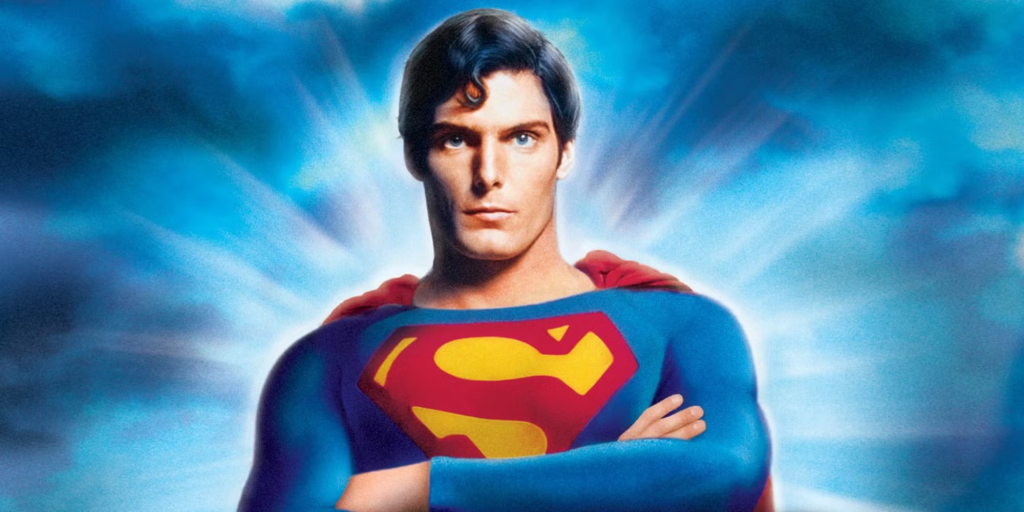
In conclusion, superhero movies wouldn’t be where they have been for a long time now if it wasn’t for Superman (1978). This is not only the superhero film that got the ball rolling but it’s the superhero film that laid the groundwork for all the beats, tropes, and basic structure that nearly every film based off of a comic book and superhero is expected to follow upon. This overexposed subgenre only ever became what it is and has grown to be for nearly the past five decades due to the groundbreaking success of Superman (1978).

This was the birth of the superhero!

This was Superman (1978)!

Next Up: Superman II: When Director’s Cuts Matter
Marvel Rivals “Gooner” Controversy Explained

Marvel Rivals has been the most talked about video game at the moment. Since it released for free back in December, Marvel fans and gamers cannot seem to stop gushing over how good this game really is. While the overall premise of the game is nothing more than “Overwatch but with Marvel superheroes” with a few live service elements from Fortnite throw in there for good measure, it’s overall variety in terms of it’s seasonal content and expansive, colorful roster of Marvel’s most iconic comic book characters has been the main features that has had folks keep coming back to it. From the immersive gameplay to the intriguing maps/setting to the appealing art style to the fun as hell banter that is played through every single match, this has perhaps been the most successful Marvel related thing since well……Avengers: Endgame. The one main Marvel feature of the 2020s that seems to have united Marvel fans, comic book fans, and gamers worldwide for this fun and immersive experience. I have put over 60 hours into this game since it launched and I still find myself keep coming back for more. If that’s not the sign of a great game with a ton of replay value, I don’t know what is.

However, that hasn’t stopped the game from running into it’s fair share of “controversies”. I put controversies in quotes because I don’t think it’s so much as big of a deal as what certain people are making it out to be but more of it’s not as big of a deal that certain people WANT it to be. In the sense, that this isn’t really being seen as outrage as angry YouTubers would want you to believe outside of some accounts on Twitter and Reddit along with an article or two that was clearly designed for rage bait clicks for folks that were stupid enough to take the bait.

You might be thinking I’m talking about the supposed censorship that took place with key words being banned from the game such as “1989”, “Free Taiwan”, “Hitler”, and “ISIS” or the cringeworthy modes of Presidents Joe Biden and Donald Trump as Captain America being taken down (Seriously, that was the most cringeworthy shit EVER!!!!!!). You would be……surprisingly wrong there. (Seriously, how in the world did that controversy just….drop off the face of the earth?!)

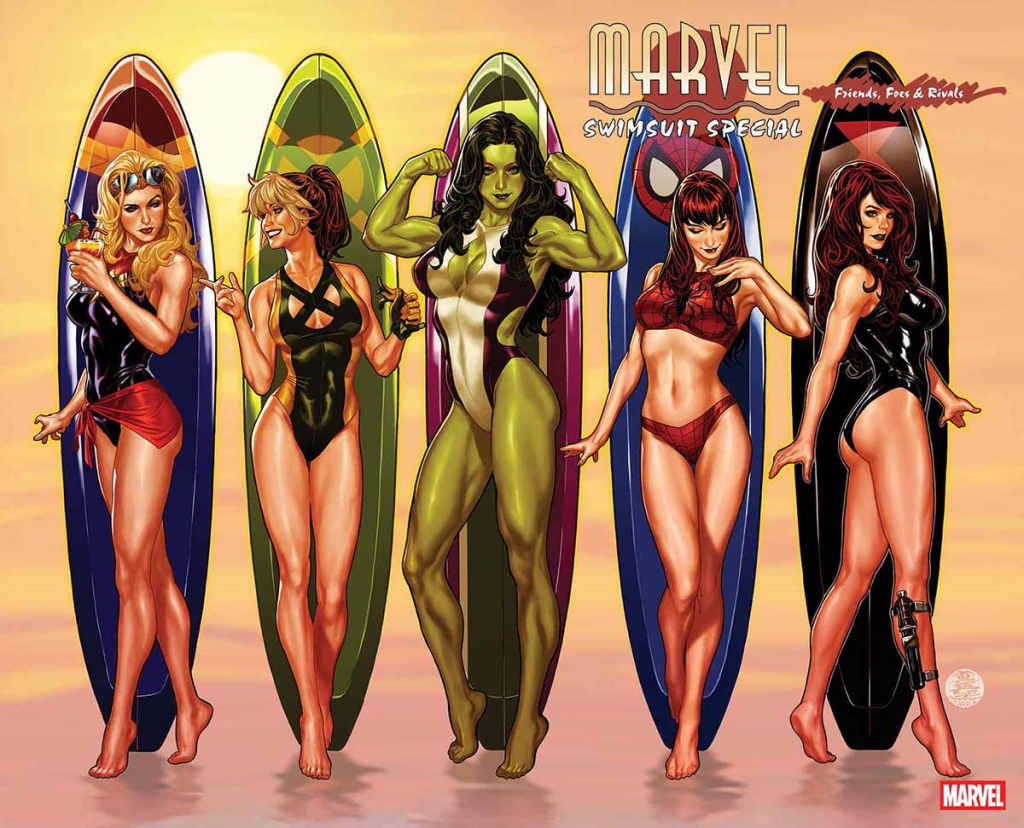
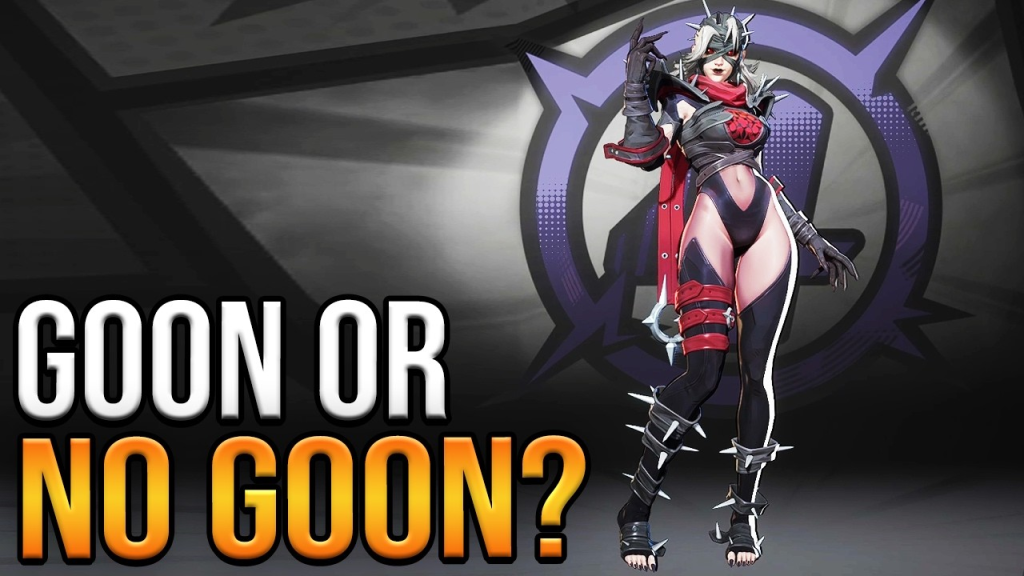
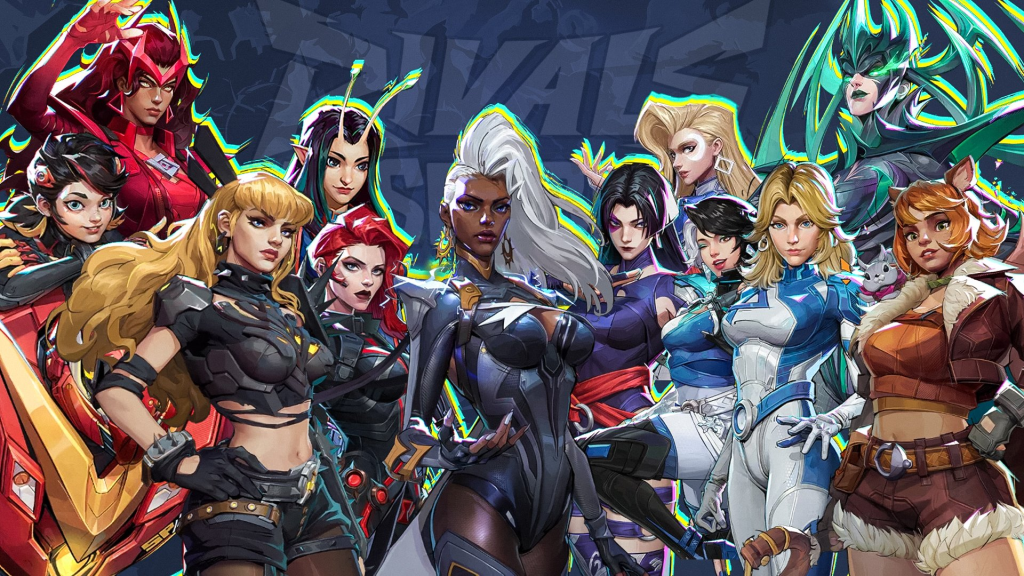
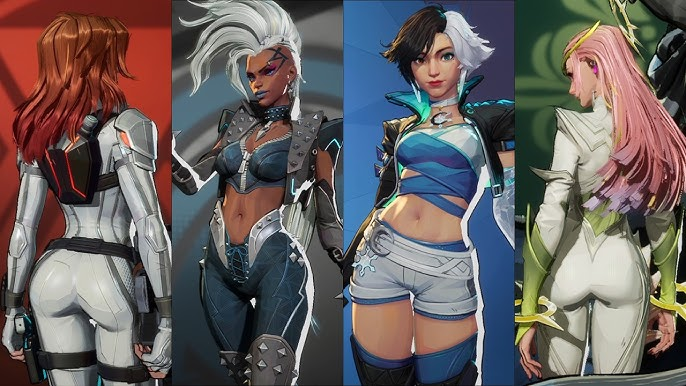
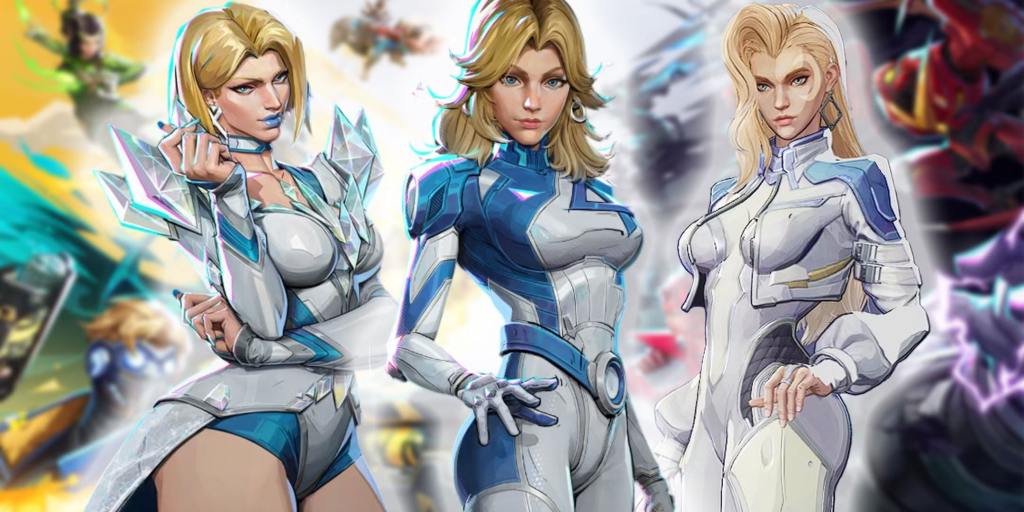
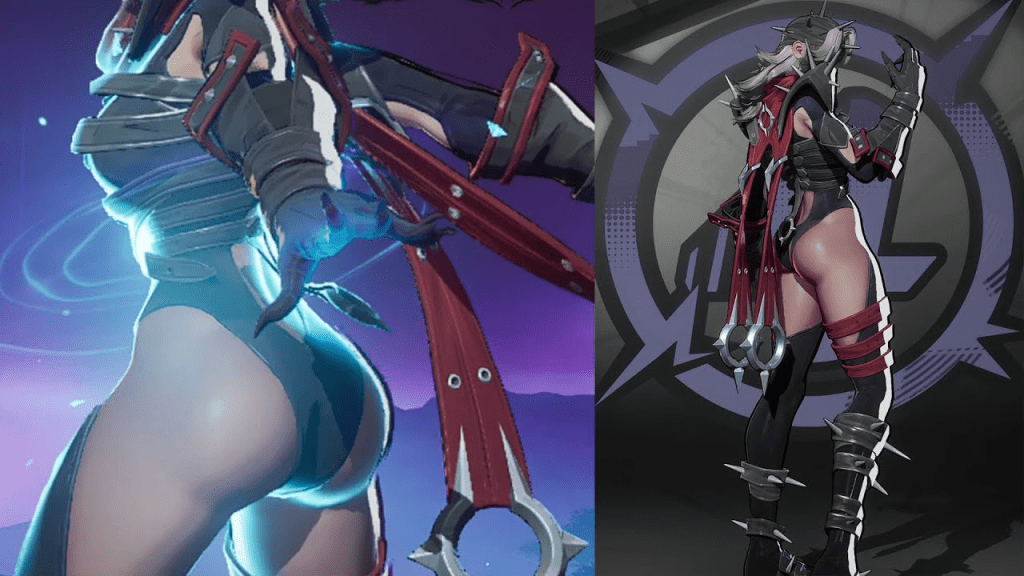
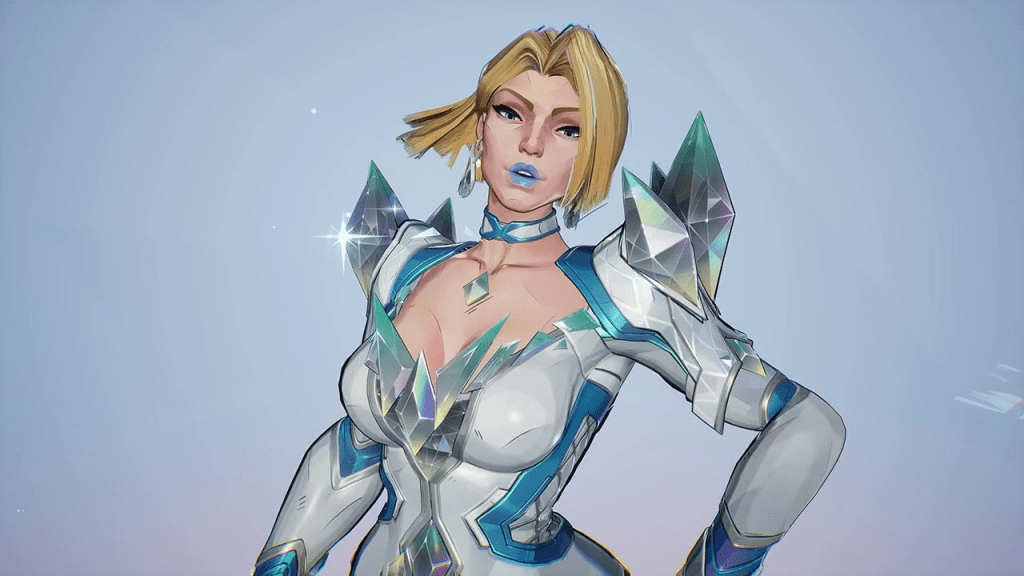
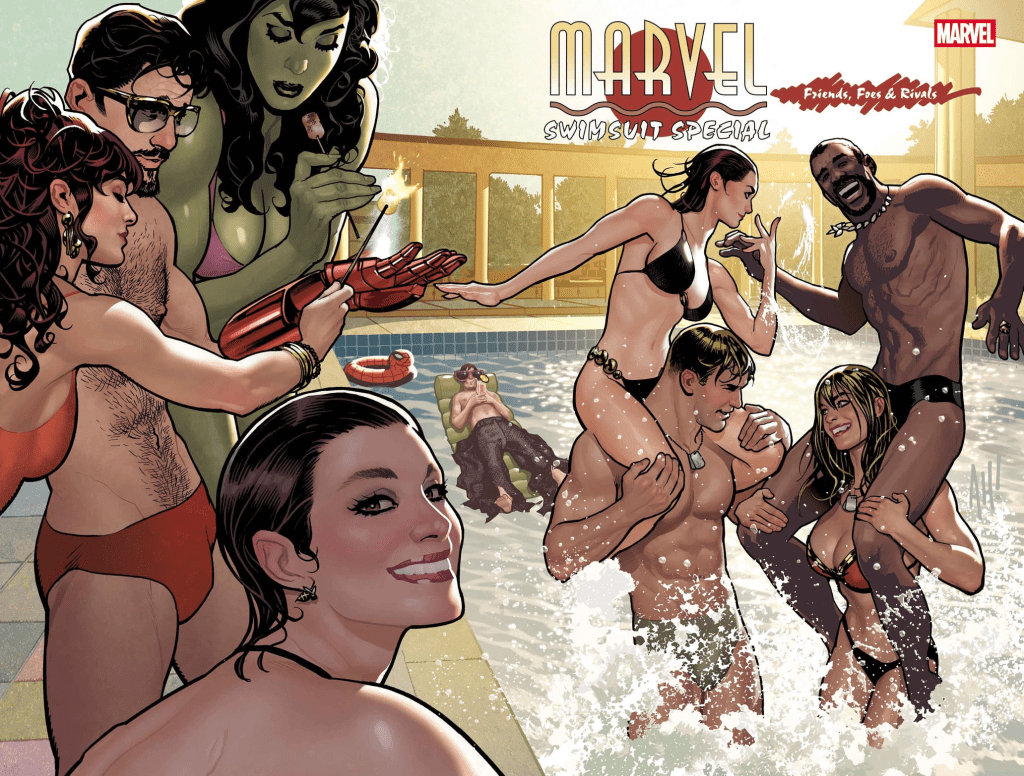
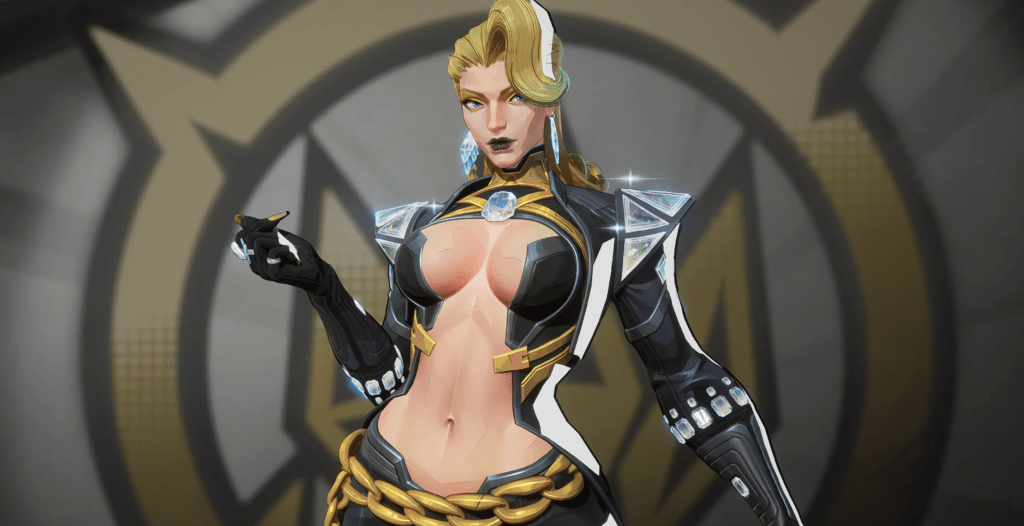
What I’m talking about are the eye opening designs of the characters that are presented in the game, most notably the female characters. With certain folks complaining that the designs are too sexualized, too male gazing, and too pandering to the “goon” squad. And with the recent season update that includes Emma Frost and the announcement of the game receiving swimsuit skins later this year, to tie into Marvel Comics’ revival of their Swimsuit special, there has been nonstop “gooner” allegations helmed against this game.

I get that certain folks need to have this conversation over this supposed “controversial” subject matter over this game because well…..it’s 2025 and literally everything needs to be a major talking point about something that is no where near as interesting as everyone is making out to be. All it takes is one clickbait tweet, a juicy quote from an article, or a rage-inducing title of a video to get certain folks fired up and feel like they need to defend something so trivial and minor or else……it will disappear forever because it made a certain someone upset. But in the case of Marvel Rivals, this “gooner” controversy is essentially of an example of a big snowball that certain folks feel the need to push down the mountain, making what should be a minor issue into something major because they couldn’t leave things well enough alone and just not take the bait. The whole “this game is made for the goon squad” is the main element that’s got certain folks triggered….and it’s absolutely hilarious.
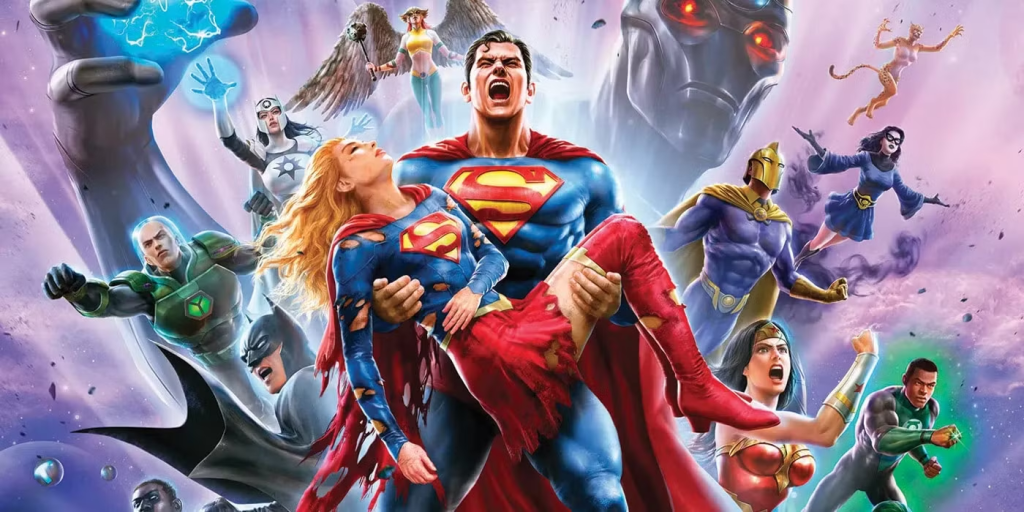
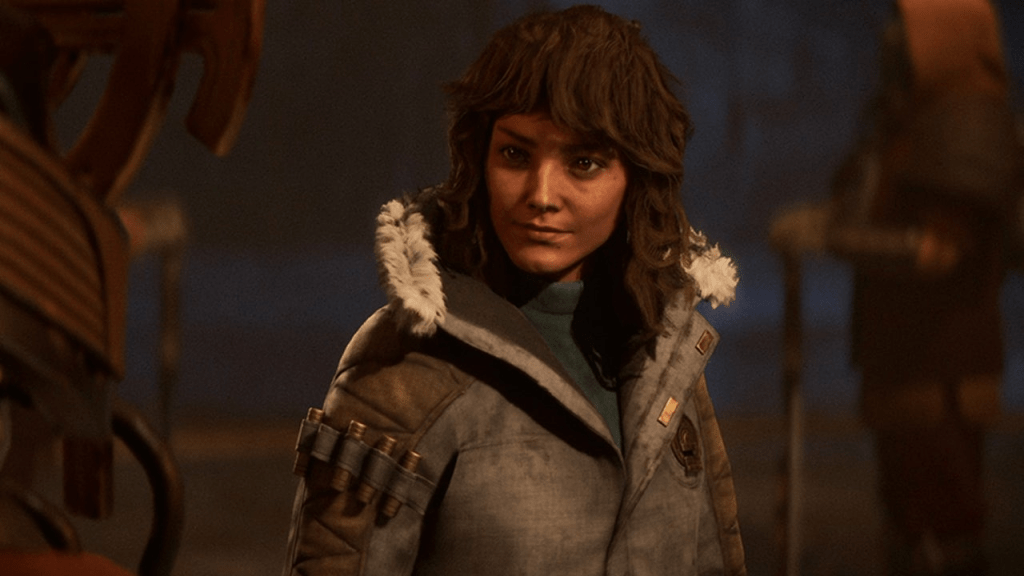
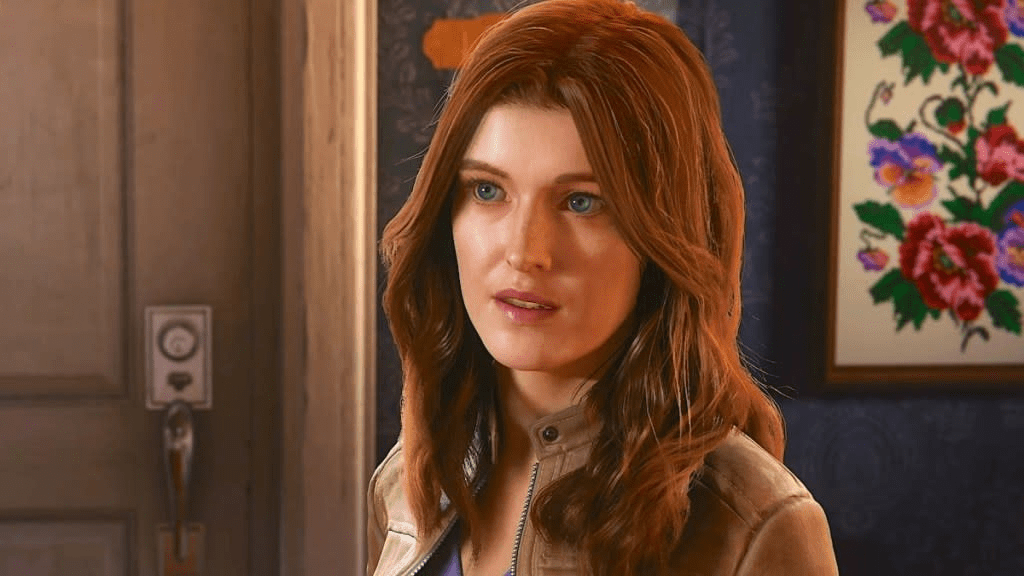
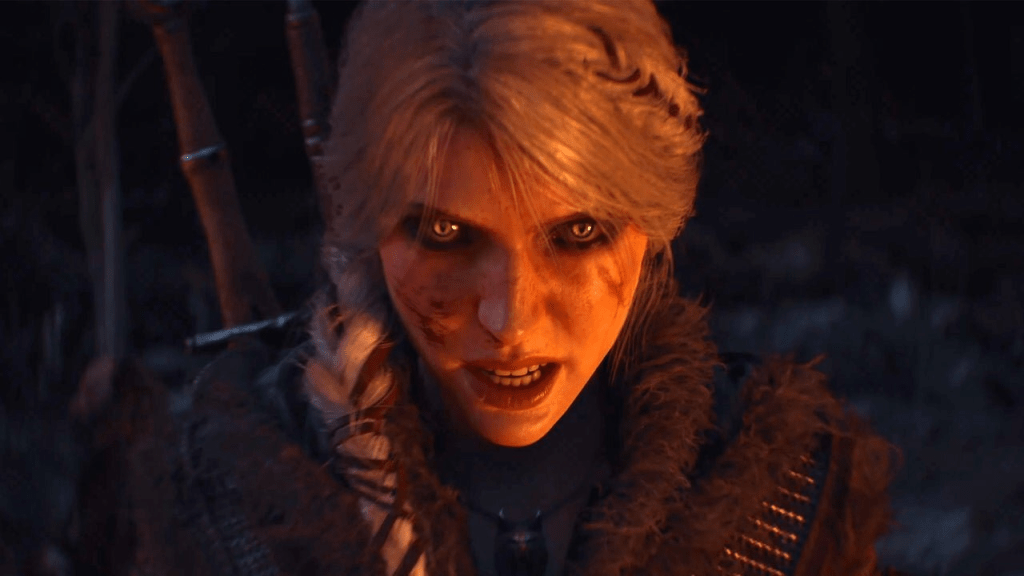
The design of female characters in games has been a real toxic discussion over the years. For a while, certain folks have been complaining about women in gaming not being “attractive” enough. This has been seen as a response to backlash over the years of video games being sexist towards women and the majority of female protagonists in games being designed more with male gamers in mind as opposed to female gamers. Characters such as Kay Vess from Star Wars: Outlaws, MJ from Marvel’s Spider-Man 2, and Ciri with the new upcoming The Witcher VI have been subjected to major controversy for their designs. The main talking points around them being that they didn’t look hot enough, had too much “masculine” features, and being made ugly “on purpose” for…..reasons I can’t even comprehend. So much so that there are folks that refused to play those games and many others just because none of the women in them gave them a boner.

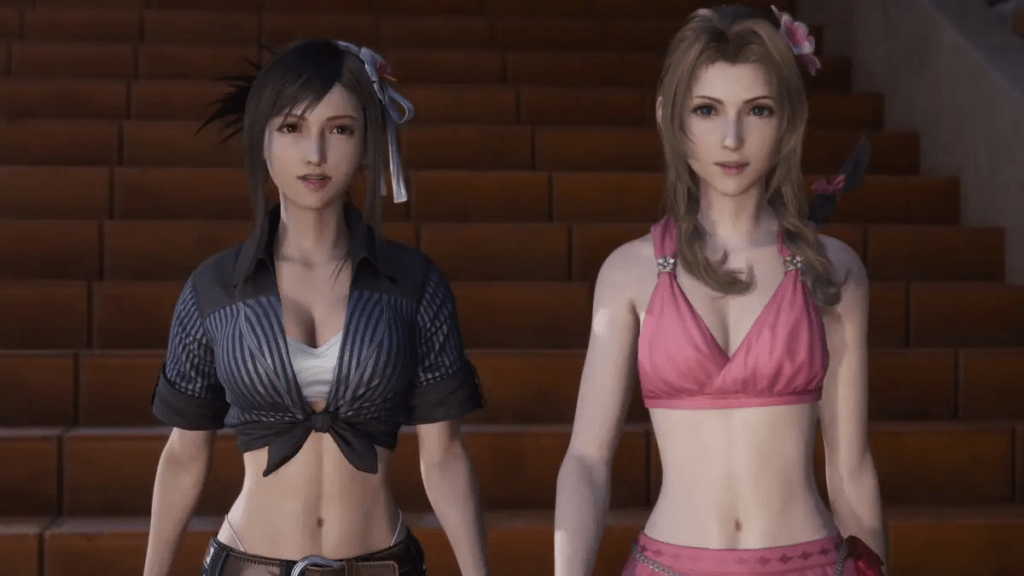
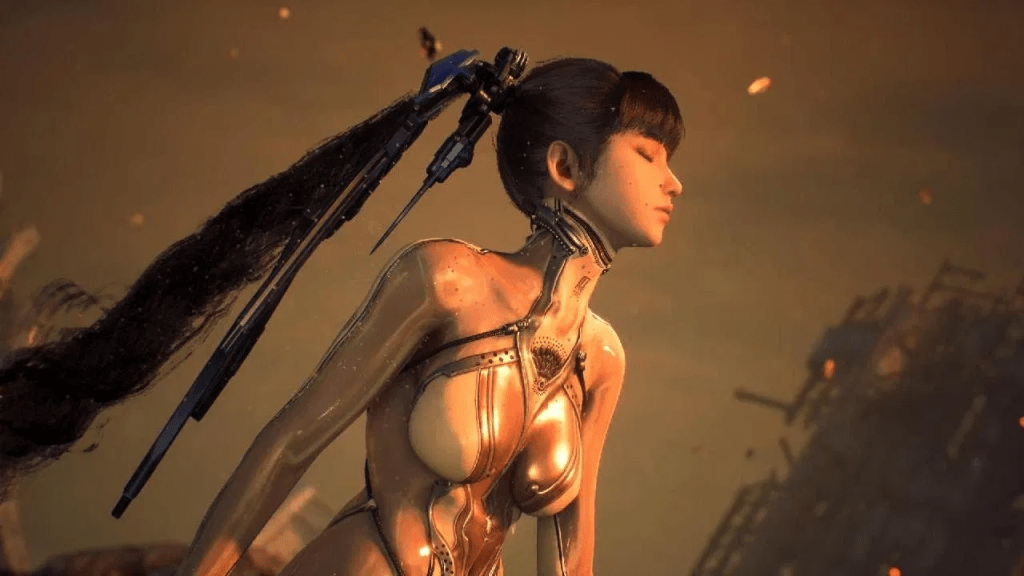
Although, there have been some notable exceptions, particularly with games made by Eastern developers, in recent memory that have gone out of their way to make the women in their games as easy on the eyes and visually appealing as possible. Characters such as Tifa Lockhart and Aerith Gainsborough from Final Fantasy VII and the women from Stellar Blade being recent examples of this. Although, there’s has been some hype over the Western developed Grand Theft Auto VI because of how fine the new girl, Lucia, looks in it and…..I guess there’s that. However, there hasn’t been one instance in recent memory where you can tell the main playable female characters were made to look as good as the developers can possibly make them than with Marvel Rivals.

Whether we are talking about Black Widow, Scarlet Witch, Storm, Magik, Hela, Emma Frost, Sue Storm, Luna Snow, Mantis, Psylocke, Dagger, or Squirrel Girl (I left out Peni Parker for a reason!), the women in Marvel Rivals have tended to shine in more ways than one. This most notably comes from their gorgeous outfits, unlockable/buyable skins, flawless hair, and the thick..well….”layers” to their designs. Because of all that and more, I can’t imagine there are certain folks that did NOT want to play as any of those characters just because of how good they look. (There’s a reason that Storm has been one of my top 3 playable characters since launch). While many people have applauded the game for these appealing designs that makes it feel like these characters were ripped straight out of the comic books and stayed true to their original forms, there are those that have condemned it, feeling like it devalues the women of the game in any way or that it’s relying on sex appeal in order to keep the services going for the foreseeable future.

And these aren’t just the typical far-left extremists that certain folks are letting you to believe but even the ones on the other far end political stretch (A.K.A. the “woke” right) that have condemned the game for making the outfits of the female characters too revealing, too slutty, and too “inappropriate” for children. (I wouldn’t be surprised if these are the same kind of folks that constantly blame games like Call of Duty and Grand Theft Auto for all of the world’s problems instead of….well….themselves!) And I don’t think I need to go into this recent “GoonerGate” controversy (Yes, that is a real thing!) that I’m sure the game itself has been dragged into because of that. While I can understand a viewpoint or two of this matter, I do think this whole thing is being blow WAY out of proportion by such a small minority.

Yes, I am someone that advocates for my ladies to be well written and fun to play as in games that amounts to them being more than just being sexy eye candy. Yes, I am also someone that doesn’t let how good (or bad) a pixeled female A.I. looks determine my feelings on a video game. However, I do NOT think whatsoever that the way that the women superheroes look in Marvel Rivals detracts from their characters or makes me think of any less of them as a part of their characters history. If anything, it makes me think more of them as characters.

While the game itself might not have it’s own campaign or characterization for the women outside of some good banter and visual flare, they do feel very in-line of how I (and many others) view them as characters in comics, movies, and even games. It’s not just their amazing looks that makes them appealing, it’s their special powers, unique gameplay, suitable voice work, and the way they play off the other characters that make them stand out in the best ways. And even the women with the most revealing outfits, you can tell they feel the most confident about themselves when they wear it. It’s their attractiveness and femininity that empowers them to be the best version of themselves and NOT the other way around. And the best part of it all is that it’s not just the women that look good in Marvel Rivals, it’s the men too.
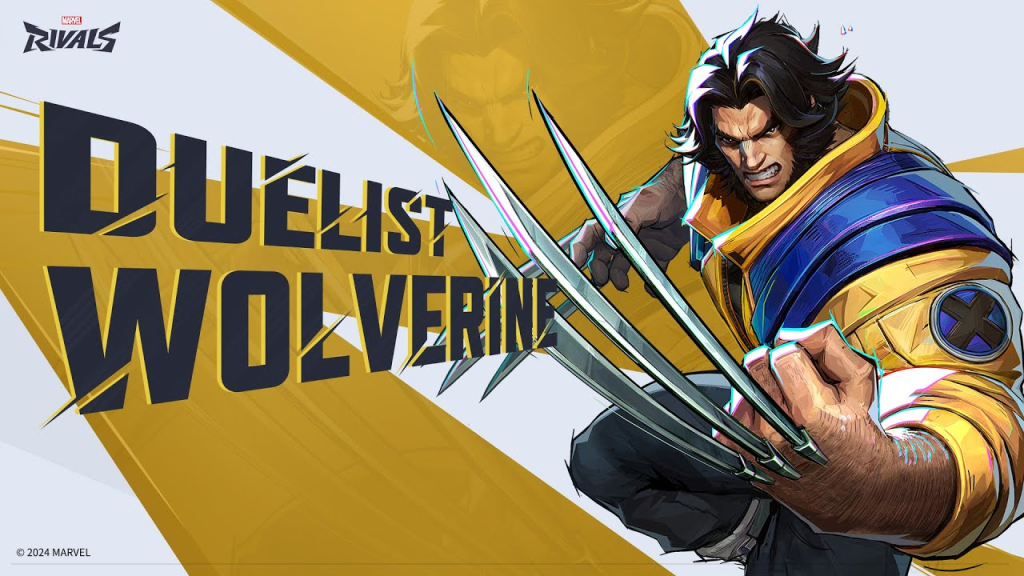
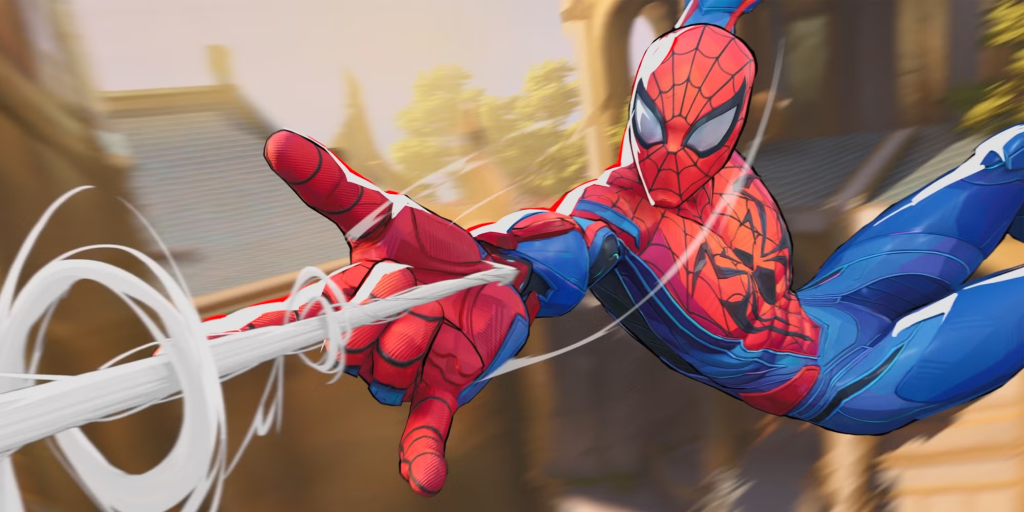
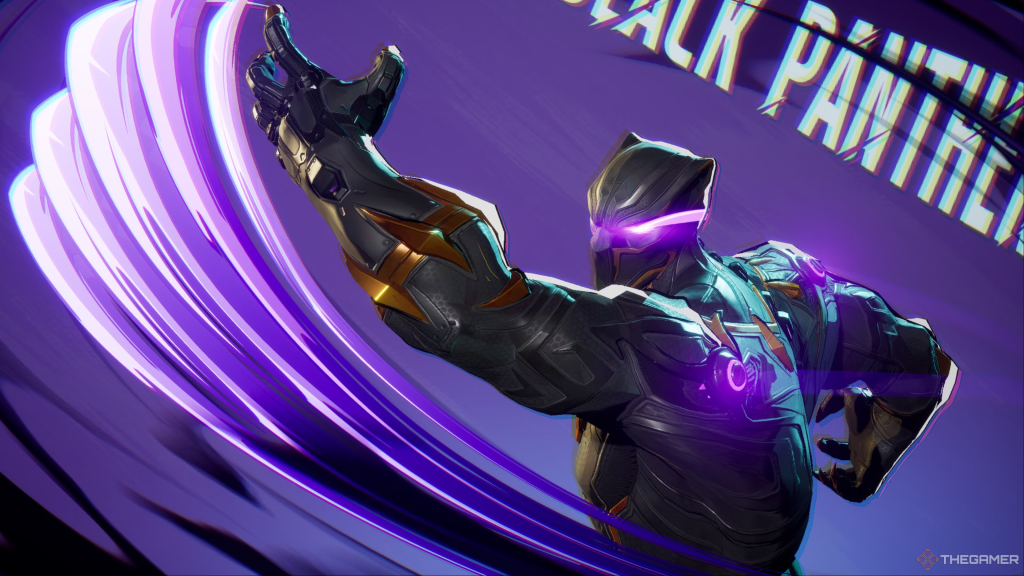
While the male superhero counterparts may not be as hyper-sexualized as their female counterparts, they too have great and fitting designs that looks like they were ripped straight out of the comics. You can’t tell me that Spider-Man, Wolverine, Iron Man, Captain America, Thor, Hulk, Black Panther, and many others don’t look the way they are suppose to and don’t fit them as characters whatsoever. I wouldn’t be surprised if the majority of the designs of this game are considered the definite designs for many newcomers to the Marvel lore. And even the male superheroes that are hyper-sexualized well……they do have great wonders as well.

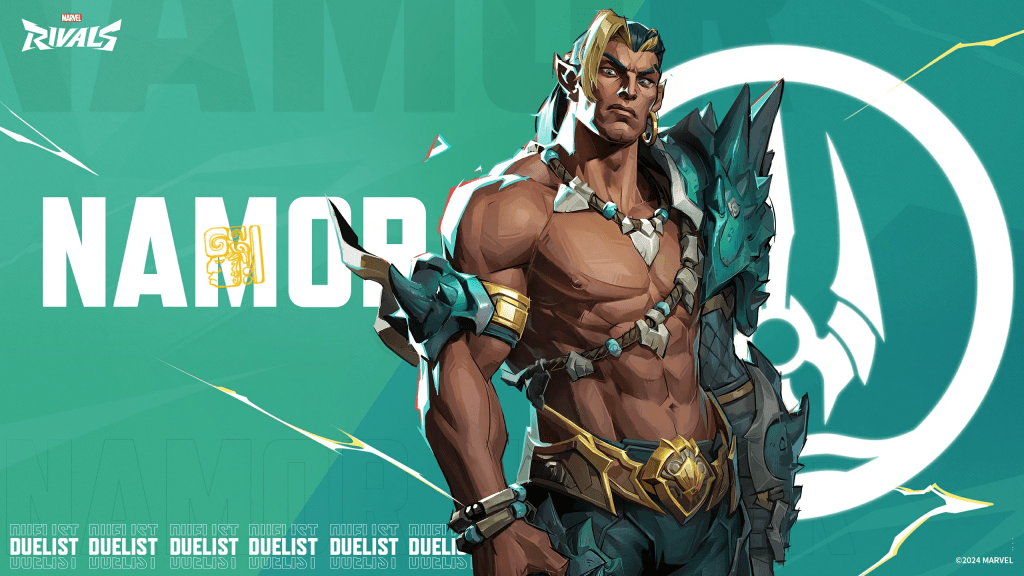
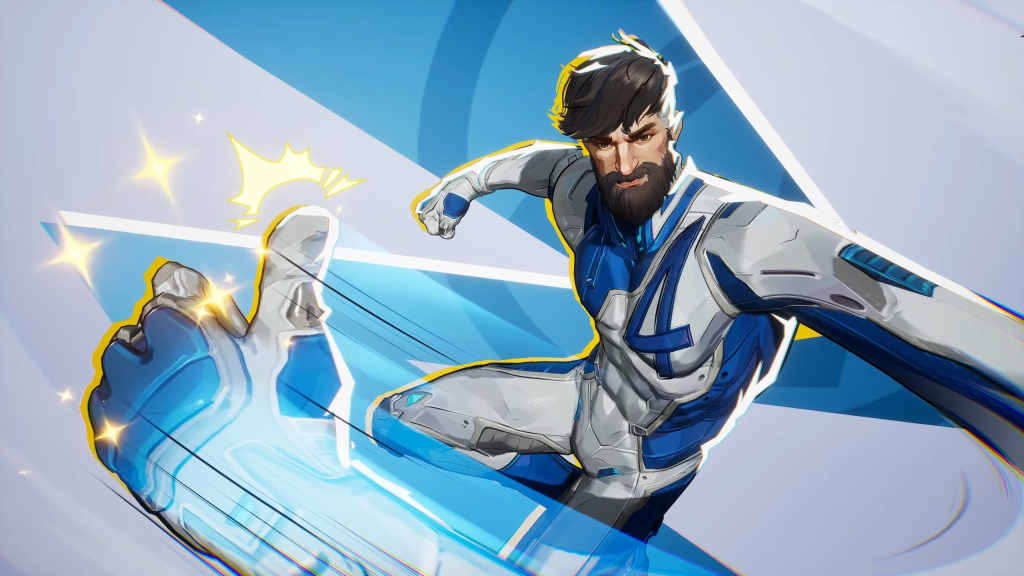
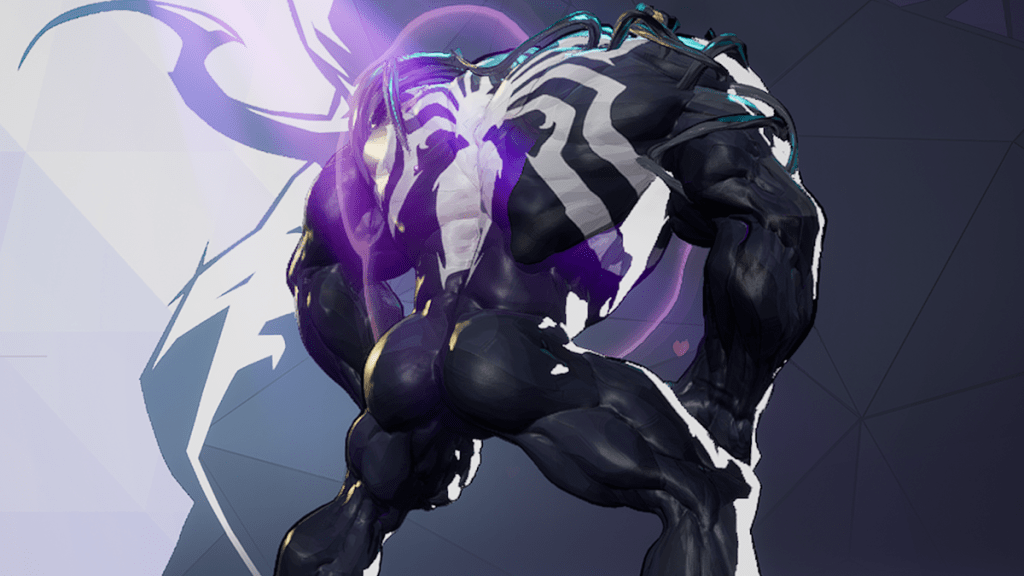
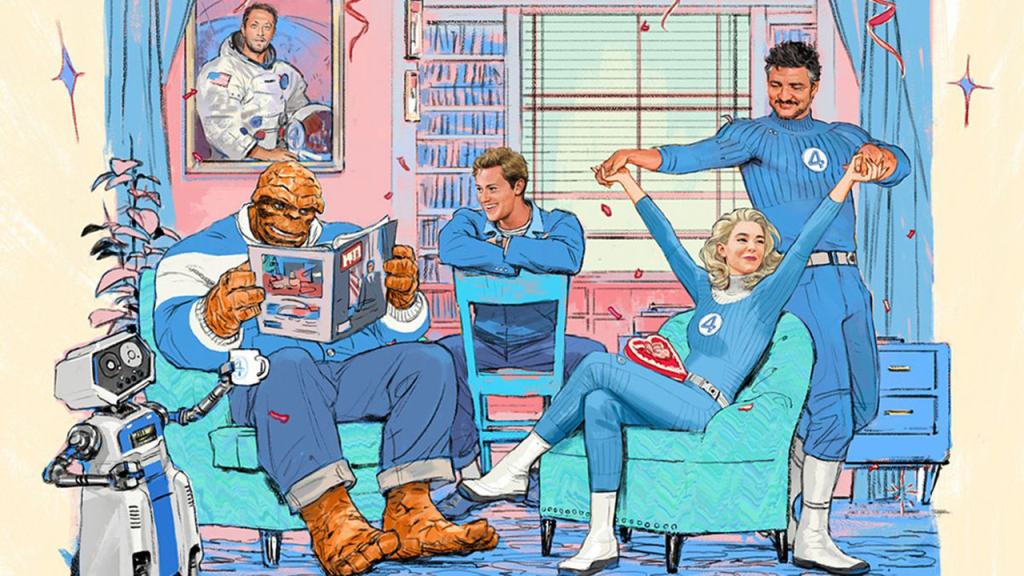
I can’t imagine how many women (and even some men) that have played this game found themselves themselves gooning over shirtless Namor, daddy Reed Richards, goldy Adam Warlock, completely worthy Loki, totally non-Sebastian Stan Bucky, and twerking Venom with his full cake booty. This is literally a game where both the men AND women get to have fat asses. THIS is the representation that matters!

When it comes to the “gooner” discourse surrounding Marvel Rivals, I see it more as a tongue-and-cheek kind of thing rather than something that should be taken seriously. Because, when playing through the game, you can tell this is all being done out of love, passion, and respect for the characters throughout Marvel’s history instead of pandering and desperation. It would be one thing if the game was bad and you can tell they are relying on attractive men and women to keep the game afloat but that is definitely NOT the case here.

If folks want to continue lambasting this game because of it’s appeal to “gooners”, let them. The game has been a success since it launched during the holiday season and will continue to do so for at least the next few years. I get how annoying online grifters can ruin the fun of something like this because it makes them believe they’ve “won” something and have to keep bringing up irrelevant posts and articles to make certain talking points feel much bigger than they really are. But for folks like us, who can enjoy any game we want without have some sort of bias or pride attached to it, we are the ones that get the last laugh at the end. And also the developers of Marvel Rivals of course.

I also want to keep in mind that if there are women (or even men) out there that do take issue with the way the characters look in the game and have a fair, not extreme, opinion on it, that’s all well and good. I just believe there are FAR worse examples of oversexualized characters in gaming and media that do take away from them as characters if you strip away how good they look. In the case of Marvel Rivals, I strongly believe that (for the most part) the designs of the characters compliment themselves and only adds to the variety of the game rather than take away from it. It’s that nice little icing on a very well made and properly put together cake that anyone can enjoy. And that is perhaps the best possible compliment I can give a game!

In the meantime, I’m going to continue to play the hell out of and enjoy Marvel Rivals! And I recommend you to do the exact same!

To conclude this piece, here’s Knuckles approval ratings of the “mommies” of Marvel Rivals!

Streaming And Television Is Carrying The Superhero Genre

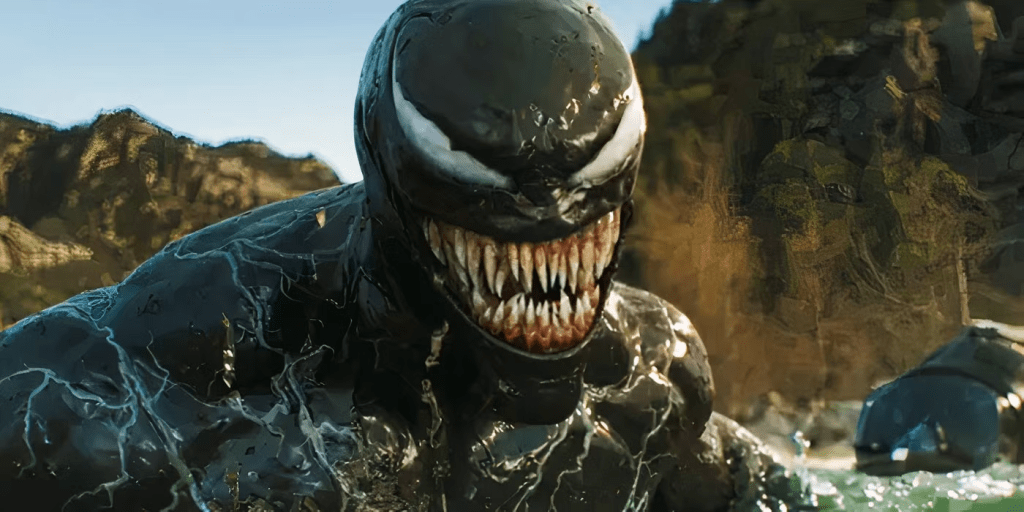
Venom: The Last Dance has just arrived in theaters and much like every other comic book film property released in 2024 that doesn’t star Mr. and Mrs. Blake Lively, it has massively underperformed critically and commercially. I was gonna do a review for it myself but I really couldn’t think of much to say that would make for a good review. It’s about as incoherent, disposable, and all over the place as the first two films except this time, it actually tries to have a deep and heartfelt story with emotional beats that doesn’t feel earn in the slightest. Also, Knull doesn’t do jacks*it in the movie and seemed to be saved for the future for…….whatever. Also, NO, there’s nothing in here that has potential set-up for Spider-Man 4 with Tom Holland that makes it worth watching. Unless you were actually a fan of the first two Venom films or have absolutely NOTHING to do at that moment, I don’t recommend this film whatsoever.

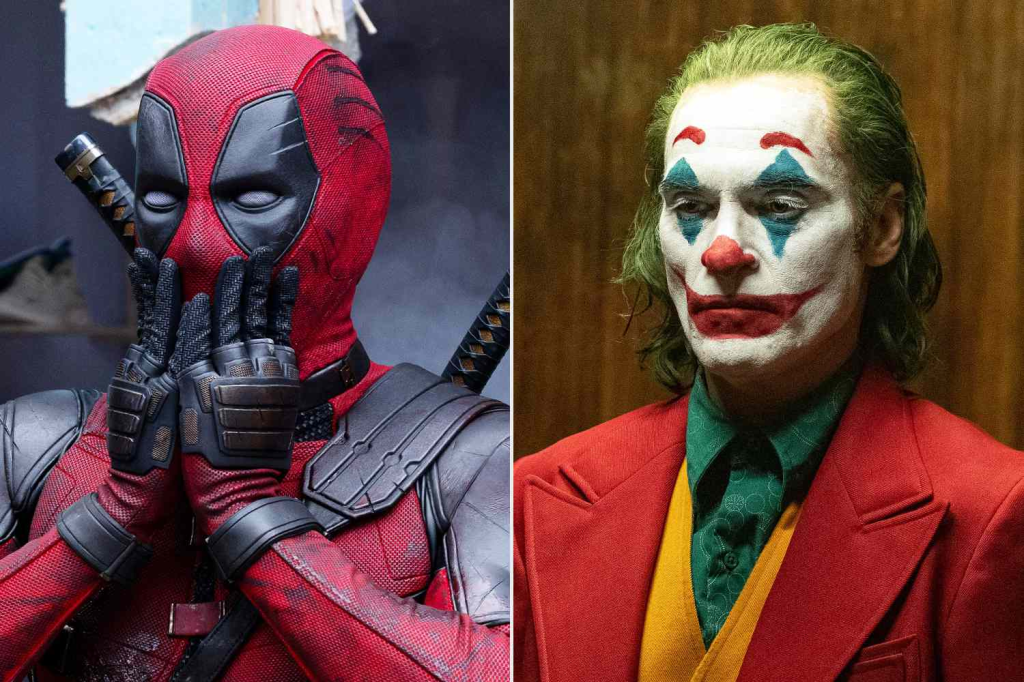
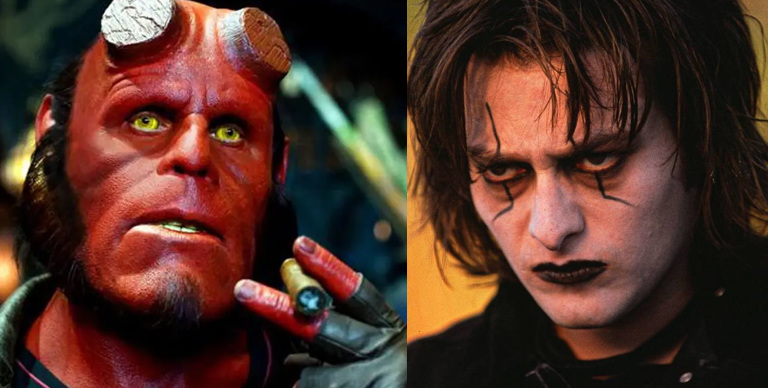
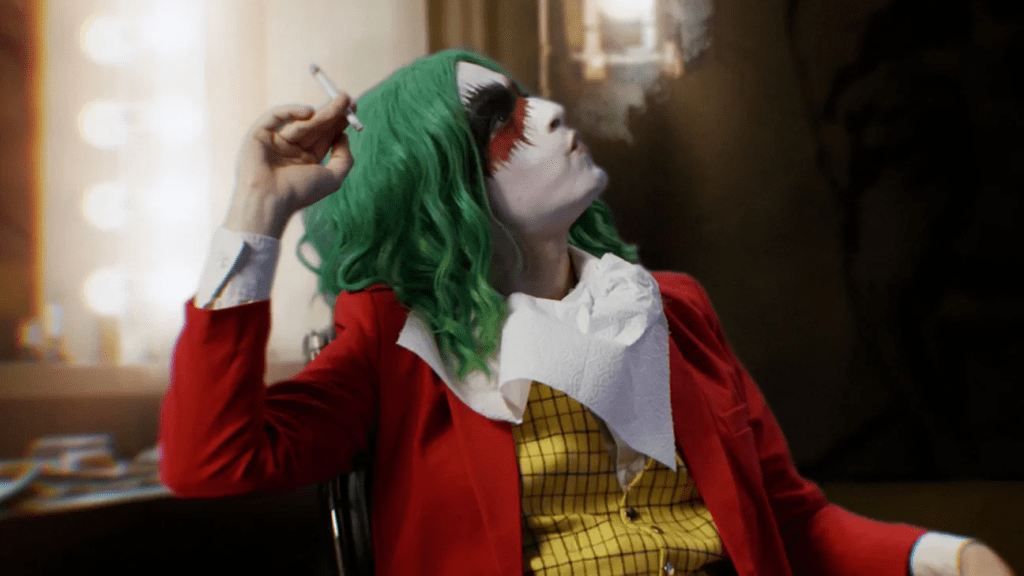
I do believe the worst part of Venom: The Last Dance is that it acts as a perfect reminder to how terrible of a year 2024 has been with comic book/superhero movies, possibly the worst year it has ever been in my life. Madame Web was a trainwreck with it’s only saving grace being it’s absurd amount of camp value and unintentional laughs throughout (Also, Sydney Sweeney!). Joker: Folie à Deux was an overlong and tedious slog that wanted to punish the audience for every caring about this iteration of Mr. J in the first place. The Crow was a competently made but ultimately pointless remake that didn’t do anywhere near enough to justify it’s existence. Hellboy: The Crooked Man was just……a thing that exists and nothing more. And while the year’s billion-dollar grossing blockbuster in Deadpool & Wolverine was a success in the eyes of Marvel fans and mainstream audiences, it really felt thematically empty and severely lacked the rewatch value that the first two Deadpool movies had once you got all the callbacks, easter eggs, and references. It’s really saying something that the actual best superhero film this year was The People’s Joker, an independent film that gave such a queer and punk rock take on Batman’s rose gallery of iconic villains, which tackled the kind of commentary and subtext that 99% of studios nowadays wouldn’t dare to greenlight.

To be fair, outside of Deadpool & Wolverine, I don’t think anyone had much faith in comic book films for 2024. I mean we were getting not one, not two, but THREE Sony related superhero movies that involved Spider-Man villains that no one asked for with ZERO Spider-Men to be found in it. The Crow and Hellboy: The Crooked Man were just newer versions of familiar comic book properties that just….existed without anyone really knowing. And The People’s Joker gained such a small theatrical released in theaters and film festival that it didn’t catch anyone’s attention until it hit digital. And considering the fact that James Gunn’s DC cinematic universe isn’t set to kick off in film form until next summer and the MCU will be back to releasing three films at a time next year, 2024 seemed to be as much of a filler year for superhero movies as it was for basically movies in general.

Many folks have claimed this is a sign of superhero fatigue, with the cast and crew of today’s superhero flicks no longer having any passion and mainstream audience no longer having any desire to watch them. I would take those words for it if it wasn’t for the superhero genre MASSIVELY evolving in the realm of streaming and television. If 2024 was a sign that superhero movies can no longer carry cinema, it should also be a sign that superhero shows and series can now carry streaming and television.

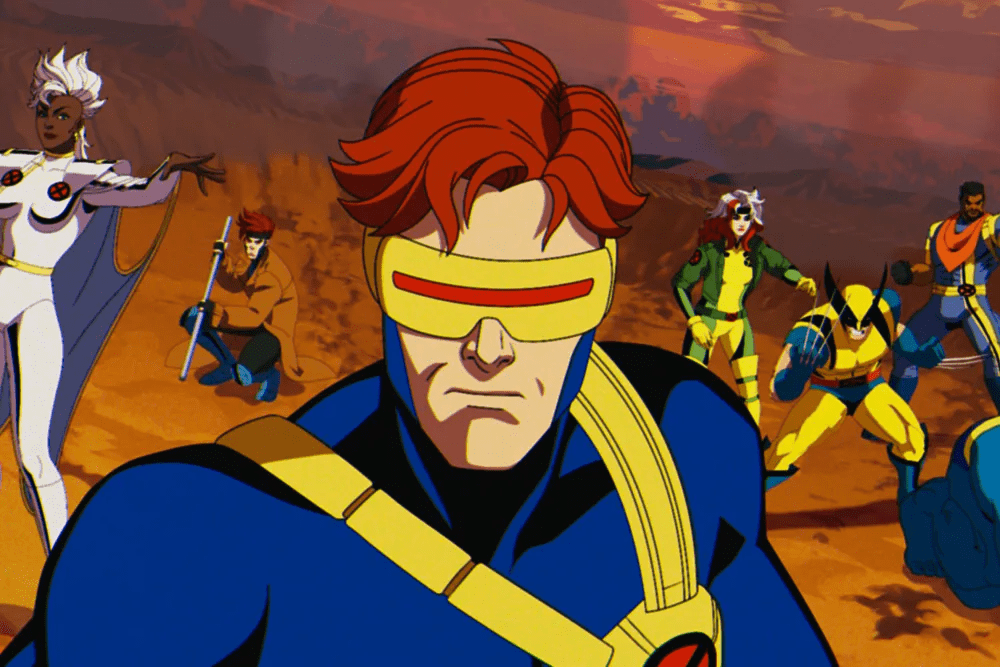
When it comes to Marvel, 2024 offered us Echo, Agatha: All Along, and X-Men 97. Echo was a complete mess in terms of pacing and structure but it did have an interesting dynamic with it’s two main leads in Maya Lopez and Wilson Fisk along with fight scenes and tone that perfectly resembled the beloved Marvel Netflix series that made it worth a watch. Agatha: All Along has been able to act as a proper follow-up to WandaVision while perfectly embracing it’s queer vibes and camp value that makes for the right watch at the right time of the season. And X-Men 97 was about a good of a revival as it could get, perfectly translating the traditional values and roots of X-Men into the modern times with beautiful animation, fun action sequences, and giving plenty of time for each cast member of the X-Men to sign. No offense to Deadpool & Wolverine and the two shows I just mentioned but I think most would agree that has been the best Marvel-related thing to come out in 2024, if not the best superhero-related thing.

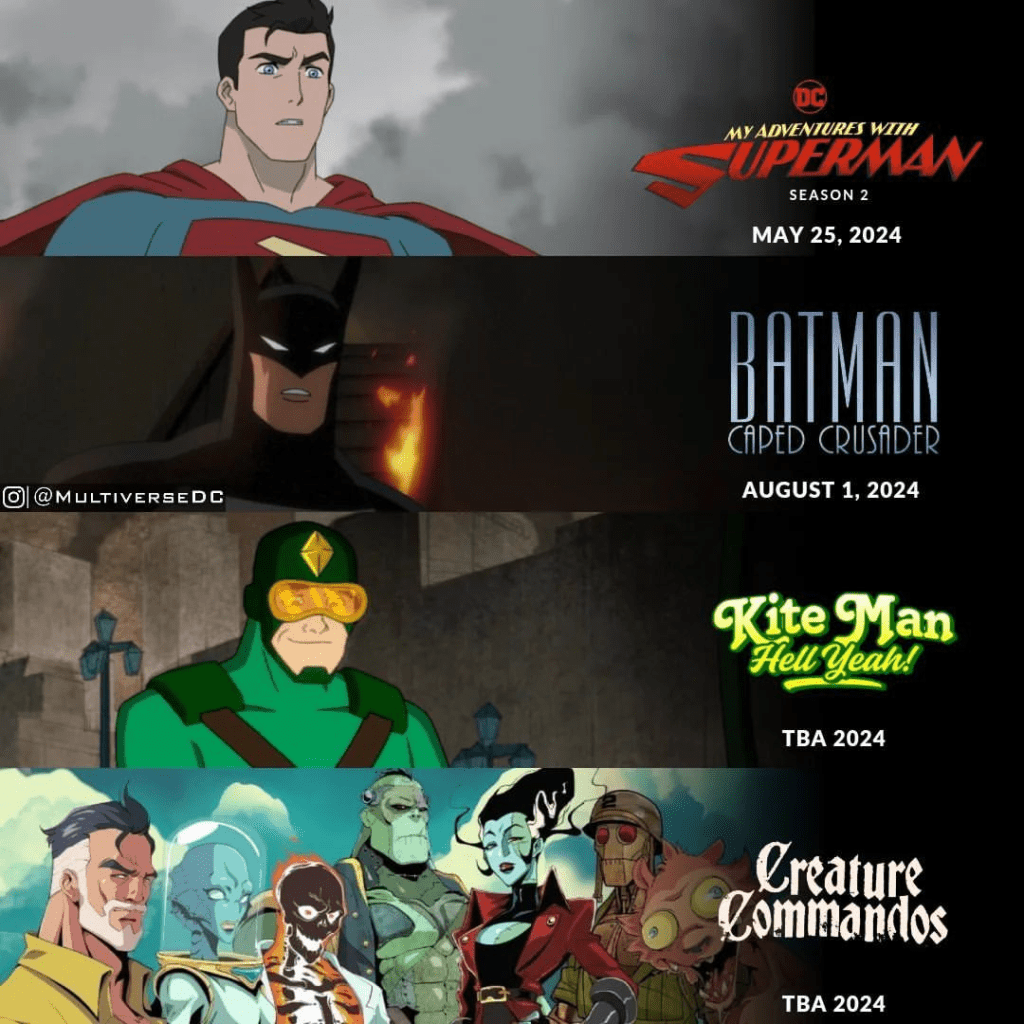
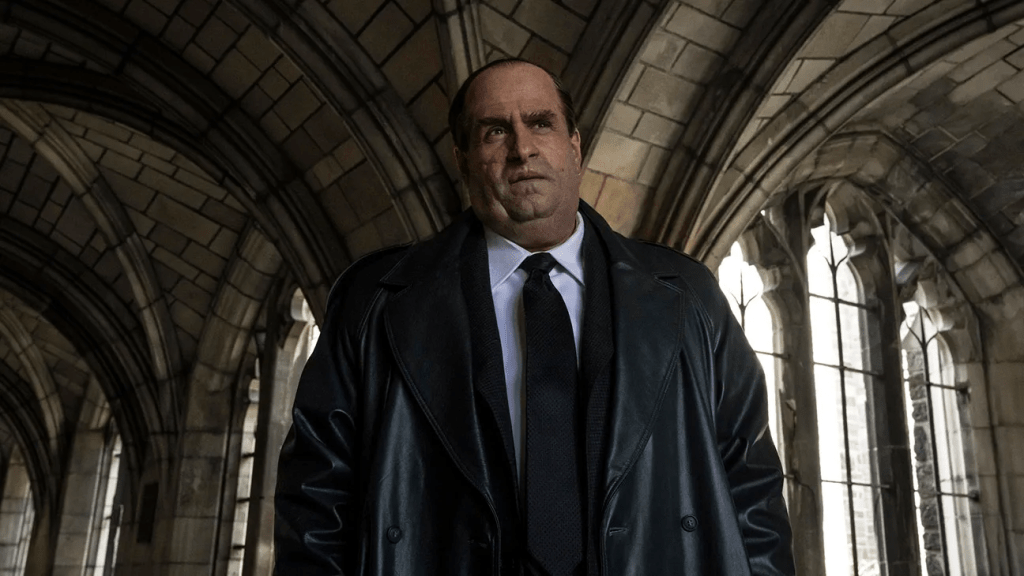
When it comes to DC, 2024 gave us Kite Man: Hell Yeah, Batman: Caped Crusader, The Penguin, and a second season of My Adventures with Superman, with a fifth season of Harley Quinn and Creature Commandos set to arrive later this year. Kite Man: Hell Yeah made for a solid spin-off of Harley Quinn, fully utilizing it’s bizarre as hell premise to make it stand out for the better. Batman: Caped Crusader made for a nice reiteration of the beloved Batman: The Animated Series with a few modern tweaks to it, even if couldn’t escape the corrupted shadows of the series it’s clearly inspired by. My Adventures with Superman was able to carry the momentum of the first season, making it easily one of the best iterations of Superman in entertainment medium since Christopher Reeves. And The Penguin was able to be the perfect example on how to do a “grounded” superhero series correctly, with fantastic production values, intriguing world building, engaging characters and plot, a great central performance by Colin Farrell (who is still unrecognizable as Penguin) and a scene stealing turn by Cristin Milioti as Sofia Falcone, making for perhaps the best superhero property of 2024. While the quality of the newest season of Harley Quinn and Creature Commandos remains to be seen, I wouldn’t be surprised for these series to at least meet the quality of the majority of the successful DC shows thus far.

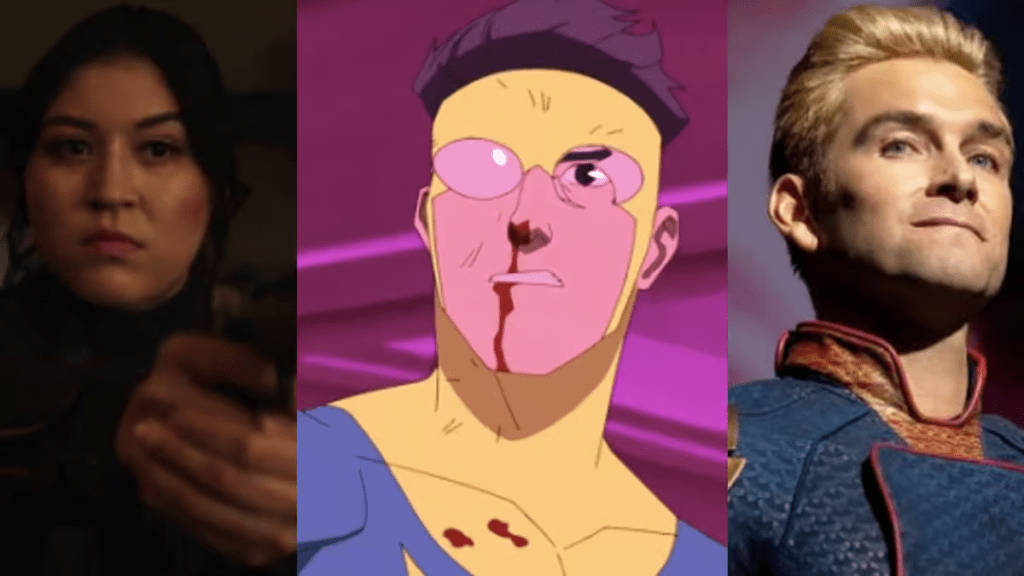
And of course, you also have to mention what is cooking over there at Amazon Prime, with Season 2 of Invincible and Season 4 of The Boys. Invincible Season 2 was able to deliver more of the same action, blood, and carnage that the first season had along with so much more. And while Season 4 of The Boys was intentionally controversial with politics that was COMPLETELY in-your-face, it was so bizarre, controversial, and in-your-face that you actually had to see it in order to believe it. And it was even able to predict the Trump assassination attempt before that even happened, which once again shows how disturbingly accurate that show is to real life.

There might be a show or two that I’ve missed but for the most part, that makes for the majority of superhero tv and streaming content released in 2024. While there are definitely some series that some like more than others, I don’t think it’s hyperbole to say that there have been more hits than misses in regards to superhero tv and streaming this year and that has been the kind of medium that has carried the superhero genre not just in 2024 but possibly the last couple of years.

Which once again begs the question as to whether or not the reason superhero movies are underperforming critically and finically right now really has to do with superhero fatigue or is it just because that is no longer the best medium in telling superhero stories with comic book characters? Fans of Marvel, DC, and Amazon seem to enjoy the majority of these shows with minimum fandom controversies involved in it and don’t seem to be worn out by the superhero genre that the media claims they are. I’m gonna go with it’s not so much superhero fatigue but more of a fatigue with mediocrity and repetition. Outside of a handful of exceptions, the 2020s era of superhero movies fits into that criteria and audience just no longer have any tolerance for it.

I don’t deny there has been a cultural shift in consuming products in entertainment since covid hit. Folks no longer have the time, money, or patience to see a film in theaters that will likely be dropped to digital just two weeks later. Yes, there are definitely exceptions but that’s all they are….EXCEPTIONS and NOT the main course. However, that doesn’t change the fact that recent shows and series with superhero and comic book properties have been able to make for the very best of the medium it is adapting, more so than the recent film adaptions. Because of that, it’s superhero television and streaming that has been getting the love and praise it deserves instead of the superhero movies.

There is a chance that this narrative could change in 2025 and beyond. Maybe James Gunn will be able to deliver the consistent and beloved cinematic universe for DC he has envisioned. Maybe Matt Reeves will be able to continue his own Batman crime saga with the strong quality of The Batman and The Penguin with The Batman: Part II, Part III, and whatever villain spin-offs await. Maybe the MCU will be able to close out the multiverse saga in good graces, sticking the landing to what has been quite a bumpy ride for the 2020s. And hopefully Sony will just give up on their dumb villain cinematic universe experiment and just stick with more Spider-Verse content for the immediate future. There are definitely plenty of cinematic projects in the works that can help turn things around for superhero movies.

However, as of right now, if you really want to see the best kind of modern superhero and comic book medium, look no further than streaming and television with any of the examples I just mentioned.