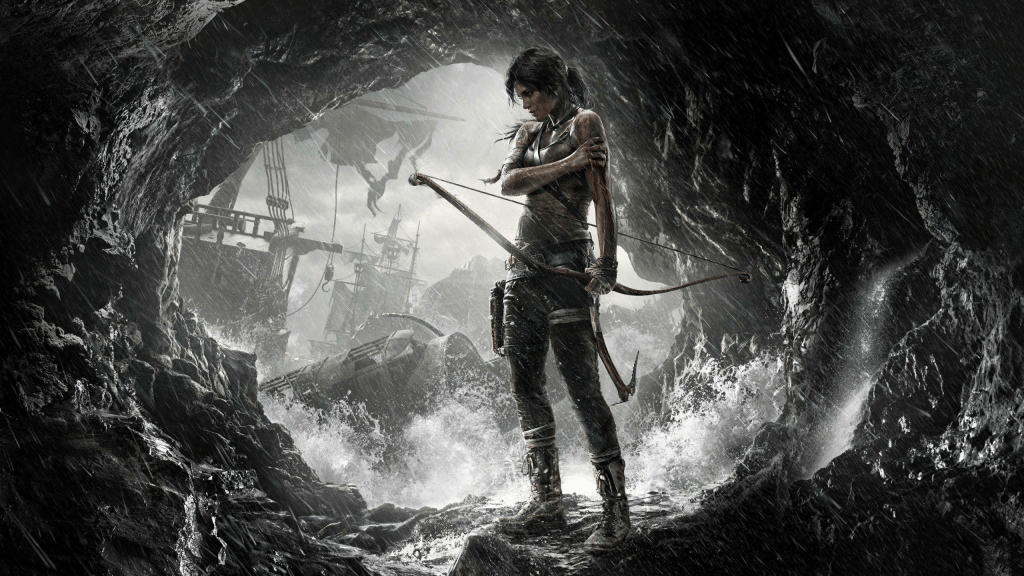
It boggles my mind that I have to use the word “retrospective” when describing the 2013 reboot of Tomb Raider. However, considering it’s been over a decade since that game’s release, I can’t help but feel like that is a proper term to describe just how much time has flown by since this game. Because of that, yeah! Welcome to my retrospective of Tomb Raider (2013).
Tomb Raider (2013) is an action-adventure game that was developed by Crystal Dynamics and published by Square Enix. This made for the 10th entry and acted as a reboot for the Tomb Raider franchise, acting as the first installment of the so-called “Survivor” trilogy, which put a big focus on retelling the origin story of Lara Croft, exploring the character in her early adventures.
Crystal Dynamics began development soon after the release of Tomb Raider: Underworld in 2008. Rather than a sequel to that, the team chose to reboot the series yet again, re-establishing the origins of Lara Croft for the second time, which they also did with Tomb Raider: Legend, and wanted to expand upon the character even further than they have had in their prior history. Camilla Luddington was hired to voice and do motion-capture performance as Lara Croft, replacing Keeley Hawes respectively.
Tomb Raider (2013) released on the Xbox 360, PlayStation 3, and Windows on March 5th, 2013, later being ported to other consoles such as Xbox One, PlayStation 4, OS X, Linux, Shield TV, and Stadia, with extended editions of the game such as Game of the Year Edition and Definitive Edition. The game received universal acclaim from critics and gamers alike, with huge praise giving to the graphics, gameplay, and the development and characterization of Lara Croft herself. However, certain creative decisions such as making the actual tomb raiding mostly to optional side quests draw some criticism among the fanbase, with Crystal Dynamics putting more focus on action and stealth combat with the tomb raiding coming second. The game sold over 14.5 million copies by October 2021, making it the best-selling Tomb Raider game to date.
With the newest Netflix anime, Tomb Raider: The Legend of Lara Croft, set to come out next month, I went and took a look back at the recent reboot trilogy of Tomb Raider. After all, the series is confirmed to be set between the Survivor trilogy and the original series of games. Because of that, my next marathon will be to look back at Tomb Raider (2013), Rise of the Tomb Raider, and Shadow of the Tomb Raider to see how they have all held up years later.
Plot:
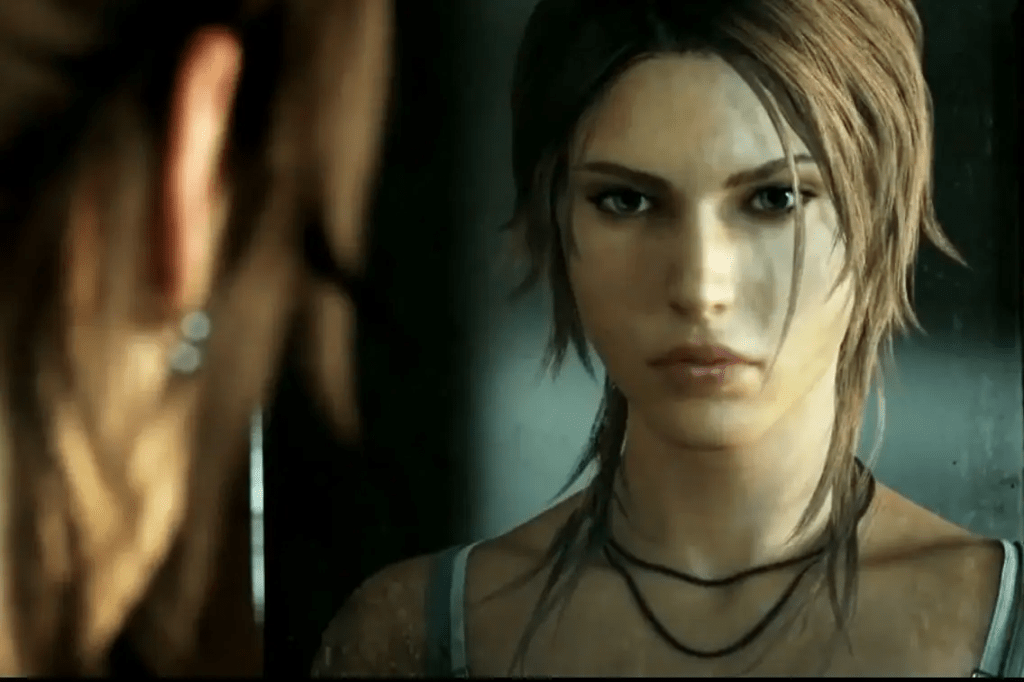
Set on Yamatai, a fictional lost island in the Dragon’s Triangle off the coast of Japan, we follow Lara Croft on her first ever adventure aboard the ship known as Endurance. Lara is a young woman that is looking to follow in her father’s footsteps in becoming an adventure, making discoveries and collecting hidden artifacts. Her first main objective is to find that lost kingdom hidden on Yamatai.
The Endurance is hit by a giant rain storm, causing the boat to sink completely. While Lara is able to escape from drowning to death, she is separated from her friends on the estranged island. As she searches for her friends, Lara soon discovers that the island is in fact inhabited, mostly by a violent cult named Solarii that worships Himiko, confirming the island is indeed Yamatai. Their leader is known as Mathias, who wants to everything in his power to earn the trust of Himiko.

As soon as Mathias discovers the presence of Lara and her friends, this puts them all in great danger. Lara’s best friend, Sam, is seen as great interest to the Solarii, who plans to offer her as a new host to Himiko’s spirit. As Lara meets up and reunites with other survivors, she must work with them to rescue any captured ones from the Solarii while also finding a way off the island. The crew with Lara include Whitman, Sam, Roth, Reyes, Jonah, Alex, and Grim.
As Lara Croft takes her first steps into becoming a strong adventure, she discovers that she must overcome immense adversity in order to save her friends and herself. That includes taking down enemies, using any methods of travel, using any scrap, items, or weaponry as she can, and doing everything in her power to survive against this deadly foe that is looking to wipe her out and her loved ones. It’s then that we get a first taste into Lara building a name for herself in becoming the legendary Tomb Raider.
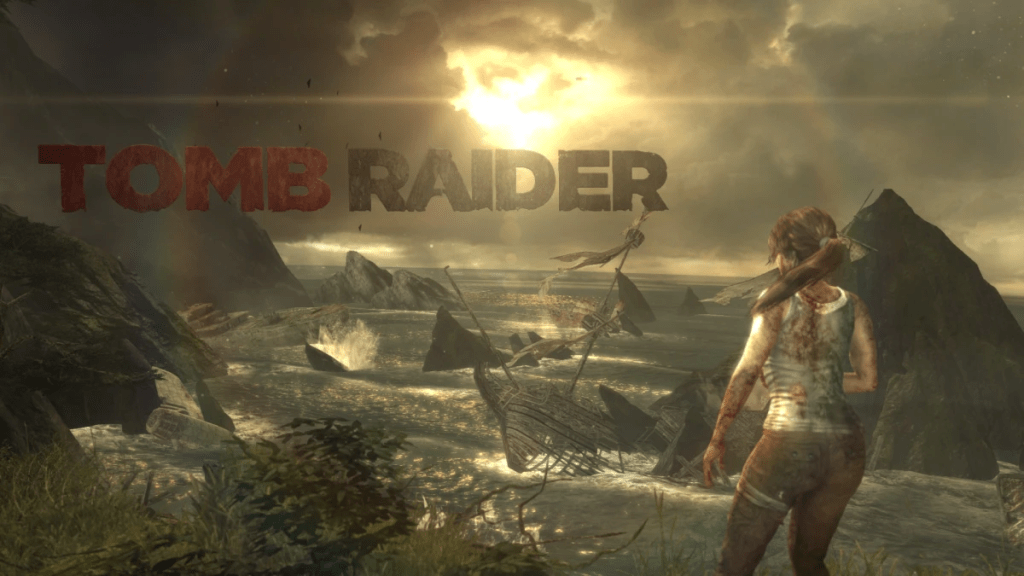
What is most interesting about the story is that despise the game being called Tomb Raider, this is by in large an origin story of Lara Croft before getting the reputation as the Tomb Raider. Yes, the tomb raiding is in the game (which we will discuss in gameplay) but this is really a story about who Lara Croft is before that and what she is without that. While those might sound like unusual and risky ideas for a narrative on paper, Tomb Raider (2013) is able to make it work incredibly well.

The reason it all works is because of how well developed and characterized Lara Croft is as a character. This is arguably the most fleshed out version of the character throughout the character’s history. Seeing Lara go from being a fearful Curious George to a badass adventure is very exciting to see play out. The story really makes Lara Croft go through absolute hell and requires her to make the toughest choices imaginable in the means of surviving.
I especially like how, unlike most action heroes in games and movies, when Lara gets injured, she doesn’t just make a light grunt, shake it off, and get right back in the game. She clearly gets hurt and feels pain. Whenever she takes damage, she feels every bit of it. There are plenty of instances in the stories where you follow Lara while she is grunting in pain and needing to find a way to patch it up before it’s too late. It helps add to the human nature of the character and increases the stakes of the story to a near perfect degree.
Sure, there are definitely PLENTY of moments where it feels like Lara should have died and probably would have in real life but at the end of the day, it is a video game and Ms. Croft is able to make the best use of the traditional gaming plot armor. Even so, I do feel like Crystal Dynamics could have tone down the violence a little bit and not having it gain close to the violent “torture porn”.
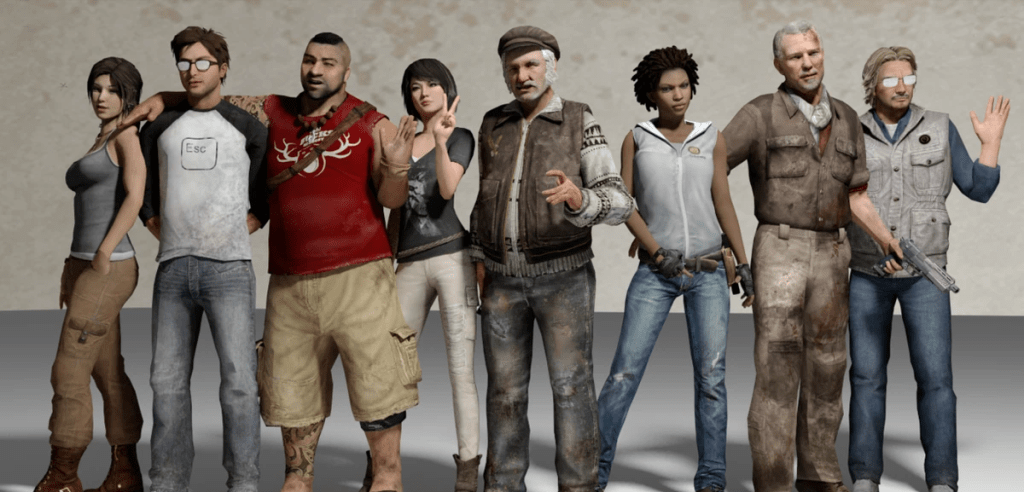
When it comes to the supporting cast, it’s a mixed bag. Lara’s friends and crew are fun if not a bit basic. Outside of Whitman, none of them really change and grow throughout the game, really only showing up when the plot requires and to give Lara’s moments of optimism during her mission to save them and escape the island. They are likable enough where I did find myself wanting them all to survive to the end but most of their characters can be read like a book with not a single one of them being much of a page turner.
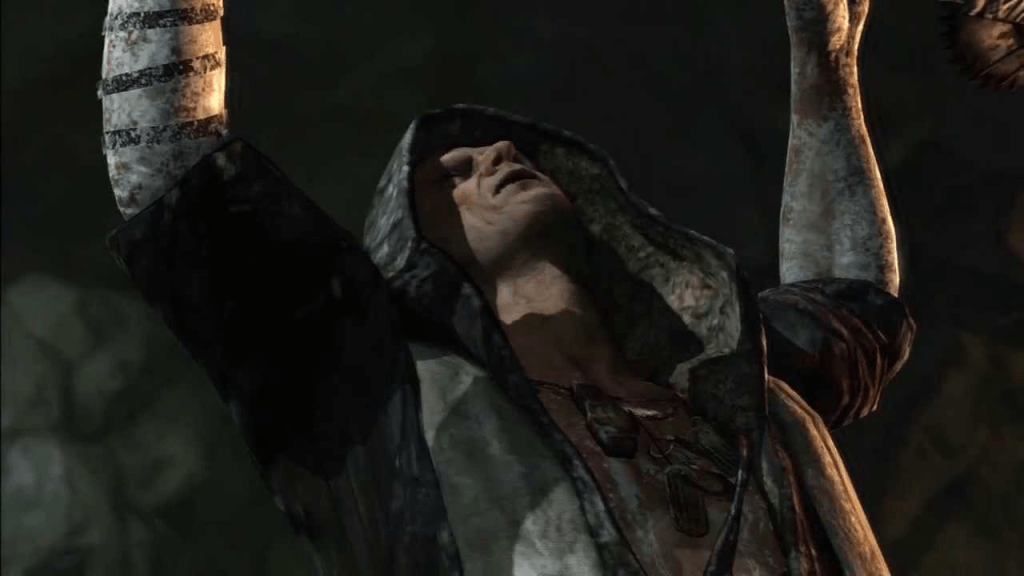
The main antagonists on the other hand, are quite weak. While having Lara going up against a violent cult is fitting for her first adventure, the bad guys she is forced to go up against could not be more bland and forgettable. There’s not much motivation or characterization behind them other than wanting to make their god/goddess happy and believing in certain morals that they think their ancestors would be proud off. I barely remember their names or any line of dialogue that stands out greater than these villainous religious cults in any games.
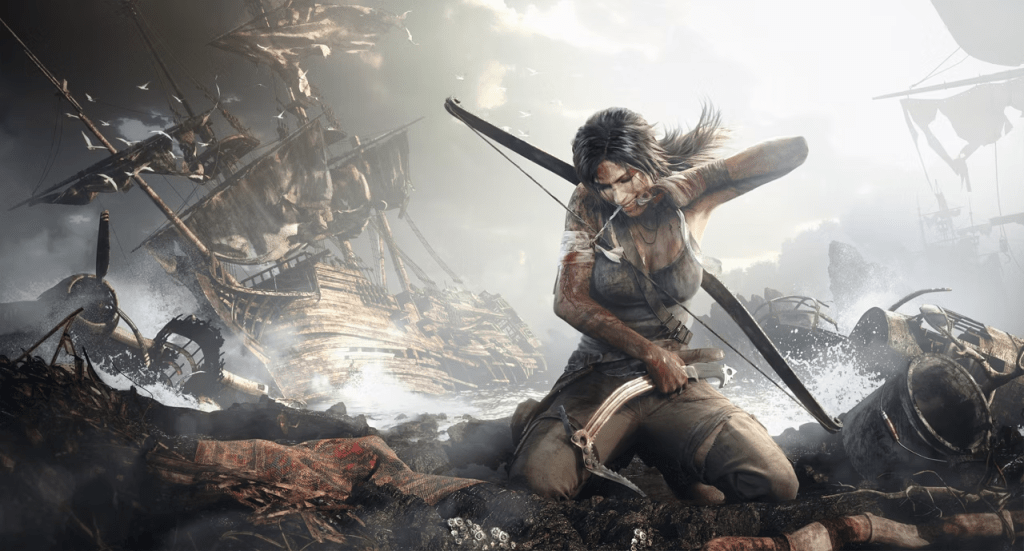
Aside from some minor issues with the supporting cast and villains, the narrative for Tomb Raider (2013) is very strong. You really feel the character development of Lara Croft the whole way through and seeing it all unfold is really satisfying to see. Lara is given the kind of arc that by the end, you almost can’t believe this is the same protagonist that we have been following all along. If that is not the sign of a really strong character arc, then I don’t know what is. Lara Croft’s journey along is enough to recommend at least watching all the cutscenes throughout the entire game but of course, the important part of a video game is in fact the gameplay.
Gameplay:
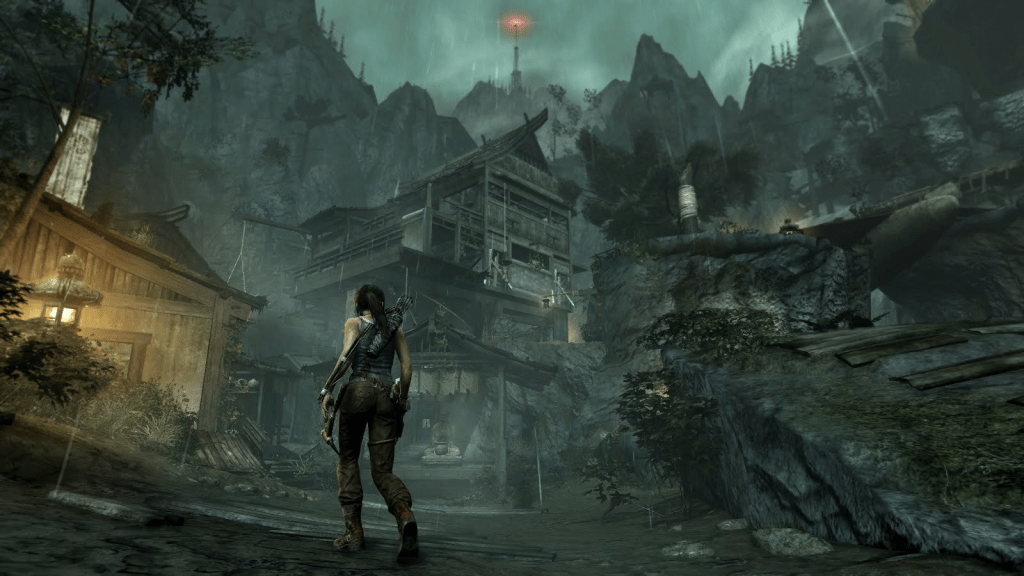
Tomb Raider (2013) is an action-adventure game played through a third person’s perspective. Players take control of Lara Croft herself, using an interconnected formula that combines action, adventure, exploration, stealth and survival elements. Players can traverse between the camps and across the entire island using footpaths, ziplines, and climbable tracks and walls. Many of Lara’s moves from prior games are carried over here with some minor tweaks added to it. Quick time events occur at regular intervals throughout the game, appearing at crucial points in the game’s plot where you are on the run, such as extracting a shard of metal and escaping a cave.
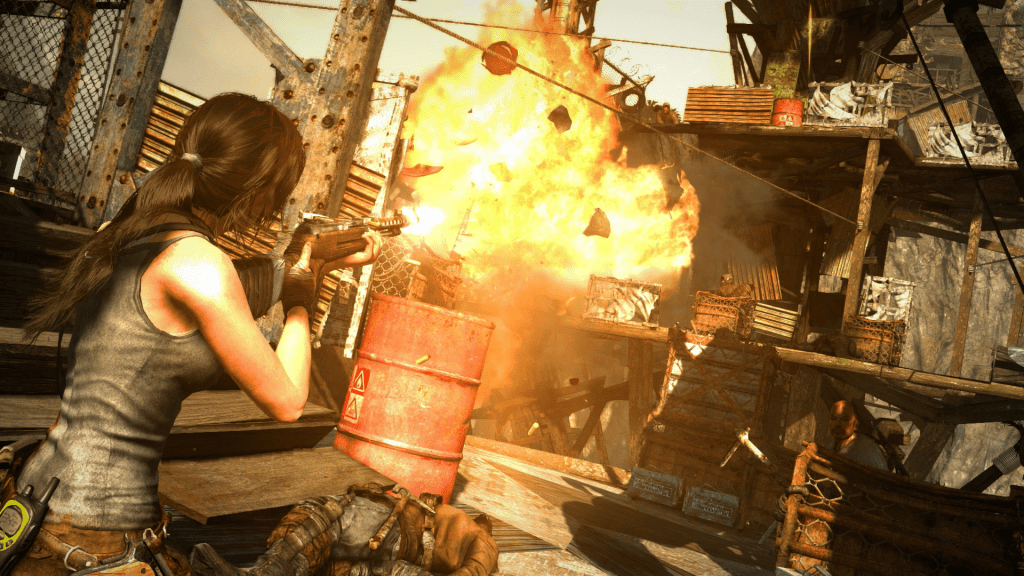
In terms of combat, the inspiration from Naughty Dog’s Uncharted series is clear as daylight but the game still does plenty of it’s own things to stand strong on it’s own two feet. The players have the ability to free-aim with Lara’s bow and the guns she collects. You will engage in close-quarter combat and perform stealth kills when coming up against enemies. The most helpful addition to this is Survival Instinct, an ability in which the presence of enemies, collectables, and objects to environmental puzzles will be highlighted and easy to spot. So even if you are familiar with Uncharted, Tomb Raider (2013) makes many tweaks and revisions to that combat formula which you will need to get the hang off in a way that you couldn’t with Uncharted.
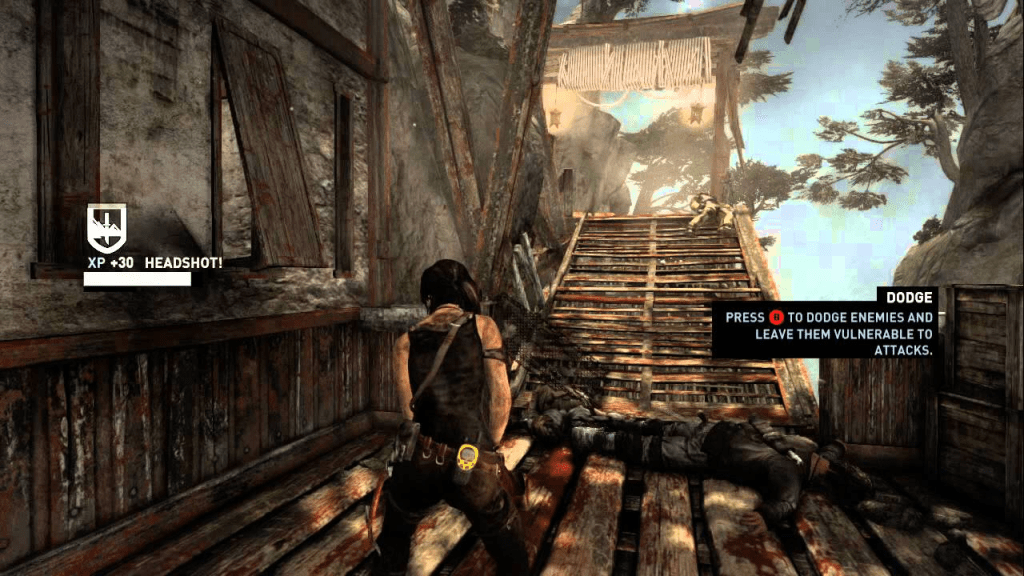
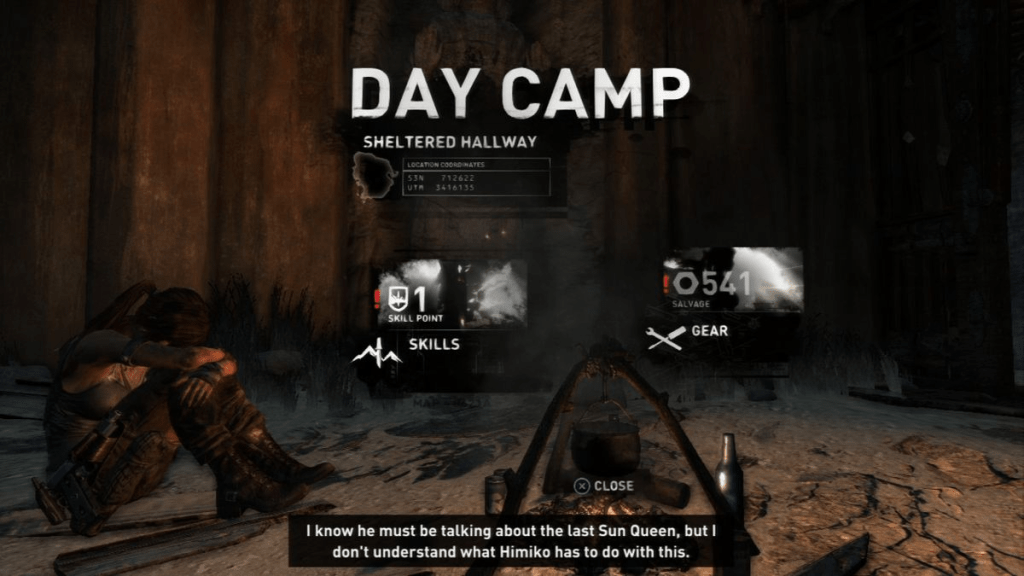
The game incorporates role-playing elements that help with the progression of the game. As you go through the whole game, you earn experience points from performing certain actions and complete in-game challenges involving hunting, exploring and combat. This helps the skills and abilities to be upgrade in specific ways, such as giving Lara more storage capacity for arrows and ammo. You can also upgrade and customize weapons using scarps and materials that you collect across the island. The character progression system in the game helps with gaining better items, weapons, and equipment as you progress through the game. Even if certain items and weaponry can only be unlocked once you get to certain points of the story, there is not a single moment of this game where you should not have access to enough of them to progress through the game.

As for the actual tomb raiding itself, it’s mostly optional and only appear during side quests that don’t impact the main campaign. Player can complete multiple side quests as they explore the island and revisit certain locations. It’s only during these side mission which the challenge tombs can be searched for. There is more than enough of challenge tombs for any longtime fan of the series but these sections are NOT required to be played through in order to be the main story. It’s odd how a game called Tomb Raider, the actual tomb raiding itself plays secondary to the overall gameplay experience.
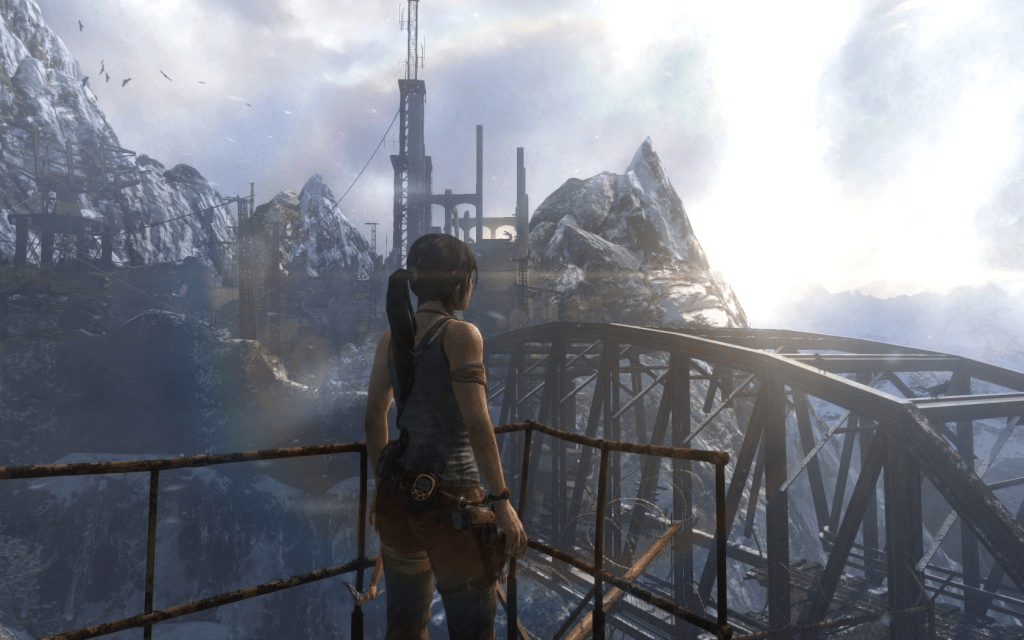
Even if the actual title of the game itself might be a bit misleading, the gameplay of Tomb Raider (2013) is absolutely top notch. I loved being in the shoes of Lara Croft in ways that I couldn’t have with any other prior Tomb Raider game. Lara has never felt more comfortable to control and more fun to play in terms of the game’s combat, platforming, and exploration. Seeing the character develop and unlocking many different skills along the way always made the gameplay stand out without feeling too repetitive or irritating. There is plenty of variety in terms of the items you use, the weapons you upgrade, and the costumes you are able to unlock. It helps enhance the replay value and motivates you to play through the whole game. I constantly found myself eager to unlock every single skill point that I possibly could because I wanted to unlock all the weapons and costumes that were available.
I loved going through every single set piece moment of the entire game, having that perfect feeling of cinematic escapism while also remembering that this is still an actual game. These sections feel right at home with an Indiana Jones adventure while still feeling proper for the adventure that we go with Lara Croft. If it wasn’t an intense stealth section that kept me on the edge of my seat, it was these jaw dropping sequences where our main female hero is pushed beyond her limits to survive.
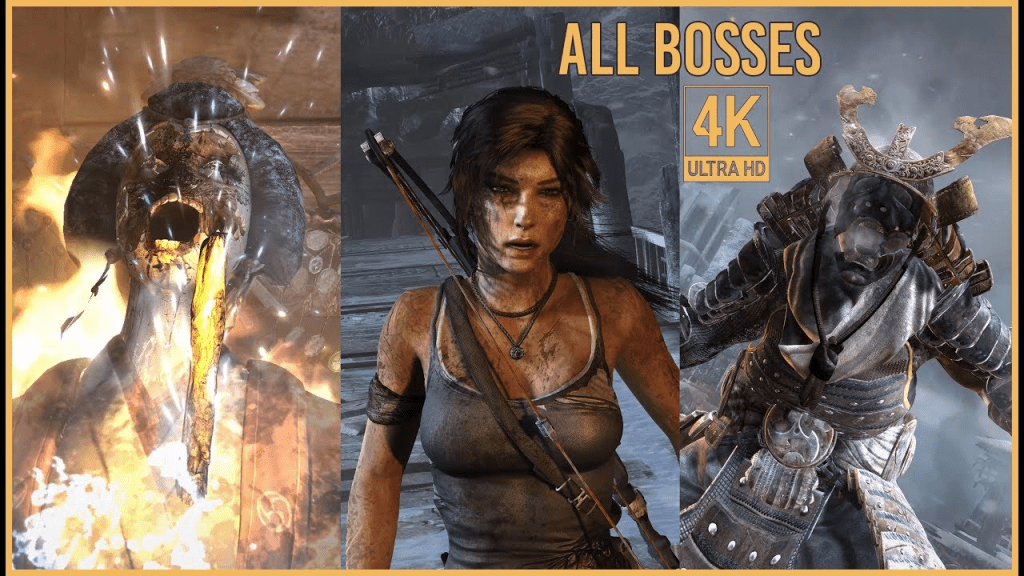
If there is any mixed to weak aspects to the gameplay, that would mostly be the boss fights. They don’t play much differently than fighting regular enemies other than needing a few more hits to kill and another required automated section to give the impression it’s more different than it really is. It doesn’t help that the main villain is very weak and forgettable but the final showdown with him is rather anticlimactic in terms of gameplay. It misses that one last powerful punch that’s able to evaluate the game at the last possible moment.
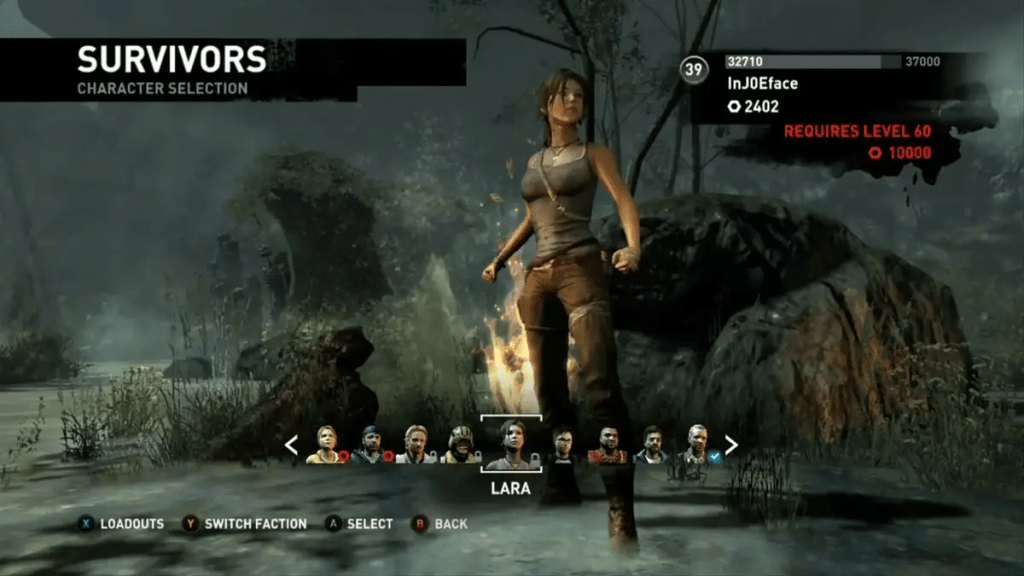
I should also mention that there is also a multiplayer mode with this game. In each multiplayer match, there are two enemy teams: four survivors and four scavengers. And there are three different types of games for multiplayer with five different maps. These modes are Team Deathmatch, Private Rescue, and Cry for Help.
The first mode is a player vs player combat scenario, where teams are pitted against each other and whoever kills the opposing team in three separate matches is the winner. In the second mode, the “survivors” team must take medical supplies to a specific point on the map, while the scavengers must reach a certain number of kills, both within a time limit of ten minutes. The third mode, Cry for Help, involves the survivors for exploring the maps and retrieving batteries for defended radio beacons while being hunted by scavengers. Across all three modes, weapons and destroyable environments from the single-player mode are carried over.
Ngl, the multiplayer mode didn’t do anything for me. It feels like it tries to incorporate elements from other shooters out there such as Call of Duty and Battlefield along with trying to copy the multiplayer modes from Uncharted. However, there is just not as much polish put into this mode as with the single player mode and mostly comes across as a last minute addition, feeling like it was just thrown in there just for the sake of trying to give gamers more bank with their buck. I appreciate variety in video games but not when it feels like it’s something that the developers themselves really didn’t care to make. This did receive plenty of DLC which I will discuss later on in the review.
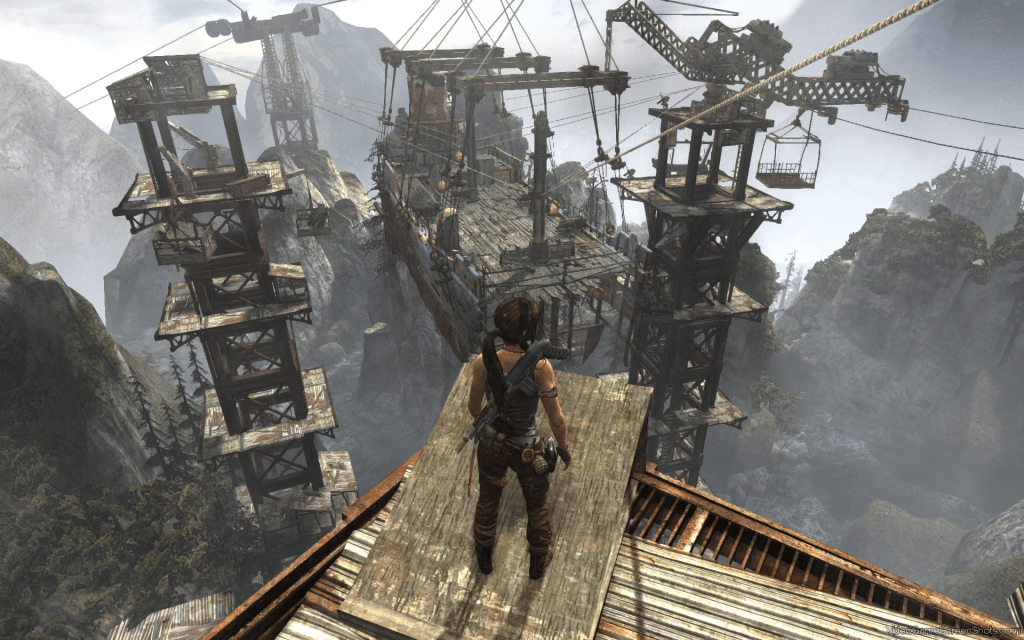
Aside from the tacked-on multiplayer mode and lackluster boss fights, I adore the gameplay of Tomb Raider (2013) to bits. It really felt nice and refreshing back in 2013 to put you in the hands of a female video game protagonist but also making her very satisfying to play as. The special abilities that Lara is giving and the maneuvers you are able to use with her makes her super convincing as a gaming action hero, constantly finding her own ways to take down enemies in ways that actually work for her character. Lara plays in a way that only she herself can stand out and not in the same ways of say…..Nathan Drake.
Yes, the challenge tombs not playing first and foremost to the gameplay might be infuriating to some but the combat, stealth, and exploration are all so well done that it’s genuinely hard to care. Power that along with a trophy/achievement system that will make you EARN every single award you get, Tomb Raider (2013) holds up greatly in terms of gameplay and delivers plenty of replay value, even after beating the main campaign.
Graphics:


Graphically, this game is FANTASTIC for a 2013 released game and still looks strong on the Definitive Edition many years later. It’s able to capture that realistic vibes that many games were starting to aim for back in the 2010s and makes you almost believe you are there with Lara on her journey. The rain and water effects looks about as convincing as it should, the characters move naturally and is certainly aided by top-notch motion capture, and it has a great, enhanced engine that helped make this game stand out not just back in 2013 but even now. While some might think the game looks too bleak, it fits for the tone that the game is going with along with the rather bleakness that Lara goes throughout the game.
It’s also refreshing to see Lara Croft herself actually look like a real woman instead of a plastic dog back in the original games. I get the developers back then were going for a more cartoon vibes with the original games but Lara’s more human and realistic design works perfectly for the rebooted games that are clearly for a much darker and realistic vibe. In that accounts, her design along with the designs for the rest of the characters are able to stand out about as well as they could.
Sound:
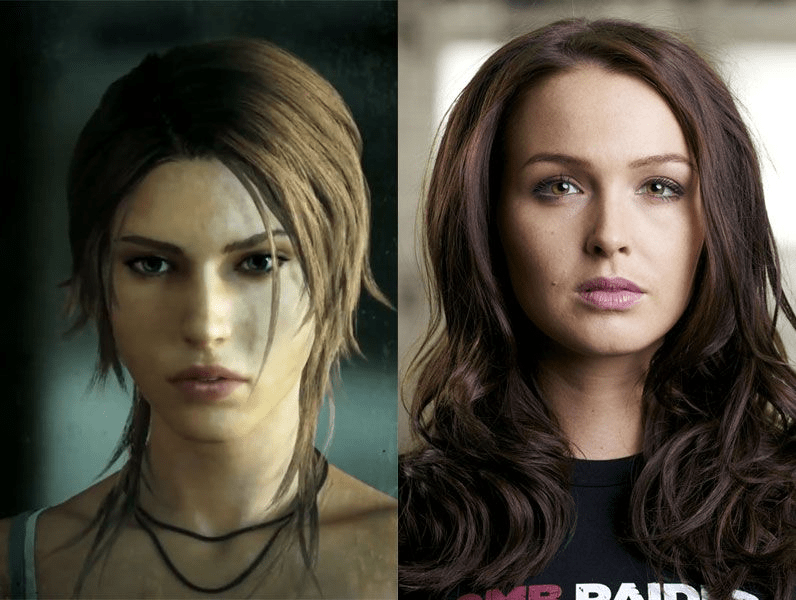
The voice work is absolutely outstanding overall. There’s not a single bad performance to be found here in terms of line delivery and motion capture but the real MVP is of course no other than Lara Croft herself, Camilla Luddington. Luddington really captures the younger side of Lara Croft perfectly, blending her vocal range and motion capture movements in the most convincing way imaginable. All respect to the other previous actresses for Lara respectively (ESPEICALLY by girl Angelina Jolie) but there’s something about Camilla Ludington that makes her the best Lara Croft to date imo. She’s able to capture that charm, energy, and depth of the character better than anyone ever has. I love me some Hayley Atwell but she’s got her work cut out for herself for The Legend of Lara Croft.
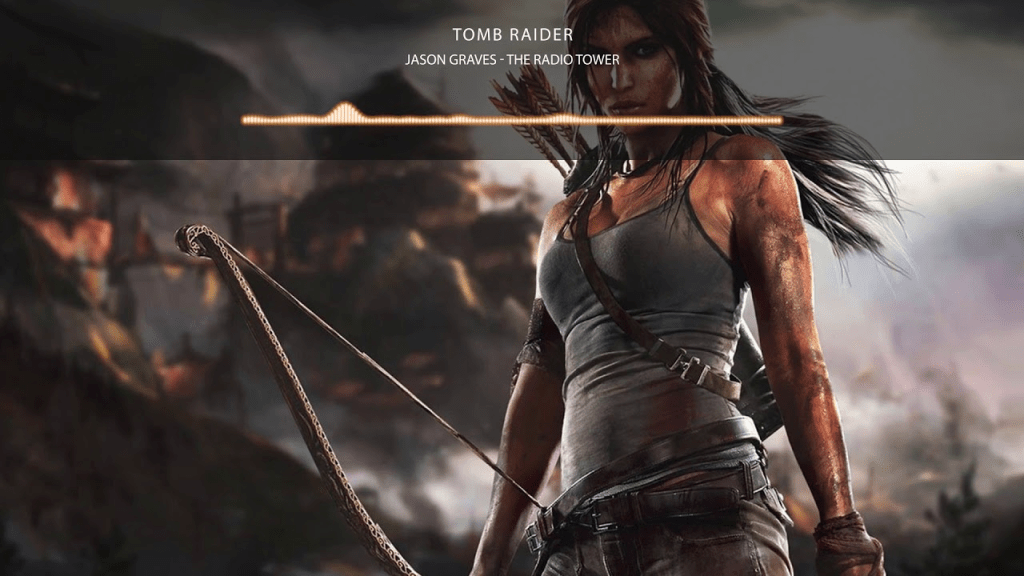
The soundtrack done by Jason Graves is remarkable all around. It has the exact time of music that can get your heart pumping and have you on the edge of your seat the whole way through. It feels like the type of soundtrack you would hear in any action movie, particularly Indiana Jones. My favorite track in particular is the one track that plays when you stop at a checkpoint next to the fire. It’s a nice little moving track that allows you to breathe for a split second before getting straight back into all of the intense action. With a score that is about as fist pumping and intense, having a track like that helps make it stand out greatly.
Downloadable Content:

Various amounts of small DLC were released with the game. At the game’s launch, Xbox Live users would get early access to the map pack titled “Caves and Cliffs”. The maps themselves contained the three new Tomb Raider multiplayer maps, entitled “Scavenger Caverns”, “Cliff Shantytown” and “Burning Village”. That pack would later become available for PSN and Steam users just a month later.
Other packs included, the “1939” multiplayer map pack that consists of two new multiplayer maps called “Dogfight” and “Forest Meadow”, a Japanese Language Pack on Steam, a multiplayer DLC pack called “Shipwrecked” that offered two additional maps in “Lost Fleet” and Himiko’s Cradle”, a single player outfit pack was released on Xbox Live, containing the Demolition, Sure-Shot and Mountaineer outfits.
Two versions that contained all the DLC were released in 2014. Those included the Game of the Year: Edition for Xbox 360, PlayStation 3, and PC and Definitive Edition for PlayStation 4 and Xbox One along with receiving an eventual release for Window in April 2024, exclusively on the Microsoft Store.
All of the DLC for Tomb Raider (2013) were strictly for multiplayer maps and player outfits. There was no story DLC or exclusive single player content. They were all mostly additions to add to one of the weaker aspects of the games in hopes of improving it. Considering I didn’t care for the multiplayer mode back then and now, I can’t say these DLC packs did anything for me. There’s nothing here that will enhance the gaming experience for supporters of the game nor is there anything that win any naysayers of it.
If you are curious to check the DLC out, the Game of the Year and Extended Editions should be much cheaper to buy than it was a decade ago. However, for me, it just seems like useless extras to justify pre-order/console exclusives and just random content made back when single player games felt the need to tack on a multiplayer mode, even if the game itself didn’t really acquire it.
Conclusion:
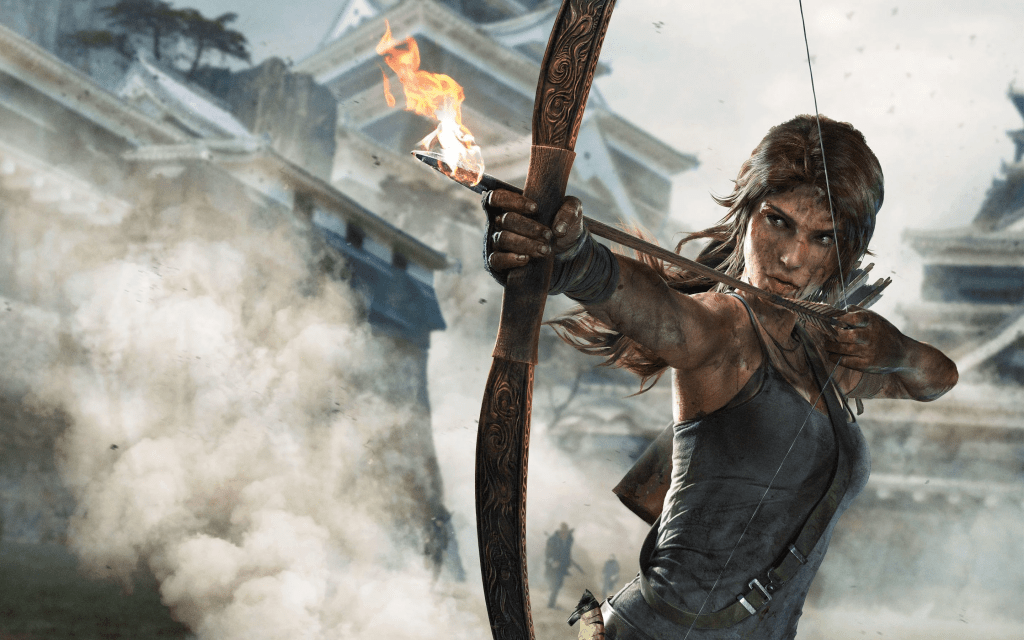
Tomb Raider (2013) is essentially a textbook example of a reboot done right! While it undoubtedly takes inspirations from the likes of Uncharted, the modern update of Lara Croft is able to embrace everything that fans have loved about Lara Croft over the years while also being able to stand by itself perfectly as it’s own unique thing. The graphics are breathtaking, the gameplay contains the perfect mix of combat, platforming, stealth, and exploration, the set pieces are terrific and genuinely cinematic in the best of ways, Camilla Luddington is perfect as the main video game heroine, and Lara herself has never a more compelling or engaging character than she has been here. While some might bark at certain aspects like the actual tomb raiding being secondary and being too overly violent just for the sake of it, the actual game itself has so much love, passion, and effort put into it that the game comes across as genuine and NOT neglect.
Opinions may vary on if the follow-ups were better than this one but this is definitely the most fresh, exciting, and action-packed that the Tomb Raider franchise has ever been. You would be hard pressed to find that freshness and novelty that 2013 has and the foundation it leaves perfectly for it’s future that you will just never find in any other adventure with Lara Croft. Whether one is a longtime fan of Tomb Raider or a newcomer to the series like I was back in 2013, I highly recommend Tomb Raider (2013) to fans and gamers alike.

Next Up: Rise of the Tomb Raider (2015)
 Adam's Blog