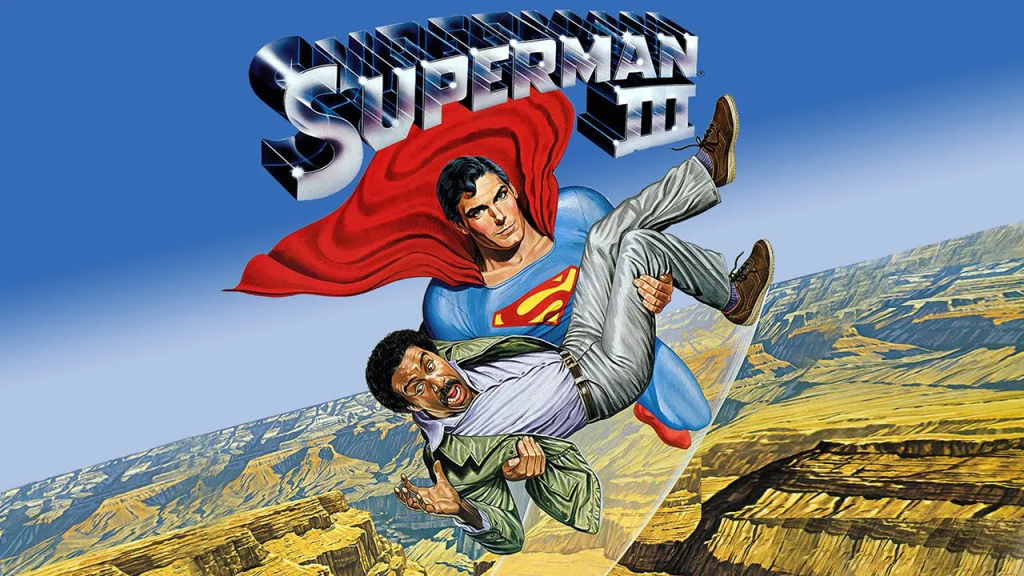
The third installment of a franchise always tends to be the trickiest installment of them all to pull off. By that point, you start to run short on original ideas and it’s when the audience start to feel fatigue of your franchise since they are already familiar with your game and have seen all of the tricks you can pull out of your butts. There’s just so many times where the audience wants to see the Death Star get blown up! It’s also at this point where the studios are as desperate to make as much money as possible now that the brand is as popular as it is and the higher ups wanting higher box office numbers with each new installment. This leads to more emphasis on selling toys, comics, games, merchandise, etc than ever before! Because of that, the studios want to make sure the film aims to as big of a wide audience as possible! This usually results in studios being more involved with film production than before to make sure it has enough content in there for a wide majority of audience, the director having less creative freedom than before because of studio notes, and the desire to make the film more dumb down compared to the previous two films, to make sure it’s age appropriate for young kids and families to see in theaters! If you want a good example of exactly what I just said, look no further than Superman III!
Superman III was basically went the Superman franchise started to lose all of the hearts and wonders that it had from the beginning. While Superman II certainly had dents in it’s armor from both behind and in front of the camera, it was still able to hold together strongly because it built upon the original classics by having the world be more expanded upon, the characters being further developed, and the action and special effects being taken to the next level. This third installment with the man of tomorrow does the exact opposite of that. Instead of heart and wonder, it’s now just gags and slap stick. Instead of important social/political commentary, it’s now just mindless action and explosion. Instead of intimidating villains that pose a real threat to our heroes, they are now cartoon characters that you can’t take seriously. Instead of being smart, it’s now a self-parody! Putting all of this crap together, you get the complete s*itshow that is Superman III!
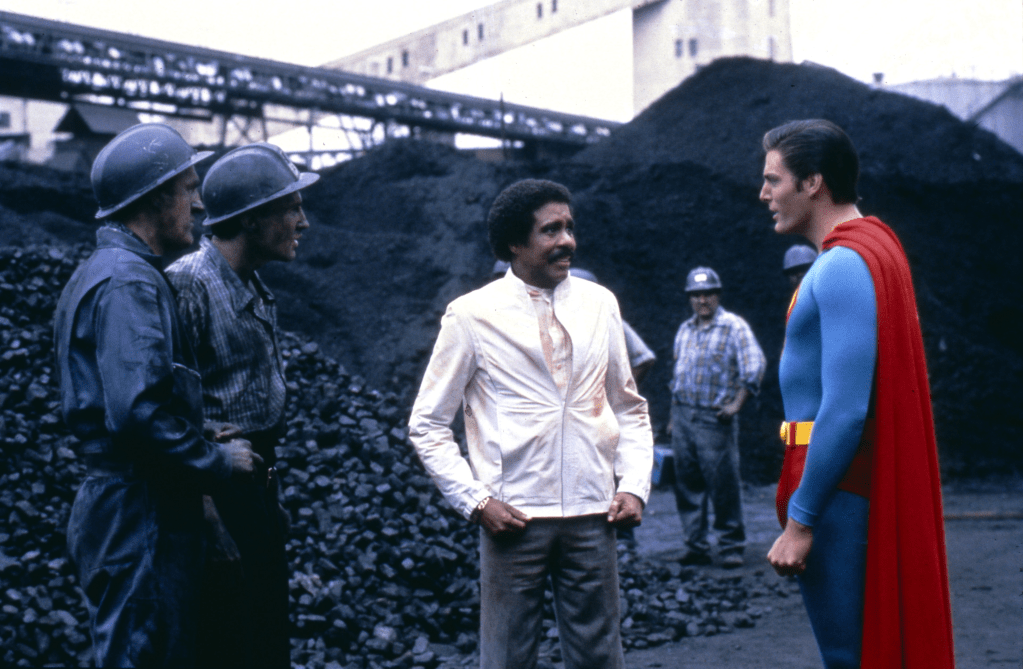
As you would expect, just like the last time around, Superman III had quite a bit of a rocky production! From disagreements on the script/budgeting to the cast feuding with the producers, it was not a smooth ship sailing to theaters in 1983! And unfortunately, it is very noticeable when you look at it on the screen! The effects looks worse because of it’s cheaper budget, the action as much less thought put into it with no weight, you have supporting characters that serve no purpose other than to be the comic relief (Poor Richard Pryor!), and it has little to no connections to the first two Superman movies!
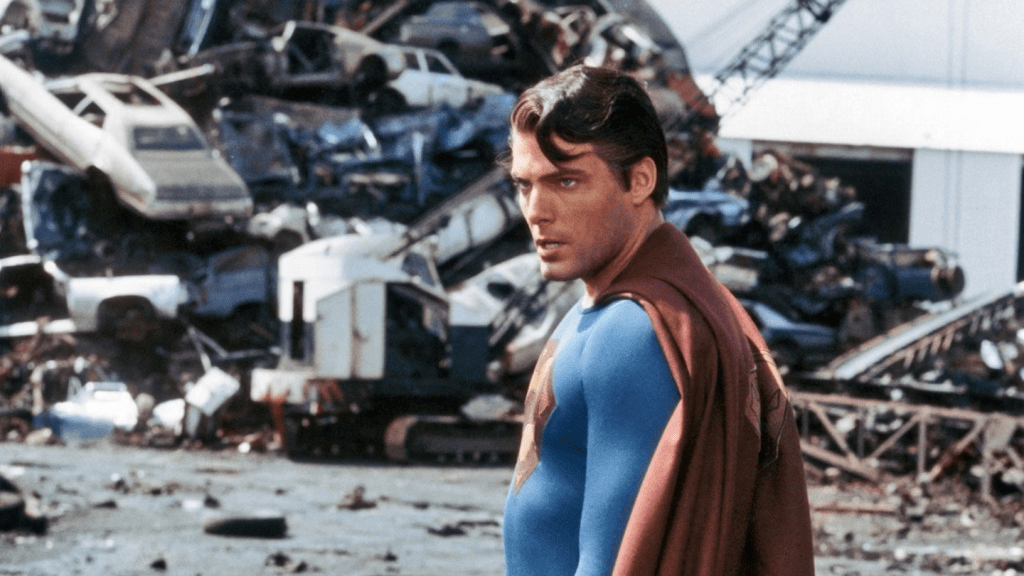
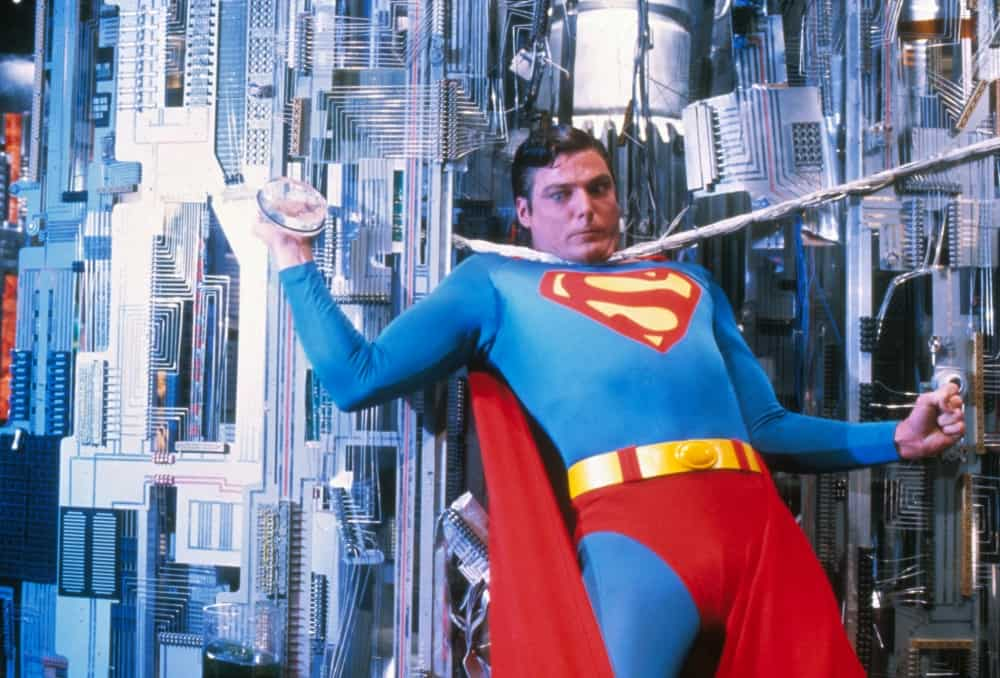
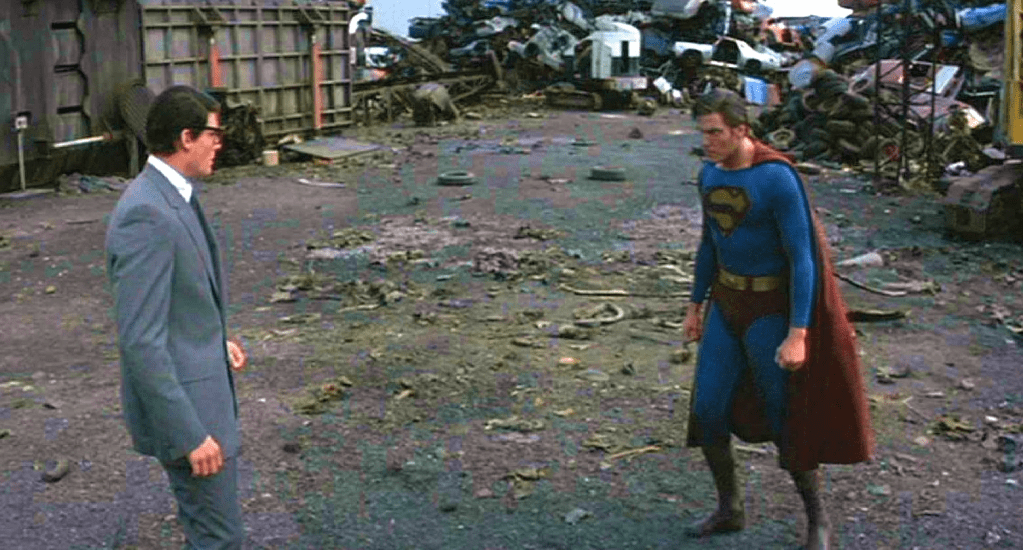
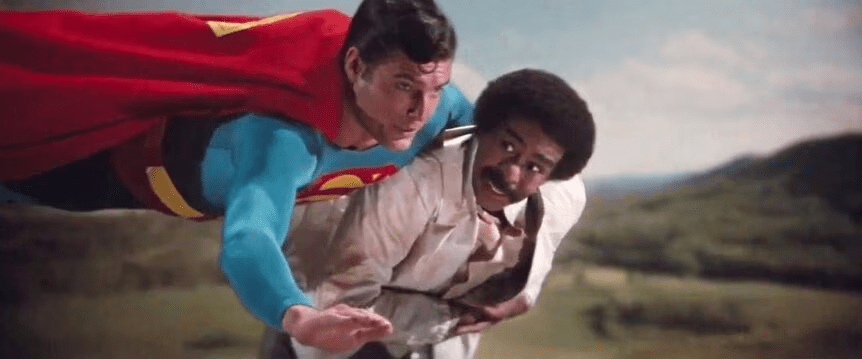
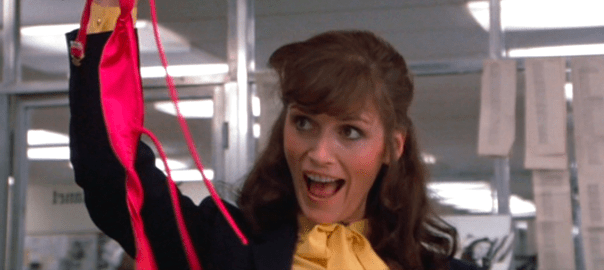
All you have to do is look at two separate scenes in regards to how tonally all over the place in Superman III! Sometimes it’s all silly and goofy and other times, it gets dark really quickly!
Does those two scenes feel like they belong in the same movie? No, no they don’t!
Granted having a film be funny and dark CAN work if there is a properly balanced tone throughout and if the movie had an actual functioning brain in it’s head, knowing when to be funny and when to be serious! But, there in lies the problem!
Superman III does the exact opposite of what the last two films did, it refuses to take itself seriously by any measures! There’s no tonal balance that director Richard Lester is able to control, no genuine enough stakes to get invested in, and the only stand out sequences are the ones that are either obnoxious silly or obnoxiously serious! This is what you get when you become a self-parody!
For as much as other Part Three films have floundered, they at least did so because of a desire to try to top the bar the previous two films set up, only to end up having the whole foundation crumble right in front of you because of overreliance of your own ambition. Superman III doesn’t even attempt to be in the same wheelhouse as Superman: The Movie or Superman II. It has no desire to be a logical continuation of the first two films or offer an interesting expansion on the world of Superman. I’m willing to bet if you watched the first two films and watch this one without knowing it’s suppose to be the third Superman movie with Christopher Reeves, you would NEVER guest this was suppose to exist in the same universe as the prior two Superman movies. The tone is much different, the scenes feel much more weightless, the characters are giving much less to do, and the whole thing it seems to have room for is ridiculous action and gags throughout.
At times, Superman III feels even more of a soft reboot than even Superman Returns (I’ll certainly go into that more once the time comes!). It just exists in it’s own, immature bubble without a care in the world of honoring it’s title character or even trying to function in it’s own sandbox. It’s just well….. a self-parody!
It’s hard to tell if how much of the studio politics played into the decision making of the film, how much of the film was what Lester wanted, and/or if this film would have even been made at all if Warner Bros wasn’t able to overpay Christopher Reeve to get him to come back, but Superman III follows victim to many disappointing threequels out there, forgetting what made it’s franchise successful in the first place and crushing the entire foundation in the process. What makes this third chapter stink more than most of them though is it’s lack of desire to be as engaging, interesting, or entertaining as the previous two Superman films were! That’s what you get when you become a self-parody!
With a mostly negative reception from fans and critics alike and a disappointing time at the box office, you would think this was the end of the Christopher Reeve run of Superman. Believe it or not, that wasn’t the case! There was actually one more film! A film that somehow managed to be even worse than this one and be up there as one of the worst superhero films ever!
Tune in next time and I will tell you ALL about it!
Director’s cuts for films tends to be a big talking point nowadays with film discourse. Whenever a highly beloved/controversial director takes their jab at directing a film from a well-known IP, questions always spur online about how much of the finished product is actually theirs to behold. Was the finished film one in which the director themselves had in mind from the start or is it just what the higher ups at the studios wanted it to be? With studios and producers having more a say on a final film product than ever before, that question tends to get ask every time a big film comes out when it lacks overall quality!
Of course, there is no director more famous/infamous with only being able to get the exact vision they intended with a film than Zack Snyder. Nearly EVERY single time a film of his has come out and it’s not well received by critics or general audiences, the immediate reaction from Snyder and his fanbase is ALWAYS about how his original cut was much better and you need to watch that in order to get the full satisfying motion picture. From Watchmen to Batman V Superman: Dawn of Justice to Justice League to new Rebel Moon movies, there is no one that loves the word “Director’s Cut” more than Zack Snyder himself. Although I will be talking about his full director’s cut of Batman V Superman and Justice League later on in the marathon, it does give the indication as to how much someone’s opinion on a movie can change drastically when they see what the person behind the camera intended all along.
However, there are some instances where director’s cuts tends to be VERY complicated. Not necessarily that the entire quality of the motion picture changes on a dime but the way that a certain director decides to tell the exact same story in an entirely different way than someone else does. And this exact example I will be talking about today is no other than with Superman II.
As you could tell based off the title of this piece and my intro, Superman II featured a lot of different changes from both the original 1980 film and it’s sequel. After the massive success of Superman: The Movie, Warner Bros demanded a sequel ASAP. However, the production of it’s sequel went through it’s fair share of shake-ups, controversies, and mass difficulties in getting a quality product in theaters and even when it came out of theaters. Because of all this and more, Superman II was the product of two different directors, Richard Donner and Richard Lester. Yes, both directors have the exact same first names. I do NOT believe that was a coincidence whatsoever.
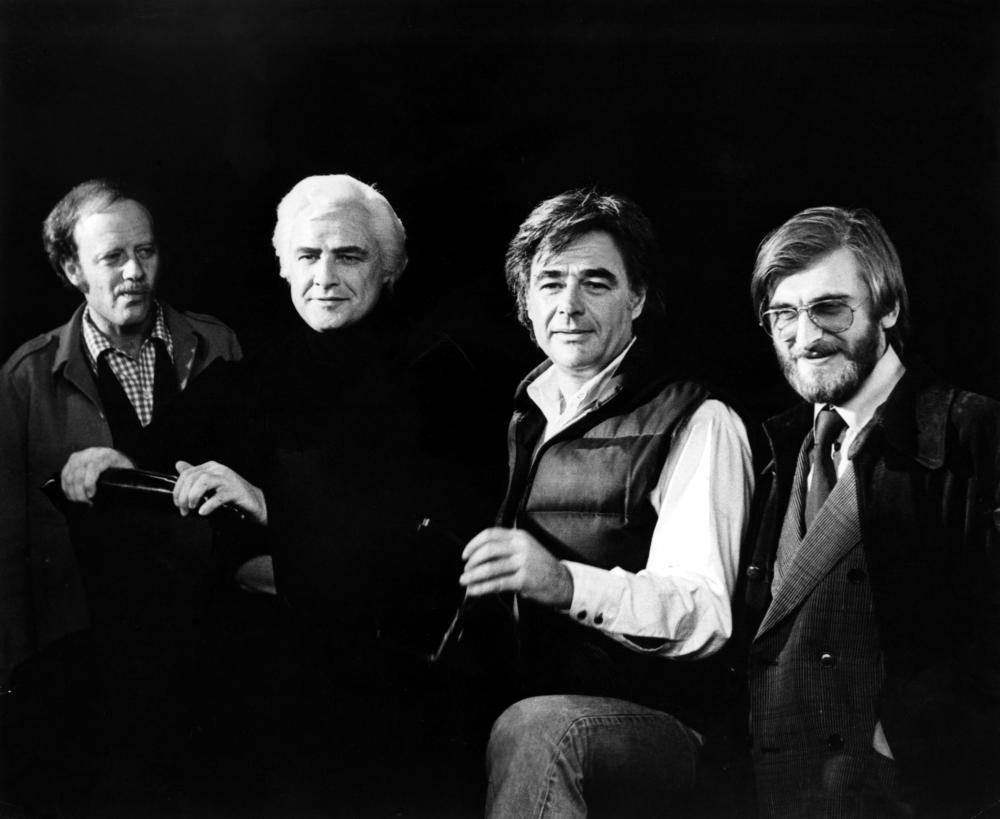
Following the success of the 1976 film The Omen, Donner was hired by WB to direct the original Superman movie along with it’s sequel. And to make sure that deal would be met, both movies would be film back-to-back simultaneously. However, tensions arose between Donner and the producers behind the films, particularly the father-son duo of Alexander and Ilya Sakling and Pierre Spengler. From clashing visions to scheduling conflicts, things became a mess from behind the scenes. It got so bad that the producers decided to bring in Richard Lester as a “co-producer”, A.K.A. a back-up director, and basically told Donner to just finish the first film and let them deal with finishing the second film. After Superman: The Movie became the hit that it did, the production of Superman II resumed but with Lester now behind the camera. Although, Donner had already shot 70% of the film, Lester had to go back and reshot much of the film, radically changing the tone and several sequences, just so he could get full director’s credit for Superman II.
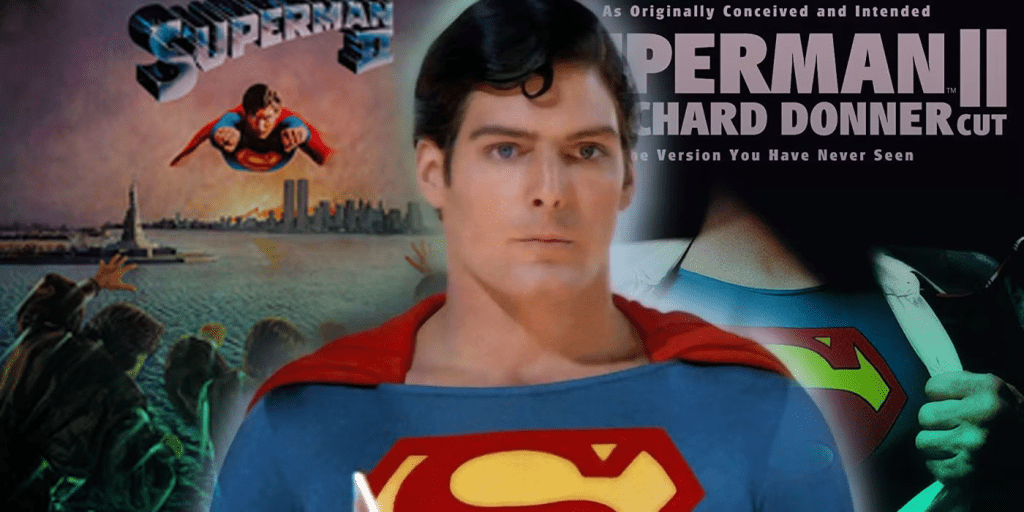
So, yeah! That was quite a chaotic history involving the making of the second cinematic installment involving the man of tomorrow! Although Lester’s version ended up being a box office hit with a mostly positive reception, interest grew of what Donner’s original version of Superman II was like. And considering we were now starting to enter the era of DVDs and re-releasing films with extended or director’s cuts, what better time than any to release a cut of Superman II in which Richard Donner had his full name on the cover.
Unfortunately, despite high demands and a fan campaign asking for Warner Bros to release the Donner cut for the film’s 25th anniversary, they were unable to do that because of complicated reasons. With circumstances such as Marlon Brando suing the studio over royalties, which prevented his likeness being used, Richard Donner having never completed actually filming the whole movie, and the man behind the camera himself admitting he didn’t really have an interest in releasing one, it seemed highly unlikely that it would ever see the day. However, by the time 2006 came around, things changed and the studio actually gave into the demand, releasing the “Donner Cut” of Superman II on DVD.
While the Donner Cut was being assembled, an attempt was made to restore as much original footage of Donner’s original vision as possible. After all, some of Lester’s footage was needed to make the story feel actually coherent, being able to fill in the leaping gaps and create a proper bridge between Superman: The Movie and Superman II. Even though he wasn’t able to save his 100% vision due to the film being WAY too late to go back and reshoot, Superman II: The Donner Cut still remains one of the more unique director’s cuts of any mainstream film that has ever been released.
Instead of feeling like a complete finished film, it comes across as more of a “what if”. What if Richard Donner had full control from start to finish? What if he was able to film the two movies back-to-back fully like he intended? Well, the answers we got to those questions involves a director’s cut of Superman II that features several major differences from the film that was released in theaters back in the early 1980s.
Because of that, let’s take a look at some of the key differences between The Donner Cut and the Theatrical Cut.
More Sincerity, Less Comedy
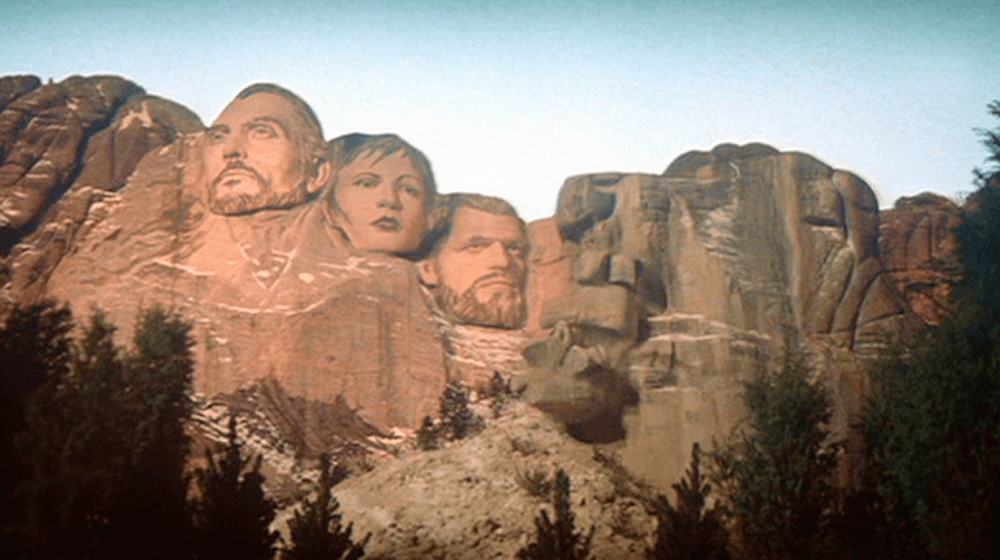
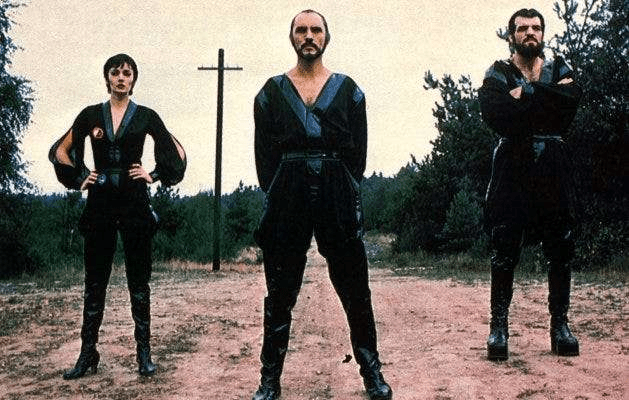
Richard Donner has always viewed Superman as a modern mythology. Because of that, Superman: The Movie and his cut for Superman II reflected that, with a more serious approach to it’s subject matter and means of telling it’s story. Sure, the film definitely contains enough of a sense of humor, especially when compared to say…..Zack Snyder’s Superman, but for the most part, it’s a more serious, albeit sincere tone throughout the entire film. With Lester on the other hand, it was quite different. You have all the funny business with Lex, Non, the evil Kryptonian that doesn’t talk, acting like an overgrown baby, shots of civilians in the city during the final battle, one which involves a guy with roller skates and another guy talking on the phone, and the Kryptonians putting their faces on Mount Rushmore. Donner, on the other hand, cut most of the jokes that he probably felt cut the tension with each individual sense and just got right into the meat of them.
While I’m fairly certain this is more of a studio mandate rather than what Lester wanted personally, I say I prefer Donner’s take on what the tone of the film should be here. I like how he decided to take things more seriously without going too far and be able to incorporate a sense of humor when the film requires it. I guess we now know which superhero film to ACTUALLY thank for all that awkward humor that’s always thrown into every MCU film since 2012!
More Epic In Scale, Less Action
Just like the first thing, I imagine this was more of a decision from the studios to add more action scenes into the theatrically released film and less so on the director himself. Warner Bros craved to add in more action into the picture and less of the slower moving parts with certain scenes being too stretched out. Because of that, we get more mythical Normal Rockwell-esque Visuals with the Donner Cut and less of that mythical cinematography in Lester’s cut. And also because of that, we get more added in action in the theatrical version compared to Donner’s version.
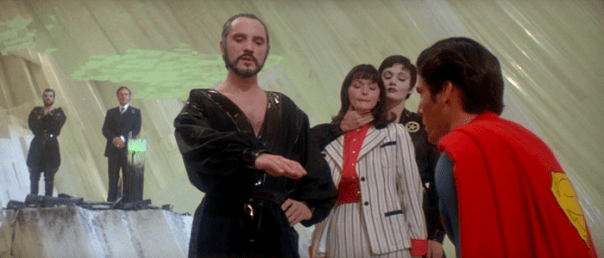
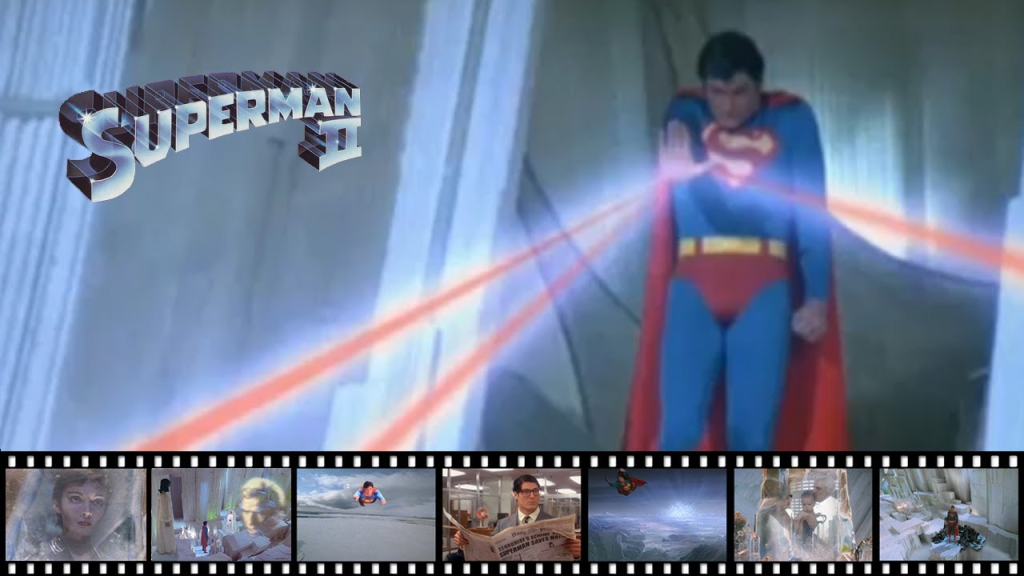
The biggest example of this comes with the big fight in Metropolis between Zod, his minions, and Superman. This is a fight that ends with Superman running away and luring them to the Fortress of Solitude. From there, Superman tricks them into depowering themselves by reversing the effects of the crystal chamber. In the Donner version, it cuts right to this bit. In the Lester version, there is an additional fight scene added in the Fortress of Solitude first.
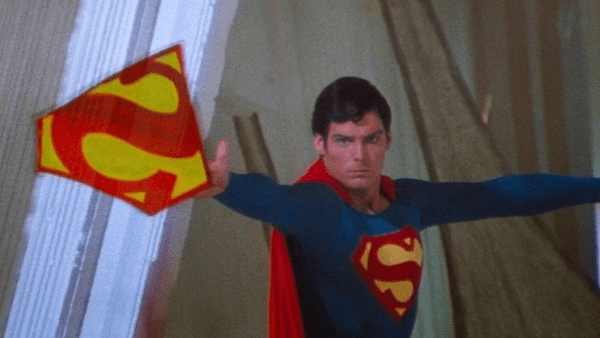
While I can understand the crave for more action in your Superman movie, the way that Lester went about to get more action really devoid the film of eternal logic. The Evil Kryptonians can now just suddenly teleport and shoot energy beams while Superman is now able to create holographic duplicates of himself. Not to mention, the bizarre power when Superman peels the “S” off his costume and hurls it onto Non like a big blanket. I like action but not if it comes at the cause of the actual quality of the film. Because of that, point goes to Donner here!
More Music From Superman: The Movie Instead of The Score From Superman II
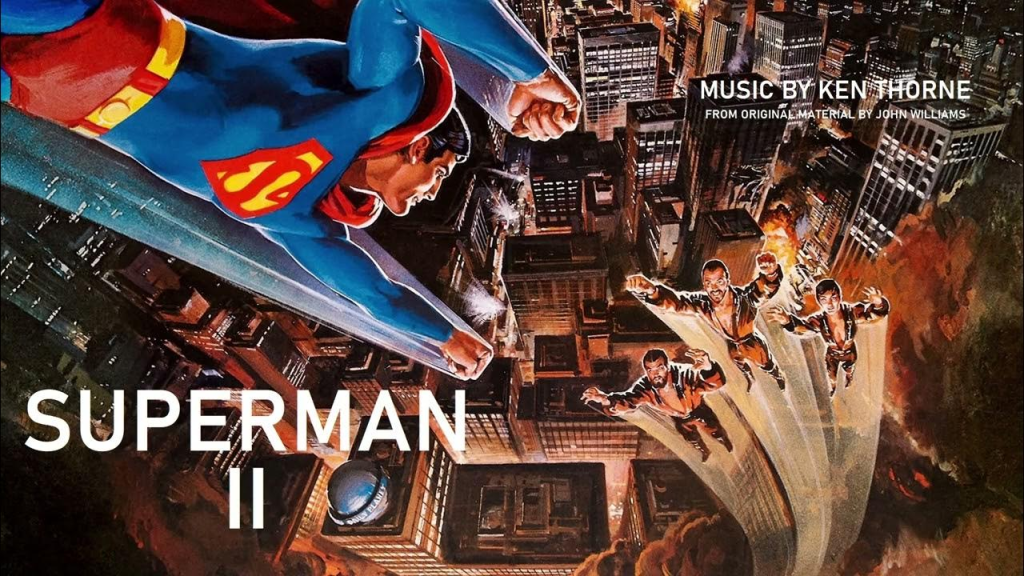
As if the clash over Donner and the producers wasn’t insane enough, a similar thing happened in the production for Superman II with the legendary John Williams. While he was originally slated to score Superman II, Williams ended up getting into a feud with Lester after Ilya Salkind left the projection room. When he returned, John told him that he couldn’t get along with Lester and exited the film. To take his place, Lester brought in his frequent composer Ken Thorne. Because of that, Lester’s version offers a much different and more energetic score this time around, feeling like a composer’s own vision instead of trying too hard to match Williams. However, in Donner’s version, he reuses most of William’s score from the original film instead of using Thorne’s score from the original theater cut.
While I hate the circumstances leading to the situation, I give credit to Lester for being able to make the soundtrack work and feel like it’s own thing compared to the first film. No one is ever gonna top John William’s magnificent Superman theme from the original but the score here works well enough. And while I can definitely see why Donner would prefer to do more of William’s score instead of Thorne, you do get a sense that some of the tracks don’t match certain scenes the way they should and comes across as being overedited sometimes.
More Rough Around The Edges
This difference is a bit obvious but Lester’s version certainly feels more like a complete vision than with Donner’s. While The Donner Cut offers an interesting look of Superman II from the man that made the original such a classic, it doesn’t come off as a finished product. Had Richard been able to complete the Superman sequel that he started back in 1979, it would’ve certainly looked much better. However, with The Donner Cut that released back in 2006, it is simply the best he could do over 25 years later. Much of Lester’s footage remains in the film because it was needed to tell the full story, with a bit of jarring test footage in the middle from Donner thrown in for good measure.
While we’ll never know how a 100% version of Superman II would’ve looked like under Richard Donner, he still did the best with what he could do given the minimal material he had left to work with decades later. Even if I do like most of Donner’s ideas more, I do think by the end, Lester’s film ended up with the superior film, largely due to the fact that it feels the most complete and finished.
More Lex Luthor
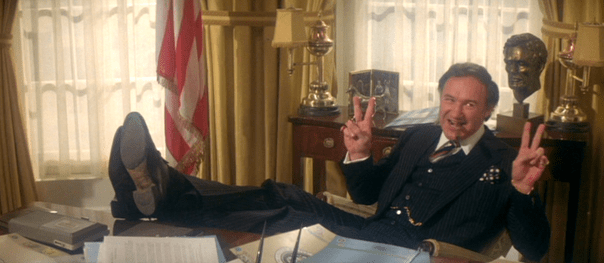
Once Lester came on board to do reshoots for Superman II, Gene Hackman was reluctant to do any of them without Donner. Because of that, Lester could only use what Donner already had with Lex Luthor and just roll along from there. He had just enough of Lex to tell story and nothing more. In the Donner Cut, Luther is given a slightly bigger role than before. With more emphasis on the funny business with Lex and his co-workers, Hackman is given a bit more of a screen presence than he did in the original theatrically released version.
While I still wish Hackman was given more to do as Lex this time around, I’m glad Donner was able to salvage what he could and have Luthor contribute a bit more to the plot than he did with Lester’s cut.
Lois Lane Is Much Smarter
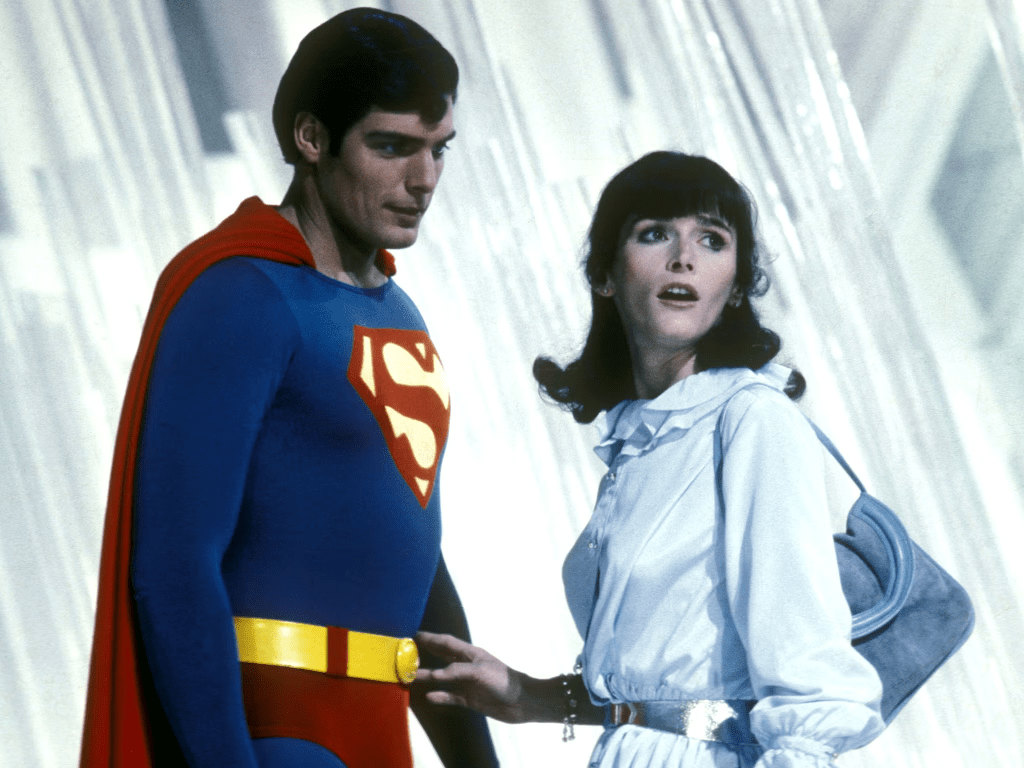
Lois Lane is a very smart character, perfectly matching the wits and skills of her counterpart, Clark Kent. So much so that Lois is able to discover the realization that Clark Kent is indeed Superman himself, something which no one else was able to do. At the end of the original film, Lois briefly notices the resemblance between Clark and Superman but just hand waves it off. In Donner’s version, this thread immediately continues with Lois scribbling some glasses on a picture of Superman, realizing that Clark Kent and Superman might just be the same person. To prove this claim right, she jumps out a window of the building of The Daily Plant to make Clark save her. But Clark is able to convince her that he isn’t Superman. Once the two are at Niagra Falls, Lois spots Clark without glasses and yet again suspects that he is Superman. Later at the hotel, Lois shoots a bullet from a gun right at Clark Kent, which nothing happens. After that, Clark admits that he’s Superman and Lois admits that the gun only had blanks. In Lester’s version, the first time that Lois suspects that Clark is Superman is at Niagara Falls. It’s only when they are at the hotel, Clark drops his glasses into a fire and retrieves it without burning himself, revealing to Lois that he is Superman.
Both of these takes work in their own right but I find myself leaning more towards Donner’s version here. With the way it builds upon Lois flirting around with the fact that Clark Kent and Superman might be one of the same from the first movie, Donner’s feels more of an organic follow-up to Lois’s development. Although, Lester’s version looks much better since Donner never actually got to film the scene in the hotel. Instead, he had to set for a repurposed test footage with Christopher Reeve and Margot Kidder respectively. While it works fairly well, the sound and performances do feel off and the continuity doesn’t mix and mash with the rest of the film.
Marlin Brando Returns
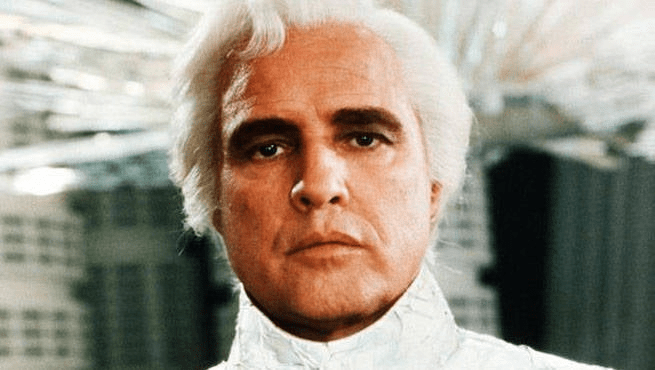
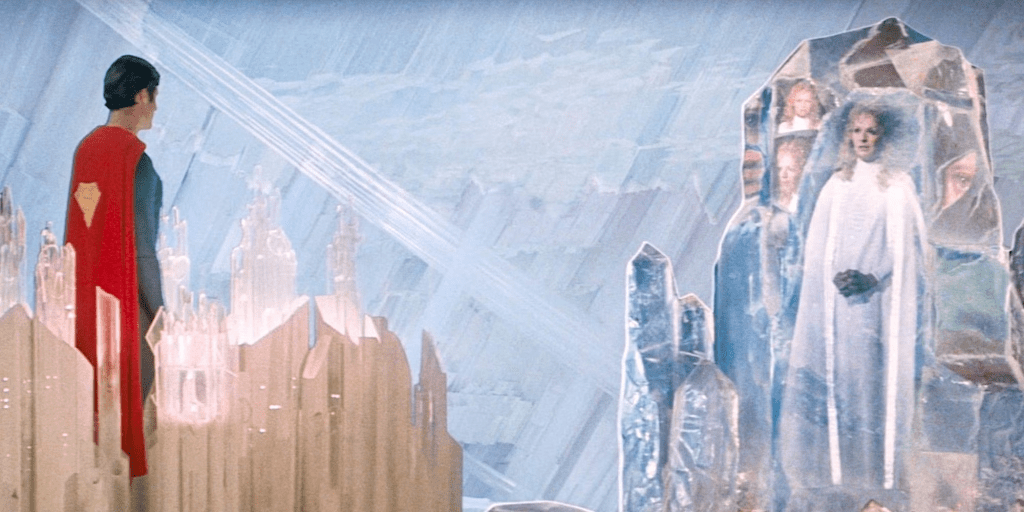
In the Donner Cut, Marlon Brando returns as Jor-El where he basically plays the same role he did in the first film. He mostly acts as a driving force for Kal-El, offering guidance to his own son beyond the grave. In the Lester Cut, Jor-El was replaced by Superman’s mother, Lara, played by Susannah York. The reason he doesn’t show up in Lester’s version is because after Superman: The Movie became a massive success, Marlon Brando sued the producers because he was owed nearly 12% of the box office revenue. Because the studio refused to pay him for any of the box office revenue for the sequel , Brando’s scenes had to be reshot in the theatrical release with Lara instead. Thankfully, Warner Bros was able to work out a deal with Brando to put himself back in Donner’s version.
Giving the circumstances, I think Lester did very well with what he could do. Plus, it did make sense to have Superman’s mother be a guiding force for him in his version, while the original film had Superman’s father play that same role. I don’t mind either one here but I do wish for an outcome that had both of Superman’s parents acting as that special emotional support for their son beyond their death. When thinking about what would act as a proper mirror of the original, I’d say Lester wins here. When it comes to acting as a part of Clark’s development here, I would probably go with Donner here.
Zod And His Crew Escape In Different Ways
In the Donner cut, the movie starts with a recap of the previous film, which ends with Superman carrying a nuclear missile out int space. It’s the shockwave from that missile that hits the Phantom Zone prison and allows for the evil Kryptonians to escape. In the Lester Cut, Superman stops a terrorist attack in Paris by tossing a hydrogen bomb into space, which frees the evil Kryptonains.
It’s mostly a minor difference but Lester’s cut at least gives Superman an actual reason to throw yet another bomb into space, just like he did at the end of the previous film. And with the way both cuts recaps the begin of the previous movie, Donner’s version does better at showing how exactly the events from the previous movie leads into it’s sequel. Unlike with Lester’s version, which comes across as more of a prologue read by the narrator of a tv show, telling viewers what happened in last week’s episode. Tough call, but I give the slight edge to Donner on this one, with at least having the beginning feel more consistent with the previous film.
Why Superman Gives Up His Powers
In both versions, Superman gives up his superpowers to be with Lois Lane. In the Donner Cut, Superman admits to himself and his father Jor-El that while he’s being selfish, he just wants to relax and be happy with another woman. His father argues that his son can NOT favor one human over the rest of humanity. Feeling he can no longer serve humanity in an objective way that would make his parents and himself proud, he gives up his powers. In Lester’s cut, Superman talks with his mother Lara instead. The conversation is much shorter, with Lara telling her son that if wants to be a mortal, then he must become one.
If we are looking through the perspective of what’s the right thing for Clark Kent himself to do and he achieves it, then Lester’s cut wins here. If we are looking through the perspective of what’s the right thing for Kal-El himself to do and he does the exact opposite of that, then Donner’s Cut wins. For the benefit of Superman’s overall arc in the film, I give this one to Donner!
No Magic Kiss
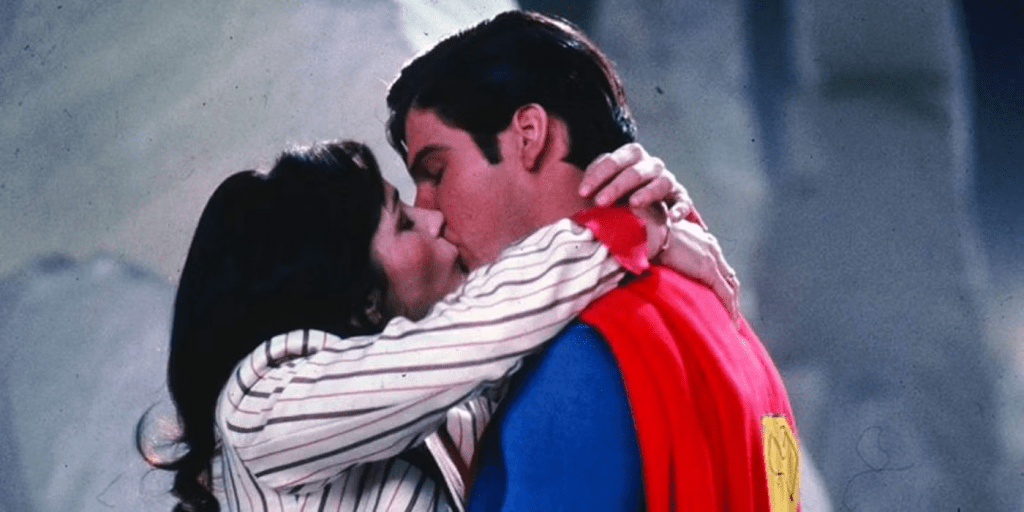
And lastly, the magic kiss is NOT presented in the Donner Cut. In Lester’s Cut, Superman II ends with Lois’ memory of knowing Clark Kent is Superman is wiped away in the form of a magic kiss. However, with the Donner Cut, Lois’ memory gets wiped by Superman flying around the world and rewinding time back before Lois figured out he was Clark Kent. It’s basically the exact same ending as Superman II except nearly the whole movie gets reverted back to square one.
As much as both ending come off as cheap plot gimmicks and glorified deux ex machina, I honestly believe Donner’s version is even worse, making the whole film feel like it never happened and undoing all the character progression like it’s some glorified Saturday Morning cartoon that prohibits progression in it’s story. The magic kiss is cheesy but I’ll still take that over a lazy rehash of the ending of the first movie.
I think you can now see why your experience with Superman II can be quite different by watching both of these cuts on their own terms! And that’s not even going into the two other notable cuts of this movie: 1.) the fan edited version that combined the best of both Donner and Lester while trimming the notable fats from both version and 2.) the ABC televised version that added 19 minutes of footage to the theatrical release, including alternate scenes involving Lex Luthor and an alternate ending. When putting all of that together, there’s not just one, not two, not even three, but FOUR different versions of Superman II you can watch. Not even Zack Snyder can dream of having THAT many cuts for just one feature film!
I will say despite the two different versions of Superman II that I’ve seen, my opinion on the film is largely the same. In the sense, that it’s a very, VERY good sequel that perhaps falls JUST shy of the greatness the original film had, largely due to these conflicting directorial visions, confusing character motivations, and feeling the need to pull it’s punches more times than not. Even so, I will say that I still would consider it to be the second best Superman movie to date (unless my rewatch of Man of Steel or Zack Snyder’s Justice League changes my mind).
Had we got one complete version from either Richard Donner or Richard Lester from beginning of production to the very end, then I think we could have gotten a perfect follow-up to Superman: The Movie, acting as that perfect two-part story figure that Christopher Nolan got superbly right with Batman Begins and The Dark Knight many years later. Instead we can only imagine what would’ve happened if either one of these gentlemen got both of their hands on this sequel from the very start!



 Adam's Blog