Ranking The Superman Movies

At long last, Superman (2025) is now out in theaters, the first standalone Superman movie in over a decade and the first film set in the new DC Universe! Because of that, we now have ten films that have Superman in a large prominent role to rank from worst to best!

Superman has to be one of the most complicated superheroes in the history of DC Comics! While he is perhaps the most iconic superhero of all time, representing hope, optimism, and kindness in ways that no other superhero out there has, his films have had a long road of inconsistency and downright disappointment! There are certainly greatness to be sure but when looking through the entire filmography with Supes, you can definitely tell he has certainly NOT been given the love and care that say…..Batman has been given throughout his history in cinema!

Even so, we have ten movies to rank so let’s get right into ranking them!

10.) Batman V Superman: Dawn of Justice
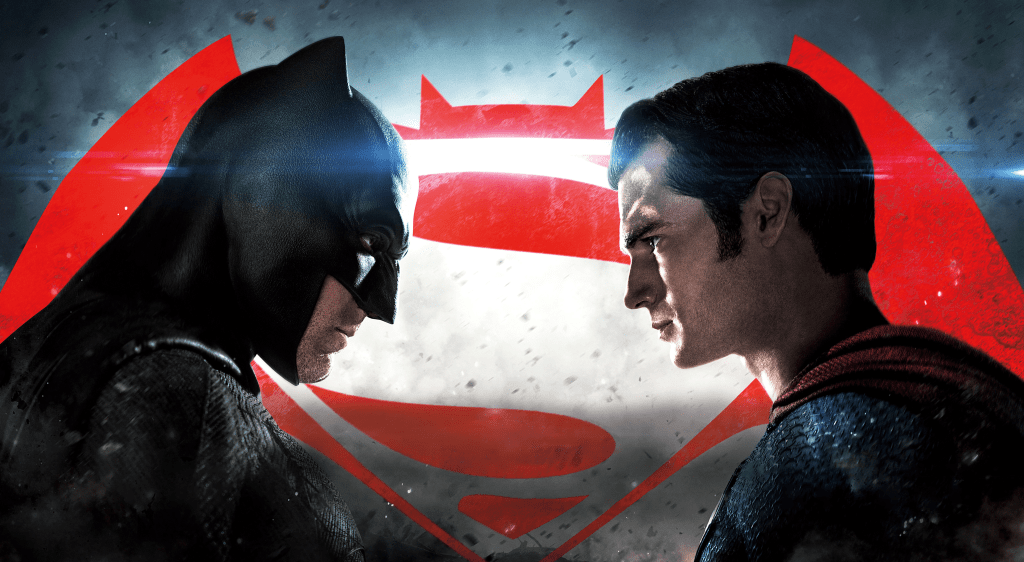
Nine years later, I’m still in awe how you take a crossover with two of the most well-known comic book heroes in Batman and Superman and make it so dull, lifeless, and joyless. Dawn of Justice is a film that wants to comes across as the most grand and ambitious movie every made, but when you look deep into it, this movie actually doesn’t have much to say on anything it’s talking about. Other than trying to cram two to three movies worth of material into one film, there’s nothing really risky or daring here and it’s so-called themes have been done much better in plenty of other superhero films. The plot is a convoluted mess no matter which version you watch, all of the Superman characters from Clark to Lois to Lex Luthor to Doomsday are all done INCREDIBLY dirty, and the conflict between Batman and Superman is so incredibly ridiculous that it could have been avoided if they would just simply talk to each other.

Ben Affleck is fine as Batman and there’s a few standout moments here (The warehouse fight scene and Wonder Woman’s first appearance are all-timers) but that’s nowhere near enough to save this turd of a film. Even the ultimate edition which many claim “saves” the movie really just has more of the same things that were wrong in the first place, aside from being pacing. If there is a clear difference between ambition and aimlessness, then Batman v Superman: Dawn of Justice certainly strikes the finest line yet between those two definitions with results that fit more of the latter than the former.

This is a movie so bad that it not only arguably killed the DC Extended Universe before it even got going but also caused big damage to Superman’s reputation in pop culture, leading an entire generation of folks who firmly believe THIS is what Superman was always meant to be like when it’s absolutely NOT! I know tomatoes are going to be thrown at me for putting this at the very bottom but I’m sorry! When looking at it as both a DC superhero movie AND a Superman movie, Batman v Superman: Dawn of Justice (Both the theatrical and ultimate edition!) is an epic failure on every level!

9.) Superman IV: The Quest For Peace
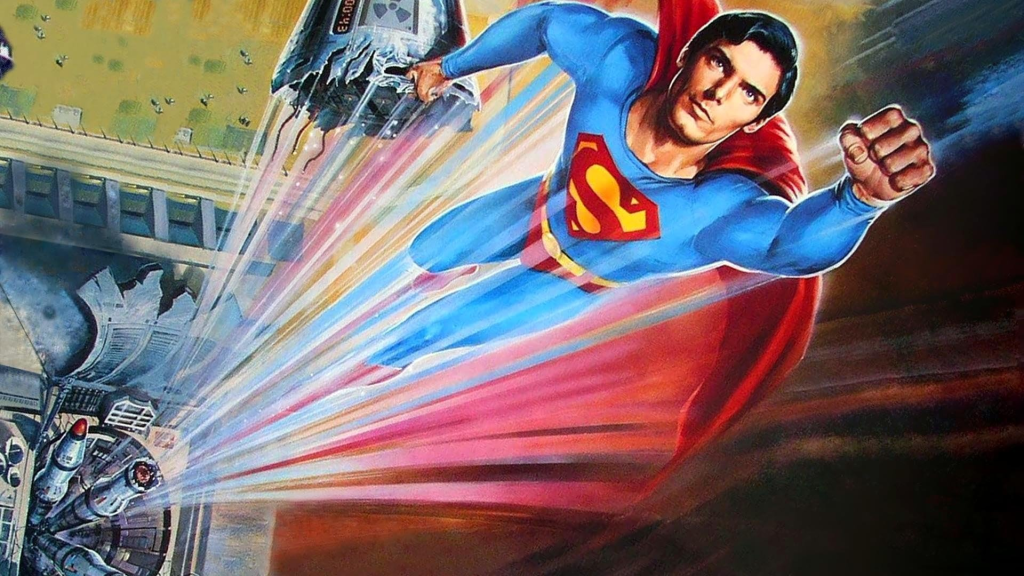
If you thought Batman & Robin was the perfect example of superhero movies hitting rock bottom in the pre-21st century, then you should check out what they did to Supes in Superman IV: The Quest For Peace. Not only is this easily one of the worst superhero movies ever, it’s by far one of the worst main budgeted movies ever made. Even at the time of it’s release, the flaws that is presented on screen are so glaringly obvious!

It looks incredibly cheap with clearly unfinished special effects, obvious green screen, lazy as hell editing, and absolutely godawful transaction from one scene to the next. Throw in an absurdly stupid script, laughable dialogue, social/political commentary that doesn’t work in the slightest, no sense of logic, sense, or flow to anything happening on screen, and incredibly phoned-in performances and you get quite the big shitty picture. Even if you can argue that this film should be seen as a “so bad it’s good” kind of movie like Batman & Robin, the latter looks like an effing Stanley Kubrick film compared to this trainwreck!

With Quest For Peace, this represented Superman at his absolute low point back in 1987. Not only was this when audience stop caring about Superman but even Warner Bros themselves stopped caring for him too. This was so bad that it had take nearly 20 years for Superman to returned to the big screen because of how much this film (and the previous one) had tarnished his reputation! What an absolutely crappy end to easily the best Superman ever in Christopher Reeve!

8.) Justice League (2017)
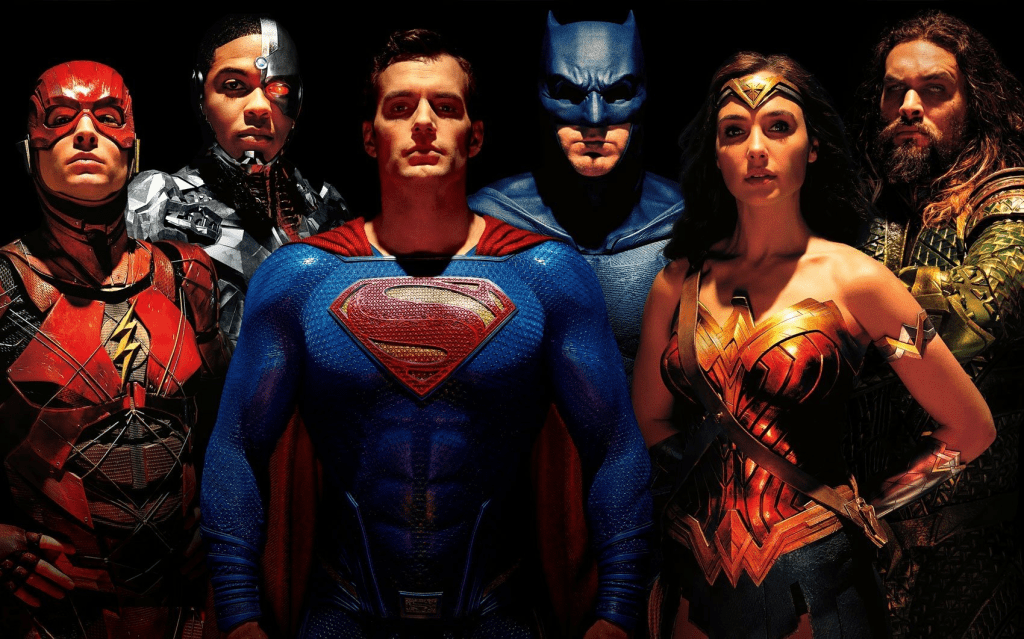
It’s unbelievable how not only the first ever live-action Justice League movie doesn’t work, but it has to be one of the most forgettable superhero movies ever made. It’s clear that Warner Bros and company where so caught off guard over the backlash that Dawn of Justice received that they brought in Joss Whedon, after Snyder stepped down in part due to the passing of his daughter, in the hopes of providing the same spark he gave to The Avengers. Not only is that course correction painfully obvious on screen but mixing the visions of Whedon and Snyder could not have led to more disastrous results.

This is like the equivalent of a superb Japanese anime getting butchered in the English version by 4Kids, filled with jarring editing, censoring, and scripting to make it more “kid” friendly. Justice League (2017) (also known as JOSStice League) comes across as more of a straight-to-dvd Avengers knock-off that you would find at the bargain bin at the Dollar Store than an actual Justice League movie. The tone is all over the place, the reshoots are as clear as daylight it’s embarrassing, and it’s edited into incredibly bite sized pieces that you can tell were only done just so the movie can finish under two hours.

A handful of moments (or at least the ones I can remember) are cool in their own right (It’s always cool to see Wonder Woman on screen saving people) and is is nice to see Henry Cavill represent a bit of Christopher Reeves here (despite it making no sense in the context of the universe) but it’s incredibly unforgiveable just how cheap, hollow, and unmemorable this whole experience is. When even a remix of Danny Elfman’s iconic Batman theme can’t win me over, you know your movie has failed!

7.) Superman III
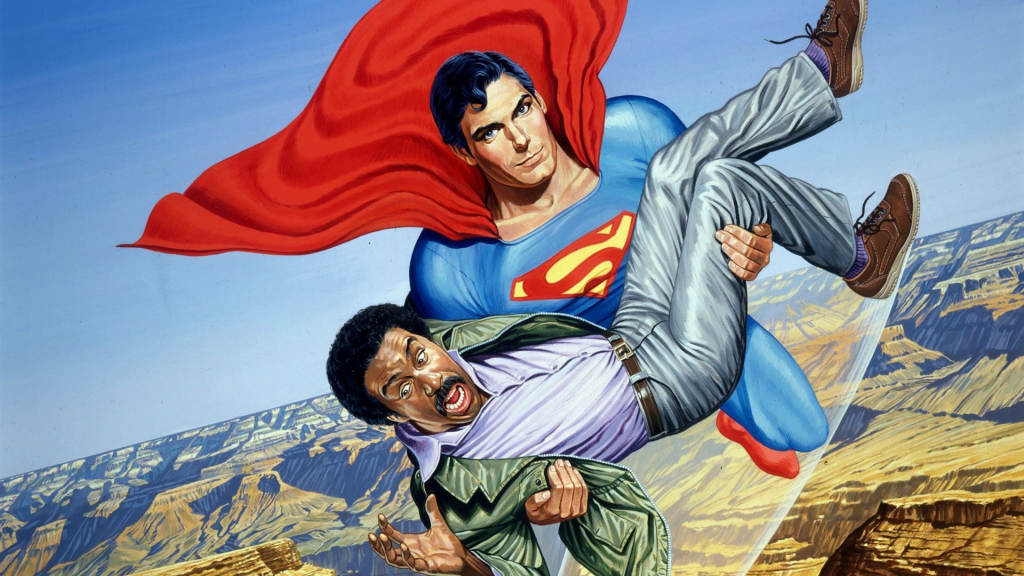
You ever heard of the term “third time’s the charm”? Well, that is CERTAINLY not how you can describe Supes’ third official film! Superman III was basically when the Superman franchise started to lose all of the hearts and wonders that it had from the beginning and started to descend to what it was never suppose to be. While the previous film had major behind the scenes drama that it was able to greatly overcome, the threequel with the man of tomorrow does the exact opposite of that.

Instead of having heart and wonder, it’s now just gags and slap stick. Instead of having important social/political commentary that resembles the world of Superman perfectly, it’s now just mindless action and explosion everywhere. Instead of intimidating villains that pose a real threat to our heroes, they are now just cartoon characters that you can’t take seriously. Instead of being smart, it’s now a self-parody! Putting all of this crap together, you get a complete mess in Superman III!

It’s hard to tell if how much of the studio politics played into the decision making of the film, how much of the film was what Lester wanted, and/or if this film would have even been made at all if Warner Bros wasn’t able to overpay Christopher Reeve to get him to come back, but Superman III follows victim to many disappointing threequels out there, forgetting what made it’s franchise successful in the first place and crushing the entire foundation in the process. What makes this third chapter stink more than most of them though is it’s lack of desire to be as engaging, interesting, or entertaining as the previous two Superman films were! That’s what you get when you become a self-parody!

6.) Man of Steel
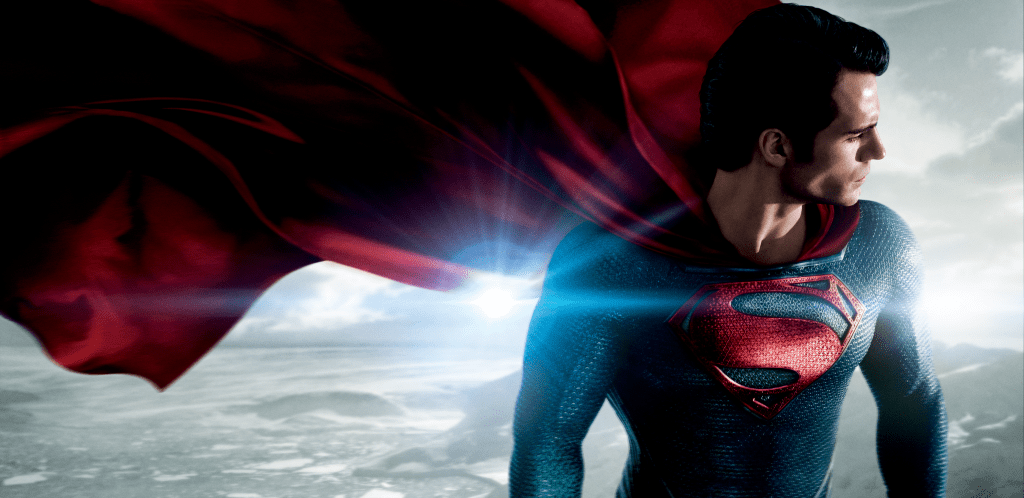
The DC Extended Universe kicked off in 2013 with one of the most polarizing superhero movies of all time in Man of Steel. Looking back on it nearly a full decade later, I can’t help but have INCREDIBLY frustrating emotions when it comes to this film. In terms of casting, tone, action scale, scope, and score, this is everything that a modern Superman movie should consist off. However, when it comes to the overall story, characterization, script, and structure, it misses the mark completely!

Most of the characters come off as plot devices and motivation for Superman than actual characters, the dialogue strikes a fine line between being poetic/inspiring and just plain pretentious, and it’s overall themes feel not so much explored but just told directly to the audiences. The action is dynamic, the cast do great with what they have to work with, and the scope and Han Zimmer’s soundtrack are off the charts that it’s almost good enough to convince you that you are watching a much better film than you actually are! The elements that work are absolutely great while the elements that don’t work really bring down the whole picture.

When looking at it’s own thing and the seeds it plants for the future, Man of Steel could have been considered a solid re-introduction to the character of Superman and one that could successfully redefined Superman to a new generation. However, due to it’s shortcomings and the movies which came after tripling down on the things that don’t work rather than what does, you can’t help but see wasted potential. As it’s own thing, Man of Steel might be functional on a surface level but not on a depth level. Henry Cavill deserved better than this!

5.) Superman Returns
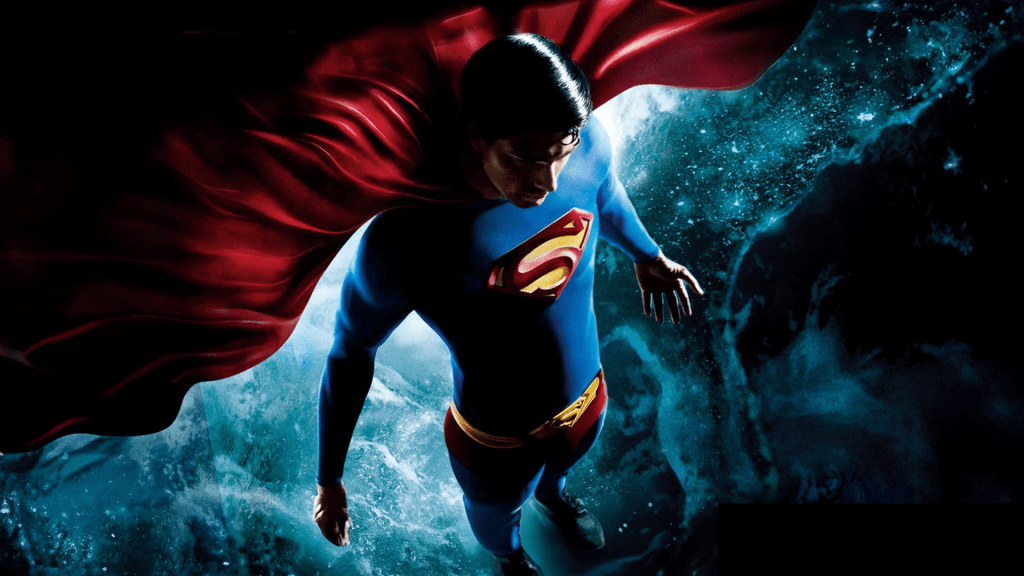
I’ve always had a complicated history with Superman Returns. It was the very first Superman movie I had ever watch from beginning to end. I couldn’t help but hate this movie and find myself hating Superman as a result. I just couldn’t fully buy into a superhero that’s all “Mr. Goody Two Shoes” and only has any important use as Superman but NOT Clark Kent. However, now that nearly two decades have passed by and seeing more bleak portrayals of the character as both a definite version and as a self-parody (A.K.A. Homelander from The Boys), I can’t help but have more respect in the way that Superman Returns portrays Superman.

It feels refreshing to see a film that is the cinematic equivalent of Superman/Clark being a friendly guy who saves people. It’s feels refreshing to see a Superman that always looks for the good in people and not just assumes the worst. It feels refreshing to see Superman have his own unique abilities and weaknesses without making him completely perfect. More importantly, it feels refreshing to see a Superman that completely embodies truth and justice. For all of the flaws that can be said for Superman Returns, this is the one element I can completely get behind. This might’ve not been the kind of Superman I (along with many others) was looking for back in 2006 but in the year 2025, I most certainly support it.

It’s unfortunate tho that Superman Returns is still a frustratingly mixed bag. It crosses the fine line between ambition and aimlessness by waiting to be the faithful third chapter to Christopher Reeve’s Superman that Superman III wasn’t while also wanting to work at it’s own standalone Superman film set in the 21st century. In so doing so, it undermines itself by failing to advance the characters the way they were back in the early 1980s and making them work in their own rights in the mid 2000s. With that amount of disconnect in terms of narrative, continuity to the prior movies, lack of action (outside of the amazing plane sequence) and failing to find an overall identity for itself along with the complete lack of action, Returns ultimately falls short of it’s notable good intensions.

4.) Zack Snyder’s Justice League
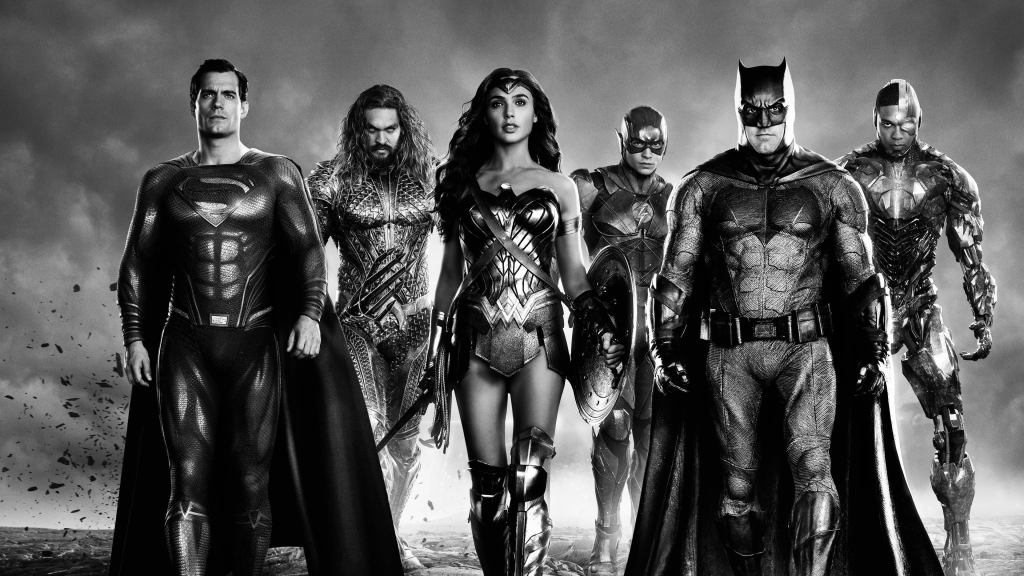
Because we live in some dark and twisted form of an alternate universe, Zack Snyder’s Justice League is a real thing now. Truth be told, even if you remove yourself from the toxicity that is the Zack Snyder fanbase (I won’t blame you if you can’t!), it’s actually pretty good with a lot more to like here than there is to hate. This is probably the one movie in the DC Extended Universe with Zack Snyder that doesn’t feel overly pretentious but more of just the man wanting to make the most epic Justice League movie he can possibly make. For the most part, he succeeds even if some of the faults from his other films are carried over here.

The first half is way too stretched out for it’s own good, feeling like Snyder is trying to get every single little frame of work that he desires in there regardless if it actually serves a purpose. There’s also the final fifteen minutes that feels more like a collection of post credit scenes rather than an actual epilogue. Even so, there’s good action set pieces, a nice & riveting score, memorable gorgeous visuals, and solid character interactions between all of the Justice League members, with Wonder Woman and Cyborg being the main standouts. And this also feels like the first time in Snyder’s films that the superheroes on screen actually act and feel like superheroes instead of just being all sad and mopey all the time. What a time to be alive!

While there’s still faults from the theatrical cut that are carried over here (*cough* Steppenwolf and Flash *cough*), this is certainly an improvement over the theatrical cut and should most certainly be considered the actual definite version of Justice League. If anything, this was about the closest that Snyder got to making a faithful and truthful Superman. At least here, he actually feels like a superhero that wants the best for humanity and now…..whatever the hell the previous two films portrayed him as. Warts and all, this is easily the best DC superhero film that Zack Snyder has ever made!

3.) Superman (2025)

At long last, James Gunn has arrived to save the day with his own take on Superman while also aiming to give DC a second leash on live with a rebooted cinematic universe, formerly known as the DC Universe. The good news is that Mr. Gunn is able to provide a Superman that not only resembles the character for who he is suppose to be at his core but also feels timely and warranted in our own bitter, cynical world we inhabit in today. The bad news is by wanting to start a cinematic universe here, it shows distinct cracks in the armor by overstuffing the film with multiple characters and subplots that don’t always work to their fullest potential.

The cast is all near perfect (the main trio of David Corneswet’s Clark Kent, Rachel Brosnahan’s Lois Lane & Nicholas Hoult’s Lex Luthor could not have played off each other better), the tone feels right at home with classic Superman, the spectacle is cool, and it even has those traditional superhero elements from earlier superhero films such as Sam Raimi’s Spider-Man (Lighthearted feel, comic book-like features, colorful superheroes, and an engaging romance) that I have missed in these kinds of movies for so long. However, the plot itself feels very overstuffed, with too many ideas and subject matter it wants to tackle all at once while feeling the need to shoehorned supporting characters that while cool, really don’t serve much purpose other than to set them up for future films and shows. It almost feels as if Gunn was forced by studios to cut down on the runtime so there could be more screenings, with the film lacking the extra 15 to 20 minutes it could have REALLY used.

Even so, Superman (2025) still presents us a Superman we can get behind and absolutely root for, acting as the perfect counter-culture hero who values kindness in a world that no longer calls for that. And after over a decade of Superman portrayals that have ranged from him being moody and depressed to being flat out evil, it’s more than refreshing to see Superman here being someone that represents hope, optimism, and has absolutely NO agenda other than wanting to be a good person that saves people. If that’s not how Superman should be, then I don’t know what is.

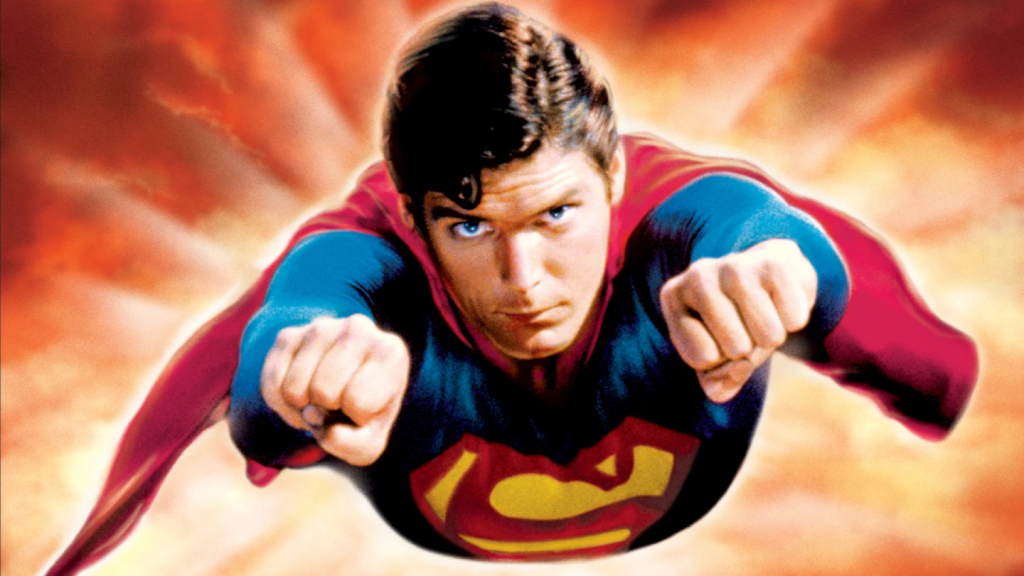
2.) Superman II

It’s nearly impossible to look at Superman II on it’s own terms when you take into account all of the behind-the-scenes drama that plagued it’s development. From director changes to studio interference to creative indifferences, the sequel to it’s largely successful 1978 game changing predecessor could’ve been dead on arrival. Yet, somehow and someway, Superman was able to prevail once again despite having basically everything stacked against him.

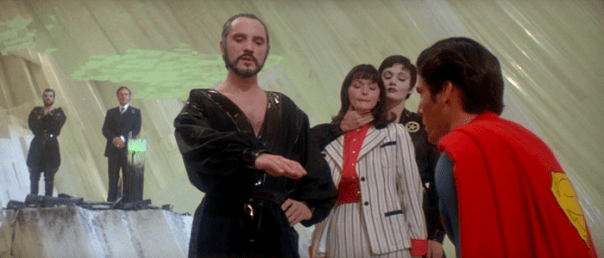
This is still able to continue to story of Clark Kent/Superman in a very respectful way, showcasing a vulnerable side of Clark in which he is forced to continue his life without his super powers, something which superhero films such as Spider-Man 2 took clearly inspiration from. The action scenes still hold up well, Zod makes for a very worthy foe to Superman, there’s plenty of nice humor thrown in, and there’s several emotional beats that pay off as well as it can. It’s just a shame that it’s hard to get the complete full picture of the “perfect” version of Superman II due to it’s troubled production and director changes.

I will say despite the two different versions of Superman II that I’ve seen, my opinion on the film is largely the same. In the sense, that it’s a very, VERY good sequel that perhaps falls JUST of the greatness the original film had, largely due to these conflicting directorial visions and feeling the need to pull it’s punches more times than not. Had we got one complete version from either Richard Donner or Richard Lester from beginning of production to the very end, then I think we could have a film that was even better than Superman: The Movie. Even so, I still would consider it to be the second best Superman movie to date and a worthy sequel to the original overall.

1.) Superman (1978)

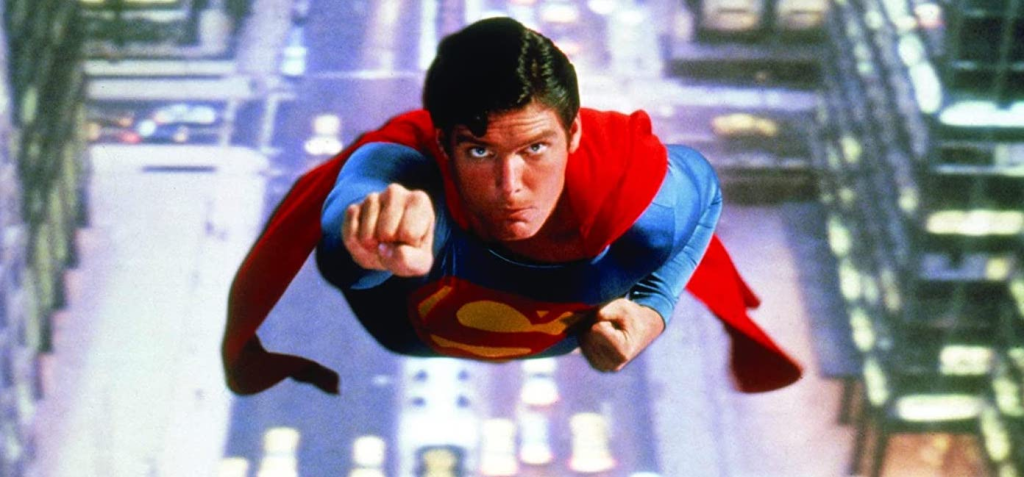
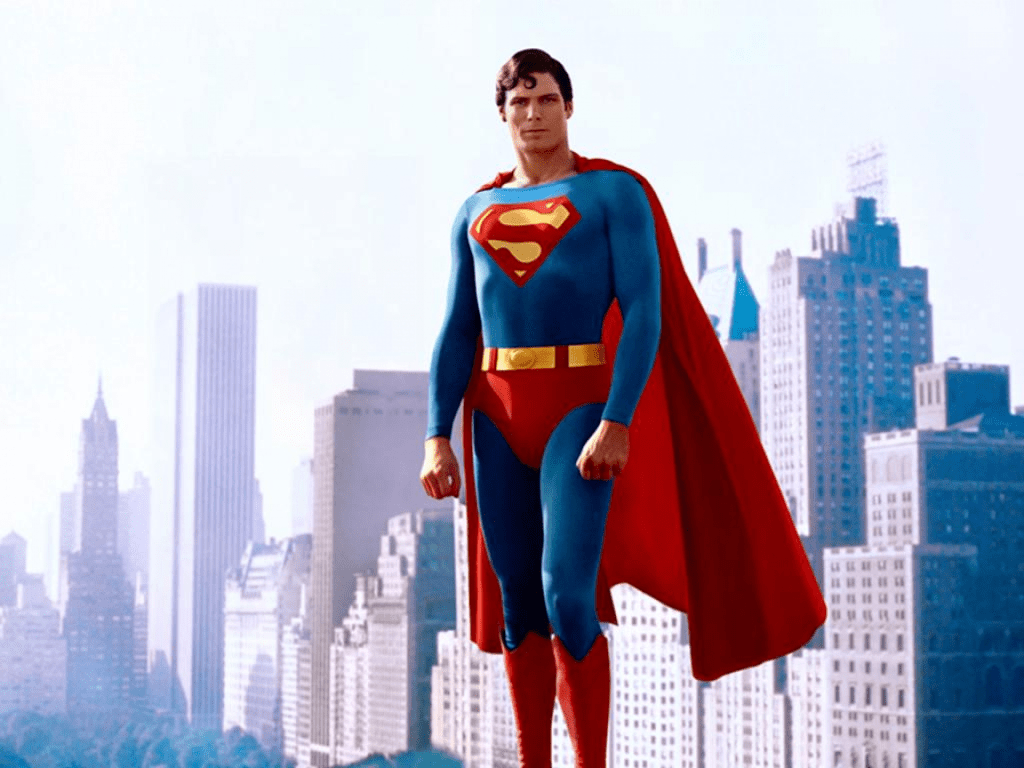
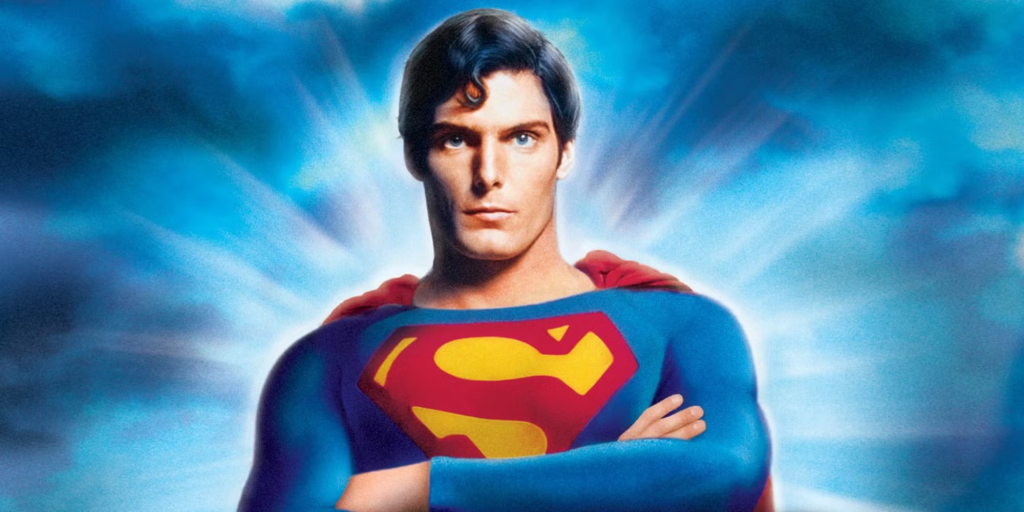
Before the likes of the Marvel Cinematic Universe, Christopher Nolan’s Batman trilogy, and the multiple DC Cinematic universe attempts, even before the likes of Blade (1998), X-Men (2000), and Spider-Man (2002) rolled around, and even before Tim Burton’s or Joel Schumacher’s Batman made their ways onto the scene, there was one superhero movie that stood proudly on his own. Not only working as a near perfect example of what a superhero movie should consist of but it set the template and tropes on how a superhero movie or even a blockbuster in general should operated. That one film I’m talking about is no other than Superman (1978), directed by Richard Donner and played by the OG Superman himself, Christopher Reeves.

No matter what way you look at, Superman (1978) works in nearly every single way in which it was suppose to. The origin of seeing Clark Kent’s journey to becoming Superman is perfectly handled, every member of the cast fits their roles like a glove and acts as the definite versions of their characters, the themes and messages still resonate, the pacing takes it’s time but it always makes it worth it, the musical score by the legendary John Williams is excellent, and I imagine there was just no special feeling than seeing Superman fly around and saving people on screen for the first time ever back in 1978.

Superman (1978) was the superhero movie that changed everything! It proved that a film based off of a comic book superhero can work and translate onto the big screen as well as it possibly can. It proved that big cinematic experiences of this kind can be just as compelling as say a giant space opera or an intense thriller involving a big shark. And most importantly, it proved that comic books and superheroes can shine a very bright light on pop culture, telling stories with impactful themes and unforgettable role models that anyone can look up to (No pun intended!)! Because of all and so much more, Superman (1978) is still the best Superman film ever made and one of the best superhero movies of all time period!
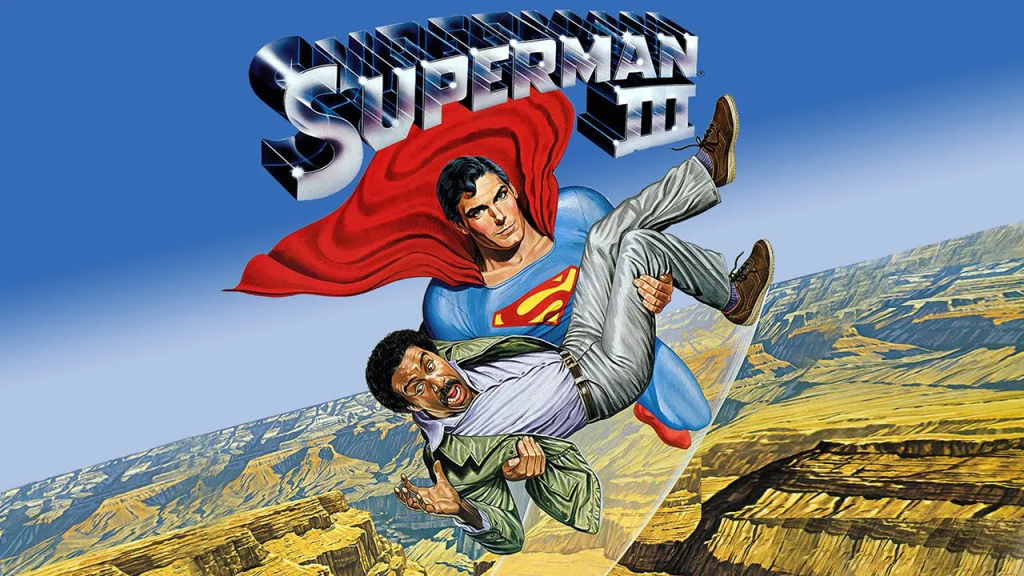
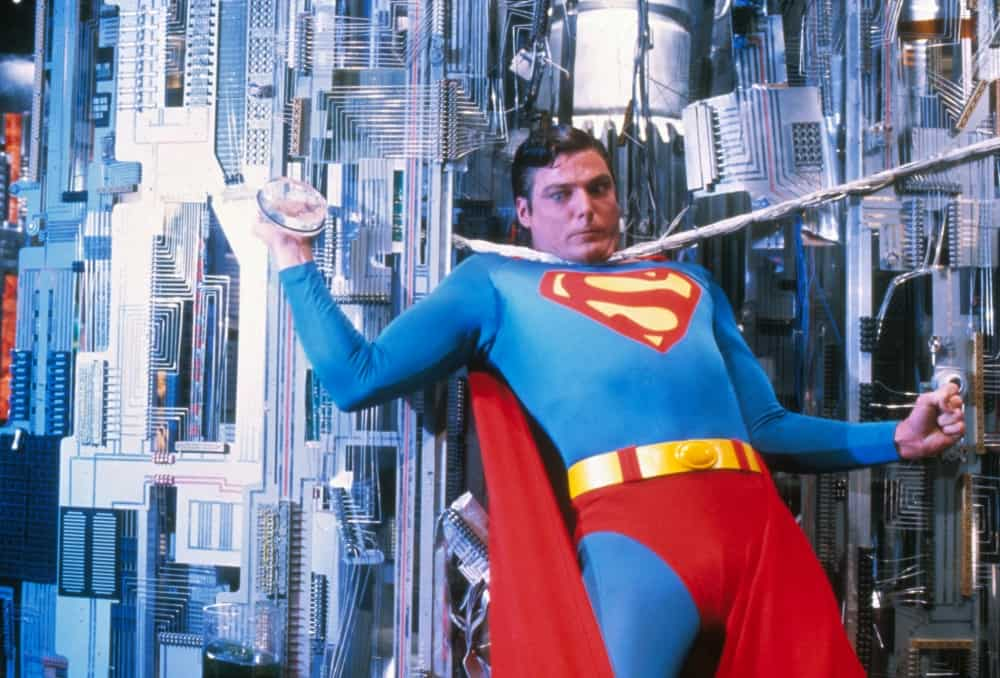
Superman III (1983)- When You Become A Self-Parody

The third installment of a franchise always tends to be the trickiest installment of them all to pull off. By that point, you start to run short on original ideas and it’s when the audience start to feel fatigue of your franchise since they are already familiar with your game and have seen all of the tricks you can pull out of your butts. There’s just so many times where the audience wants to see the Death Star get blown up! It’s also at this point where the studios are as desperate to make as much money as possible now that the brand is as popular as it is and the higher ups wanting higher box office numbers with each new installment. This leads to more emphasis on selling toys, comics, games, merchandise, etc than ever before! Because of that, the studios want to make sure the film aims to as big of a wide audience as possible! This usually results in studios being more involved with film production than before to make sure it has enough content in there for a wide majority of audience, the director having less creative freedom than before because of studio notes, and the desire to make the film more dumb down compared to the previous two films, to make sure it’s age appropriate for young kids and families to see in theaters! If you want a good example of exactly what I just said, look no further than Superman III!

Superman III was basically went the Superman franchise started to lose all of the hearts and wonders that it had from the beginning. While Superman II certainly had dents in it’s armor from both behind and in front of the camera, it was still able to hold together strongly because it built upon the original classics by having the world be more expanded upon, the characters being further developed, and the action and special effects being taken to the next level. This third installment with the man of tomorrow does the exact opposite of that. Instead of heart and wonder, it’s now just gags and slap stick. Instead of important social/political commentary, it’s now just mindless action and explosion. Instead of intimidating villains that pose a real threat to our heroes, they are now cartoon characters that you can’t take seriously. Instead of being smart, it’s now a self-parody! Putting all of this crap together, you get the complete s*itshow that is Superman III!

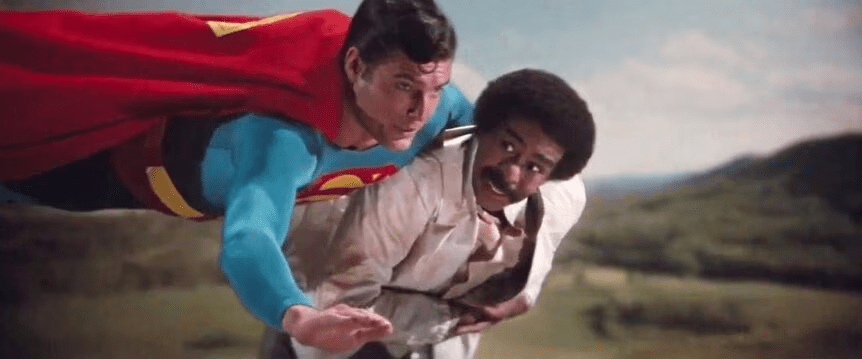
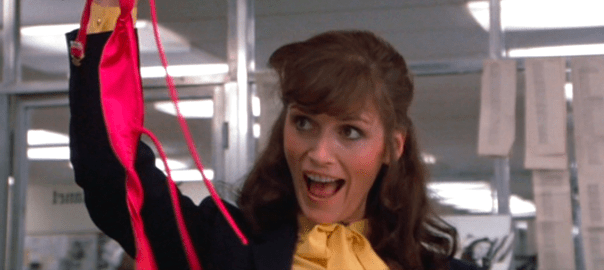
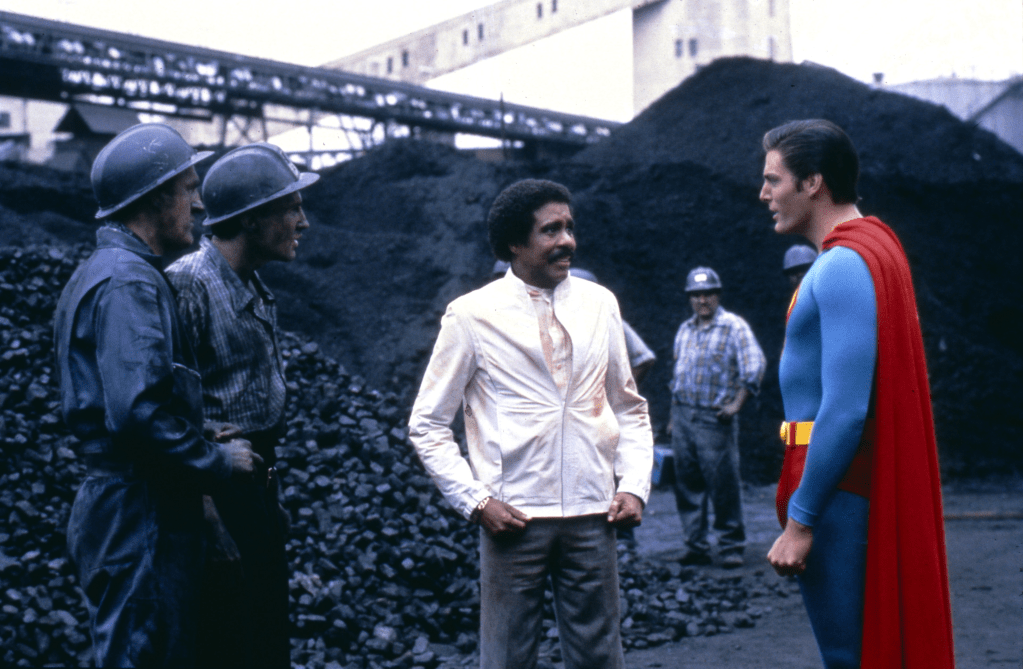
As you would expect, just like the last time around, Superman III had quite a bit of a rocky production! From disagreements on the script/budgeting to the cast feuding with the producers, it was not a smooth ship sailing to theaters in 1983! And unfortunately, it is very noticeable when you look at it on the screen! The effects looks worse because of it’s cheaper budget, the action as much less thought put into it with no weight, you have supporting characters that serve no purpose other than to be the comic relief (Poor Richard Pryor!), and it has little to no connections to the first two Superman movies!

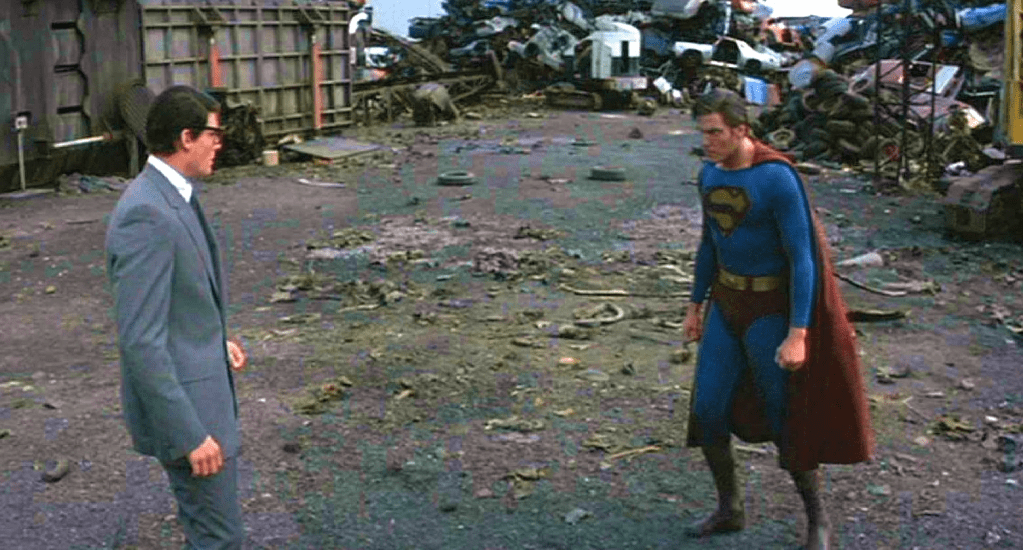
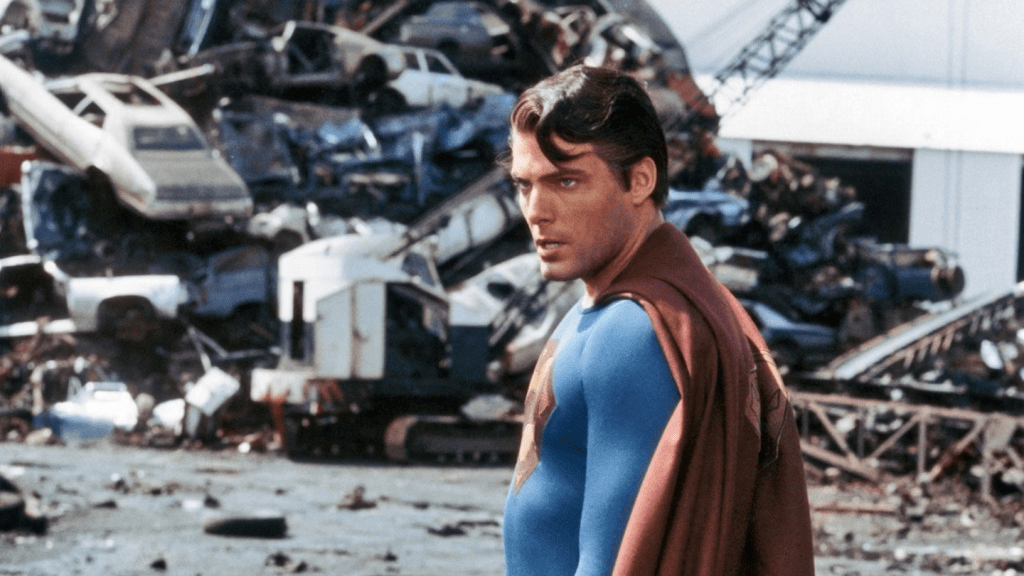
All you have to do is look at two separate scenes in regards to how tonally all over the place in Superman III! Sometimes it’s all silly and goofy and other times, it gets dark really quickly!

Does those two scenes feel like they belong in the same movie? No, no they don’t!

Granted having a film be funny and dark CAN work if there is a properly balanced tone throughout and if the movie had an actual functioning brain in it’s head, knowing when to be funny and when to be serious! But, there in lies the problem!

Superman III does the exact opposite of what the last two films did, it refuses to take itself seriously by any measures! There’s no tonal balance that director Richard Lester is able to control, no genuine enough stakes to get invested in, and the only stand out sequences are the ones that are either obnoxious silly or obnoxiously serious! This is what you get when you become a self-parody!

For as much as other Part Three films have floundered, they at least did so because of a desire to try to top the bar the previous two films set up, only to end up having the whole foundation crumble right in front of you because of overreliance of your own ambition. Superman III doesn’t even attempt to be in the same wheelhouse as Superman: The Movie or Superman II. It has no desire to be a logical continuation of the first two films or offer an interesting expansion on the world of Superman. I’m willing to bet if you watched the first two films and watch this one without knowing it’s suppose to be the third Superman movie with Christopher Reeves, you would NEVER guest this was suppose to exist in the same universe as the prior two Superman movies. The tone is much different, the scenes feel much more weightless, the characters are giving much less to do, and the whole thing it seems to have room for is ridiculous action and gags throughout.

At times, Superman III feels even more of a soft reboot than even Superman Returns (I’ll certainly go into that more once the time comes!). It just exists in it’s own, immature bubble without a care in the world of honoring it’s title character or even trying to function in it’s own sandbox. It’s just well….. a self-parody!

It’s hard to tell if how much of the studio politics played into the decision making of the film, how much of the film was what Lester wanted, and/or if this film would have even been made at all if Warner Bros wasn’t able to overpay Christopher Reeve to get him to come back, but Superman III follows victim to many disappointing threequels out there, forgetting what made it’s franchise successful in the first place and crushing the entire foundation in the process. What makes this third chapter stink more than most of them though is it’s lack of desire to be as engaging, interesting, or entertaining as the previous two Superman films were! That’s what you get when you become a self-parody!

With a mostly negative reception from fans and critics alike and a disappointing time at the box office, you would think this was the end of the Christopher Reeve run of Superman. Believe it or not, that wasn’t the case! There was actually one more film! A film that somehow managed to be even worse than this one and be up there as one of the worst superhero films ever!

Tune in next time and I will tell you ALL about it!

Next Up: Superman IV: The Quest For Peace

Superman II (1980)- When Director’s Cuts Actually Matter

Director’s cuts for films tends to be a big talking point nowadays with film discourse. Whenever a highly beloved/controversial director takes their jab at directing a film from a well-known IP, questions always spur online about how much of the finished product is actually theirs to behold. Was the finished film one in which the director themselves had in mind from the start or is it just what the higher ups at the studios wanted it to be? With studios and producers having more a say on a final film product than ever before, that question tends to get ask every time a big film comes out when it lacks overall quality!

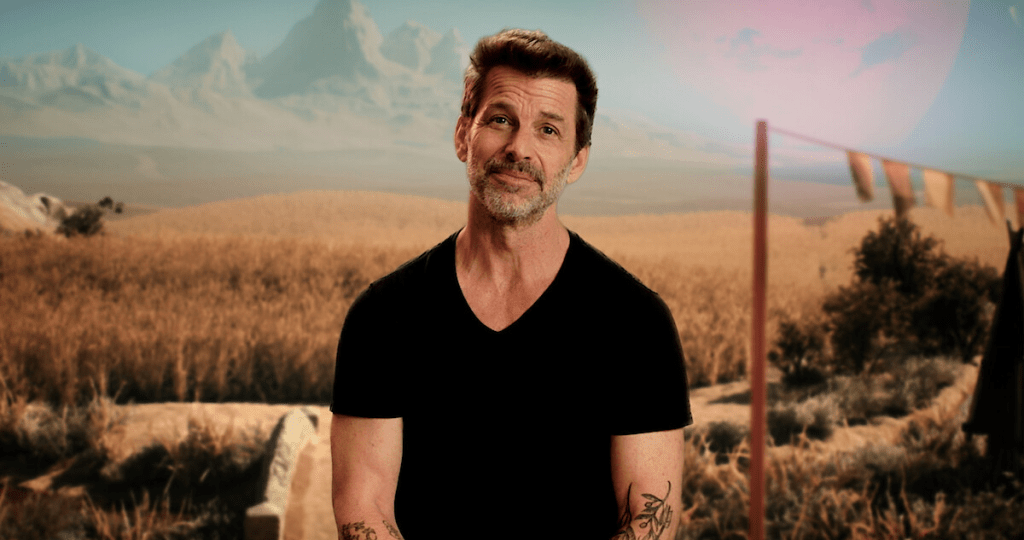
Of course, there is no director more famous/infamous with only being able to get the exact vision they intended with a film than Zack Snyder. Nearly EVERY single time a film of his has come out and it’s not well received by critics or general audiences, the immediate reaction from Snyder and his fanbase is ALWAYS about how his original cut was much better and you need to watch that in order to get the full satisfying motion picture. From Watchmen to Batman V Superman: Dawn of Justice to Justice League to new Rebel Moon movies, there is no one that loves the word “Director’s Cut” more than Zack Snyder himself. Although I will be talking about his full director’s cut of Batman V Superman and Justice League later on in the marathon, it does give the indication as to how much someone’s opinion on a movie can change drastically when they see what the person behind the camera intended all along.

However, there are some instances where director’s cuts tends to be VERY complicated. Not necessarily that the entire quality of the motion picture changes on a dime but the way that a certain director decides to tell the exact same story in an entirely different way than someone else does. And this exact example I will be talking about today is no other than with Superman II.

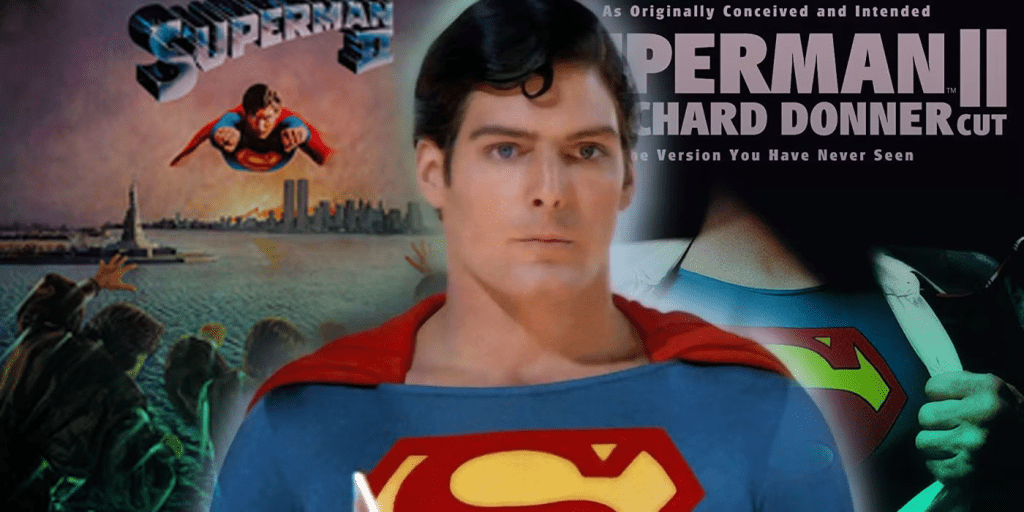
As you could tell based off the title of this piece and my intro, Superman II featured a lot of different changes from both the original 1980 film and it’s sequel. After the massive success of Superman: The Movie, Warner Bros demanded a sequel ASAP. However, the production of it’s sequel went through it’s fair share of shake-ups, controversies, and mass difficulties in getting a quality product in theaters and even when it came out of theaters. Because of all this and more, Superman II was the product of two different directors, Richard Donner and Richard Lester. Yes, both directors have the exact same first names. I do NOT believe that was a coincidence whatsoever.

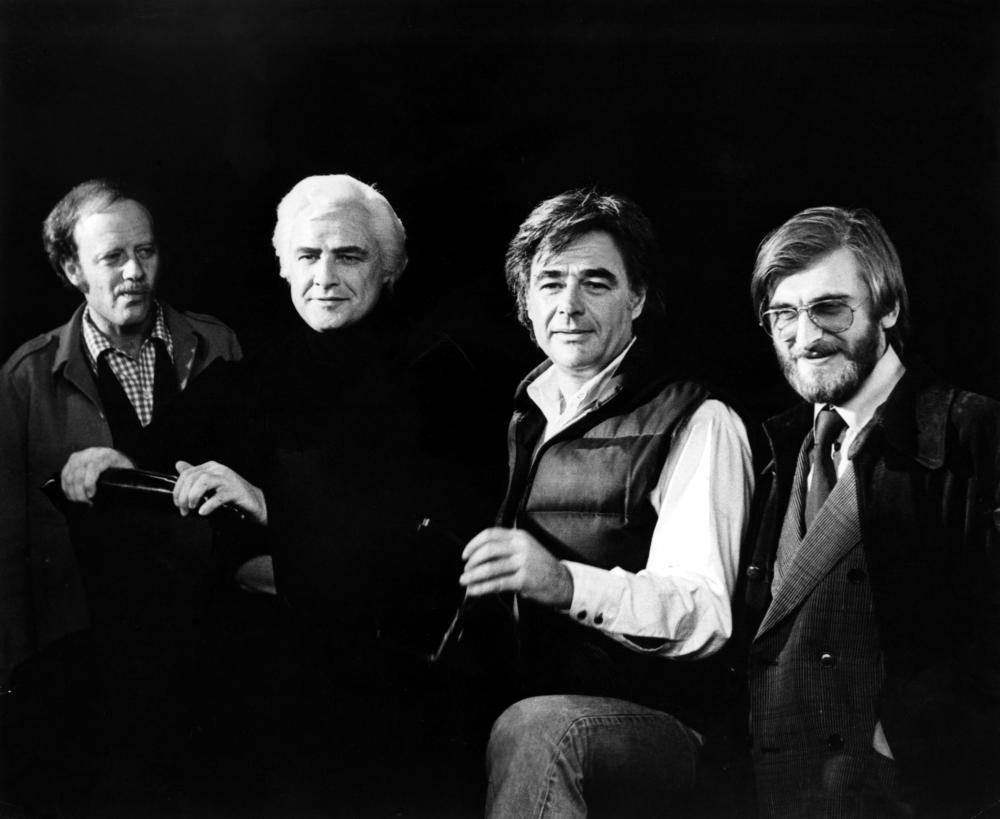
Following the success of the 1976 film The Omen, Donner was hired by WB to direct the original Superman movie along with it’s sequel. And to make sure that deal would be met, both movies would be film back-to-back simultaneously. However, tensions arose between Donner and the producers behind the films, particularly the father-son duo of Alexander and Ilya Sakling and Pierre Spengler. From clashing visions to scheduling conflicts, things became a mess from behind the scenes. It got so bad that the producers decided to bring in Richard Lester as a “co-producer”, A.K.A. a back-up director, and basically told Donner to just finish the first film and let them deal with finishing the second film. After Superman: The Movie became the hit that it did, the production of Superman II resumed but with Lester now behind the camera. Although, Donner had already shot 70% of the film, Lester had to go back and reshot much of the film, radically changing the tone and several sequences, just so he could get full director’s credit for Superman II.

So, yeah! That was quite a chaotic history involving the making of the second cinematic installment involving the man of tomorrow! Although Lester’s version ended up being a box office hit with a mostly positive reception, interest grew of what Donner’s original version of Superman II was like. And considering we were now starting to enter the era of DVDs and re-releasing films with extended or director’s cuts, what better time than any to release a cut of Superman II in which Richard Donner had his full name on the cover.

Unfortunately, despite high demands and a fan campaign asking for Warner Bros to release the Donner cut for the film’s 25th anniversary, they were unable to do that because of complicated reasons. With circumstances such as Marlon Brando suing the studio over royalties, which prevented his likeness being used, Richard Donner having never completed actually filming the whole movie, and the man behind the camera himself admitting he didn’t really have an interest in releasing one, it seemed highly unlikely that it would ever see the day. However, by the time 2006 came around, things changed and the studio actually gave into the demand, releasing the “Donner Cut” of Superman II on DVD.

While the Donner Cut was being assembled, an attempt was made to restore as much original footage of Donner’s original vision as possible. After all, some of Lester’s footage was needed to make the story feel actually coherent, being able to fill in the leaping gaps and create a proper bridge between Superman: The Movie and Superman II. Even though he wasn’t able to save his 100% vision due to the film being WAY too late to go back and reshoot, Superman II: The Donner Cut still remains one of the more unique director’s cuts of any mainstream film that has ever been released.

Instead of feeling like a complete finished film, it comes across as more of a “what if”. What if Richard Donner had full control from start to finish? What if he was able to film the two movies back-to-back fully like he intended? Well, the answers we got to those questions involves a director’s cut of Superman II that features several major differences from the film that was released in theaters back in the early 1980s.

Because of that, let’s take a look at some of the key differences between The Donner Cut and the Theatrical Cut.

More Sincerity, Less Comedy

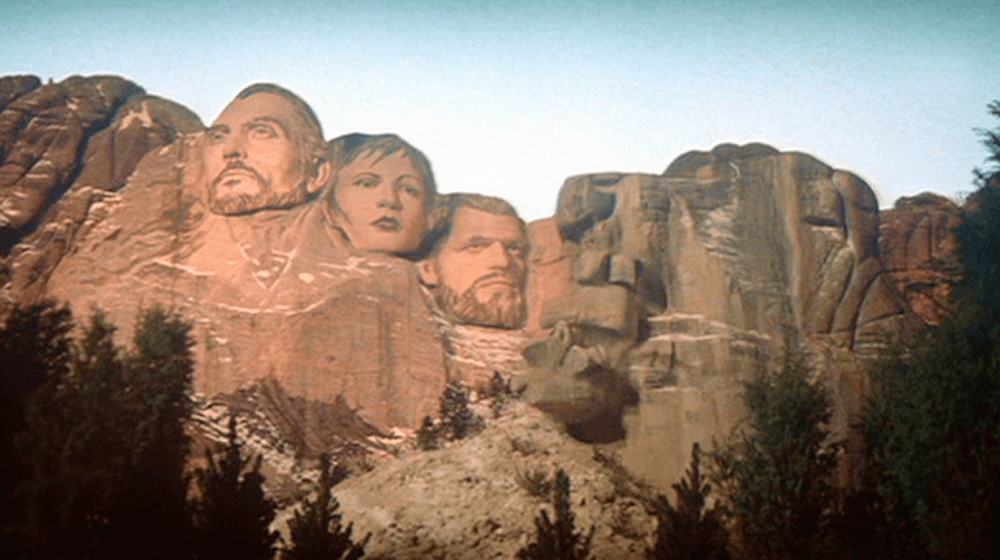
Richard Donner has always viewed Superman as a modern mythology. Because of that, Superman: The Movie and his cut for Superman II reflected that, with a more serious approach to it’s subject matter and means of telling it’s story. Sure, the film definitely contains enough of a sense of humor, especially when compared to say…..Zack Snyder’s Superman, but for the most part, it’s a more serious, albeit sincere tone throughout the entire film. With Lester on the other hand, it was quite different. You have all the funny business with Lex, Non, the evil Kryptonian that doesn’t talk, acting like an overgrown baby, shots of civilians in the city during the final battle, one which involves a guy with roller skates and another guy talking on the phone, and the Kryptonians putting their faces on Mount Rushmore. Donner, on the other hand, cut most of the jokes that he probably felt cut the tension with each individual sense and just got right into the meat of them.

While I’m fairly certain this is more of a studio mandate rather than what Lester wanted personally, I say I prefer Donner’s take on what the tone of the film should be here. I like how he decided to take things more seriously without going too far and be able to incorporate a sense of humor when the film requires it. I guess we now know which superhero film to ACTUALLY thank for all that awkward humor that’s always thrown into every MCU film since 2012!

More Epic In Scale, Less Action

Just like the first thing, I imagine this was more of a decision from the studios to add more action scenes into the theatrically released film and less so on the director himself. Warner Bros craved to add in more action into the picture and less of the slower moving parts with certain scenes being too stretched out. Because of that, we get more mythical Normal Rockwell-esque Visuals with the Donner Cut and less of that mythical cinematography in Lester’s cut. And also because of that, we get more added in action in the theatrical version compared to Donner’s version.

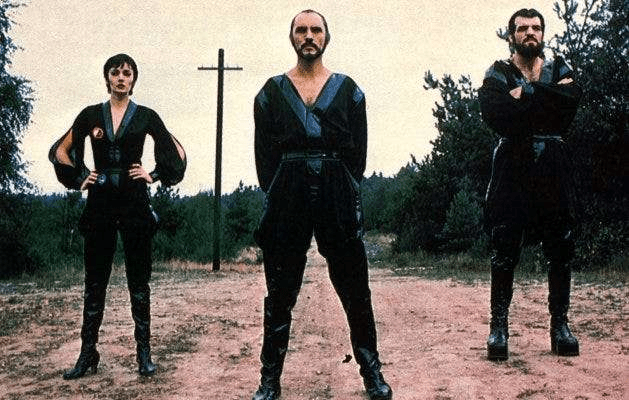
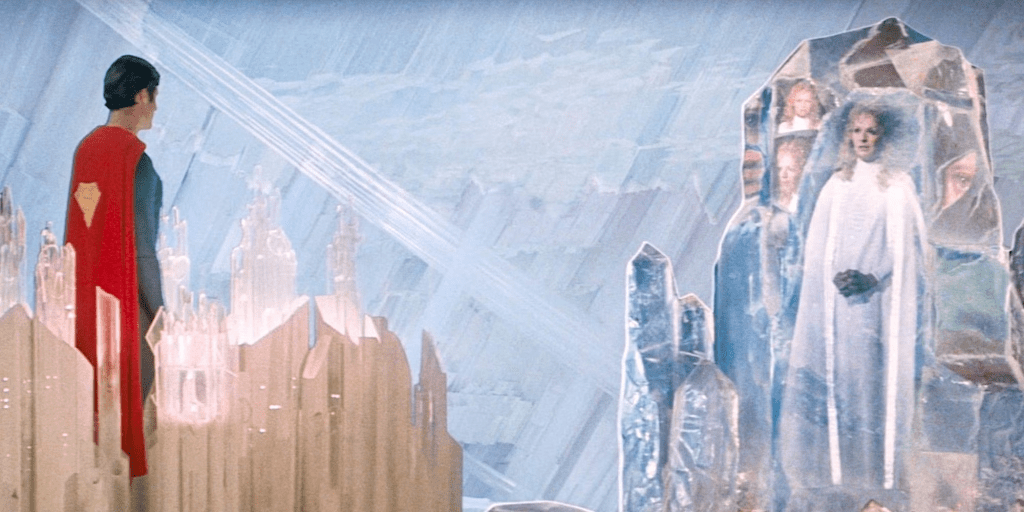
The biggest example of this comes with the big fight in Metropolis between Zod, his minions, and Superman. This is a fight that ends with Superman running away and luring them to the Fortress of Solitude. From there, Superman tricks them into depowering themselves by reversing the effects of the crystal chamber. In the Donner version, it cuts right to this bit. In the Lester version, there is an additional fight scene added in the Fortress of Solitude first.

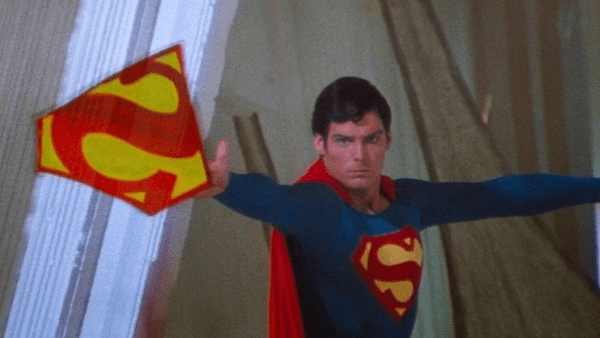
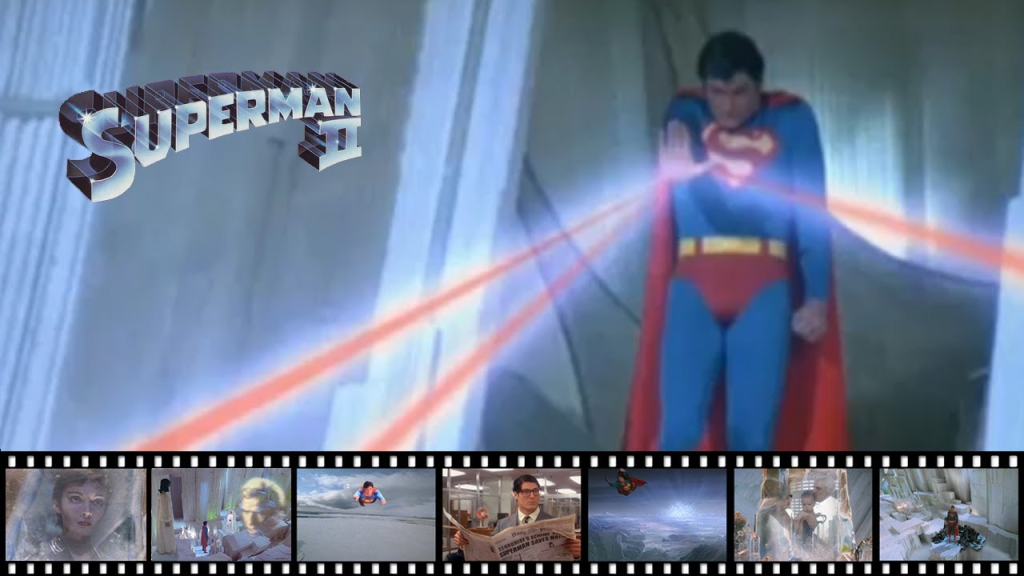
While I can understand the crave for more action in your Superman movie, the way that Lester went about to get more action really devoid the film of eternal logic. The Evil Kryptonians can now just suddenly teleport and shoot energy beams while Superman is now able to create holographic duplicates of himself. Not to mention, the bizarre power when Superman peels the “S” off his costume and hurls it onto Non like a big blanket. I like action but not if it comes at the cause of the actual quality of the film. Because of that, point goes to Donner here!

More Music From Superman: The Movie Instead of The Score From Superman II

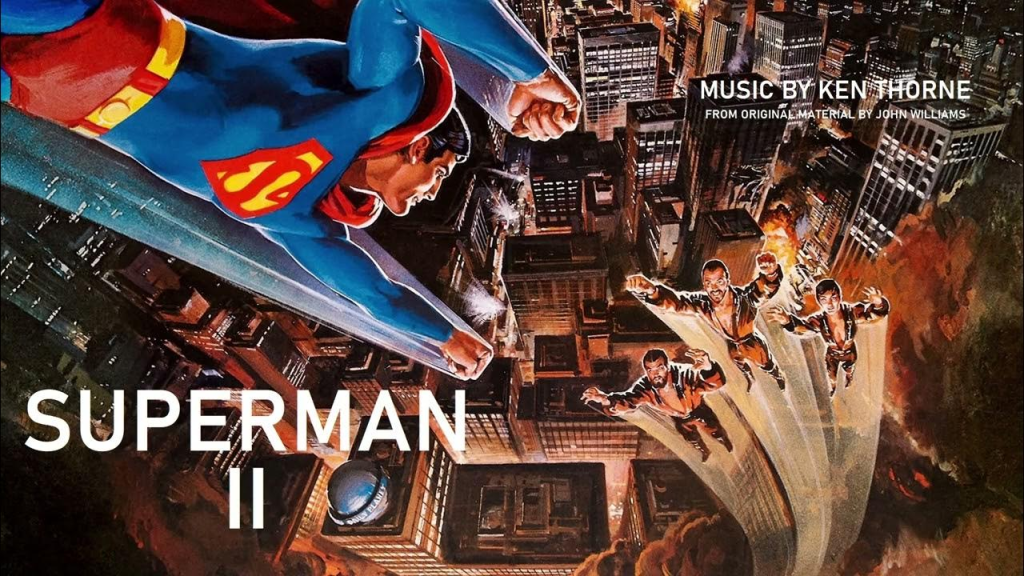
As if the clash over Donner and the producers wasn’t insane enough, a similar thing happened in the production for Superman II with the legendary John Williams. While he was originally slated to score Superman II, Williams ended up getting into a feud with Lester after Ilya Salkind left the projection room. When he returned, John told him that he couldn’t get along with Lester and exited the film. To take his place, Lester brought in his frequent composer Ken Thorne. Because of that, Lester’s version offers a much different and more energetic score this time around, feeling like a composer’s own vision instead of trying too hard to match Williams. However, in Donner’s version, he reuses most of William’s score from the original film instead of using Thorne’s score from the original theater cut.

While I hate the circumstances leading to the situation, I give credit to Lester for being able to make the soundtrack work and feel like it’s own thing compared to the first film. No one is ever gonna top John William’s magnificent Superman theme from the original but the score here works well enough. And while I can definitely see why Donner would prefer to do more of William’s score instead of Thorne, you do get a sense that some of the tracks don’t match certain scenes the way they should and comes across as being overedited sometimes.

More Rough Around The Edges

This difference is a bit obvious but Lester’s version certainly feels more like a complete vision than with Donner’s. While The Donner Cut offers an interesting look of Superman II from the man that made the original such a classic, it doesn’t come off as a finished product. Had Richard been able to complete the Superman sequel that he started back in 1979, it would’ve certainly looked much better. However, with The Donner Cut that released back in 2006, it is simply the best he could do over 25 years later. Much of Lester’s footage remains in the film because it was needed to tell the full story, with a bit of jarring test footage in the middle from Donner thrown in for good measure.

While we’ll never know how a 100% version of Superman II would’ve looked like under Richard Donner, he still did the best with what he could do given the minimal material he had left to work with decades later. Even if I do like most of Donner’s ideas more, I do think by the end, Lester’s film ended up with the superior film, largely due to the fact that it feels the most complete and finished.

More Lex Luthor

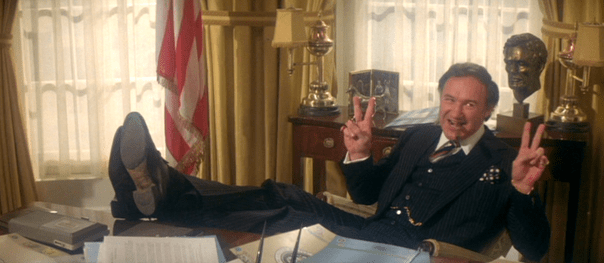
Once Lester came on board to do reshoots for Superman II, Gene Hackman was reluctant to do any of them without Donner. Because of that, Lester could only use what Donner already had with Lex Luthor and just roll along from there. He had just enough of Lex to tell story and nothing more. In the Donner Cut, Luther is given a slightly bigger role than before. With more emphasis on the funny business with Lex and his co-workers, Hackman is given a bit more of a screen presence than he did in the original theatrically released version.

While I still wish Hackman was given more to do as Lex this time around, I’m glad Donner was able to salvage what he could and have Luthor contribute a bit more to the plot than he did with Lester’s cut.

Lois Lane Is Much Smarter

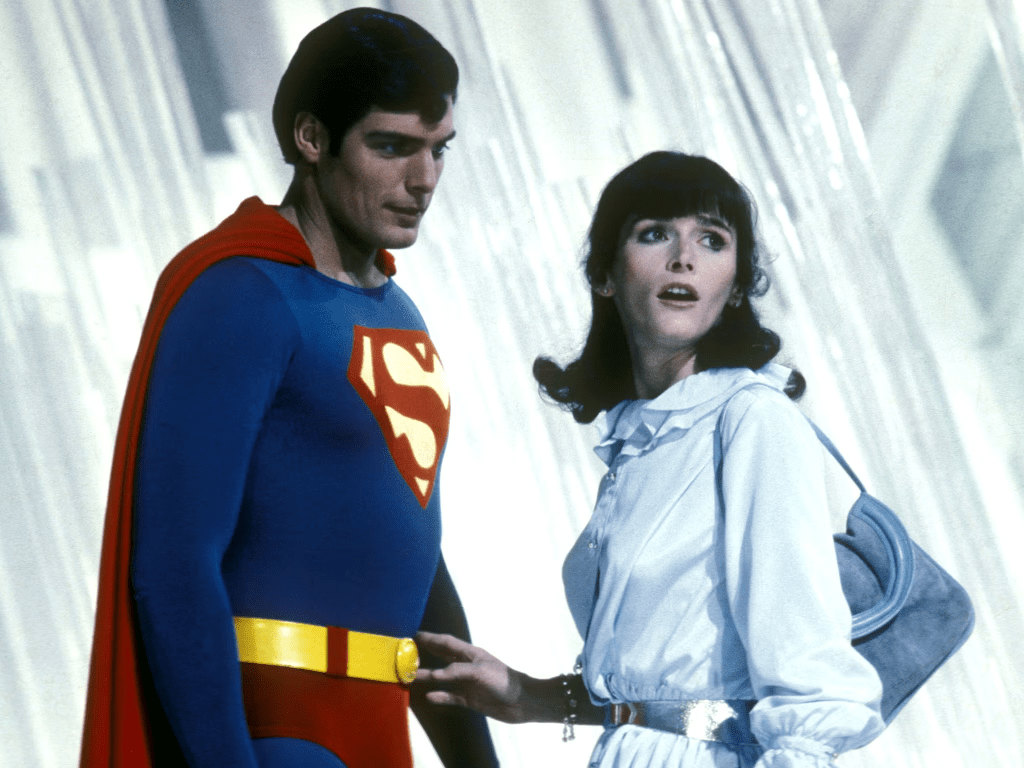
Lois Lane is a very smart character, perfectly matching the wits and skills of her counterpart, Clark Kent. So much so that Lois is able to discover the realization that Clark Kent is indeed Superman himself, something which no one else was able to do. At the end of the original film, Lois briefly notices the resemblance between Clark and Superman but just hand waves it off. In Donner’s version, this thread immediately continues with Lois scribbling some glasses on a picture of Superman, realizing that Clark Kent and Superman might just be the same person. To prove this claim right, she jumps out a window of the building of The Daily Plant to make Clark save her. But Clark is able to convince her that he isn’t Superman. Once the two are at Niagra Falls, Lois spots Clark without glasses and yet again suspects that he is Superman. Later at the hotel, Lois shoots a bullet from a gun right at Clark Kent, which nothing happens. After that, Clark admits that he’s Superman and Lois admits that the gun only had blanks. In Lester’s version, the first time that Lois suspects that Clark is Superman is at Niagara Falls. It’s only when they are at the hotel, Clark drops his glasses into a fire and retrieves it without burning himself, revealing to Lois that he is Superman.

Both of these takes work in their own right but I find myself leaning more towards Donner’s version here. With the way it builds upon Lois flirting around with the fact that Clark Kent and Superman might be one of the same from the first movie, Donner’s feels more of an organic follow-up to Lois’s development. Although, Lester’s version looks much better since Donner never actually got to film the scene in the hotel. Instead, he had to set for a repurposed test footage with Christopher Reeve and Margot Kidder respectively. While it works fairly well, the sound and performances do feel off and the continuity doesn’t mix and mash with the rest of the film.

Marlin Brando Returns

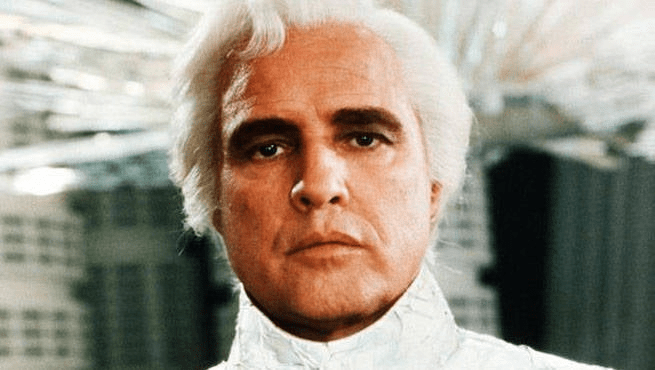
In the Donner Cut, Marlon Brando returns as Jor-El where he basically plays the same role he did in the first film. He mostly acts as a driving force for Kal-El, offering guidance to his own son beyond the grave. In the Lester Cut, Jor-El was replaced by Superman’s mother, Lara, played by Susannah York. The reason he doesn’t show up in Lester’s version is because after Superman: The Movie became a massive success, Marlon Brando sued the producers because he was owed nearly 12% of the box office revenue. Because the studio refused to pay him for any of the box office revenue for the sequel , Brando’s scenes had to be reshot in the theatrical release with Lara instead. Thankfully, Warner Bros was able to work out a deal with Brando to put himself back in Donner’s version.

Giving the circumstances, I think Lester did very well with what he could do. Plus, it did make sense to have Superman’s mother be a guiding force for him in his version, while the original film had Superman’s father play that same role. I don’t mind either one here but I do wish for an outcome that had both of Superman’s parents acting as that special emotional support for their son beyond their death. When thinking about what would act as a proper mirror of the original, I’d say Lester wins here. When it comes to acting as a part of Clark’s development here, I would probably go with Donner here.

Zod And His Crew Escape In Different Ways

In the Donner cut, the movie starts with a recap of the previous film, which ends with Superman carrying a nuclear missile out int space. It’s the shockwave from that missile that hits the Phantom Zone prison and allows for the evil Kryptonians to escape. In the Lester Cut, Superman stops a terrorist attack in Paris by tossing a hydrogen bomb into space, which frees the evil Kryptonains.

It’s mostly a minor difference but Lester’s cut at least gives Superman an actual reason to throw yet another bomb into space, just like he did at the end of the previous film. And with the way both cuts recaps the begin of the previous movie, Donner’s version does better at showing how exactly the events from the previous movie leads into it’s sequel. Unlike with Lester’s version, which comes across as more of a prologue read by the narrator of a tv show, telling viewers what happened in last week’s episode. Tough call, but I give the slight edge to Donner on this one, with at least having the beginning feel more consistent with the previous film.

Why Superman Gives Up His Powers

In both versions, Superman gives up his superpowers to be with Lois Lane. In the Donner Cut, Superman admits to himself and his father Jor-El that while he’s being selfish, he just wants to relax and be happy with another woman. His father argues that his son can NOT favor one human over the rest of humanity. Feeling he can no longer serve humanity in an objective way that would make his parents and himself proud, he gives up his powers. In Lester’s cut, Superman talks with his mother Lara instead. The conversation is much shorter, with Lara telling her son that if wants to be a mortal, then he must become one.

If we are looking through the perspective of what’s the right thing for Clark Kent himself to do and he achieves it, then Lester’s cut wins here. If we are looking through the perspective of what’s the right thing for Kal-El himself to do and he does the exact opposite of that, then Donner’s Cut wins. For the benefit of Superman’s overall arc in the film, I give this one to Donner!

No Magic Kiss

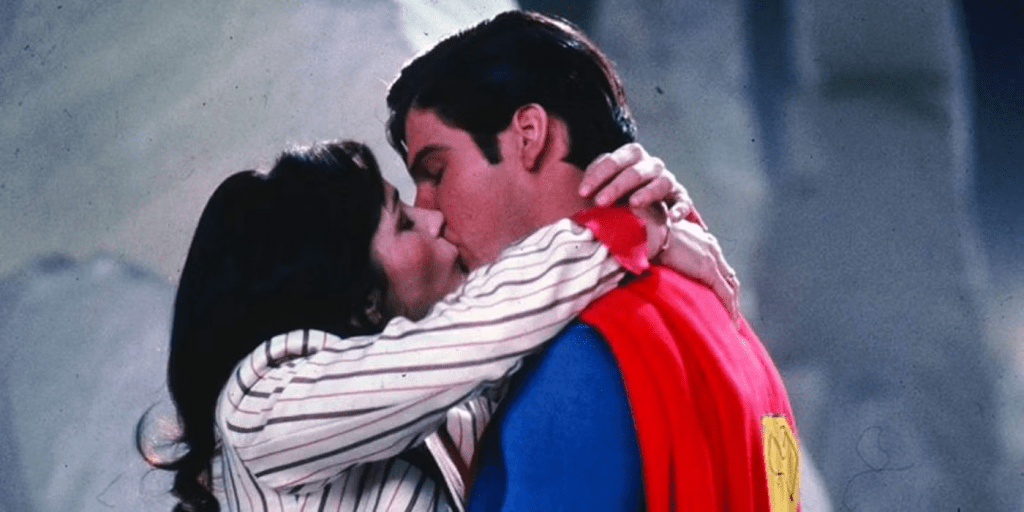
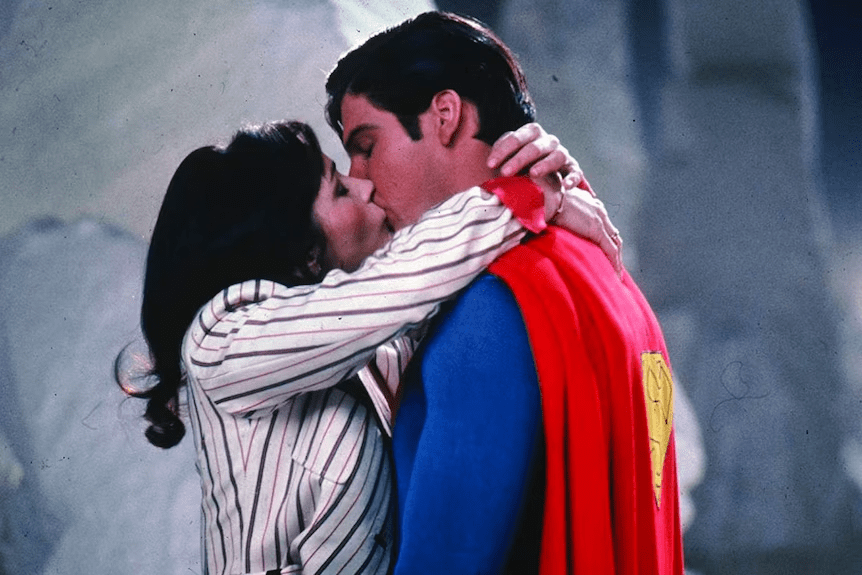
And lastly, the magic kiss is NOT presented in the Donner Cut. In Lester’s Cut, Superman II ends with Lois’ memory of knowing Clark Kent is Superman is wiped away in the form of a magic kiss. However, with the Donner Cut, Lois’ memory gets wiped by Superman flying around the world and rewinding time back before Lois figured out he was Clark Kent. It’s basically the exact same ending as Superman II except nearly the whole movie gets reverted back to square one.

As much as both ending come off as cheap plot gimmicks and glorified deux ex machina, I honestly believe Donner’s version is even worse, making the whole film feel like it never happened and undoing all the character progression like it’s some glorified Saturday Morning cartoon that prohibits progression in it’s story. The magic kiss is cheesy but I’ll still take that over a lazy rehash of the ending of the first movie.

I think you can now see why your experience with Superman II can be quite different by watching both of these cuts on their own terms! And that’s not even going into the two other notable cuts of this movie: 1.) the fan edited version that combined the best of both Donner and Lester while trimming the notable fats from both version and 2.) the ABC televised version that added 19 minutes of footage to the theatrical release, including alternate scenes involving Lex Luthor and an alternate ending. When putting all of that together, there’s not just one, not two, not even three, but FOUR different versions of Superman II you can watch. Not even Zack Snyder can dream of having THAT many cuts for just one feature film!

I will say despite the two different versions of Superman II that I’ve seen, my opinion on the film is largely the same. In the sense, that it’s a very, VERY good sequel that perhaps falls JUST shy of the greatness the original film had, largely due to these conflicting directorial visions, confusing character motivations, and feeling the need to pull it’s punches more times than not. Even so, I will say that I still would consider it to be the second best Superman movie to date (unless my rewatch of Man of Steel or Zack Snyder’s Justice League changes my mind).

Had we got one complete version from either Richard Donner or Richard Lester from beginning of production to the very end, then I think we could have gotten a perfect follow-up to Superman: The Movie, acting as that perfect two-part story figure that Christopher Nolan got superbly right with Batman Begins and The Dark Knight many years later. Instead we can only imagine what would’ve happened if either one of these gentlemen got both of their hands on this sequel from the very start!

Next Up: Superman III

Superman (1978) Retrospective: The Birth Of The Superhero

If there is one film medium that has been a dominant force for the 21st century, that would be comic books and superheroes. While we are now living in an era where this subgenre of movies is not as strong as it was in the previous two decades, there is no denying that they have changed the way that blockbusters have been made for the past 25+ years. However, even before the likes of the Marvel Cinematic Universe, Christopher Nolan’s Batman trilogy, and the multiple DC Cinematic universe attempts, even before the likes of Blade (1998), X-Men (2000), and Spider-Man (2002) rolled around, and even before Tim Burton’s or Joel Schumacher’s Batman made their ways onto the scene, there was one superhero movie that stood proudly on his own. Not only working as a near perfect example of what a superhero movie should consist of but it set the template and tropes on how a superhero movie or even a blockbuster in general should operated. That one film I’m talking about is no other than Superman (1978), directed by Richard Donner and played by the OG Superman himself, Christopher Reeves.

This was the superhero movie that changed everything! It proved that a film based off of a comic book superhero can work and translate onto the big screen as well as it possibly can. It proved that big cinematic experiences of this kind can be just as compelling as say a giant space opera or an intense thriller involving a big shark (Bet you can guess which two blockbusters I’m referring to from back then!). And most importantly, it proved that comic books and superheroes can shine a very bright light on pop culture, telling stories with impactful themes and unforgettable role models that anyone can look up to (No pun intended!)!

This was the birth of the superhero genre!

This is Superman (1978)!

To prove that this was indeed the one film that started this ongoing superhero movie trend, I decided to name six distinct tropes that this film laid out which is still being followed up to this day. Even nearly 50 years after Superman (1978) came out, these are all common beats you still see in superhero films to this day. Heck, I wouldn’t be surprised if we see some of/if not all of these with James Gunn’s Superman come July. Nevertheless, here are the six common tropes and cliches with superhero movies that Superman (1978) started.

1.) Origin Story

When it comes to the first chapter of a superhero story, it usually starts off with showcasing their origins. This is the part of the story where you find our where exactly the titled superhero came from, who gave birth to them, and how they got their powers and became the actual titled superhero. It’s become such a staple at this point that folks will call blasphemy if a certain version of a comic book superhero does NOT contain the origin in some way, shape, or form. No matter how many different stories we get off Spider-Man or Batman, we ALWAYS need to see Uncle Ben and the Waynes being shot in cold blood.

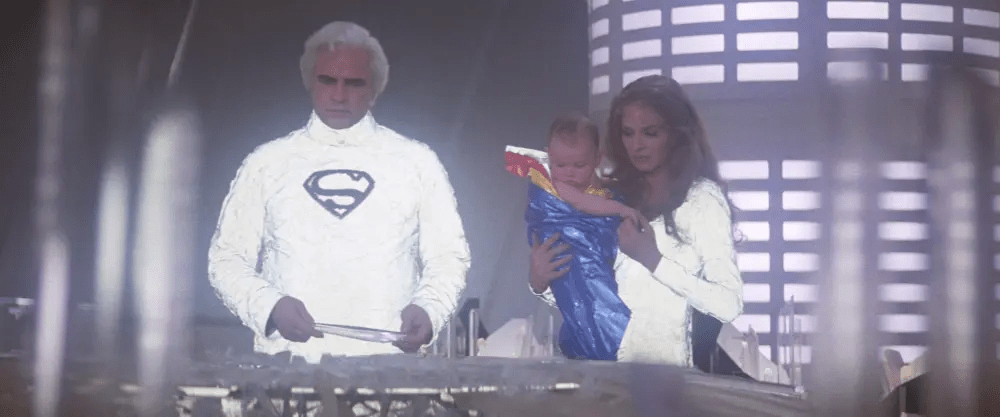
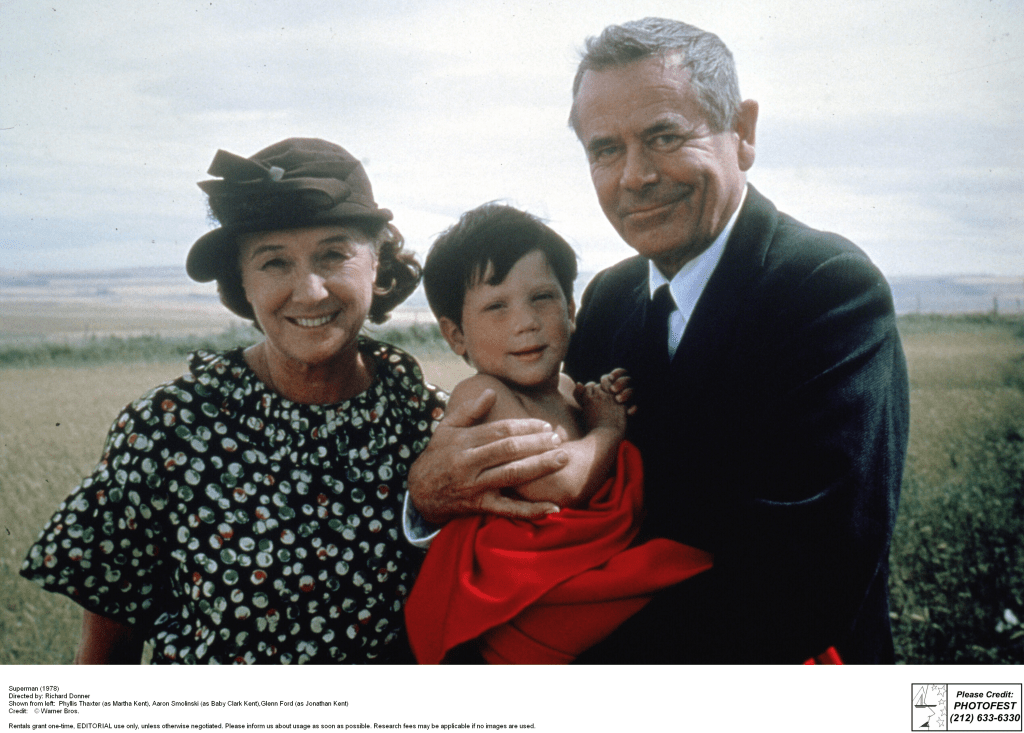
In the case of Superman, his origin involves his biological parents, Jor-El and Lara Lor-Van, sending him off to Earth while his home planet Krypton is on the verge of collapse. Clark is then discovered in Kansas by Jonathan and Martha Kent, who would adapt him and raised him as their son. It’s doing this sequence where Clark must discover what he was destined to be by his own mother and father, while learning what it means to live among the human beings on Earth by his adoptive mother and father.

This is a nice origin story that is able to be more about being an outcast rather than just a traditional “fish out of water” story. This is about Clark Kent learning to blend in with a brand new home not just as Clark Kent himself but as Superman. And even with all the criticism and rejection among the public, he still wants to do what is right. He wants to be the hero that his birth parents always envisioned of him. He wants to save people’s lives while stopping those that put them in harm’s away. And most importantly, he just wants to do good things for the goodness of mankind. Regardless if he will do it in a legal or illegal way, he is determined to be a hero at all costs, regardless of what the public thinks of him.

While the 1/3rd of this movie does take it’s time on establishing the origins of Clark Kent’s transformation into Superman, it is important to always showcases the answers to the questions that anyone might have about it’s title hero. Whether it’s like a traditional first installment with a superhero that spends the first half establishing the hero’s origin story (Spider-Man (2002), Batman Begins, Iron Man, or Captain America: The First Avenger) or uses an opening sequence or flashbacks scenes to establish their origins (Batman (1989) and The Incredible Hulk), showcasing a superhero’s origin is always urgent in order to get audience’s connected with the hero’s journey. While I can’t say for certain, I guarantee that the origin of a superhero would not be as much of a staple as it is if it weren’t for this film showcasing these exact important events.

2.) Secret Identity

A usual key component for a superhero story is with the main superhero having to keep their identity a secret. There are always exceptions such as when Tony Stark revealed his true self at the end of Iron Man or Diana Prince always representing Wonder Woman but more often than not, these are usually stories about the main superhero having to learn to keep their superhero life a secret and finding room to focus on their normal, everyday life. You have Peter Parker who has to learn how to balance himself between being Spider-Man and Peter Parker, you have Bruce Wayne needing to let his playboy billionaire side shine in the day and his crime fighting vigilante side shine in the night. In this case, we have Clark Kent needing to keep Superman and Clark Kent as two separate identities.

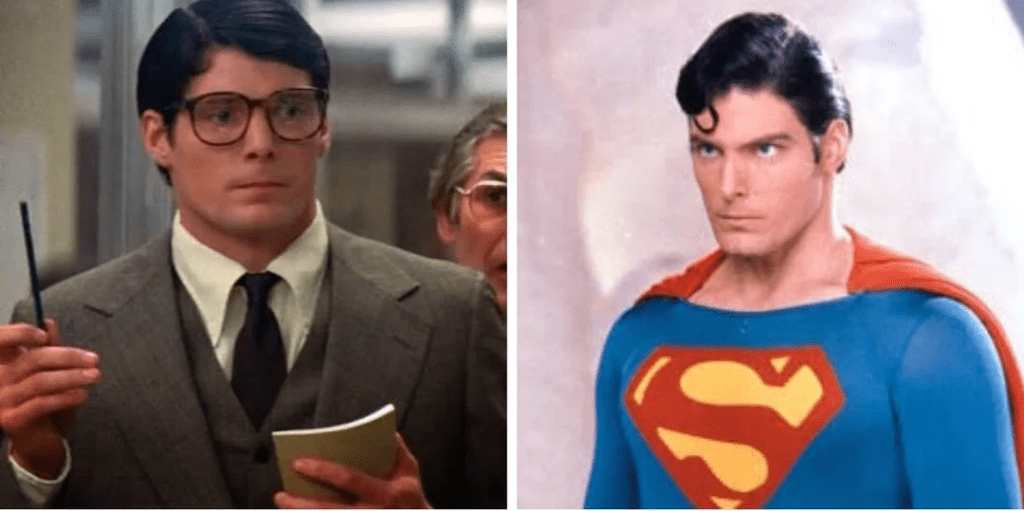
Of course, the main jab at Superman is how it’s unfathomable how anyone can’t tell the difference between Clark Kent and Superman because they both look exactly the same. Like, all you need to do is remove the glasses and you can see it’s literally the exact same person. How can a superhero who is trying to protect his secret identity do so by basically hiding in plain sight? That is a question with Superman that I thought about for years and could never find the answer to. That was until……I saw Christopher Reeve’s performance.

The main aspect that makes Reeve’s performance stand out perfectly as both Clark Kent and Superman is the fact that they feel like two completely different people when you watch them. As Clark Kent, he’s the typical nerdy, awkward man who is a bit of a dweb that is the last person you would ever expect to be a superhero in red and blue pajamas. As Superman, he’s this brave, heroic figure that you would never suggest could be some weak, submissive geek that lets his female co-worker fight his battles for him. I’m pretty sure if you asked Clark Kent in real life that he looks just like Superman, he would be able to PERFECTLY convince you that he is NOT Superman and just said, “Yeah, I guess that’s true! But I assure you, I am NOT him!” All you had to do is see how Clark Kent and Superman act so different in each scene and how perfectly Reeves is able to make them both convincing as two separate characters!

You are lying to yourselves if you ACTUALLY believe these two guys could be the exact same person if you just judge based off their appearance and personality and NOT just looks.

The secret identity tends to play a big role in most superhero movies, especially with origin stories, but I don’t think there has been a superhero movie that’s been able to capture just exactly what it means to be an average everyday joe to being the world’s biggest savior than with Superman (1978). A story which sees a man has to convince that his personal self and superhero self is NOT one of the same despite looking exactly alike. And this is in large part thanks to Christopher Reeve’s pitch perfect portrayals as both Clark Kent and Superman respectively.

3.) Love Interest

Of course, you can’t have a traditional superhero story without a traditional love interest. This is usually always added to give a story a bit of an emotional anchor and give motivation for the main superhero to do what he does. There are times where it can fall into some pretty infamous tropes. From being a constant damsel n distress to acting as a “trophy” for the main hero to getting the “fridge” treatment, this can be seen as the weakest part of the story if you are not too careful and learn too much into one of these tropes. There’s only so many times where people want to see Gwen Stacy die so Spider-Man can be sad only to get replaced by a love interest that’s hotter but much more blander (*cough* Mary Jane Watson *cough*). Thankfully, Superman (1978) is able to find a love story that works quite fondly with Superman and Lois Lane.

To be sure, it does involve Lois Lane having to be saved at least a few times by Superman. There are two notable moments of that, from falling off of a building and another instance that will be discussed later on. However, that doesn’t change the fact that Lois is a strong character in her own right and can even being seen saving Clark Kent on some occasions. She’s feisty, strong-willed, always determined to get the job done, and is always able to give Clark the emotional support whenever they need it. However, what makes her a perfect equal to Superman is how they will both stop at nothing to accomplish their goals for the greater good.

Lois Lane in general is someone that is as fearless as Superman is and always shows dedication to finding truth and justice for every report she covers as a journalist with the Daily Planet. Sure, she might not be as invincible as Superman is and is certainly not bullet proof but when it comes to her heart and free will, she is about as equal to Superman as someone can possibly get. That’s what makes the two a perfect couple and Lois Lane a perfect love interest.

Just watch this scene and tell me that it is NOT magical!

I wouldn’t be surprised if this is what inspired Disney to making the magical carpet scene in Aladdin.

Most superhero movies tend to always botch the love story. Mostly because it usually only acts to give the superhero a love interest and have it play second-fiddled to everything else going on, usually only acting like a box that needs to be checked off. But with Superman (1978), Lois Lane helps acts as the pure heart of the film and helps Clark fill that missing hole he had within himself in his early days as Superman.

4.) Saving People’s Lives

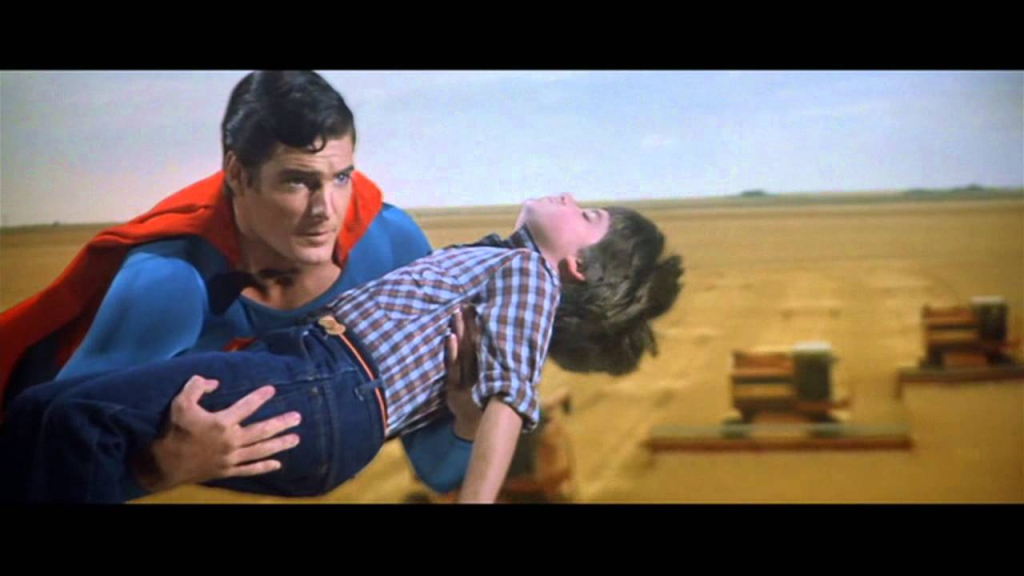
This is simply one component that a superhero movie can NOT live without. You need scenes and moments that shows a superhero actually being well…….a superhero. Throughout superhero movie history, we’ve seen plenty of examples of superheroes filling their good superhero duties by saving the lives of folks they’ve sworn to protect. We’ve seen Spider-Man saving people from a burning building, we’ve seen Iron Man rescuing passengers from a plane. With Superman, we get to see him rescuing innocent people from natural disasters and bridges on the verge of collapsing.

While the main protagonist saving people has never been anything out of the ordinary, there’s always something special when a superhero does it. This is mostly because they are able to save people in ways that an average person won’t be able to. They are gifted the skills, power, wealth, and/or resources to be able to rescue lives and give themselves a name which regular people would not be able to. With Superman, he is just using the powers that was gifted to him by his parents and home world for the benefit for others and not just himself.

And I know you might be wondering why I am not referring to Superman saving a specific important character at the near tail end of the film. Well, that’s because I’m saving that for the very next part.

5.) The Big Third Act Climax

Okay, this movie doesn’t have the traditional big third act battle that most superhero movies those. This isn’t like the third act of every Avengers movie where there is always so much crap that goes on at the same time that it can be hard to keep track off. This isn’t even like the big climaxes to Superman II, Man of Steel, or Batman V Superman: Dawn of Justice where it involves Superman having to fight a powerful being that is even stronger than himself. This involves Superman having to save the day from the wreckage that Lex Luthor causes, a wreckage that could cause a worldwide nuclear war. Much like the climax to Spider-Man (2002) (expect without the ass-kicking 101 scene with the Green Goblin), it involves Clark having to be the hero to the world that he believes himself to be.

I already partially covered the meaning and purpose of the climax in my last part where it involves Superman having to save the very people he has sworn to protect. However, what part I missed out on is the part where he has to save Lois Lane after she partially died. After Superman fails to save Lois from the earthquake that Lex Luthor caused, he commits the biggest deus ex machina imaginable by using his superpowers to rotate the earth back and turning back time.

Can this be considered “cheating”?! Heck yeah!

Does this make any sense whatsoever?! Heck no!

However, that doesn’t change the fact that the third act climax is where Superman faces his toughest challenge yet, the part of the film where the main superhero finds himself pushed beyond measure to be the hero for everybody and the ones he loves. That always tend to be the blueprint for most third acts in superhero stories and I have no doubt this is the one superhero movie where many filmmakers got their first inspiration from.

6.) Being A Symbol

This might be the most important trope of all for every superhero story brought to the big screen. That is having your main character be a symbol. Not just for the characters in the story but for the audience as well! For superheroes to exist for as long as they have, they must have inspirations. They must have folks that would love nothing more to follow in their footsteps and become superheroes of their own in any way, shape, or form. Thankfully, Superman (1978) is able to succeed at that in both ways.

In the context of the movie, the public now has a very positive view on Superman and sees him as being mankind greatest superhero. When it comes to pop culture, the entire world and entertainment industry has followed in this film’s footsteps of making not just more Superman incarnations but also more superheroes of his kind.

Since this film came out, we have gotten more Superman films, shows, games, and comics that most certainly got it’s initial template from this 1978 gamechanger. Also, since this film came out, we have gotten many different superhero films, shows, games, and comics of it’s kind. The kind that I imagine would not exist if it wasn’t for the impact that Richard Donner and Christopher Reeve brought to the world.

Above all, Superman (1978) is able to prove that it’s title hero is in face the symbol he set himself out to be. Not only through the truth, justice, and American way that the character himself claims but through having that impact on the whole world, being the kind of hero that his parents always thought of him has and what I imagine the world saw Christopher Reeve has.

Being that exact symbol!

A symbol of……you guessed it……hope!

In conclusion, superhero movies wouldn’t be where they have been for a long time now if it wasn’t for Superman (1978). This is not only the superhero film that got the ball rolling but it’s the superhero film that laid the groundwork for all the beats, tropes, and basic structure that nearly every film based off of a comic book and superhero is expected to follow upon. This overexposed subgenre only ever became what it is and has grown to be for nearly the past five decades due to the groundbreaking success of Superman (1978).

This was the birth of the superhero!

This was Superman (1978)!

Next Up: Superman II: When Director’s Cuts Matter