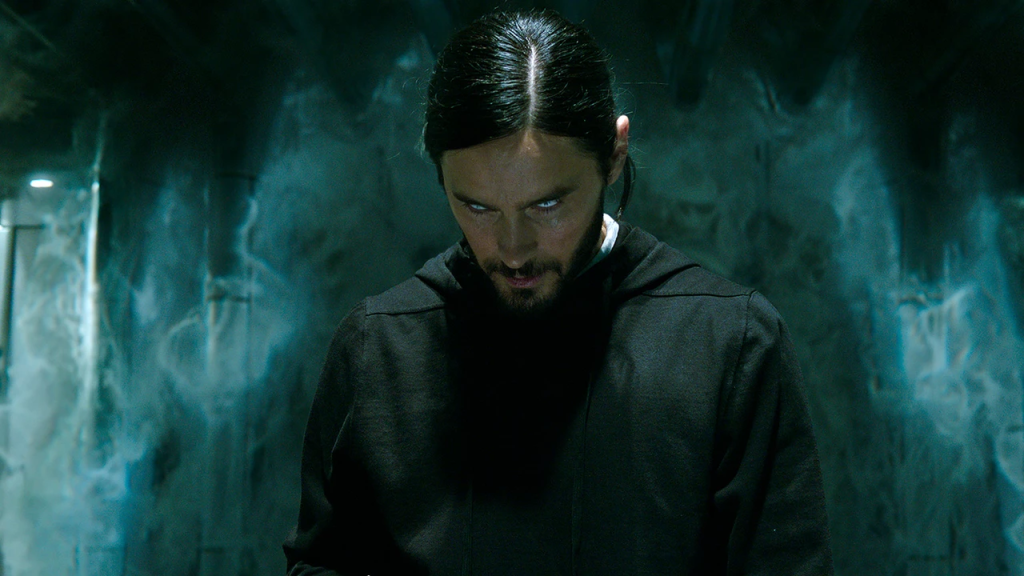
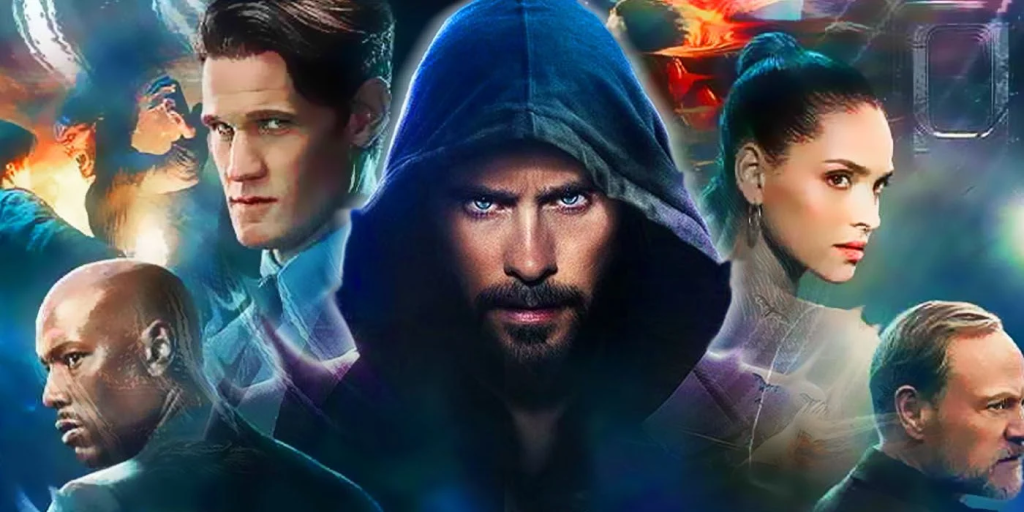
Well, f*ck me! I actually almost forgot to do this piece that I promised I would do. Granted, I had to go back work to this weekend and had very little time or energy to get this up sooner but it’s also because Morbius is such an incredibly nothing burger of a movie that I’m slowly starting to forget just about nearly every single thing that happened in the movie. However, there is one part of the movie that hasn’t left my mind yet. Of course, it’s the part that’s not even technically part of the movie but after the credits began to roll, the mid credit scenes.
Also, I was beginning to not want to bother writing this piece because it would lean into the big problem of me trying to dodge spoilers with a movie that has hardly anything to spoil and treating the post credit scenes as something vital to the movie/future of this so-called Sony Spider-Man Universe when it most likely will not in the long run. Then it began to dawn on me about how this is the exact kind of post credit scenes that are wrong with universe movies like this. Not just because it’s bad, dumb, doesn’t make a lick of sense, and feels like a complete portal for the character that this certain actor has played. More because it highlights just what most franchises completely miss the point off when it comes to an installment containing set ups, easter eggs, universe connections, and post credit scenes that might lead to something important later on down the road. Making you actually think you need to suffer through a bad movie and a bad post credit scene in the hopes that it perhaps will lead to something good in the future when you actually should not.
Let’s first go over the mid credit scenes. This is your one and only warning about spoilers for Morbius and even Spider-Man: No Way Home. If some odd, strange reason, you don’t want to be spoiled by the only logical thing that could constitute as a spoiler for Mobius, then click away and go watch the movie first, which I hope you don’t actually have to pay with your own money to watch.
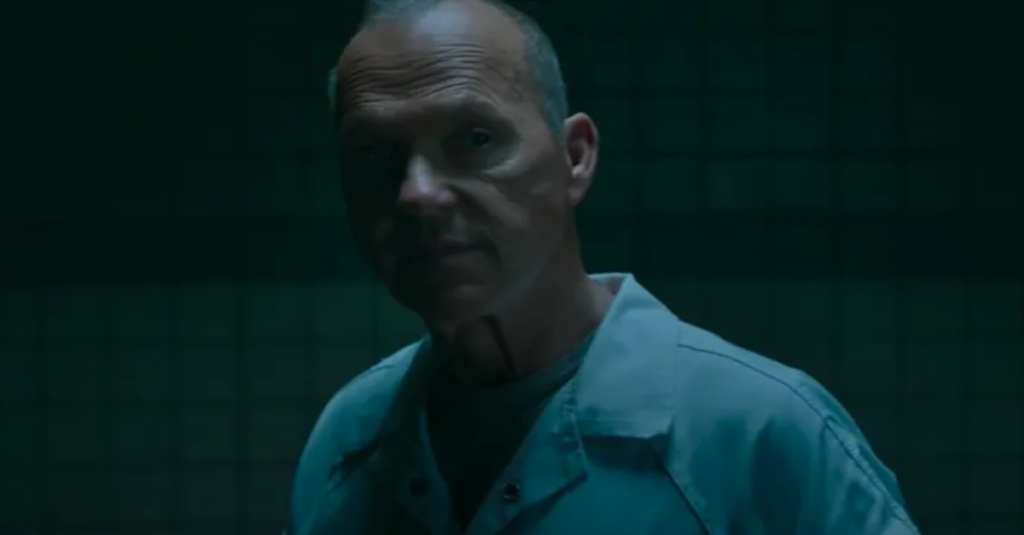
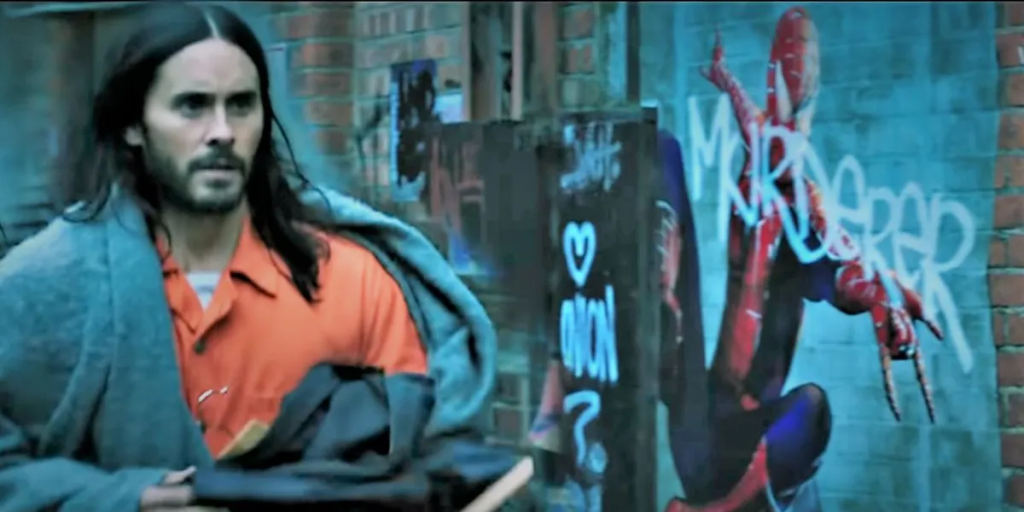
Anyways, the first mid credit scene takes place at the exact time as the end for No Way Home where Doctor Strange helps Peter cast the spell that would make everyone forget he is Peter Parker and would send all of the villains from the other Spider-Man movies back to their own respected universes that they came from. However, Michael Keaton’s Adrian Toomes/Vulture, who is still in prison from his actions in Homecoming, gets transported from the MCU universe which he was established in and to the same universe as Morbius and (I guess) Venom are a part off. The second mid credits shows Toomes meeting up with Michael Morbius himself. He tells Morbius that he’s not from this universe and believes that Spider-Man is a big reason as to why he got teleported. It’s then that Toomes proposes that him and Morbius start a team as he believed the two can do some “good” in the world. Morbius is intrigued and the two began to form an alliance that will likely lead to the Sinister Six using whatever Spidey villains they can to one day come up against Spider-Man once Sony can figure out what Spider-Man they can actually use.
Okay, ummmm……………huh, what?
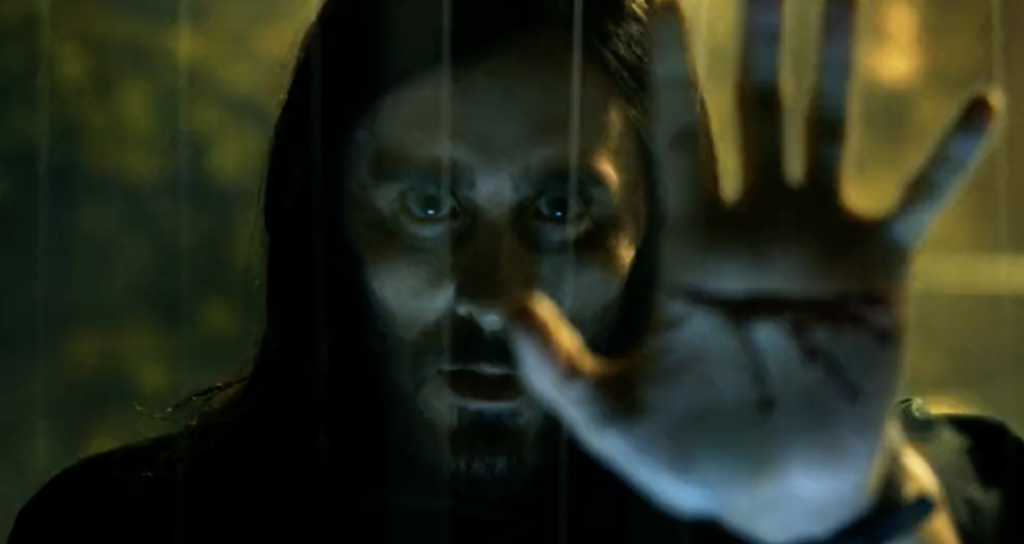
Talk about a confusing head scratcher. Firstly, how is it that Vulture actually is able to teleport onto another universe with the other Spider-Man villains when he is ALREADY apart of that exact universe that the MCU is set in? Shouldn’t he had just forgotten about Peter Parker instead of Spider-Man and that’s the end of that. Secondly, does Morbius even now about Spider-Man? Despite the trailer teasing that there’s an actual Spider-Man at some point in the movie (which is not in the actual movie), there is no evidence that a Spider-Man even exists in this universe. Why would Morbius be intrigued to get revenge on someone he probably doesn’t even know? Thirdly, is there even a Spider-Man in the universe of Morbius and Venom? Venom only found out about Spider-Man after he (somehow) got transported into the MCU but it was never established that there was an actually Spider-Man in it’s own universe. Even though there were rumors before hand about it being possibly connected to Andrew Garfield’s Spider-Man, that’s never made clear or confirmed so your guess is abut as good as mind. Lastly, doesn’t it feel like a huge betrayal of the character of Vulture? By the end of the post credit scene of Homecoming, despite Toomes being intimately approached by the so-called Scorpion to reveal him the identity of Spider-Man, he doesn’t bite and keeps Peter’s secret safe. That established that he deep down cares for Peter and doesn’t want revenge. But because, he ends up getting moved to another separate universe and just blindly blames Spider-Man for it (which he has literally no reason to blame him for it even if it’s actually true), he now wants vengeance?! Give me a break!
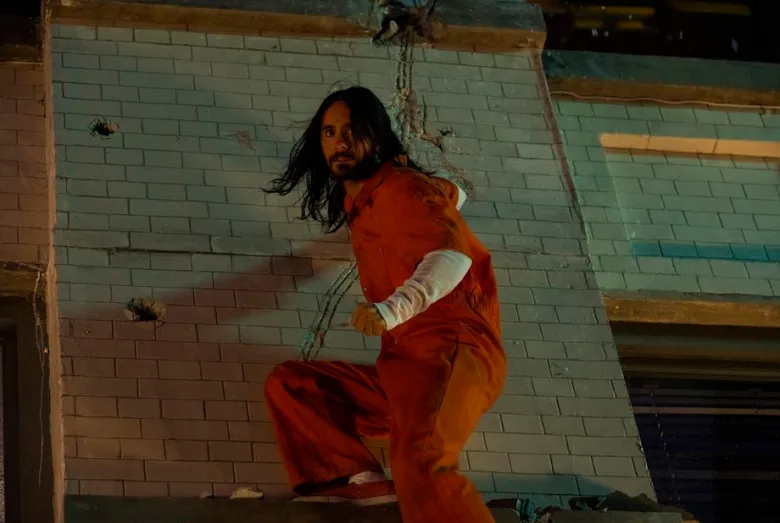
But yeah, you probably already asked those kinds of questions after watching the mid credit scene itself or read the leaked description of it before the movie came out or even read the interview of the director literally spoiling that bit before anyone actually had a chance to see it. However, the reason why both of these mid credit scenes stink as to do it more than just being bad in it’s own right. This shows how most of Hollywood as an absolute miscalculation as to how superhero movies and cinematic universe movies should be run.
As much as people claimed that Marvel has a constant reliance on connective tissue and multimedia storytelling, when you really get right down to it or even think about it for a moment, it’s mostly has been a fairly self-contained franchise. Sure, every once in a while there’s that “main” movie you must watch and each once always have a universe building piece or two there, but the key trick that Marvel tends to pull with their movies and tv shows is making you think you have to watch every single aspect of it to understand the main central storyline at play here but you actually don’t.
All you have to do is look at the MCU slate last year. You didn’t needed to have watch WandaVision or Loki to be able to understand what went on in Spider-Man: No Way Home despite there being connections tied to the multiverse concept. Florence Pugh’s Yelena who made her MCU debut in Black Widow played a key part in the final few episodes of Hawkeye but you really didn’t have to watch Black Widow to understand that character and her motives. Heck, I’m pretty sure you won’t even have to bother checking that new Marvel animated series, What If? before Multiverse of Madness comes out to be able to get into evil Benedict Cumberbatch and Hayley Atwell as the new Captain America. Just like with to Mysterio himself, it’s all an illusion.
The approach that Marvel takes with their own cinematic universe is to make it’s canon and interconnectivity feel like more of a seasoning than the exact main course. Most of the set-up and universe building always takes a backseat first and the movies themselves always tend to work as their own stand-alone stories with their main characters that gives glimpses at what the future may hold for it’s own characters. It’s not like what Disney are now doing for their Star Wars series where they are treating every single episode of it as one that you must see or else you will probably be lost in whatever the main central storyline that Jon Favreau and company are trying to tell. Good luck being able to keep track what goes on in the third season of The Mandalorian without watching The Book of Boba Fett. Heck, that’s what Marvel Netflix suffered greatly from by trying to forced big tie-ins to it’s boring villains known as The Hand that made it practically required you suffer through Iron Fist to get a clue about what these guys are suppose to be in The Defenders. The MCU solves this problem by making sure to make it’s connectivity and set-up feel more like icing on a cake for the viewer rather than green vegetables you must eat before getting to the good stuff.
Most audiences watch all of these MCU movies and shows because they like what they are watching. They love the universe building, they love the action, they love the drama, they love the conflict that the characters go through, and lastly, they love the characters and their journeys. While it certainly can be rooted at times to what the audience might want to see next, it never comes across as a necessity or feels like homework. It always feel more rewarding than punishing. Marvel allows themselves to take risks with characters that might not be as recognizable or immediately profitable than the likes of Spider-Man and Iron Man but shows how far deep their library is of rich characters who are interesting in their own right who can get the audience invested in them and their role that it will get them anxious to see whatever happens next to them.
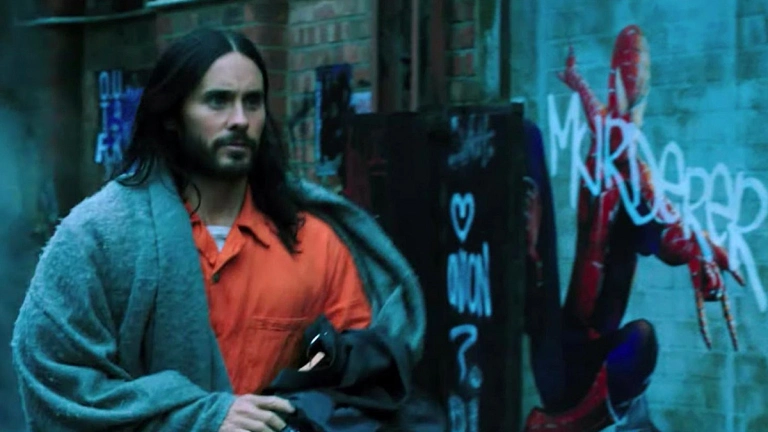
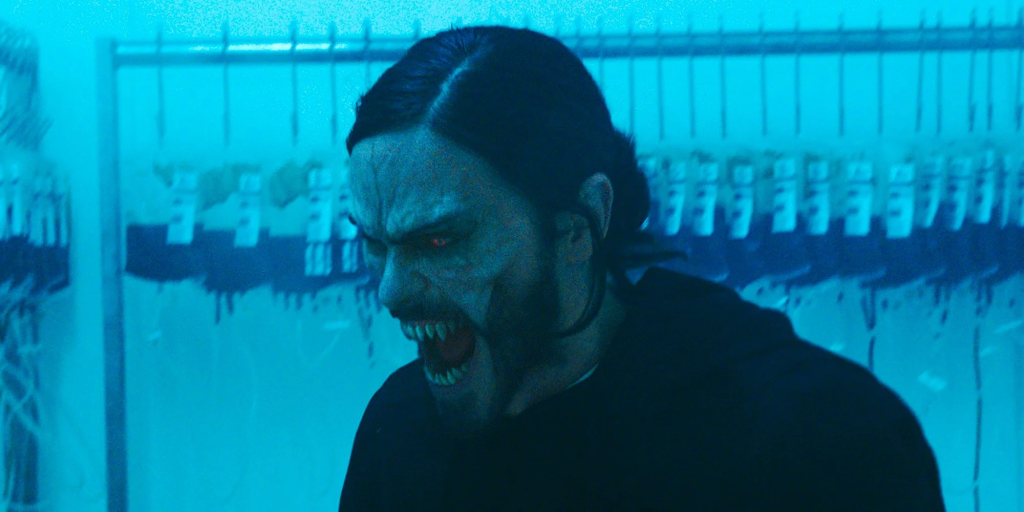
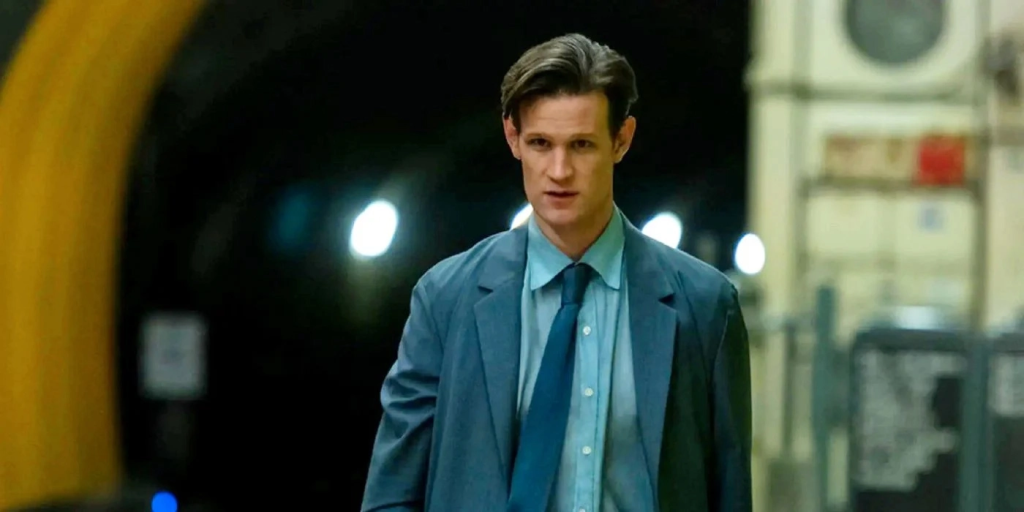
The thing that makes Morbius along with the two Venom movies (even if you are someone that likes them) look remotely bad and cynical is Sony openly stating that you have to watch a movie you may end up hating with a burning passion just so you are able to understand what happens in a future movie that you might end up hating a little less. The characters themselves lack interesting or compelling stories and is relying strictly on it’s main actors to be able to provide any sort of depth or intrigue to incredibly flat characters they are given to play. Even if the universe building itself or connections aren’t the main focus on, it always seems like it actually is because of so little else happening in the actual movie. It’s Tom Hardy doing weirdo stuff that was compelling in the Venom movies, not the actual character of Eddie Brock and the symbiote itself. It was Matt Smith having a good time that made him somewhat fun in Morbius, not the actual character he plays. It’s not Morbius itself you were required to see to find out the direction of Sony’s Spidey-verse, it was just the post credit scene of it. That’s what makes it’s ill-fated and flawed foundation stick out badly because there’s so little else to gravitated towards these movies except with seeing some good actors ham it up for an hour and 45 minutes. These movies seem to only exist so that one day they might be connected to a bigger story but the studios aren’t even sure if they will have the revenue to be able to back up their future plans.
That seems to be the one thing that Hollywood is missing the point in all that Marvel has accomplished. In order to build a solid foundation with a shared universe, you have to make it a foundation that people want to actually be a part off. You have to make the characters and the universe you are building likable and interesting in their own rights and have it’s interconnectivity as a guideline but not as a main necessity. Sony (and plenty of other big Hollywood franchises) hasn’t done any of that. By making movies that feel more like obligations or check-off lists than actual films and having post credit scenes that constantly hints at a certain future but it’s unclear if it will actually come, this are examples as to how Hollywood continues to miss the point to the success of it’s main juggernauts and we will constantly see more results like Morbius this in the near future.




















 Adam's Blog