I'm a simple guy that likes to be entertained and write down whatever is on my mind!
Twitter: @SkyScreamer8
Letterboxd: TheMovieManic
YouTube: Poisonousmaple7
Xbox Live: PoisonousMaple7
PSN: Skyscreamer57
NN Friend Code: SW-6290-5417-3425
Whenever movies like The Lost City comes around, you always tend to hear this exact phrase from old film buffs, “they don’t make them like that anymore”. I think the reason for the constant uttering of that phrase is more than those folks realize. It’s not necessarily because they don’t actually makes movies like this anymore as they clearly do. We got Uncharted last month, Jungle Cruise about nine months ago, and there’s even a chance in the near future that we’ll be getting a 80-year old Harrison Ford back as Indiana Jones. I believe that more comes from the notion that these kind of flicks that come out today don’t give them that exact same sense of adventurous nostalgia that the better kind of these movies did in the 1980s, most notably Raiders of the Lost Ark or (at least in this film’s case) Romancing the Stone. No movie genre or sub-genre can stay dead forever. Even when it’s dead and buried, life will always find a way to resurrect it. Why else do you think we’re still getting superhero movies 25 years after Batman and Robin?
The fact we have to treat movies like The Lost City as high regard for the subgenre of romcom and adventure flicks or else it will go away forever is quite preposterous. These kind of movies don’t have to be game-changers to be good, they just need to be good in their own rights. And for the most part, The Lost City is pretty good. It’s not great and I’m not quite sure if it could be considered good underneath the surface if you took away it’s charismatic cast, but it does it’s job of delivering a breezy crowd pleaser that has the right blend of action, adventure, romance, and comedy to make for a solid night out at the movies.
Premise: Loretta Sage (Sandra Bullock), an author who is famous for writing romantic-adventure novels that focuses on a fictional protagonist named Dash, who is portrayed by a handsome but dumb model named Alan Caprison (Channing Tantum). However, despite her success, she had gained a constant feeling of being unsatisfied with the direction who career is going. While on a tour with Alan to promote her new book, Loretta is kidnapped by a mercenary named Abigail Fairfax (Daniel Radcliffe), an energetic billionaire who believe that the supposed “lost city” in Loretta’s new book is in fact the real deal and demands that she take him there. Alan, who has no survival skills, hires a CIA agent (Brad Pitt) and goes on a quest to find and rescue her.
The plot is about as basic as these kind of movies can get with not much depth or complexity to be found here. While there’s an interesting idea for potential meta commentary about fantasy vs reality, not believing in every single thing that you read, or even doing a Se7en or Memento style of “a movie in a movie”, it’s not really explored that much upon and acts more as an excuse for a trio of likeable actors to go on an amusing adventure together. But that’s okay because everyone in this talented cast brings their A-game and is able to do the very best with the admittedly surface level of material they are giving to work with.
The biggest main focus of the movies focuses around the relationship between Sandra Bullock’s Loretta and Channing Tantum’s Alan. On paper, this sounds like the oddest and worst pairing possible. It’s the kind of pairing that certainly been seen as a lazy excuse to do the whole “opposites attract” trope (one which Jurassic World did INCREDIBLY poorly), but it works here because both Bullock and Tantum are very likeable presents and are able to add just enough depth to their characters which come across more than just one-note cartoon action figures. Sandra Bullock has recently hinted at potentially heading to a semi-retirement. If that’s the case, then at least she is able to show everyone what an absolutely likeable and welcome present she always is on the big screen as Loretta (Greenlight Ocean’s 9, you cowards!). Channing Tantum shows that there’s more to his comedic chops than with the Jump Street movies. While his character is suppose to come across as being the “hot dumb guy” of the picture, the film thankfully doesn’t go too overboard with it and does allow for Tantum to have a few stand out moments for himself without taking anything away from Alan.
The rest of the cast stand out well as well, particularly that of Daniel Radcliffe’s Abigail as the antagonist along with Brad Pitt’s Jack Trainer. Radcliffe admittedly is not one you can fully buy as being a scary or intimating villain but he does absolutely chew the scenery of being the toxic fanboy that reads too deeply into things that it’s genuinely hard to care. Brad Pitt does make for a welcome presence but he isn’t in the movie as much as you would expect. Almost as if directors Adam & Aaron Nee didn’t want his character to come across as being too badass and have Pitt steal his thunder away from that upcoming Bullet Train movie where he is guaranteed to be kicking all kinds of ass there. Da’Vine Joy Randolph, Patti Harrison, and Oscar Nunez as Beth Hatten, Allison, and Oscar respectively don’t quite land the banter and quips as the rest of the crew but they are not in the movie nearly enough to where it comes across as a big problem and do have some chuckle worthy moments regardless.
It might seem odd that I’m mostly focusing on the cast rather than the other aspects of the movies but that’s mostly because it’s this star power crew of talent that is able to carry the whole picture and it’s abundantly clear that is the attend on the filmmakers part. You can definitely argue it falls into the kind of action adventure clichés that more recent flicks of this sub-genre couldn’t avoid, but at least here, it’s able to nail the cast of characters that are able to provide their own room of depth and traits that it doesn’t matter how somewhat thinly written their characters are.
The movie does drag in the middle where there is at least good 15 or 20 minutes where the momentum stops completely as it’s mostly consists of scenes of Bullock and Tantum together to further develop their chemistry so that their endgame to their relationship can make and kind of sense. There are at least one or two shots were the green screen is painfully noticeable (Film Twitter is gonna have a field day with this movie once it hits home media). Plus, as I said in the beginning, it’s somewhat of a shame that the movie doesn’t even attempt to add a bit of intrigue to it’s plot despite it’s overall premise just screaming of “a movie inside of a movie” where it’s main character is an author and goes on the exact kind of fantasy adventure with her “too handsome to be true” male counterpart that she writes about for a living. Then again, that probably could be too much for the movie’s target demographic that it would possibly be seen as a step too far. Lastly, comparisons to The Romancing the Stone are very obvious and while I still argue the movie works well enough as it’s own thing, you will probably be able to notice the structural similarities if you look too deep into it.
There definitely is a sense of The Lost City being looked down upon as not being the genre bending film that certain folks want this to be. While that might be true on the surface level, at the very least the movie doesn’t try to pretend to be anything more than that or deceive it’s audience into thinking it’s something much more grand than it actually is. It’s the kind of a flick that is pointless to pick apart and criticize because it’s very clear everyone on the production of this movie are getting together to just have a fun time. Having a fun time by making the exact kind of flick that they probably grew up watching in the theaters and sharing there love of it onto casual movie goers. And a fun time it absolutely is.
The Lost City is a brisk, enjoyable adventure flick that some might be able to get more out of than they did with other similar recent movies of this sub-genre like say Uncharted or Jungle Cruise. The beats worked, the jokes mostly land, the cast are a blast to watch, and it’s not a chore to sit through. As I’ve said many times throughout this review, this probably would not have worked if it weren’t for the likable bunch of talent on the big screen but they were up on the big screen throughout the film’s 102-minute long runtime. Because of that, I can’t help but like it.
Last week, I had the privilege to see a special screening for the original LEGO Movie in theaters. It was the first time I ever saw the movie on the big screen. One of the biggest mistakes I ever made in regards to choosing which films to see is when I picked to see that shitty and forgettable Robocop remake (You completely forgot that was a real thing, didn’t you?!) over The LEGO Movie. A decision that was so shameful that it makes me want to take a shower every time I think about. However, eight years later, I was able to correct that one big wrong and see that brilliant animation flick the way it was suppose to be seen.
Which makes it an incredibly unlikely coincidence in that just yesterday there came the announcement that a movie about Play-Doh is in the works being written by Emily V. Gordon (The Big Sick) and produced and most likely directed by Jon M. Chu (Into the Heights). The reactions so far to this is pretty much the same reactions when it was announced there was going to be a movie based off of emojis. Nothing but eyes rolling. Yet again, that dreaded sense of Hollywood constantly scrapping the bottomless bottom of the littlest little barrel. However, just like whenever there’s been a confirmation that a movie with an odd premise is announced, there are a handful of individuals out there that claim we should give the movie the benefit of the doubt simply because The LEGO Movie, a movie that everyone raised their eyebrows at too when it was announced, turned out to be good. Personally, I find that line of thinking to be quite flawed and here’s why.
It’s no secret that Hollywood always tend to learn the absolute wrong lessons when movies of a certain genre or medium are a big success. After The Dark Knight, that gave them the impression that people want superhero movies that were dark, joyless, and took themselves extremely seriously with no sense of humor or levity to speak of. After The Avengers, that gave them the idea that people now just want corny and cheesy superhero movies that don’t take themselves seriously at all and everything has to be a cinematic universe. After Star Wars: The Force Awakens (and to some extent, Jurassic World) , it gave them the notion that all you have to do to revive franchises is to make an installment that’s mostly a remake or remix of the original movies with a handful of new characters while bringing back the aging old original cast as side characters, since audience now seem to treat their favorite franchises like their favorite fast food restaurants, just wanting the same stuff they got last time. And after the success of Spider-Man: No Way Home, don’t be surprised to see every big franchise out there trying to find some bulls*it, nonsensical way of creating a multiverse to have an excuse to bring back other incarnations of that said series. No matter what movie is successful and how Hollywood chooses to response to it, they always manage to screw it ups somehow
In this case, the success of The LEGO Movie gave Hollywood (and most moviegoers) the indication that you can literally make a movie out of literally ANYTHING and it will work out…..just because. No matter how far fetched a concept of a movie sounds or how odd it’s premise is, you can still make a movie out of it all because The LEGO Movie exists. It created the notion that a movie can never have actually have a bad idea, it’s just the execution that matters. To anyone that believes that, I think you really tend to forgot why The LEGO Movie was looked down upon at first.
The main reason that The LEGO Movie was looked down upon at the beginning is because that on paper, it sounded like the most cynical, soulless toy commercial imaginable. It’s the kind of movie that could easily be given a pass just for simple being a “kids” movie. It makes for the best kind of “critic proof” movie that would use the whole “it’s for kids” schtick as it’s own “get out of jail free” card. It’s the perfect excuse to make the most safe, lazy, and plain deposable movie possible and really only matters if the characters in the movie are able to sell greatly as dolls, action figures, or in this case, LEGOS. Especially in the case of LEGOS, that seems like the kind of movie that would feel right at home as a tv movie that would debut on Cartoon Network or as a straight-to-dvd/Netflix rental. It wasn’t necessarily the idea of making a movie involving LEGOS that was the issue, it was the belief that the movie would contain an overemphasis on marketing brand and shareholding that was thought to be the big problem.
Making a movie involving LEGOS is a concept that has endless potential. It’s a movie where you can have the LEGO people be actual characters who get development, have it’s own unique animation style, create tons of exciting and inventive set pieces, add in some original jokes, subvert/poke fun at certain movie cliches, and have a heartfelt message that can appeal to both kids and adults that have played with LEGOS at some point in their lives. There is an actual premise to work with there. That’s exactly what Phil Lord and Chris Miller realized when sitting comfortably in the director’s chair and used that unique premise to their fullest advantage.
While I’m sure the movie was able to help sell tons of LEGO sets the way that stockholders hoped it would, The LEGO Movie was able to be something much more than simply be a movie exist to sell toys, even if that was intention with stockholders. It showed that just because you’re a brand doesn’t mean you have to sacrifice the artistic integrity and creativity to make something special. The potential of a movie with LEGOS was always there. It wasn’t a success simply because it was The LEGO Movie, it was a success because it had a fun concept and came out of it with execution that was nothing short of magnificent.
This is where I draw the line with people that always want to go “but The LEGO Movie was good” every time a movie surrounding an incredibly bizarre concept is confirmed to be in development. That’s the notion that Hollywood wants to give across to audiences after the critical and commercial success of The LEGO Movie and with what’s come afterwards, shows once again them failing to learn the understanding of their achievements. If you want complete proof of that, look no further than The Emoji Movie.
The Emoji Movie was always doom to fail because of how inherently flawed it’s premise is and the way they chose to go about it. You can’t provide development or depth to emojis because emojis themselves aren’t something that can carry a feature length film. Emojis are not characters, they’re images, icons, emotions, and can’t have anything resembling a three-dimensional person because that’s just not what it is. The fact that the filmmakers behind that movie didn’t realize that immediate fact before even starting production for that turd bascially made it doomed from the start.
At best, the only way The Emoji Movie could have worked was if it was a spoof that poked fun at itself and the whole idea of emojis (similar to Sausage Party, even though I’m not a fan of it), but it didn’t do that. Instead, The Emoji Movie actually thought it was actually a real movie. It thought it had an actual story to tell, an actual arc it was providing it’s main character, and an actual message it wanted to convey. It failed spectacularly because it didn’t seem to realize how completely absurd it’s own premise was and actually believed it was saying something meaningful. Also, the heavy amount of product placement didn’t help much either. The LEGO Movie had a branding foundation that has real characters and style to work with, The Emoji Movie did not and nether does Play-Doh.
While I’m a big fan of The Big Stick and enjoyed Into the Heights, I just don’t see how Emily V. Gordon and Jon M. Chu can make a movie involving the Play-Doh brand work unless they go the spoof or meta route as I previously mentioned. This announcement goes back to my point of why everyone including Hollywood needs to go back and rewatch The LEGO Movie as to why the movie ACTUALLY worked! It didn’t work JUST because it involved LEGOS, it worked because it involved heart, passion, and a crew that wanted to do something new, funny, heartfelt, creative, inventive, and subversive with its sandbox of a premise. Play-Doh is the kind of brand that severely lacks any ounce of potential multimedia expansion with it’s property because there’s hardly anything to work with as an actual feature film.
If or when the movie comes out and it turns out to be next Emoji Movie, this would be yet another example of Hollywood missing the point of it’s own successes and made honestly make people start to question whether or not The LEGO Movie, the movie which every studio is trying to rip-off/emulate, was every any good in the first place. When that day comes when we start to actual question the quality of The LEGO Movie because of all the failed attempts at trying to capture that same magic, that will show off little understanding Hollywood and most people have as to why that exact movie every worked to begin with.
I sure can’t wait though until that Barbie movie comes out and Greta Gerwig somehow is able to make a masterpiece out of that. (Update from future me: SHE DID!)
(I sure can’t wait to see Warner Bros and Mattle screw the success of Barbie with them greenlighting a dozen other projects at once with premises that don’t make a lick of sense just because the Barbie movie was a thing. I can almost copy and paste everything I just say and apply it to Barbie. It wouldn’t be Hollywood if history didn’t repeat itself I guess.)
Link to article about the Play-Doh Animated Movie in the Works:
For the past two and a half decades (save for 1997 and 1999), Joe Buck has been the World Series. For nearly a quarter of that time, he has also been the Super Bowl as well. Those are undeniable facts! Love him or hate him, it’s the absolute truth!
It’s been reported all this week that Joe Buck will be leaving Fox and is joining Troy Aikman (who has been his partner for two decades along with those six Super Bowls he announced) where he will now be doing Monday Night Football games on ESPN. The duo who have already been abducted into the Pro Football Hall of Fame will be coming together once again to do weekly NFL games along with providing exclusive content for ESPN +.
This can been seen as both a shocker but also something that we could have all seen coming. Aikman had already left Fox a couple of weeks prior to join ESPN as he revealed that Fox didn’t offer him an extension. Buck, on the other hand, had at least one year left on his contract which would have ended after next year’s Super Bowl. He has also gone on record saying how much of an exhausting experience it can be with announcing games and constantly needing to travel over and over again, especially in October where he has to do Thursday Night and Sunday Afternoon games for the NFL along with the League Championship Series and the World Series for the MLB. However, it seems as though the two sides came to a mutual agreement and decided to go their separate ways a year prior to his expiration.
It hasn’t been 100% confirmed who’s going to replace Buck for both baseball and football games for Fox. Recent reports have claimed that the favorites to succeed Joe include Kevin Burkhardt for the NFL and Joe Davis for the MLB. We still have yet to have absolute confirmation from Fox but there was absolute confirmation earlier yesterday from the Buckster (I promise that’s the only time I will call him that) himself on his Twitter that he has officially sign on to join ESPN for Monday Night Football.
I don’t know or am gonna pretend to know what went on from behind the scenes at Fox to why this big move was made but I do know one thing, sports will never be the same again now.
Personally, I like Joe Buck. He may not be the most exciting or the most enthusiastic sports announcer out there but he is one that keeps it real and doesn’t come across as tryhard. He always know exactly what to say at the exact moment and always know when to let the game itself do the talking. He has a dry sense of humor but knows when to add a bit of levity to the booth. He is always someone that whenever you hear that he’s going to announce a particularly game, you know damn well that it’s going to be a big one. He also just has a special deep raspy voice that was just absolutely MADE for broadcasting!
Also, he once called a touchdown while taking a piss! How can you not love the man?!
(There was also that time where he called an NFL game AND a NLCS game on the exact same way!)
It has become the popular opinion among sports fans to hate Joe Buck. Whenever he’s announcing a game, you always see his name trending on Twitter and at least 90% of the time, the tweets aren’t very friendly. The criticism that you always hear from them is that Joe Buck is too biased, boring, talks too much, constantly repeats himself, and always tends to state the obvious.
(And there was also that one time where he seemed to have a vendetta against Randy Moss for “twerking”.)
I’ll admit I do have more specific reasons to like Joe Buck than most. Part of it is because I’ve lived near St. Louis (where Joe himself lives) my whole life and have heard him multiple times announce games for my favorite baseball team, the St. Louis Cardinals. There was also my parents who grew up with his father Jack Buck being the voice of the Cardinals (We can never forget Jack’s iconic line from the 1982 World Series) and have seen Joe himself grow to becoming the biggest sports broadcaster on the planet when he started his career with booth duties here in St. Louis. And there was also that one time where I got his autograph when he signed my copy of his book, Lucky Bastard. It’s perfectly fair to claim I have my own personal bias for Joe Buck but I do think he is better than many sports fan give him credit for.
(There was also that one time where he stopped in the booth during a Blues game and announced that for about five minutes.)
Firstly, about 99% of the criticism that is always thrown at Joe Buck can be honestly apply to nearly every single sport announcer out there. With some very few exceptions (mostly just the incredible and extremely vocabulary hockey booth legend Doc Emrick), sports announcers always tend to fall into those similar trappings as Buck always get accused of. There’s always going to be moments of biased because that team who the announcers are “biased” towards is reflecting their overall love and passion for the kind of game that they are broadcasting. There’s always going to be moments of repetition and stating the obvious because they always have to keep the audience up-to-date on every single important concrete detail imaginable so that anyone who is just joining in the game itself will not be lost. Lastly, it’s a very difficult to constantly keep talking for several hours straight and getting little to no time to take a break or even get a cup of water to clear your throat. It’s understandable for an announcer to be exhausted or even bored on occasions. These sort of critiques are ones that you can apply to any announcer yet it’s always seems like Joe Buck himself that gets those critiques thrown at him more than most. Sure, he’s arguably the biggest sports broadcaster out there but it’s always seems like as those sports fans consider Joe Buck to be a scapegoat to what’s wrong with sports broadcasting nowadays when in actual reality, that’s just how it has been going on in the sports booth for a really long time.
Every sports broadcaster has their own style and formula that they follow. Buck, admittedly, has that more than most announcers out there but that’s what makes him good, popular, and all around, a class act. He never acts like he is above anyone and even has no problem calling himself out with various infamous calls he has made. He treats each game exactly the way it is suppose to be without trying to make it all about himself. He knows what every single viewer who is watching is there for, it is there for the big game that he is getting paid big bucks to talk about for a certain amount of time. Is he the greatest ever? Probably not, but he’s far from the worst and you most likely won’t find anyone bigger than him for at least a good long while.
But yet, things are about to change drastically for sports out there. For the first time since 1999, someone else will be the voice of the World Series. For the first time since god knows how long, someone else will be the voice for Fox when they get their turn at the Super Bowl less than a year from now. For the first time in a long time (at least until 2027 when ESPN will get their chance at broadcasting the Bowl itself), there will be no Joe Buck to lead the charge to any big game event other than for some Monday night ball action. There’s a chance that things will be different at some point but for now, that’s how things are going to be.
You don’t have to love Joe Buck or even like him, as many people have demonstrated for the past several years but there’s no denying that things will be different without him broadcasting live sport events for Fox. During the 21st century, one man has been the face of the World Series and Saturday afternoon/night baseball games for Fox. Whether he’s with the booth with Tim McCarver, John Smoltz, Harold Reynolds, Tom Verducci or whoever, he has always had some sort of presence there. Now, that presence has vanished along with his football duo, Troy Aikman. They both have vanished into thin air and now have found themselves a new home.
No matter who ends up replacing Joe Buck for Fox, they will have quiet a legacy to inherit for many years to come.
Here’s a clip of Joe Buck’s arguably most iconic call, one which he echoed from his father.
Going through puberty is cringe! I think every single person who has gone through that awkward but important phase in their lives can agree on that. It’s that stage that is like the equivalent of ripping off a band-ad that been a part of your skin for months or popping a really big zit that has been on the side of your face for weeks. It’s uncomfortable and will probably make you squirm but it’s something you know you have to do and get through at some point in your life. Regardless of what gender you are, there’s always that point in time where you go through that period of time where you not only start to experiencing changes in your body, voice, and hormones but how those changes are going to affect you for the rest of your time on planet Earth. The reason being is because the changes you go through when you hit puberty is also what changes you from underneath and that’s when you start to discover your true purpose in life. You don’t have everything planned out exactly but you discover that first step that you’re wanting to take which will lead to your exact definition of a successful future.
When it comes to recent movies, there hasn’t been one that quite captures the glorious and embarrassing amount of cringe of going through that difficult time period than with Bo Burnham’s Eighth Grade. A film which saw Elsie Fisher’s Kayla Day go through all the inevitable phases that a teenager must go through as they work their way through middle school and approach high school. She is everything that you would expect a girl like her to be in the eighth grade. She was quiet and awkward, she suffered with stress and anxiety, she had a hard time interacting with other students, she published video web blogs that only her herself really watch, she had a rather distance relationship with her dad, and overall, she was just a teenager. Admittedly, the movie itself was cringe and honestly hard to watch at times, but that was the point that Bo Burnham was trying to make with that movie. It was cringeworthy and difficult to watch experience because experiencing the eighth grade itself is a cringeworthy and difficult to learn experience. Whether or not that Turning Point comes close to capture that same realistic magic as Eighth Grade is something I can’t quite say but I haven’t seen a children’s movie capture this kind of subject matter as perfectly as it does. (Friendly reminder, that Eight Grade was actually rated R instead of PG-13 which I believe was a bit mistake. Aside from a couple of f-bombs, it’s as PG-13 as it goes)
While this is certainly not the first Pixar movie to tackle themes of growing up and maturing (see the Toy Story sequels), there really hasn’t been one that been as front-and-center with those core themes than with Turning Red. And also while this also isn’t even the first Pixar movie to have a main female lead like some are claiming it is (Did everyone just suddenly forget about Brave, Inside Out, Finding Dory, and even the Elastic Girl lead Incredibles 2?), there hasn’t been one that has captured the inner turmoil of what I imagine a girl has to go through when they turn 13 years old.
I will admit, I’ve never been a 13-year old girl. I’ve been a white, caucasian male my entire life. That right there might make some of you want to click off this review and go find another reviewer that has been through the same growth spout period as you have. And if you do, that’s fine. I certainly think the voices of target demographic which this movie is aimed matters just as much if not more than those outside of that demographic.
But just because I can’t relate to being a 13-year old girl doesn’t mean I can’t relate to Mei or her girl friends in any way, shape, or form along with their early experiences as a teenager. I might not have went through the exact same awkward phase as Mei, Miriam, Abby, and Priya does in the film (and I especially have not been turned into a giant red panda) but I certainly have gone through an awkward phase of some kind when I was the same age as all of these main characters throughout the film. (Heck, I even too had finished in 2nd place in the spelling bee as well! No joke!)
There seems to be a consensus lately that if an audience member can’t relate exactly to what the main character has gone through, then that makes them a bad character or a character that strictly “not for them”. (Which is something I will DEFINITELY bring up in my piece soon about that ONE review of Turning Red which is a prime example of everything wrong with film criticism.) I personally never understood that. While I always love to see a part of myself on the big screen, I’m also equally fascinated to a non-part of myself on the big screen as well. I like see different kinds of people go through different kinds of phrases in their lives compare to mine on the big screen as well. I like to see how they are different from me in terms of personally, development, and growth throughout the motion picture. I like to see them make valid and logical choices that I myself personally would not have made. I like to see someone on the big screen that is different than me but in a incredibly compelling way. Even if I’m not watching a movie with a main character that doesn’t resemble me in any way, shape, or form, I have HUNDREDS of others films that do that I go watch. That’s how I see the characters in this movie and I don’t think it could have worked out for the better.
When looking at it from a surface level, it can be easy to assume Turning Red as a movie strictly for young girls and teenage girls. While it’s totally understandable to assume that and I won’t even tell people who claimed that are wrong, I do feel there is strongly something for anybody to relate to in this movie. Because Turning Red isn’t just about a girl taking her first steps into become a woman, it’s about also taking that leap of faith that might go against everything that the folks who raise you stand for. Even if you don’t go through that same awkward phase that every young girl goes through during her teenage years, you can at least see the main character’s troubled relationship with her mother and her inherited family which is something I know anyone can get an understanding of.
As much as Turning Red is about getting through that next awkward step in your life, it’s also about finding yourself through that teen years and being that version of yourself you can imagine being for the rest of your life. Mei’s mother Ming Lee is about the most strict, overprotective, and emotionally manipulative mother you can possibly imagine. Not only imagine absolute perfection from her daughter but also imagine no other version from Mei than the one that perfectly matches her along with her family and ancestors. Despite how hard Mei might tries to be the perfect daughter that her mother has imagined, there is still a sense of emptiness insider herself that she want’s to be something much different than what her heritage had set in stone for her. It’s with her relationship with her friends, Miriam, Abby, and Priya, that shows that there’s more to her than what her mother wants her to be. Mei is upbeat, full of energy, and wants to be part of the crowd instead of an ancient religion. This is all everything that her mother is not (and as we learn throughout, that’s also something that Mei’s grandmother isn’t either), and that’s what make the Red Panda in this story work perfectly.
The big hook to this movie is that Mei is able to transform into a huge red panda whenever she experiences a strong emotion of any kind. Whether that strong emotion considers of anger, sadness, or excitement, Mei will immediately transform into a giant, fluffy red panda once she fill a big ounce of feel. That makes for a great case of someone being afraid to express their emotions in an extreme way that it gives everyone in public the wrong idea of who you are. Deep down, Mei isn’t a big scary fur bear, she’s just an innocent child who now likes boys, music, and expressing her true self onto other people. While the red panda shows publicly what Mei might be on the outside, that’s not how she truly feels on the inside and hopes that other people don’t get the exact opposite idea of it. Whether or not, the public will like Mei as a red panda, Mei also hopes that people like Mei as Mei as well. Make no mistake, the Red Panda itself does makes for some rather bizarre but interesting lore throughout the film which ties back into Mei’s ancestors of members of her family having to go through that period of rejecting that red panda period so you can be at one with the entire clan. However, the Red Panda also perfectly mirrors that awkward pubescent stage that all of us have went through or will go through once we have reached the teen years. We all have had our “Red Panda” moment.
What also helps greatly is the animation! While it can certainly be described as crazy, weird, over-the-top and just plain “out there”, it perfectly blends with the exact kind of movie that it’s aiming to be. It’s just as stylish, energetic, and even at times cringe as is the story that it’s trying to tell. It’s colorful, beautiful, and upbeat with some of the most expressive characters that I’ve ever seen in animation. Between this and Encanto, it certainly seems nice to see Disney take the next big step into animating their films but not just making the aesthetics and background look more realistic but also with making their characters emote and expresses themselves in that exact same fashion.
As much as Turning Red has smart and mature themes throughout, it’s also just a ton of fun! It’s extremely hilarious with jokes that even if I can’t relate to or even understand, made me laugh quite a bit. It’s sharp and fast-paced throughout with hardly a dull moment to speak of. The vocal performances from the cast, especially Rosaline Chiang and Sandara Oh as Mei and her mother respectively, is strong nailing the sharp and funny dialogue along with the emotional beats and story turns the movie takes until it’s final act. Regardless if you watch it as an cinematic exploration of growing up and believing in who you are or just as an entertaining animated flick, Turning Red is the absolute complete package!
There are definitely some things you can criticize (As likeable as Mei’s father is, I do wish they could have done more with him aside from being just the nice dad who barely speaks and just blindly goes along with whatever his wife wants.), but Turning Red is another Pixar winner and another prime example of how we should all learn to stop doubting them by now. There are definitely Pixar films I’m more attached too and even some I think that are better than this movie, but I can’t recall a Pixar movie that is just so open and honest with itself as this one is. It take risks and tackles subject matter that at least 99% of other animation studios are probably afraid of tackling for a supposed kids film, it has a strong thematical and emotional core that holds the whole thing together near perfectly which nearly everyone that watches it will be able to get some sort of reaction out of, and has animation that at times might be cringe, but serves it’s purpose and executed in all of the intent and purpose imaginable. Turning Red is a wonderfully, lovable movie about an awfully, cringe-able time period that we all have or will have to go through that I can’t recommend enough.
Before watching this movie, I never thought in a million years that I would say to myself, I definitely remember the time when I had my own “Red Panda” moment.
(Seriously, Domee Shi! How in the world did you know that I finished 2nd place in the spelling bee?!)
2022 is shaping up to be the biggest year for Sonic the Hedgehog yet! He’s got a second movie coming out next month, a new Netflix series titled Sonic Prime that’s set to debut this year, a new Sonic remaster of the classic era games called Sonic Origins, and the next big 3D main entry in the franchise, Sonic Frontiers, scheduled to hit stores this holiday season! And with the recent announcements of a third movie in the works along with a new Paramount Plus series with fan-favorite Knuckles the Echidna, the future seems quite loaded for the speedy blue blur.
Whenever you talk about Sonic the Hedgehog, it always starts off with that same, boring monotone line of dialogue about how the franchise was once a big thing but has long lost it’s way. The repetitive, tiresome, preachy take of “Modern Sonic bad, Classic Sonic Good” Blah blah blah. That constant same mumble jumble over and over with what seem like at least the past two decades. Even when a Sonic game or medium comes out that’s actually good, that always tends to get brush off and the media immediately retreats back to it’s “Sonic sucks!” narrative yet again.
Or in the case of IGN, Sonic was never good to begin with!
I’m not gonna go into how right or wrong these people are but unfortunately, that has been the reputation with this series for quite some. However, if what SEGA plans for 2022 for Sonic is any indication, they are looking to change that narrative in a massive way. The exact way they plan on doing that is by taking their most beloved/infamous mascot from a traditional gaming franchise to now a multimedia franchise!
Granted, this won’t be the first time that SEGA has tried to do that with Sonic. Back in 2014, (which SEGA did actually initially hype of as “the year of Sonic”, they were looking to expand Sonic onto other forms of media in the series spin-off, Sonic Boom. Sonic Boom took a new direction with the franchise and acted as a departure from it’s own existed canon. It focused on five main characters most well-known by fans of the franchise, those being Sonic, Tails, Knuckles, Amy, and Dr. Eggman (Yes, I know he’s actually Robotnik but I’m calling him Eggman, damn it!) along with a couple of fan-favorite characters along the way like Shadow and Metal Sonic. Every one of them got redesigns with Knuckles looking buffer than ever, Eggman looking thinner than ever, and Sonic actually having blue arms for once. It was set in a distinct world separate from the main series, introduces original characters, most notably Sticks the Badger, and was promised to be a fresh start for the series along with giving it a brand new sense of identity. With a launch of toys, comic books, a couple of video games, and a television show, this was Sonic’s chance to jump back into the spotlight in a bright fascinating way. However, the results of this were mixed at best.
The television series aired from 2014 to 2017 with two seasons consisting of 104 episodes (all less than 15 minutes long) that first aired on Cartoon Network but later moved to Boomerang. It’s never been established of what the overall reaction to the show was and if it was all that popular to begin with among their target audience of young children. It just seems like a show that just existed and was a thing at some point. For what I’ve seen, it’s a decent, enjoyable kids cartoon with some fun action, fine humor, enjoyable spoofs and simple storylines/messages that you won’t think too much about just a couple of minutes after each episode had ended. It didn’t quite seem to reach the same highs (at least in term of ratings) as the original Sonic Satam in the late 1990s or even Sonic X (Again, in terms of ratings) in the mid 2000s but it wasn’t as low as say, the completely forgotten Sonic Underground. Perhaps this had to do with the rapid reaction to the overall announcement of the Sonic Boom franchise with folks being put off about the direction and character redesigns along with how the Boom games were received themselves, which ranged from middling (Shattered Crystal and Fire & Ice) to awful (Rise of Lyric).
Looking back on it, I don’t think Sonic Boom was quite the success that SEGA was hoping for in the grand scheme of things. It didn’t seem like it was as memorable of the series to this generation of Sonic fans as Satam and X was to the previous ones. It’s hard to consider it a failure but it’s also hard to claim it was a hit either. Regardless of the results of previous Sonic incarnations and desperate attempts to reinvent the franchise, it’s look as though SEGA is looking to take it all one step further with what they are planning for Sonic for not just this year but for the near future.
It’s no secret that the Sonic the Hedgehog live-action movie released in 2020 was a big success for SEGA. Despite not making quite as bit of money at the box office as it could have due to the movie coming out just before Covid hit, it definitely was something that both fans and movie goers thoroughly enjoyed. Because of that, SEGA knows they got a big hit on their hands and want to ride that success train for as long as they possibly can. The best way to do this is to introduce these newcomers into the series with an expanding library choice of content. From the movies to shows to video games, no doubt SEGA wants to make new fans feel right at home.
For those that enjoyed the first Sonic movie, they got a second one to look forward and if they like that one too, there will be a third one on the horizon. For those that happen to enjoy Idris Elba’s Knuckles in the second one, then they got a brand new series just about him in the works. For those that enjoy the movies’ overall characters, callbacks, references, and lore from the games, they now have a new remaster of the original Sonic games on the way so they can get the characters, callbacks, references, and lore for next time. For those that want to see Sonic in a strictly new animated show that will put it’s own spin in the soon-to-be massively overdone multiverse concept, you got a new, original Netflix series coming soon. For those who want to experience a brand new Sonic game which perhaps will shape the direction of the franchise in the same way that Sonic Adventure and even Sonic Unleashed did, they have a new game coming out developed by Sonic Team that they can ask Santa for Christmas. And heck, I’m pretty sure that there’s some good comic storylines by Archie that perhaps might even give you more respect for the Sonic characters than you had for the games or shows (Just avoid anything from Ken Penders!). All of this and more shows that SEGA desires for the 2020s is to have Sonic the Hedgehog be seen as more than just a gaming franchise still clinging onto the past, it’s now an expanding franchise that is looking strictly into the future across many mediums.
We all don’t know for certain if this will all work out in the long run. I imagine that SEGA has been trying to do something like this for the last two decades now but never have been able to find that one successful piece big enough to start building their own glorious puzzle up until now. There’s also the concern about how focusing on so many different things at the same time can lead to truly messy results (kinda like with the last several years with Sonic Team). No one can predict the future because as we all know, the future is not set in stone.
The first Sonic movie gave the franchise another leash on life in a way that no other Sonic media has ever had. At least now, there’s a chance to take advantage of this opportunity to build on something special and redefine Sonic in ways that are unimaginable but feels completely right. If SEGA wants Sonic to be anywhere near as popular as he once was, then they better coast on the success that they have right now and have all forms of good content for the foreseeable future. It’s only then that we will all be able to look back in how a change in a movie character design was able to change the franchise for the better. Not just by delivering a movie that this generation can look back on as the moment that they truly knew Sonic the Hedgehog, but the one that the blue blur was no longer seen as a slumping gaming series, but so much more.
Sonic’s future is in your hands now, SEGA! Don’t smurf it up!
Release Dates:
Sonic the Hedgehog 2 will release in theaters on April 8th.
Sonic Prime, Origins, and Frontiers have not gotten official release dates yet but they have all been confirmed to come out sometime this year in 2022.
When I decided to do a marathon of all the Batman movies that had been released in theaters, this decision came from not only trying to build anticipation for myself and others for this newest entry but tried to get a sense of how each individual Batman incarnation differentiate themselves for one another. Not only to see what each different version has brought to the table and to see what exactly the new one could do, but more of what each version has NOT brought to the table and what exactly could this new one bring that the other films have not. With a character that has gotten so much live-action films along with TONS of animated ones, you would think that you have milked the franchise long enough in movie form and be fresh all out of full cows. I’m not gonna go over how each single version of Batman has stood out as their own since I’ve done that several times throughout my Bat-athon but I’ve always made the case that it seems like each director’s goal was to make a stylish Batman that fit more with their overall vision than the source material. Which is honestly why I was the most curious when it was announced that Matt Reeves was going to helm a Batman movie, a director who’s filmography consists of 75% remakes, reboots, and sequels.
It wouldn’t be a mistake to compare Matt Reeves with the likes of say J.J. Abrams, a director who’s prime skillset as a filmmaker is mimicking the style and feel of other people’s movies/properties. Yet, there’s always a sense through Reeves’s films that he’s telling a story that feels familiar but also is able to tell it as if it’s the very first time that particular story has ever been told. These two directors also tend to have a different sense of goals. Whereas Abrams tends to aim making flashy, sugary, fast-paced movies that are entertaining on a surface level but nothing much else, Reeves tries to add a sense of depth with his own unique style, direction, and storytelling. That’s what made his superb Planet of the Apes movies stand out despite it’s similarities to other films and that’s also what makes The Batman stand out as well because of it.
The Batman really feels like the first time in live-action that a filmmaker isn’t trying as hard to put his own “spin” on the character. Reeves isn’t so much interested about expressing his own unique voice but more on expressing his love for the Batman character, along for David Fincher films. We see his influence and inspiration on screen with The Batman functioning as a Batman movie first and as a genre movie second. In this case, that genre movie would involve detective tales, murder mysteries, and crime thrillers. While fans of these type of genre movies might be a tad underwhelming here as it doesn’t add much different to that particular genre, fans of the Batman character himself should be greatly satisfied.
And they should be more satisfied with the fact that this movie arguably features the most amount of Batman out of any of the live-action movie thus far. There have been complaints in the past that Batman movies focus too much on Bruce Wayne and not enough on Batman. I highly doubt that complaint can be made here, heck I wouldn’t be surprised if some complain that there’s too much Batman and not enough Bruce Wayne here. Even when we do get Bruce Wayne, he doesn’t seem all that different than his Batman persona. This is a Bruce Wayne that has let his Batman side take over what should be his human side to him. While that might bother some, Reeves makes it clear early one that is his full-on intention with showing a Bruce that is still in that insomnia/trauma phase that he hasn’t been able to get over of.
We spend so much time with Batman himself being the defined character we all know him as and more focused on the detective aspect than we have seen in film’s past. We see him do things like solve mysteries, investigate crime scenes, trying to get together evidence, and use special equipment like contact lenses to pin-point and record actual footage. Heck, we even see him doing as something simple as showing Batman look for clues in a stock folder of files. How much more detective can you get than that! While these detective aspects are admittedly nothing groundbreaking , it’s at least nice to see the World’s Greatest Detective actually act more like the World’s Greatest Detective for once.
What’s also greatly appreciating is how this is also the kind of Batman movie that doesn’t let it’s main villains or side characters overshadow the title character. I have made the argument in the past that the Batman is mostly define about the villains and that’s why it’s equal screen time to other characters hasn’t bother me as much as others, but The Batman shows that you don’t have to sacrifice one end or the other to make that ring true. While we see characters like Catwoman, Riddler, Penguin, and a few others have their fair amount of screen time, it never functions as it’s own separate story and always finds a way from both a thematic point and story point to trace it all back to Batman himself and his important duty in Gotham City.
And speaking of Gotham, this movie beats just about every single Gotham City we’ve had in live-action so far. While I loved that Batman Forever’s Gotham brought a sense of life into a corrupt town and Batman Begins hinted at a small portion of the absolute wasteland that the city can be, The Batman puts that corruptness and wasteland-like nature on full display. This is the first time in any of the live-action movies that you can buy Gotham as a city that’s lost his soul. It’s the first time I bought it 100% as an absolute shithole where crime has taken over from both a surface and symbolic level. It’s the first time I bought Gotham City as being a complete and utter mess that would take Batman forever (no pun intended) to clean up. This is the Gotham I see that gone through hell the same way that Bruce Wayne has.
However, hell isn’t something that only Gotham goes through in this movie but also the main characters the movie focuses on. Similar to other Batman movies, The Batman keeps it’s core and thematic through line through three different characters, this case it’s Batman, Catwoman, and Riddler. It’s the way this movie compensates into the depths of trauma and insomnia that has consumed all three of these figures throughout the past and present. Batman, with the death of his parents along with the other hits he takes as the story goes on. Catwoman, with the sins and connections to those from her past along with needing to find her friend/roommate. Riddler, with trying to share the amount level of grief and wanting acceptability along with coming up with a complete convoluted plan that will give him some sense of completeness. It’s that distinct mindset and things that each one of these characters have gone through or will go through that drives the movie forward and meets it’s overall endgame. With most of the characters presented, it might just be the most truly darkest dark night of their entire lives.
The performances are all stellar across the board. While the jury is still out on how he will hold his own as Bruce Wayne (again he doesn’t really get the chance to be fully at home as Bruce himself), Robert Pattinson makes for a perfect Batman, perfectly capturing the brooding and stoic nature of the character without going too overboard in any of that department. Zoe Kravitz is an absolute blast to watch as Selina Kyle/Catwoman, adding a ton of energy and feels the most comic-book accurate out of all the Catwomen we’ve gotten so far (although, I think I still prefer Michelle Pfeiffer). Jeffrey Wright makes for one cool Commissioner Gordon and one that even has the audacity to stand up to Batman. Paul Dino is perfect as the Riddler here that provides the right mix of being insane, threatening, and somewhat sympathetic by the end of it. Colin Farrell is recognizable but also quite entertaining as the Penguin. John Turturro continues to prove how underrated of an actor he is with his turn as Falcone. And despite not having as much screen time as one may hope for, Andy Serkis makes for a compelling Alfred in his own right.
The movie looks fantastic with it perfectly capturing the toxic but beautiful atmosphere of Gotham. The action, while used sparingly, is top notch with the highlights being that of a nightclub sequence that puts even the one in The Dark Knight to shame, and a Batmobile chase sequence that’s immediately brief but awesome in it’s own right. The score by Michael Giacchino is inspired and memorable in it’s own right, (Good luck not humming “DUNNNNNNN DUNNNN DUN” just mere moments after the movie has ended). The tone while dark and grim, never goes overboard with it and never forgets to have a bit of levity every now and then. And the film itself was entertaining and engaging throughout that mostly kept my attention and even it’s three hour long runtime didn’t feel taunting to me.
As for the flaws with this movie, there’s not much major ones but definitely some gripes. Firstly, there are elements in the third act that feel rushed and never gets that impactful feeling I think Reeves is originally going for. With the events that transpires there, I would suspected at least a little more time to be spend on it not be so glossed over. Secondly, while I get the movie isn’t trying to break any new ground with it’s material, there are times where the films’ inspirations to both past Batman movies and detective stories such as Se7en and Zodiac can feel a bit on the nose that you might be able to see a plot point or two coming from a mile away. I understand that after over a dozen or so Batman movies released in theaters that original ideas can be tricky but I do think that perhaps it could have afford to take a step further in some of the material it presents itself. However, unlike with Joker, this does at least have an actual functioning brain in his head with it’s own distinct feeling for itself that it’s inspirations won’t take you out of it. Thirdly, there’s a scene towards the tail end of the movie that is clearly meant to give a sequel tease that I honestly could have done without. The movie works well enough as it’s own thing that the overall tease felt quite forced and honestly made me roll my eyes.
The big overall question that everyone wants to know is if The Batman is the best Batman movie ever made? Well, it really depends on the kind of Batman that you want and hope to get out of this new movie. We have gotten so many different incarnations of the caped crusader in the past and nearly every single one of them has their fans of some sort. In my opinion, it’s not quite the best Batman movie or even my personal favorite one but still a damn solid one nonetheless. Perhaps it’s because I’ve grown more accustom to filmmakers doing their own unique thing with the character that one movie that feels more in line with the actual source material than one the director put their own version of Batman in their own unique sandbox is what makes The Batman come across as more conventional Batman movie compared to some of the others one. However, conventional doesn’t mean the same as bad. I would never punish a really good movie for being a really good movie, even if it’s not the best or even my favorite one. The Batman is a really good movie that while doesn’t break any new ground, it does tick off most of the right boxes of what I (and imagine others) would view as a proper Batflick.
As for the post credits scene, there’s not anything you MUST see if you have to go somewhere immediately after the movie is over. If you can stay, I would say do it in anyway to show some respect to all the folks who worked immensely hard on this movie along with a little bit towards the very end of the credits. Again, you won’t be missing anything if you leave after the movie is over but if you can stay, I would say stay anyway.
Think of it like a similar post credit scene to say, Birds of Prey.
The Marvel Netflix series has officially been taking off of Netflix. After seven years on that platform and about three years since it aired it’s actual final season, Marvel and Netflix seem to no longer be on the best of terms and have moved on from one another. However, just recently, it has been announced that all of these series will be added through Disney Plus as a means of allowing more mature content that will be added on March 16th. Because of all of that, I thought it was best to go back and finish watching the seasons I had yet to see just before it was taking down from Netflix. In hindsight, it was pointless to try to rush through it since it was eventually gonna be on Disney Plus anyway but I digress.
The Marvel Netflix series run made for a quite an interesting, bumpy, uneven, somewhat satisfying, but also plain exhausting ride. While it got off to a very promising start, it soon started to feel like it became too much of a good thing and couldn’t keep that level of consistent quality that the earlier seasons had. That’s not mean to say that these Netflix series was an absolute failure as a whole and there was even a couple of seasons that were great after a while but it definitely couldn’t reach the level of anticipation and rewatchability as say the Marvel Universe movies and even the Disney Plus series to some extent. Whether this has to do with Marvel or Netflix itself with the consistent flaws (sluggish placing, bloated runtimes, minimum momentum) these series has had is besides the point, but nevertheless, it was a thing that existed at one point and it came to an end three years later.
So, here is my ranking of all 13 seasons from worst to best. Keep in mind, I’ve only watched the majority of these seasons one time and I’m only going by what I remember from my overall experience with each season. With that underway, let’s get started.
(Btw, potential spoilers for each and every one of these seasons. If you haven’t watch one of the seasons and don’t want to be spoiled, then you might want to click away and come back once you’ve finished all of them.)
13.) Iron Fist- Season 1
This is arguably the first absolute trainwreck that the Marvel Cinematic Universe had released up to the point of this season’s release. Taking away all the pre-release controversy of Iron Fist being whitewashed and even actor Finn Jones trying to make the early negative reviews of the show into a political talking point, this season just fails on about every single level. Danny Rand is an annoying and unengaging lead while Finn Jones brings little to no charm, charisma, or believability as a material arts master. The fight scenes are poorly shot and are quite hard to watch, it’s about five episodes too long, it’s tone is uneven as hell, most of the cast look embarrassed to be there, the villains are a joke, and The Hand is the single least interesting thing introduced in this entire Marvel Netflix canon. Colleen Wing is quite likable though and poor Jessica Henewick’s back must hurt for having to carry these two sub-par seasons of this show on her back.
12.) The Defenders
The Marvel Netflix’s equivalent of The Avengers was about as forgettable and underwhelming as you can possibly imagine. The cast themselves (save for Finn Jones) have good chemistry and once the series actually bothers to have them together, they play off each other very well. Unfortunately, The Defenders lacks an interesting (or at least functional) plot for them to work with. The forced tied-ins to the already painfully dull The Hand, doesn’t do any favors, the build up to The Defenders themselves is beyond forced, and it really doesn’t provide enough of a justifiable reason as to why this needed to be a full-team up series to begin with. Thrown in a wasted Sigourney Weaver as the villain, a pointless revival of Elektra, and a finale where everything falls apart to absolute shit and it’s feel more on par with the Justice League monstrosity that got released just a few months after this came out than the 2012’s Avengers. While not quite the worst season overall, this was arguably the most disappointing one.
11.) Iron Fist- Season 2
A minor improvement over the dreadful first season but still not enough to make the Iron Fist character worthwhile. The action scenes are much improved, Danny isn’t the annoying insufferable dweeb as he was in the prior season, and at least had the decency to actually be 10 episodes this time as oppose to the completely forced 13. That being said, it fails to make it’s lore and backstory of it’s title character interesting and compelling . It also fails to give a reason as to why The Hand is worth being a major focus on throughout Marvel Netflix as a whole. What makes it more insulting to injury is how the final five minutes are legit better than anything that either two seasons had to offer that it makes you wonder why they didn’t just make this series like that to begin with. Oh well, at least Colleen Wing and Misty Knight are still cool.
10.) Luke Cage- Season 1
The one series where I started to notice the big cracks in the Marvel Netflix show. Whether it’s Marvel or Netflix fault as to the overall “formula” as to how these shows get made, these series greatest weaknesses comes from it’s pacing and just being too damn long. Luke Cage Season 1 unfortunately fall into those exact trappings. It’s starts off well enough with plenty of unique aesthetics and style to admire, a cool soundtrack to listen too, and solid introductions to most of the characters of the shows. Unfortunately, it’s right around the midway point where the series kills off a charismatic and welcome antagonist with Mahershala Ali’s Cottenmouth in favor of a more over-the-top and non-threatening antagonist in Erik LaRay Harvey’s Diamondback, that the big main flaws start to drag the whole season down. The middle chunk is filled with needlessly filler with too much time of Luke Cage being injured and Claire having to nurse him, the brother conflict between Luke and Diamondback doesn’t work in the slightest and feels like it should have been saved for Season 2, and it’s tonal whiplash of being cartoonish feel like a betrayal to the more serious and laid-back tone that the beginning of the show promised. Can’t go wrong with Simone Missick as Misty Knight though and Mike Colter is pretty good as Luke Cage himself!
9.) The Punisher- Season 2
After having achieve vengeance for his family’s death in the first season, Season 2 sees the Punisher attempting to pursue a new purpose and he finds that purpose when he find himself needing to protect a teenage girl named Amy Bendix from a brand new villain assassin in the form of John Pilgrim. That is a unique premise in of itself that makes for a great metaphor of the makers of the show trying to figure out what to do with the next season of a character who wasn’t originally suppose to get their own series.
Unfortunately, not of enough time is spend on that and too much of it is focused on forcefully bringing back Billy Russo (now known as Jigsaw) as the other main bad guy. Similar to Diamondback, that villain just seems too cartoonish to take seriously and doesn’t really fit in the overall tone that the series is going for. Kinda like with the title character (and most of the seasons 2 tbh), Season 2 of The Punisher feels like it’s at war with itself. It’s fine when it’s focuses on it’s own story along with it’s own individual arcs but falters when it feels the need to connect to Season 1 in ways that feels very implausible.
8.) Jessica Jones- Season 2
Season 1 of Jessica Jones was always going to be a tough act to follow after the way the season ended of killing its incredibly compelling bad guy that was neck-neck with Kingpin as being the best villain in these Netflix series. Similar to The Punisher, Season 1 set big holes that Season 2 can’t quite fill in. Luke Cage is replaced with a next door neighbor as a love interest who is rather quite boring, having Jessica’s mother being alive all along is too bizarre itself to completely buy into, and the season seems to be so aware they could never top Killgrave that they don’t even bother having an overall villain itself throughout the course of this season. There’s also the development of Trish turning into Hellcat which is cool up until she makes an awful decision that it makes her unredeemable. Thankfully, Krysten Ritter is just as brilliant her as she was in the first season and really holds this season together. Jessica Jones herself is still a great and compelling protagonist to follow and Ritter hasn’t lost a single bit of charm or wit to this character but you really get the sense that her series hit a brick wall after the first season and the creatives behind it didn’t quite know how to respond to it (at least until Season 3).
7.) Luke Cage- Season 2
Similar to Iron Fist, much better than the first season but not quite enough to make it standout as it’s own thing. 13 episodes is still way too long for these shows but for some reason, it feels the need for each episode to be at or around an hour long. Why? It makes the overall experience feel tiresome, no matter which way you decide to watch this show. However, unlike Season 1, there wasn’t really an area where it completely lost me. Luke Cage’s relationship with a family member, mostly his father, actually works this time because it’s actually a main focus point throughout the entirety of the season and doesn’t abrupt the overall tone. Simmone Missick as Misty Knight is still as fun to watch as she always has been and share great chemistry with Jessica Henwick’s Colleen Wing, so much so it kinda makes you wish Marvel Netflix could have gone on a bit longer for we could have Daughters of the Dragon. The best part of it all has to be the central main villain that is Mariah Dillard played by the wonderful Alfre Woodard. She thankfully gets more screen time here than the first season and completely steals every scene she’s in, Woodard makes her villain you love to hate but at the same time, don’t want to because Alfre Woodard is so likable. The series also makes a bold choice towards the end to where it isn’t afraid to make Luke Cage the bad guy.
6.) Jessica Jones- Season 3
It’s quiet unfair with how this overall season will be viewed and judged in hindsight. Not just as a the final season with it’s titled character but as the final season with Marvel Netflix as a whole. While I’m pretty certain this was not the ending that Marvel imagine with these series of shows, this season works better for Jessica Jones than it does with the Marvel Netflix run as a whole. Here we see Jessica being challenged more than ever as both a detective and as hero. (Heck, there’s Jessica Jones probably does more detective worth here than any live-action Batman movies, pre The Batman.) Not just with the main villain of Gregory Salinger but with her best frenemie of Trish Walker, A.K.A. Hellcat. Like with most of these shows, there is definitely a sense of slow-burn feel through out but at least here most of it pays off here because Jessica herself is engaging and seeing the choices she makes that may or may not define her as a “true” hero shows how unafraid these shows are at showing their characters being more than just heroes. Salinger himself is a pretty meh villain though.
5.) Daredevil- Season 2
If we are counting just the first four episodes of the season alone, than this would be near the top, if not possibly at #1. The first four episodes is as good as Marvel Netflix can get with it’s sheer amount of intensity, suspense, intrigue, and non-stop action. That stairwell scene puts the hallway scene in Season 1 to shame and the rooftop conversation between Daredevil and Punisher is absolute “Batman and the Joker interrogation chat” level of brilliance. Where it starts to falter is with the arrival of Elektra and being introduced to The Hand. While Elektra herself is entertaining to watch and Elodie Yung and Charlie Cox work well together, every time it has to take us back to anything involving The Hand makes it stick out like a sore thumb. Similar to Season 2 of The Mandalorian, it’s impossible to not to try to distinct the moments of fan service with fan favorite characters like The Punisher showing up and feeling like it’s just pure set-ups for other series that had still yet to come. It also doesn’t help that Kingpin only shows up for two episodes and the finale itself is kind of a mess. (Not to mention, that Elektra reveal near the tail end is beyond laughable.) At least, there’s more stuff happening with side characters like Karen, Foggy, and Claire this time around and something always happening throughout that it’s hard to be zone out by. I might have found this a bit more entertaining than the first season, but from an objective standpoint, this is probably inferior and the weakest of the three seasons.
4.) Daredevil- Season 1
The one that started it all and is a favorite for many people. And it’s easy to see why! This set the perfect tone for these Netflix shows, a tone that has a perfect blend of realism but also enough light. The universe building it displays is incredibly well realized and has it’s own unique feel to it that’s different compared to the Marvel movies. The action and fight scenes are absolute top notch that feels real but also incredibly brutal and dirty. And of course, the rivalry between Charlie Cox’s Daredevil and Vincent D’onofrio’s Kingpin is extraordinary stuff and makes the whole season (and even the entire series) worth it because of their great dynamic. The rest of the series on the other hand, is a bit of a mixed bag. The length of the series and each episode is felt the longer it goes on, the supporting characters like Karen and Foggy don’t get much to do other than solving the same crimes that Daredevil himself already solved, and no matter which Daredevil outfit you prefer, they look quite downright silly regardless. It’s a season that basically works more as a whole than the sum of it’s parts. While it’s not quite my favorite season overall, it’s undeniably the most important one.
3.) The Punisher- Season 1
The Punisher himself was the one character that wasn’t originally planned to have his own series. It officially came greenlighted shortly after Daredevil Season 2 as many people loved Jon Bernthal’s portal as the character and wanted to see more of him. That in of itself could make the actually season itself feel incredibly rushed and half-baked but that is thankfully not the case with The Punisher Season 1. While the first half is not particularly great suffering from many of the same length and pacing problems as most of these series do, it easily finds it’s momentum, purpose, and pay offs very well in the second half that it makes the patience feel earned. This help showcased how a supposed monster like Frank Castle himself can still be seen as having humanity within himself. The actions he takes to avenge his fallen family showcases the beam of light that Frank Castle himself has. Jon Berthnal is extraordinary as the Punisher, making for what is possibly the best live-action Punisher up to this point. The action is the most brutal, violent, gory, and bloody than it has been in any Netflix show, featuring one of the most satisfyingly gruesome scenes at the very end of the second to last episode (this deserves to go into the top 3 for that one scene ALONE!) Although it’s somewhat undermines the entire point of the Punisher to present him as being the hero of the story as oppose to a bad guy or at least anti-hero, he does enough brutal things in the show and Berthnal is so good in the role that it mostly doesn’t matter. I can flip a coin between this or the first season of Daredevil but I found the ends to really justify the means more so here .
2.) Daredevil- Season 3
My favorite season of the series by a long shot! Not only in the sense that it takes the character back to his original roots but the one that feels like the character of Daredevil himself is being tested more than ever before. This season has the biggest stakes out of the entire Marvel Netflix universe with the characters in constant peril and Daredevil possibly meeting his match with not just with Kingpin but with his supposed doppelganger known as Bullseye. The sides characters get plenty to do here that have their own arcs and challenges to overcome, the action has never been better and more brutal (the hallway prison fight somehow manages to be even better than both the one in Season 1 and the stairway scene in Season 2 combined), the antagonists shine well here, and is so fascinating to see Daredevil practically get pushed beyond his limits to do what is right for his friends and the city he has sworn himself to protect. And just like with The Dark Knight, it knew that it’s central story had just as much to do with the main hero as it did with his villains. While it’s disappointing that the show had to end here and we’ll never get a fourth season (especially with that cliffhanger tease at the end), they were at least able to save the very best for last and go out on a high note.
1.) Jessica Jones- Season 1
This one was still my favorite overall! Easily the darkest and most suspenseful of all the series but at the same time, the most engaging and entertaining one as well. Perfectly blending the dark themes of abuse, sexual assault, and PTSD, the first season of Jessica Jones works greatly as a haunting character study, a psychological thriller, and an intriguing detective mystery tale. His noir-inspired tone and aesthetic work greatly with the style of the film, the side characters (save for a slightly annoying Hope Shlottmann) are great, with the highlights being Carrie-Ann Moss’s Jeri Hograth, Rachael Taylor’s Trish Walker, and Mike Colter’s Luke Cage, and the overall personal conflict between Jessica and Kilgrave themselves is intriguing but at the same time, disturbing. Krysten Ritter is perfect as the lead heroine but it’s David Tennant as Kilgrave that gives arguably the best performance of the entire Marvel Netflix series, even more so than Vincent D’onofrio as Kingpin. It’s the one season series where I was interested from beginning to end not feeling a sense of drag or boredom. It felt perfectly structure and actually felt justified of it’s 13 episode length. The only real downside is perhaps the death of Kilgrave which despite fitting perfectly within the arc of this season, did make the following seasons an near impossible act to follow to killing off an incredible villain after just it’s first season. But, taking at it’s own thing, Jessica Jones Season 1 was easily the best thing to come out of Marvel Netflix and even had there been no other season to follow this, it would have perfectly well as it’s own great standalone feature.
But yeah, those are my rankings! What a weird, wild ride these Marvel Netflix shows have been!
I don’t know exactly the future now for these characters and the actors involved. With Matt Murdock’s cameo in No Way Home and Kingpin’s appearance in Hawkeye, there seems to be a chance that most of the other cast members could have a chance to play their characters once again. Heck, maybe with the shows moving to Disney Plus, that’ll gain so much viewership that Disney and Marvel will feel compelled to bring them back. Who knows? Either way, those are my rankings of all 13 seasons? Let me know yours in the comments below or you can tweet me on Twitter to give me your rankings there.
Thank you so much for taking time to visit my blog and if you like you can follow me on Twitter, Letterboxd, and hear on WordBlog is you want to keep up to date with me and my content on this website.
Also, I forgot to mention but Claire Temple is a great character and Rosario Dawson plays her well. I just hope those allegations against her beating up a trans person is false. I hear that’s probably not the case but I would need 100% proof on that before liking her once again.
First off, yes I will be discussing both versions in one post. Despite being different in terms of direction, tone, cinematography, editing, and score, both cuts still share the majority of the same beats, plot points, and character arcs that both can only be described as the exact same movie to me. If you don’t like that, well too bad. Anyways, on we go with the last Batman piece for The Batman hits theaters!
Anyone remember 4Kids? Y’know, that controversial children’s network that was infamous for butchering anime series. The one entertainment company that would change up the script, tone, feel, and editing of the whole anime series it was dubbing for younger audiences even if the original anime was actually targeted towards teenagers and young adults. Whether we’re talking about Pokemon, Yu-Gi-Oh, Sonic X, One Piece, etc., 4Kids would do everything in their power to make sure that each episode of a show they dub would be as kid friendly as an episode of Sesame Street or Dora the Explorer. Even if it required some of the most stupidest and pointless edits/cuts imaginable, like having a character spell out G.U.N. instead of just saying gun (Yes, really!), the agenda was to always scale down each individual episode, cut out anything even remotely dark, have the most lighthearted tone and kid friendly script possible, and make sure it’s no longer than 20 minutes so there can at least be 10 minutes of commercial breaks. As a kid, you don’t notice any of this because you’re not suppose to know any better but as you get older, you see that something is clearly wrong here.
It’s then that you watched the original anime dub that it was based on, most notably the Japanese version and you realized that this is the version that feels right. This is the version that makes the series feel whole and the one that you were actually meant to see. It’s more serious, has more adult and mature themes, there’s some swearing, sexual humor, drug references, and you never feel like you miss a beat when watching it unlike with the US one. Granted, Japan is not necessarily a country that is very sensitive to subject matter and vocabulary language as America is (Like, it’s perfectly normal for a child in Japan to swear. There’s only one or two actual bad words in Japan), but you know damn well this is the version that feels like the definite one, even if it’s practically the exact same show as the massively inferior English one.
Those are the kinds of vibes I get with these two cuts. They have basically the exact same plots with hardly a single beat or arc missed. The whole story in both cuts is about how Batman and Wonder Woman must find the other superheroes out there, form the Justice League, collect all the mother boxes scattered throughout before bad guys get it, fight the evil Doomsday and his deadly army, and attempt to resurrect Superman before all is lost and mankind loses itself once again. The same thing can also be to applied with the original supposed arcs that the characters themselves go through. Batman must learn to be a team leader, Wonder Woman has to use the hope she gain in mankind over the past two movies (BvS and the first WW) to get this gain of superheroes together, Flash is searching for the friends and family that he has lost or left behind bars, Aquaman is learning to adjust to life, people, and resources outside of his wet world, Superman is wondering if there’s any heroism and humanity left inside him, and Cyborg is trying to find his purpose with a group of unique outcasts so he no longer has to be one. Regardless of how much fans of the Snyder cut would like to argue that it’s as different to the theater cut as say The Dark Knight is to Batman 1966, it can’t be denied that the plot points and structure remain in tact.
And make no mistake about it, Zack Snyder’s Justice League is by the far superior version. It feels like an actual complete film with an actual complete vision. It’s able to take it sweet ass four hour long time to build up to each conflict, team-up, and story progression as it cans without losing the style and direction it’s going for, even if it’s stretched out in the first half to almost comical degree. It has it’s own unique score that doesn’t feel like a sloppily remix of prior Batman movies like the theater version. It also has a more improved and more satisfying climax with much better visuals and effects to back it up. It also sure does help to NOT have to use CGI to remove a mustache. Even if there are still some flaws for the theatrical cut that are carried over here (certain characters not having much of a presence, a scattershot first act when getting the JL members together, Doomsday being a boring as f*ck baddie), and even create some new flaws of it’s own (like the absolutely godawful last 15 minutes), the Snyder cut is no doubt the definite version and the one you should watch if you want to have the full experience.
In general, it’s just so amazing how much time it takes into editing, lightning, shooting, framing, directing, and doing redos of all of that can take a movie that has practically the same story to tell but make it as it’s something completely different and gamechanging in comparison. Just like how 4kids took something more mature and aimed at older audience and made something more watered down for a target audience that are probably still a few years away from dropping their first f bomb, the theater cut of Justice League manages to strip away the heart and soul of it’s original version in favor of something more crowd pleasing and a cut short enough where you can fill as much theater showings of it n a day as possible. It’s only in through production and post-production of a flick can make or break it no matter the quality of your actual motion picture. If you don’t believe me, just watch this side-by-side comparison of both cuts.
Now, you might be wondering about me discussing Batman’s role in the movie. Well, to be honest, there’s not much to say about Batman in this movie. His role and arc in the story is about as simple and straight forward as it gets. For a cut of a movie that aims to be more grown up and SMART, his character development is about a by-the-numbers as you could get that even a child can see his story turns coming from a mile away. Granted, this is a Justice League movie first and Batman movie second so that’s understandable but you would think the most popular DC character would have more of a presence in a Justice League movie than say Cyborg (Although, the stuff with this Cyborg is some of the best stuff in the whole movie btw). There’s really nothing fascinatingly awful or fascinatingly great of his role in this movie. It just seems like he’s kinda there.
(Also, side note, it’s quite funny how Snyder fanboys/defenders always like to brush off criticism towards his films claiming that people just didn’t get it despite the fact his DCEU movies has been as unsubtle and oversimplied with it’s themes as possible. Like, what is there to not get about the Martha scene? Or Lex Luthor needing a piss jar? Or even Zod claiming that there’s only way to end a fight between him and Superman despite the fact that’s actually two ways? What is there not to “get” but any of that?)
Sorry, I got sidetracked!
Batman’s sole purpose in this movie is to be a team leader. He and Wonder Woman’s overall goal in this movie, which carries over from Dawn of Justice, is to build an army of superpower beings that they can find in favor of forming an allegiance that will help protect the world at all cost. He still just as bit as moody and brooding as in the last film (unless you watch the theater cut) although not as cold blooded, murderous or bloodthirsty towards crime fighting. He does feel more of the Batman this time around than say, the Punisher but there’s just not much that makes this Bruce Wayne/Batman standout as it’s own thing to be engaged in. Ben Affleck definitely does try harder in the Snyder Cut than he did in the theater cut (where he looked like he rather just stayed in bed) and some of the Batmobile action is top notch but Snyder still fails to make his version of Batman engaging in his own rights without the needs of aesthetics, visuals, and performance wise to do the work for him. His take on Batman overall is…….passable but it should have been much better.
They do also hint at in the abominable epilogue about the possible reason for Batman killing had to do with the murder of Dick Grayson and Lois Lane caused by the Joker. Once again it’s HINTED at, not confirmed. And once again, we never once got the insight into the relationship or connection to Dick or Lois either so that just falls flat. At least it’s more buyable than trying to pretend that Bruce actually cared all that much about that poor Dave fella who Superman got killed. Although, this does lead to easily the funniest line in the whole movie where Batman tells Joker he’s gonna f*cking kill him! I shed tears of laughter everytime I hear that!
I still don’t get what’s preventing Batman from killing the Joker here. It makes no sense, just do it! You’ve killed plenty of others less evil up to this point, how is killing off Mr. J gonna ruin your reputation.
Also, this whole scene is just a dream sequence, something that Snyder sure does love to put in his movies. So, who’s to say that any of this is true and that there even is a real Robin. Heck, maybe this while entire Snyderverse was one crazy fever dream. All kidding aside, I get the sense this scene was only done just to have an excuse for the DCEU Batman to have an interaction of some sort with the DCEU Joker. And my god is Jared Leto has terrible than ever! He should go back to trying to do his best Mario impressions.
But yeah, Batman may not be as much of a mindless killer as he was in the last one and it is cool to see a Batman in live-action being able to interact with other Justice League members but having to follow through the context or lack thereof baggage from Dawn of Justice can’t seem to make the movie do any favors. I sure do hope Matt Reeves and Robert Pattinson are up to the task to with making their version of Batman more distinct and filled with depth that you don’t need multiple sequels or decades of resources to get you to care about him.
Overall, that just about does it for my Batman marathon. It sure was interesting to go back to watching all these films once again and seeing how each one stands out with the others. Not all of them are winners of course but this was definitely a purely fascinating experience. There has been many different kinds of Batmans over the years and I only hope Matt Reeves and Robert Pattinson are able to bring something to the table that’s fresh, different, but also feels just right. I get the feeling that they will do just that but I will wait to find out when I see the movie myself on March 3rd. I will have my review out for The Batman shortly after I’ve seen the movie, do a ranking of every single theatrical release Batman film to date, and possibly do a spoiler-heavy piece a few days after the movie has come out.
A big thanks to every single one of you that has read all of my Batman posts and other pieces up to this point even if you don’t always agree with what I am saying. I hope you continue to enjoy my content! And if you haven’t already, be sure to follow me through WordPress, Twitter, and Letterboxd if you want to keep up to date with my content or have any questions for me.
Hope you all have a swell day and enjoy The Batman whenever you see it!
Self-parody can be both an easy and hard sub genre to pull off. It’s easy in the sense to when the people behind it can have the time of their lives pleasuring themselves and giving themselves permission to break their own rules of the kind of movies that they are spoofing. It’s hard in the sense when the people behind it want to show the audiences that the motion picture is coming for a real place with some meaningful meta commentary and not just wanting to laugh with them all the way. There can be a sense of laziness where it allows the people behind it to be as cheap and carefree with their feature as possible just because they can be. This can also allow their movies to be seen as “critic proof” as it would hard to tell the difference between the moments where flaws, plot holes, logic lapses, and areas of clunky writing can be exposed to and the moments that are just like that because that’s the joke. What can make this all the more endearing yet annoying is having this with a spin-off of a character who largely exists as comic relief. This brings in The LEGO Batman Movie, a movie that does start a title main character who did in fact largely exist as comic relief in the original LEGO Movie as well as having a decades long history worth of dark, broody source material that has made him an icon to this day.
Which makes it all the more impressive that The LEGO Batman Movie is able to find the right mix to all of this making it feel like the best version of itself that it can possibly be. I don’t mean like Batman (1966) or Return of the Caped Crusader best version of itself but close to the lines of say Into the Spider-Verse (albeit not quite as good as that). However, just like with Spider-Verse, it does show a more personal side to the title character than before with them showing how empty their lives can be when they don’t have a straight goal in my mind along with knowing that there’s nothing wrong with being a team player. This is something that the Joel Schumacher movies were trying to do to some extent but it feels like it comes more from a real place in LEGO Batman. It’s a self parody for sure and can also be seen as a comedy but there’s an sense of earnest and honesty with the way it portrays Batman in this movie, especially as a loner.
That’s the one thing that most Batman movies haven’t seem to focus on as much as one may like, his loneliness. We tend to see every now and then in fiction with the way that rich people can be seen as loners. Despite having all the money and resources in the world they can possibly hope to have, there’s also something that feels empty with them on the inside. And that share of emptiness always tend to come from is being unable to share all that they have with a person or people that they love most. However, unlike with other rich-like protagonists, Bruce Wayne chooses to be alone because of his fear of attachments and losing the ones he love, just as he did as a young child when he saw his parents murdered.
While LEGO Batman may be by no means the best Batman movie ever, it’s far and away the most honest one that has been made. It’s honest in the sense of showing the human side to Bruce Wayne, more so than any other Batman movie has ever done. It’s unafraid to admit not just that Bruce Wayne is a human being, but that he’s a human being with emotions. Like with any other superhero, he can feel free to feel whatever he wants. He can be happy, he can be sad, he can be excited, he can be scared, he can be soft, he can be tough, and he can just be….well Batman. It presents a very clever and subversive way of showing how the human side of Batman can collide with the persona side of him. Similar to Spider-Man, he incidentally uses the image that his hero persona has personified him has to hide who he is truly is deep down. Not just to hide who he is from himself but also from others, especially the ones that are close to him. That way, if there is some chance in the future that someone as close to Bruce met as tragic of a fate as his parents, then that won’t anywhere near as painful of a loss for Bruce as he may just feel nothing. Which is perfectly explained by Alfred that there’s nothing that Bruce fears more than being attached to a family once again.
With the ways it tries to portray Batman throughout the course of the film, it wouldn’t be wrong to consider this movie also as a deconstruction. Deconstruction is also another kind of way of making films that can turn people the wrong way. This is specifically the case with the kind of ones that if you don’t do it in the way that feels sincere and make it come across as hostile towards the series you’re aiming to pick apart brick by brick (or in the case of this movie, lego by lego). However, LEGO Batman does this in a way that’s not only feels loving and respectful but showcases the level of welcomeness it places itself within the Batman cannon. Not as a means to tear down the other versions but as means of showing how this version can fit perfectly well with all the other Batmen and how it’s just as important of a Batman as any. It’s this kind of feeling of acceptance that sets it apart from the other Batman movies that feel as if they are better off the further they are away from the traditional Batman lore.
For as great as Christopher Nolan’s Dark Knight trilogy is, you can’t help but get the sense at times that Nolan felt he was above the material he was basing his movies off of and even show outright contempt towards it. Heck, there’s even one line of dialogue from Batman Begins that completely goes against the arc that Batman in this movie goes through, “It’snot who I am underneath, but what I do that define me.” If anything, in LEGO Batman, Batman is actually who he is defined as on the inside as well as the outside. Someone who deep down wants to feel whole again around people he loves and care about but at the same time, doesn’t want to face the consequences when the time comes when they are all gone. However, he must put on his game face when it comes to fighting bad guys because that it his sole purpose in life along with inspiring others along the way. It’s throughout the film that Bruce Wayne starts to understands the importance of those in his lives and what makes him feel complete as Batman, not just with his friends and family but also his enemies, particularly the Joker.
It’s no secret that the Joker is Batman’s greatest enemy, even if Batman himself doesn’t what to admit it. And this movie is not afraid to say that Batman and Joker’s relationship throughout their history is practically the equivalent of a bromance. While they will always fight, bicker and claim that they hate one another, deep down they know they need each other, can’t feel whole without the other, and also that they love and respect each other. Batman can’t live without the Joker and Joker can’t live without Batman. It’s the constant butting heads of different viewpoints and ideologies that makes their relationship become like the equivalent of sports rivals. They may not be able to stand each other but they are also nothing without one another.
What makes it all the more fascinating is how straight forward it is with what it has to says about what goes on underneath the Cape and Cawl crusader in a way that’s both subversive and unexpected but also makes perfect sense. So much sense that it kinda makes you wonder why any other Batman movie hasn’t portray this side of Bruce Wayne and Batman before. We have seens bit and pieces of this from just about every Batman movie that has come before it. The fun loving nature of Adam West’s Batman, the claustrophobic nature of Michael Keaton’s, the brooding nature of Christian Bale’s Batman, and the sad, lifeless nature of Ben Affleck’s Batman. But, this is the first time that we have seen all of this characteristics come together and make Batman feel more complete and whole than ever. In a sense, you could make the argument that The LEGO Batman Movie as the Batman movie that feels like the culmination of all the other Batman movies that have come before it along with the hit tv shows.
That is the key trick that LEGO Batman pulls to make all it’s spoof nature and commentary that doesn’t come across as lazy, spiteful, or talking down to its audience. It’s able to be a self parody while always having something new and meaningful to say. It’s able to deconstruct it’s main title character but also show a full side of him that has been hinted at in the past but makes it come into full fruition now. It’s able to make fun with it’s material without actually making fun of it. It’s able to make everything Batman while also making Batman everything. I guess what I’m trying to say is, EVERYTHING IS BATMAN!
A couple of side notes:
I actually remember planning on writing a review for this movie back in 2017 when I started this blog for my Journalism course. I don’t remember why I didn’t get it done but I always had the subtitle of my review in mind.
Let’s Get Nuts Remix makes for some pretty good workout music
Will Arnett is definitely the coolest Batman ever!
Ralph Feinnes is an AWESOME Alfred!
I can’t get enough of Michael Cera as Dick Grayinson/Robin!
Batgirl is pretty meh in this movie tbh. (Rosario Dawson is cool though, assuming she’s not transphobic).
Nice to see Billy Dee Williams reprise his role as Harvey Dent and get a chance to play Two-Face.
It’s also cool to see Zoe Kravitz getting a chance to voice Catwoman before actually getting to play her.
I’m also pretty sure you could have done this whole movie without legos though.
Next up: Justice League (2017) & Zack Snyder’s Justice League (2021) (Yes, I’m doing both at the same time! After all, they are both the same movies!)
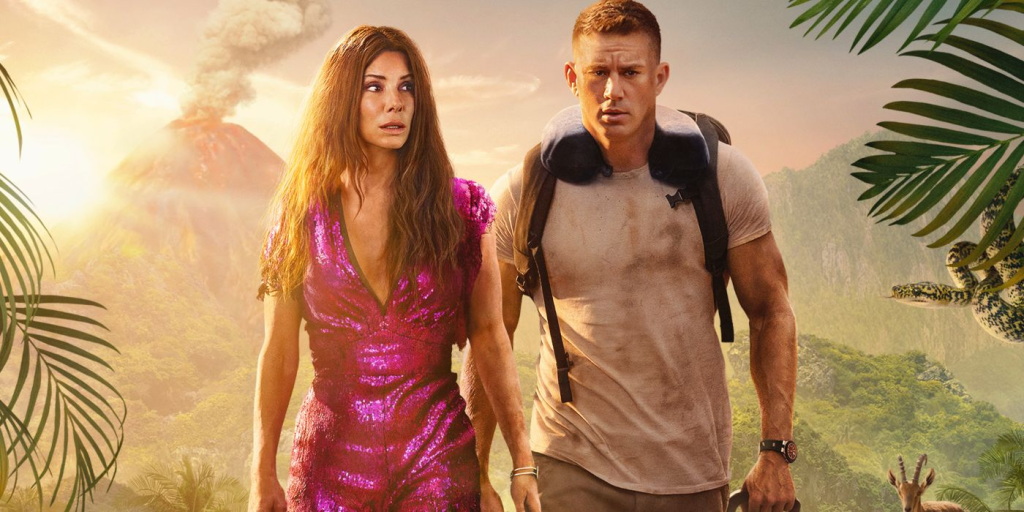
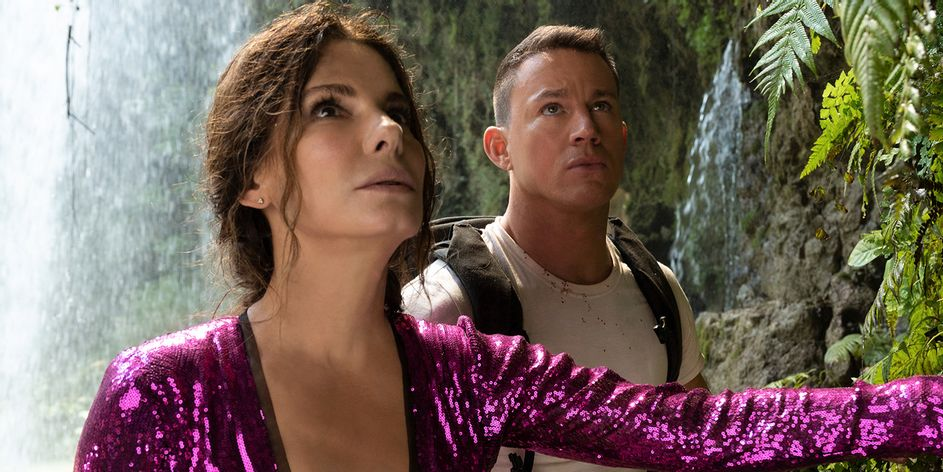
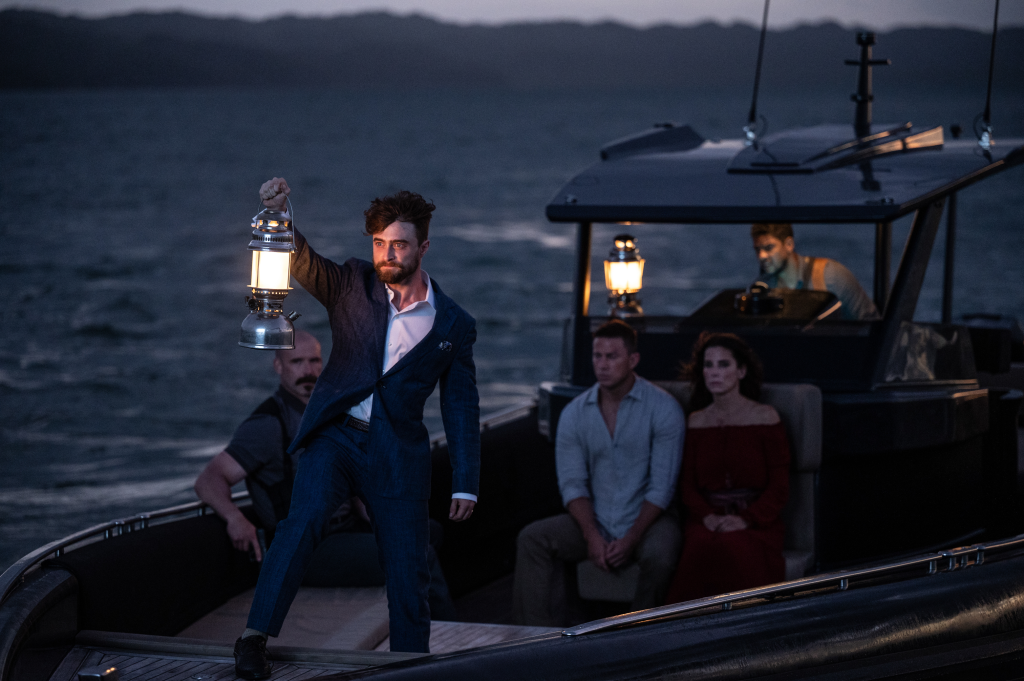
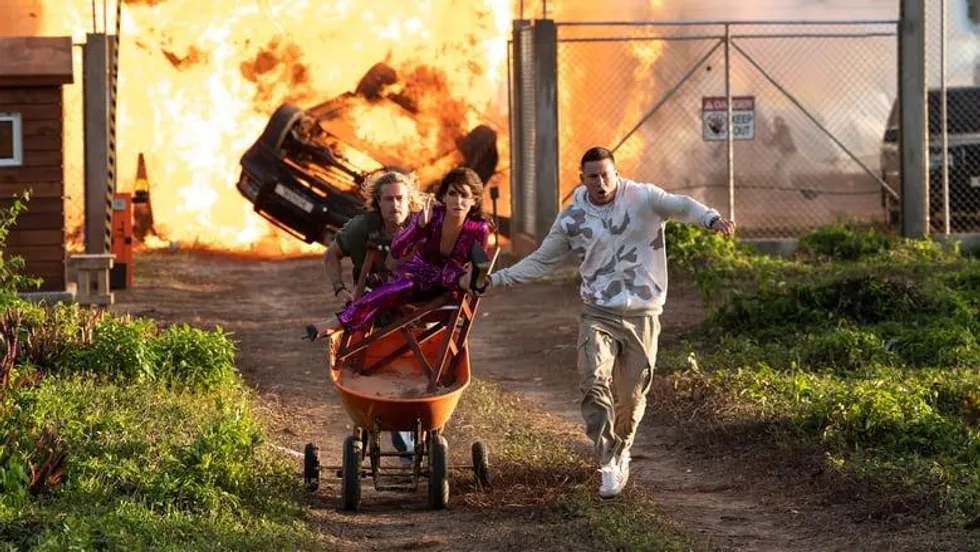
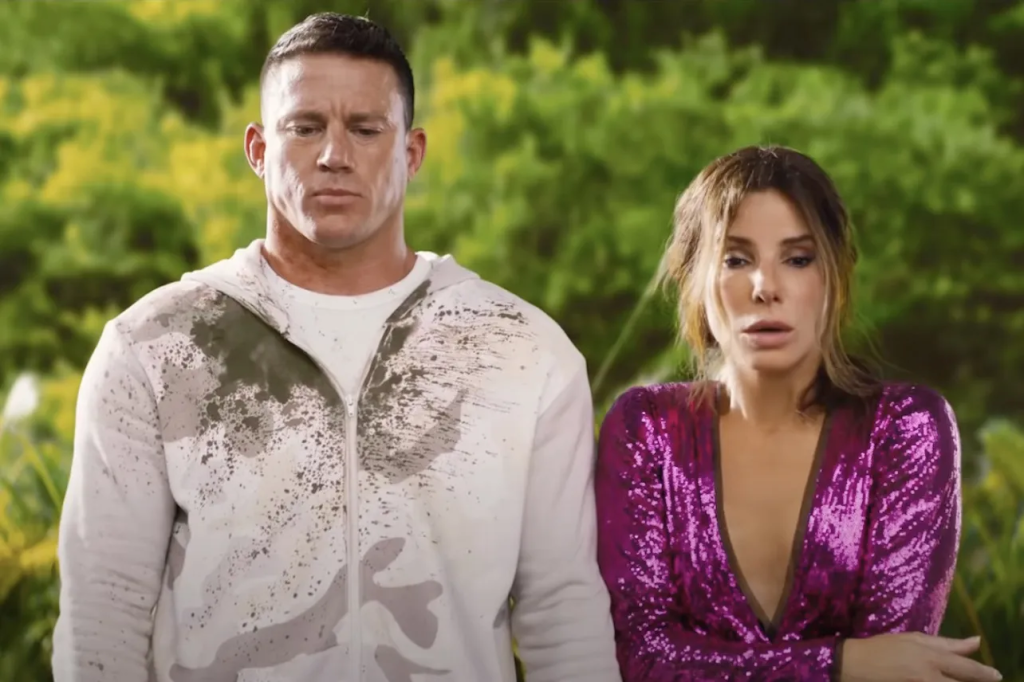
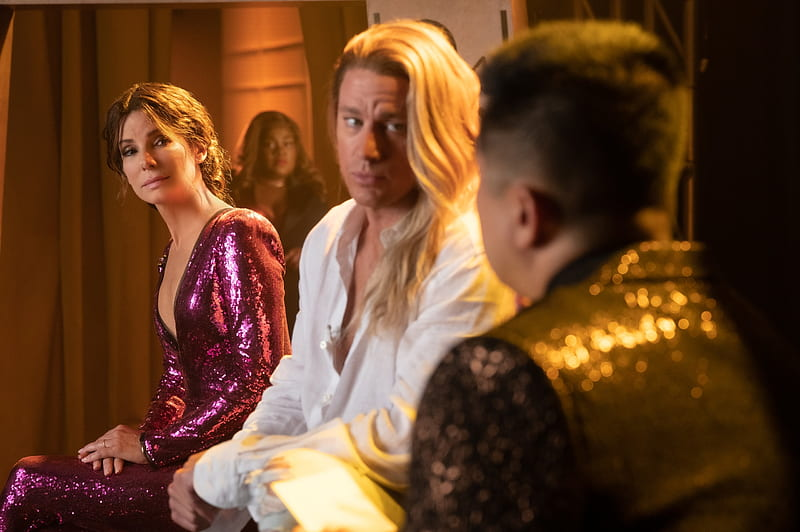


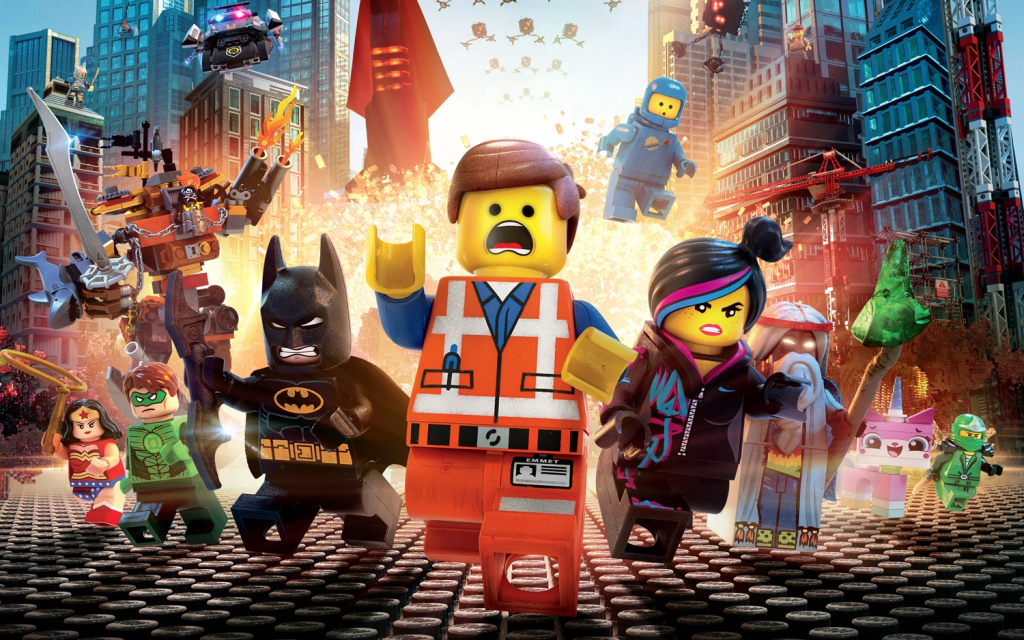
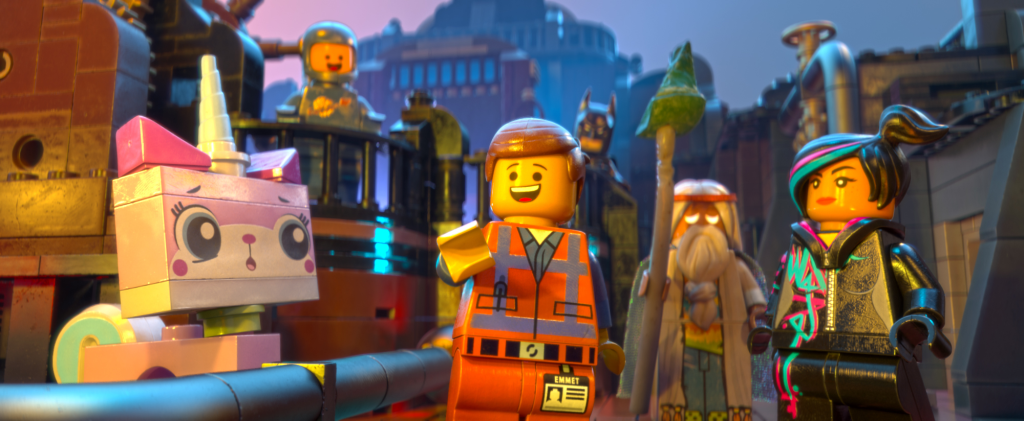
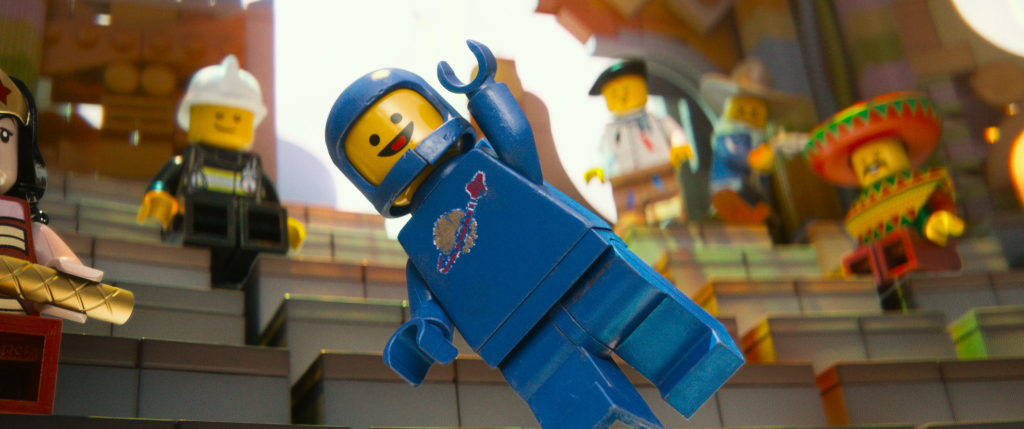
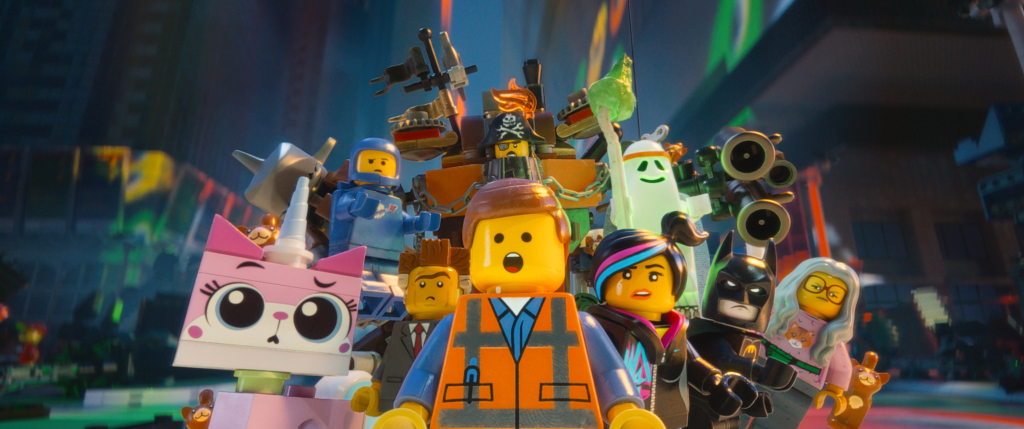
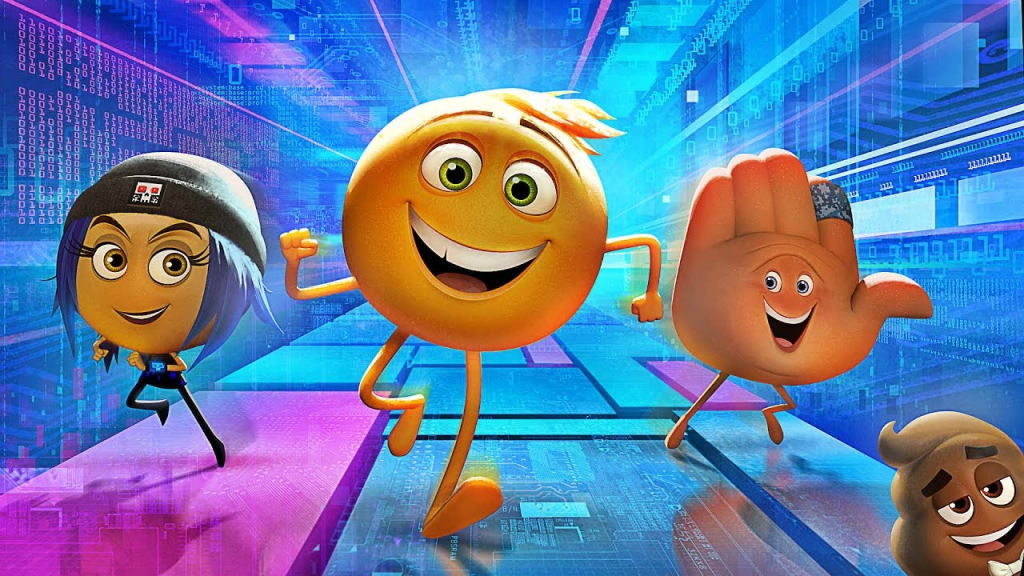
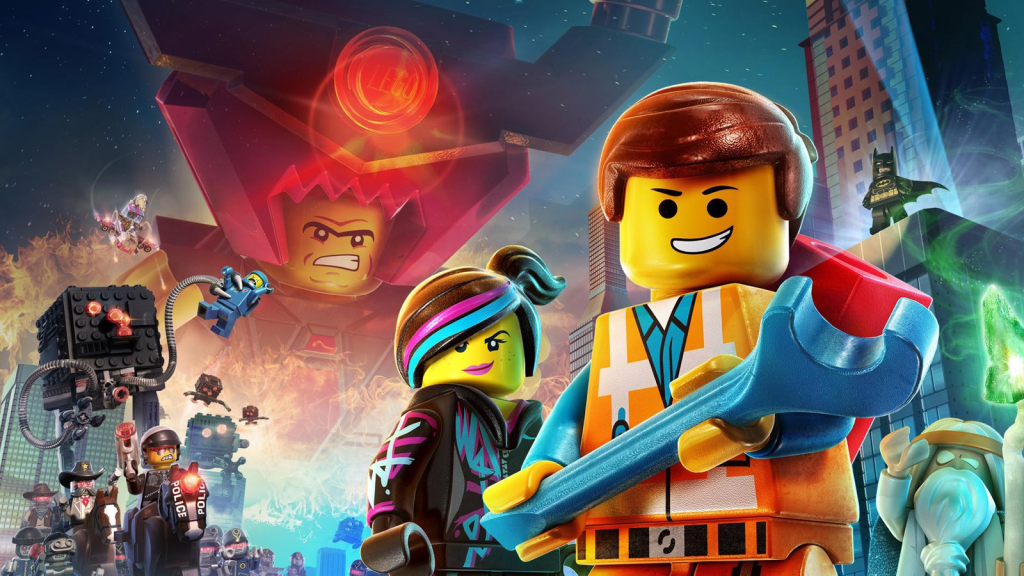
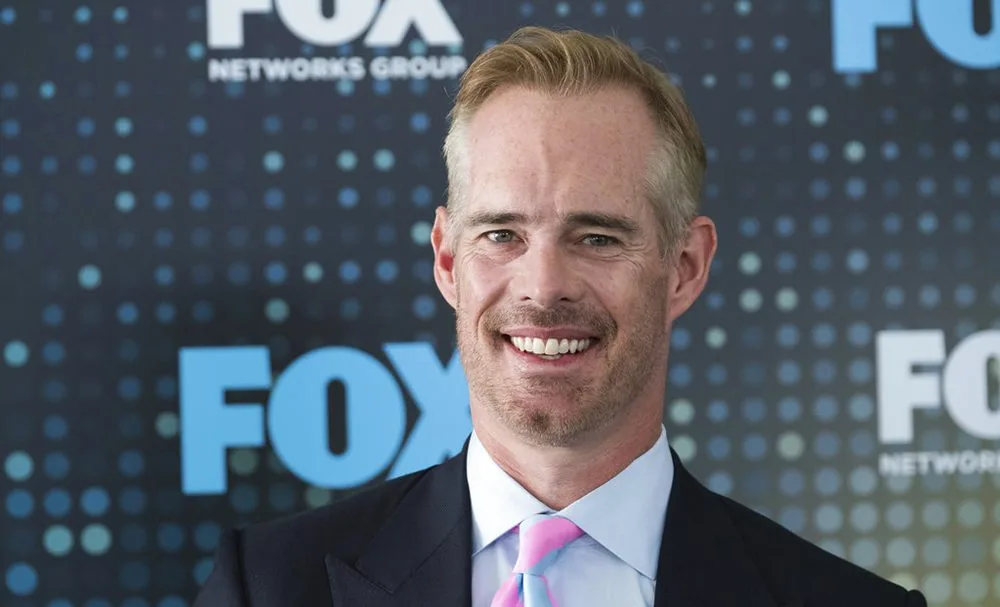


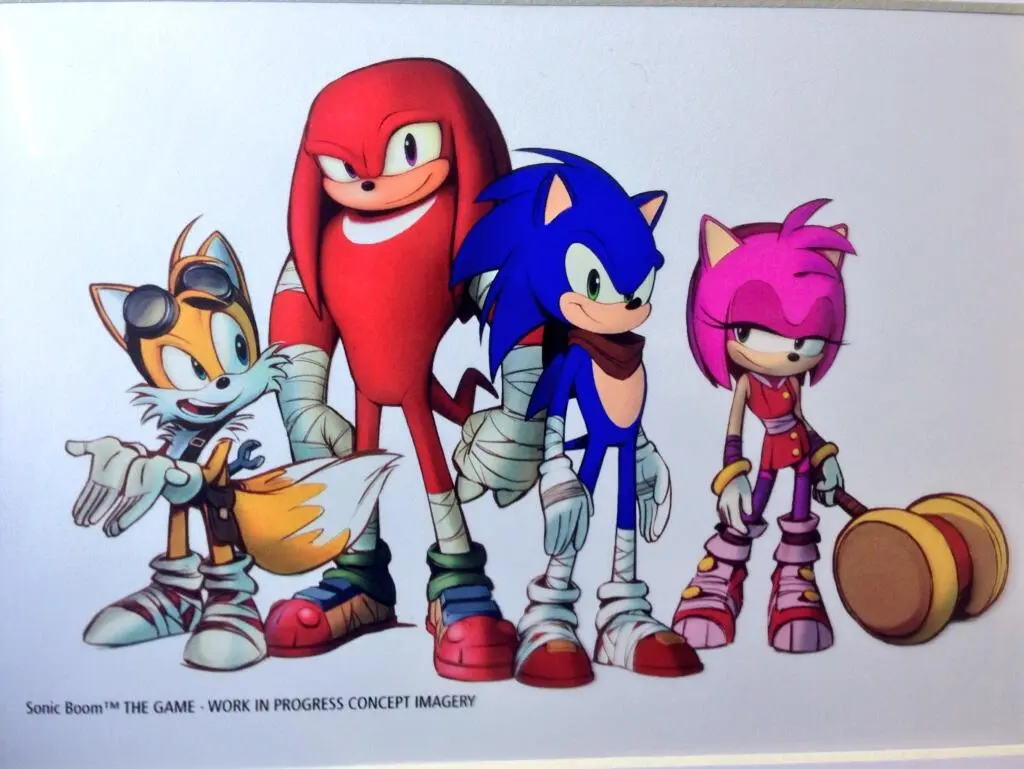

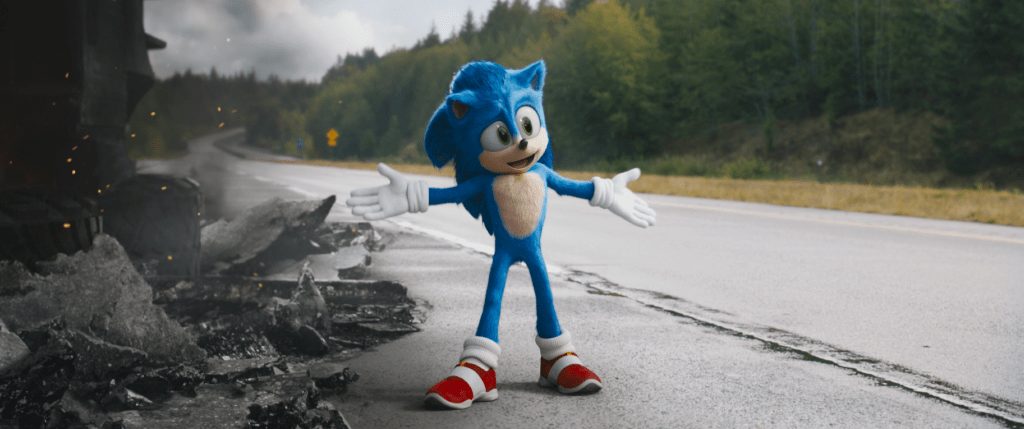

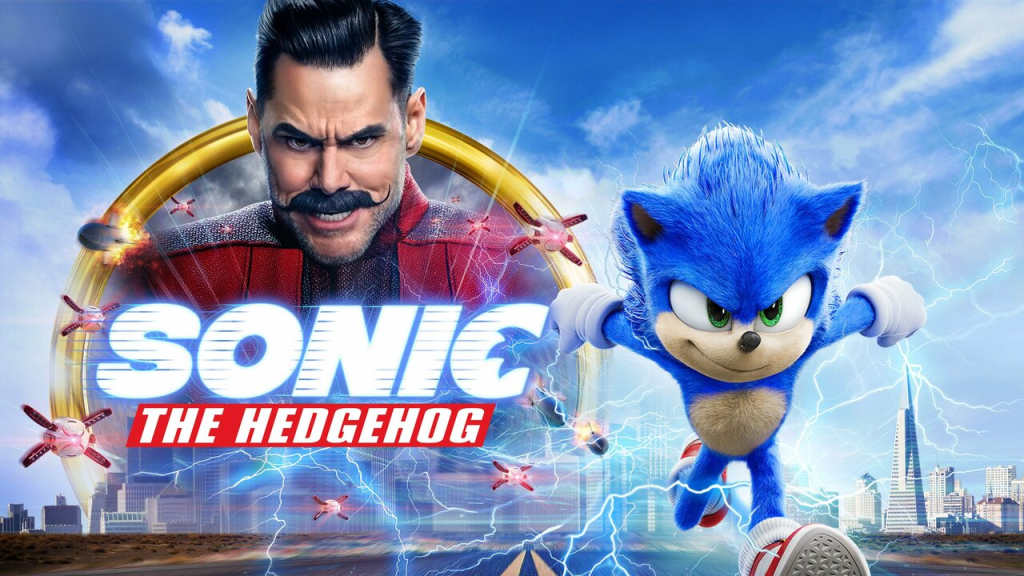





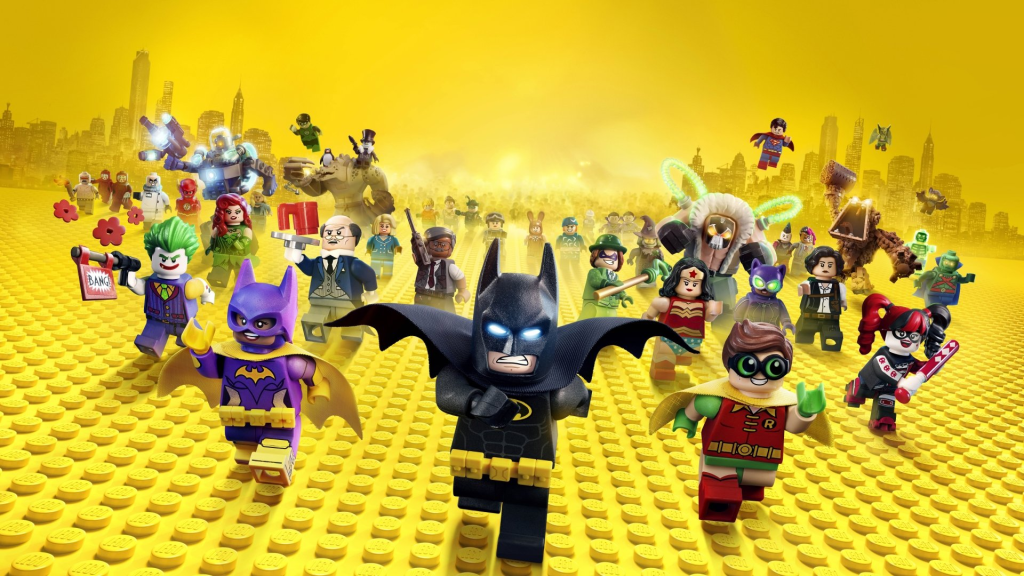
 Adam's Blog