I'm a simple guy that likes to be entertained and write down whatever is on my mind!
Twitter: @SkyScreamer8
Letterboxd: TheMovieManic
YouTube: Poisonousmaple7
Xbox Live: PoisonousMaple7
PSN: Skyscreamer57
NN Friend Code: SW-6290-5417-3425
Yesterday, Rocksteady announced that their newest game, Suicide Squad: Kill The Justice League, will be delayed yet again until further notice. This is in response to the fan backlash over the recent gameplay footage shown along with wanting to add more polish to the game.
This new Suicide Squad game has been in development for quite a while now, making it the first Rocksteady console game since their successful Batman: Arkham series concluded in 2015 with Batman: Arkham Knight and their first overall game released since Batman: Arkham VR, which came out in 2016. After the Arkham series wrapped up, fans of Rocksteady have been waiting for years to see what the company had in store for their next game. There’s been speculations of a Batman Beyond game and even a Superman game that was in development until those ideas got scrapped in favor of a Suicide Squad game, one which would take place in that exact Arkham universe.
However, fans and gamers alike haven’t been all too thrilled what they seen so far. Because of that, Rocksteady have decided to push the game back further in the hopes of delivering a more quality product for everyone. While that’s all well and good, I don’t think any of that will matter unless the real obvious flaws that people have been complaining about are fixed. What are those flaws? Let me go over them!
Battle Passes
This has been a thing that many gaming companies have been trying to force on players for many years to try to squeeze as much money as they can out of their wallets. We live in a time that the prices for games are at an all-time high, which each new game costing $60 to $70 to play along with special editions costing even more than that. As much as one can claim that inflation might have something to do with that, it more has to do with how there are plenty of gamers that are willing to spend extra bucks on pre-order bonuses, exclusive content, and of course, battle passes to justify raising the prices. Because of that, companies have realized that they can easily take certain elements out of a game before release unless someone pays extra for it and they can get even more money from it. If you ask me, that has what led to gaming being more expensive than ever.
In the case of Kill The Justice League, it has been confirmed that the game will indeed have it’s own battle pass system. This will be a system that will be launched after the game’s release and contain only cosmetics. This battle pass system will earn the player new outfits, emotes, and other items to customize playable characters. Each battle pass will have free tiers of it’s own for free but will also have premium tiers that will be available with an optional in-game purchase. All of the battle pass items will reportedly be cosmetic and isn’t expect to impact the gameplay in any way.
While that last part I just mention is a sigh of relief, the rest of it seems yet again another attempt to get more money out of the players. I can’t speak what the actual premium tiers will be but if the way big games have gone in recent memory, there’s a big chance it’s nothing too special and could have easily been made free or be able to gain when you have enough XP points in the game to upgrade to get those tiers. What makes this more pointless is that it’s likely gonna be available for free another year or two down the line once the special or GOTY editions are released. For those who are smart, they will likely just wait until it’s made for free and the price had drop for the game. For everyone else, yet again, you are just falling for the same greedy trap that gaming companies have been setting up for many years.
Required Online Connection
It’s baffling how we are approaching the ten-year anniversary of when the Xbox One was revealed and companies are still repeating the same mistakes that Microsoft made with that console. One of the biggest controversies surrounding the Xbox One when it was announced was that it would require an online connection and it would require daily update or check-ins from Microsoft themselves. This clearly angered gamers everywhere as not everyone has access to the internet at all or even any times. So much so, that about a few weeks after E3 2013, Microsoft announced they were removing all of that due to the massive fan backlash over it. That should have been a lesson to gaming companies everywhere not to mess with gamers by trying to force things such as a required online connection. But yet, here we are again in 2023, with Rocksteady trying to force this matter with Kill The Justice League.
It has been confirmed by Rocksteady themselves that Suicide Squad: Kill The Justice League will in fact require an online connection at all times. Regardless if you are playing in solo or co-op, you will need to have some sort of connection to the internet or online to be able to play the game in any way. I’m not gonna list all of the obvious reasons why this is dumb but if there is one main one, it’s that we now know that the game itself will likely only last or be supported for a limited amount of time. Just like many other games that require an online connection, there will come a point where the servers are shut down and the game will be deleted from existence. And even when the game is still being run, it will cause a slew of problems once there’s something wrong with the internet servers involving the Playstation 5, Xbox Series X, and the PC. Problems that could have been avoided if you could just let anyone want to play the main story whenever they want and for those who want to go online and play with others whenever they want.
This is yet again another example of a company basically asking themselves for trouble with required features that gamers clearly won’t like. I don’t know why companies are continuing this trend when there are plenty of examples of games that fall short because of it but here we go again. That’s not even mentioning that once the servers of the game shut down, Kevin Conroy’s final performance as Batman will be deleted from existence. Let that sink in for the rest of your day!
Is This Really In The Arkhamverse?
Expectations were always gonna be high with Rocksteady after their commercial and critical success of the Batman: Arkham series but those expectations would only grow once it was announced that their new Suicide Squad game, again their first overall game since the mid 2010s, would take place in that exact same universe as the Arkham games. That in of itself sets the expectation of not only the storyline of the Arkhamverse continuing and the expansion of that universe itself but that the game would play similar to those games except for more combat and guns thrown into the mix.
However, judging by the gameplay footage we’ve seen thus far, if you would have told me beforehand that this game is suppose to take place in the Arkhamverse, I and many others would not have believed you whatsoever. If anything this looks like it could take place in the same universe as the recent Gotham Knights game or the new Wonder Woman game that’s in the works than Arkham Asylum, Arkham City, Arkham Origins, and Arkham Knight. A change of tone, pace, and gameplay is fine but you have to be careful to not go too far out of that ballpark or else you are making something else entirely. For what we’ve seen thus far, Kill The Justice League is clearly going too far out of that ballpark.
From the looks of it, Suicide Squad: Kill The Justice League seems to only take place in the Arkhamverse just for marketing purposes and the hopes that in of itself would boost sales. If it weren’t for the confirmation from Rocksteady themselves, I would have believe that Kill The Justice League would be as connected to the Arkhamverse as Crystal Dynamic’s Avengers would be connected to Insomniac’s Spider-Man, which is basically not all that much. I wasn’t asking for the new Suicide Squad game to be exactly like the Arkham games but I would have figured it would at least be something that would fit organically into that universe as oppose to feeling like some random puzzle piece that just doesn’t fit.
Can The Game Still Be Saved?
In the end, while delaying the game will certain prevent more bugs and glitches to the gameplay, none of that will mean anything unless these issues I just mentioned are resolved. I’m no gaming developer but I would assume removing all of those features will take plenty of time and the game would have to be pushed back another year because of it. I know Rocksteady and it’s fans don’t want to keep seeing this game get pushed back, especially since we are now approaching a decade since the release of their last main game, but those changes will have to be made to deliver a true experience worthy of it’s brand.
If Rocksteady is delaying it because of the criticism involving the battle passes, required online connection, and forced tie-ins to the Arkhamverse, then maybe there’s a chance that this game will be what Marvel’s Avengers, WB Games Montreal’s Gotham Knights, and EA’s Star Wars: Battlefront 2 should have been at the time of it’s release. Delivering a full quality game that includes all of the features that should have been included since Day One along with added DLC and bonus content that is ACTUALLY worth the extra few dollars. If they aren’t delaying it because of that, then none of that will matter at all and Rocksteady is clearly stalling out an inevitable fate of the game not meeting expectations critically or financially. As the old saying goes, you can polish a turd all you want and it’s still a turd.
Unless Rocksteady is able to get their heads out of their asses and avoid the mistakes of prior games in the past, then they are doing nothing but polishing a turd of it’s own. And I will have done my Batman: Arkham retrospectives for nothing. I guess no matter who wins here, everyone will lose. As a previous Batman movie villain once said, the world is cruel.
Creed III is now out in theaters. It’s quite astounding of how not only is the Rocky/Creed series still going, but that it’s still going strong. For a franchise that didn’t even need to be a franchise, it’s incredibly how strong and consistent they’ve been in quality. Despite this being a series that’s now up to nine movies, there’s only one or two that many would argue is actually bad with the rest ranging from pretty good to excellent. Just like I tend to do with most franchises whenever they get a new installment, it’s time to rank the Rocky/Creed franchise from worst to best.
9.) Rocky V
This is probably the only one that would qualified as bad but it does have interesting ideas of it’s own. Rocky V was meant to act as the finale of the franchise where he loses his money, trains a young stud who ultimately betrays him, and have one finale showdown…in an epic street fight. There’s always room to try new things in a series but when it’s intended to be the end of the story, then it’s best to just stick what worked before and not changes things up entirely. Not to mention, the way Rocky just chose to neglect his struggling son was just an absolute douche move. Thank goodness this didn’t actually end up being the end of the series because if it did, then it would have went out with an absolute whimper.
8.) Rocky IV
Easily the sloppiest and over-the-top movie in the series but it still kinda works. Rocky IV see Rocky meeting his match in the ring as the dreaded Ivan Drago made his way into the ring and killing his best friend, Apollo Creed in the process. That in of itself should make you think this is the darkest of the franchise but it’s anything but that. It’s silly and cartoon-like with top theatrics, constant montages, and even a high tech robot butler of all things. It’s still entertaining and the events transpiring here would have at least a solid pay off later on down the road but this is when you can tell the series was begin to fall victims of trying to go bigger and bolder.
7.) Rocky III
Possibly the biggest underdog story in a sea of movies about underdog story. Rocky III sees Rocky being stripped down from his prime and getting his ass beat in a way that he had never had before. However, like the old saying goes, what doesn’t kill you makes you stronger. While that can’t be said for his poor trainer in Mickey, Rocky is able to use that testament to train himself to take down his biggest rival yet up to this point in Mr. T. This was the point where the formula for the series would be as obvious as Rocky getting obliterated in his first go against the big man but man is it still so fun, effective, emotional, and resonant all the same.
6.) Creed III
Creed III was always gonna have to face the inevitable uphill battle that the series would have to fight against to see whether or not it can keep going without the man that started it all in Sylvester Stallone’s Rocky Balboa. Thankfully, Michael B Jordan proves he is up to the task to carry the baton forward in a respectful manner that makes Adonis Creed a compelling enough character to continue the Rocky tradition. While the movie does undeniably stick to the formula and traditions that the series is known for, it’s still able to feel fresh, unique, and satisfying all the same. Jonathan Majors proves he is the next big actor to watch out for and there is still room to go if they want to continue the series from here. The only thing keeping it from the top five is perhaps with how distinct it feels compared to the other movies in the franchise and could have used a stronger final fight. Regardless, it still rocks all the same.
5.) Rocky II
For a sequel to a movie that didn’t really need a sequel, Rocky II is about as good as it could possibly get. Not only does it help Rocky achieve the unfinished business he clearly had with the original where he went the distance with the champ but still lost, but it’s able to successfully tell the next “what’s next” chapter of a known sports athlete’s life without it being repetitive or stale. It provides the right balance between showing the importance of Rocky’s personal life and his life in the ring, Apollo Creed is a worthy friend/foe to Rocky, and it’s able to all feel genuine instead of cynical. The fact this is only #5 in the series goes to show how impressive in quality the franchise is as a whole.
4.) Creed II
On paper, Creed II sounded like the silliest idea for the series yet. You have baby boy Creed going up against baby boy Drago and it has to tie up the loose ends and emotional resonate of Rocky IV, a film as absurd and silly as this series can get. However, it all works out. Not just because of how well made it is, the intense, nerve racking fight scenes, and being able to deliver satisfying pay offs to these nagging loose ends, but how well it’s able to humanize the cartoon of a villain that was Drago along with his son. This could have easily fell into the category of a movie being shameless fan service but Stephen Caple Jr. is able to add the right amount of weight and meaning to where it all feels correct. It all just goes to show that just because you make something for the fans doesn’t mean you have to dumb everything down to make something worthwhile.
3.) Rocky Balboa
Before Top Gun: Maverick played with the idea that the one guy who was the very best at his job and still be the best if he pushed himself to do so, there was Rocky Balboa, which saw Sylvester Stallone returning to the Rocky series nearly two decades later to prove his worth once again. Sometimes it’s okay to let the man in the past be the same man for the future if he can still do the thing he’s best at. The Rocky movies at there core as always been about legacy and this was the first one in the series that seemed to put a great emphasis on it. Even if the set-up to the final confrontation is rather forced, this still makes for one of the most grounded and inspirational films in the Rocky canon.
2.) Creed
About a month before the age of legacy sequels kicked into full gear with Star Wars: The Force Awakens, there was Creed, which Ryan Coogler actually dared to take the Rocky franchise in a new direction by putting direct focus on the son of his old friend while Stallone himself acts as a secondary character. Easily one of the best movies to come out in 2015, this soft reboot is able to get everything right. It has the right amount of drama, right amount of emotion, right amount of fight scenes, right amount of legacy, right amount of inspiration, right amount focus on the villain, and just right amount of everything. Michael B Jordan is sensational as Adonis “Donnie” Creed and even Sylvester Stallone works just as well being a mentor figure as he was as the main boxer. In the era of legacy sequels, I still find this one to be the very best of the lot.
1.) Rocky
However, nothing has quite top the original Rocky. What can be said about this movie that hasn’t been said already? It’s basically perfect. What makes this traditional underdog story work so well is that it was written by Rocky himself in Sylvester Stallone, making it just as much an underdog story from behind the camera as it is in front of it. At it’s heart, this is not simply a movie about boxing, it’s a story about a man needing something to prove. And the fact that we are now movies in with this franchise, it was able to do all of that and more. Perfectly paced, acted, and written, Rocky is one of the definite motion pictures and one of the best crowd-pleasing films ever made.
Off all the installments in the Rocky/Creed franchise thus far, I don’t think there was one that was in a more unique position than Creed III. Not only because this is the first one to not have Sylvester Stallone’s Rocky in it but this seems to be the first one which actually dares to blaze it’s own path without having to carry the baggage of the legacy of Rocky Balboa that the series had been clinging onto. The first Creed was basically a modern update on the first Rocky while Creed II was a direct sequel to Rocky IV along with hitting the familiar but best beats from every Rocky sequel up to this point. Now that Rocky is able to rest comfortably knowing that his best friend’s death in the ring has been avenged along with Adonis no longer being a victim of living off his father’s glory, it’s time to take the series in his own unique direction. While there are certainly some impossible to avoid beats that this series is known for which the movie can’t help but follow, Creed III is able to succeed strongly as it’s own thing and proves that their are other stories to tell in this franchise even without Rocky Balboa himself.
Plot Synopsis: Taking place after the events of Creed II, Adnois “Donnie” Creed (Michael B. Jordan) is able to end his boxing career on top by winning in a rematch against “Pretty” Rick Conlan, the one and only opponent that Donnie had ever lost too. After one last victory, Creed has retired to take care of his wife Bianca (Tessa Thompson) and their deaf daughter Amara (Mila Davis-Kent).
Fast forward three years later and Donnie runs Delphi Boxing Academy with his prior coach Tony “Little Duke” Evers Jr. (Wood Harris) and helps promote young fighters like Felix “El Guerrero” Chavez (Jose Benavidez Jr.) in a match against well-known veterans such as Viktor Drago (Florian Munteanu). His personal life has become complicated as Bianca has become a producer after suffering from severe hearing problems, Amara has begun to follow in his footsteps of wanting to become a boxer, and his stepmother Mary Anne (Phylicia Rashad) is suffering from declining health whose days could be numbered. Things get even more complicated when Donnie’s old friend Damian “Diamond Dame” Anderson (Jonathan Majors) comes back into his life and requests for Donnie to help him builds towards a boxing career.
Because the two share a distinct past with one another and believing he owes his old pal a favor after he saved his life in an incident that got him arrested, Donnie agrees to help Dame train to become a professional boxer. As the process goes on with Dame’s turn to fame as a boxer, Donnie soon realizes that perhaps giving boxing lessons his friend who’s been in jail for quite some time might not have been the best idea. It’s then that Donnie must figure out how to keep Dame and his personal life in check or else it may result in having to return to the ring once again which might just jeopardize everything he has been building his whole life to.
To answer the obvious question that folks were wondering before this movie came out, Rocky Balboa is NOT in this movie. There is certainly a reference or two with him and he definitely still exists in this universe but there is no focus on him whatsoever in Creed III. That in of itself will undoubtedly be considered an absolute sin for the movie but if anything, it’s more of a selling point.
Rocky himself will always be a legend but he is not someone that Adonis Creed can count on forever. If he is to forge his own path, then he must learn how to live the life that his mentor once lived without his presence. While that’s not quite the central main conflict of the movie, that is no doubt the mindset that Michael B. Jordan had when realizing that Stallone himself wasn’t going to come back.
For those that were felt that the previous movie dialed back on the whole “passing the torch” premise of the original Creed by feeling the need to bring back familiar foes from Rocky’s past, they will likely find Part III to be more worthwhile. The personal conflicts that Donnie himself goes throughout the story all ties into his own past, present, and future without any tie backs or references to Rocky himself. These are his own family members and old pals that Donnie himself is forced to deal with. Whenever it involves boxing or having to take care of his loved ones, it is a problem that only he himself can solve.
And was there never a greater problem to solve than that of Jonathan Major’s Dame. While not dissimilar to that of in Rocky V where Rocky mentors his own fiery young boxer who ultimately turns on him, Dame represents Donnie trying to fix the remaining sins of his past. Because of the fact that Dame save Donnie’s life when they were kids and he have to face the consequences from it, Donnie feels like he owes his life and feels there’s no better way to repair him than to have his old pal get a taste of boxing glory. Of course, this regains the questions of whether or not Donnie is doing this because he believes Dame to be the next big thing or is he doing it because he owes Dame a favor? In that case, not only may he not find himself creating the next Rocky or Creed but possibly the next Drago. Despite Dame being once again a character that comes out of no where, it still is able to work well thanks to how it plays a role in Donnie wanting to move forward in his life while also trying to take care of any loose ends that might still need to be tied up.
This also helps because Jonathan Majors is absolutely great in the role as Dame. While we already got a taste of his acting chops in Ant-Man and the Wasp: Quantumania as Kang, Jordan is able to fully utilized Major’s ability and range as an actor here. He makes for a perfect mirror to Jordan’s Creed in the sense of wanting to become a fighter to prove himself while also for his own personal glory. Although we are clearly gonna see more of Majors down the line, I sure hope this isn’t the last time we see him paired with Jordan.
The rest of the performances are as reliably great as they have been for the previous two movies. Michael B Jordan once again proves he is the perfect man to be able to carry this franchise going forward without needing anyone else to back him up. Not only because of how Adonis Creed has become a fully fletched out character over the course of three movies but Jordan’s unique screen presence and depth he brings to the character. Tessa Thompson is as likable and charming as she has been in any other movie she’s been in and even gets more standout moments to herself here. Phylicia Rashad is as reliably great as always, Wood Harris is as likable as he usually is, young Mila Davis-Kent is able to shine well as Creed’s little deaf daughter who you can see a bit of Michael B Jordan in herself, and even Florian Munteanu and Tony Bellew make surprisingly welcome returns as the main antagonist from the previous two movies, so much so you won’t even bother to question why Creed is now supposed friends against someone from the family that’s responsible for his father’s death.
In terms of directing, Michael B Jordan shows he’s as just as much of a star behind the camera as he is in front of it. While there are a few scenes that do give the impression of a first-time together, this is a very well directed and put together movie with Jordan’s stamp clearly all over it. The boxing scenes are really well done, being able to play great tribute to traditional anime without it coming across as too over-the-top or devolving into self parody. It’s the way that the fight sequences are put together that make you feel each punch, the intensity of it all, and just the plain atmosphere of it. There is certainly room for improvement as there are times where certain scenes drag on longer than they should or end rather abruptly but for the most part, Michael B Jordan has a clear bright future ahead of him as a director.
Creed III was always gonna have to face the inevitable uphill battle that the series would have to fight against to see whether or not it can keep going without the man that started it all in Sylvester Stallone’s Rocky Balboa. Thankfully, Michael B Jordan proves he is up to the task to carry the baton forward in a respectful manner that makes Adonis Creed a compelling enough character to continue the Rocky tradition. While the movie does undeniably stick to the formula and traditions that the series is known for, it’s still able to feel fresh, unique, and satisfying all the same.
Much like the previous two movies, this does make for a satisfying end if they want to stop here but also leaves plenty of pathways to go with future movies if they want to continue on. However, after how satisfying of a trilogy the Creed movies have been along with the (mostly) consistently good quality of the Rocky franchise as a whole, I seen no reason not to welcome a Creed IV with opening arms. Creed III isn’t my favorite of the series or even the trilogy but it might just be the most important one thus far. It shows that just because a franchise can peak, doesn’t mean it can’t evolve into something else entirely. And if it can do just that with equally good results, then a franchise of any kind can last as long as it wants too.
Spring training in baseball is under way! This is the time where youngsters from all around have a chance to impress their managers, coaches, and front offices of their respective teams to get them one step closer to reaching their lifetime milestone of playing in the major leagues. And with the World Baseball Classic starting on Tuesday, this will lead to more well-known players leaving for the next two weeks and leave room for the youngsters to get more playing time. While there have plenty of notable young players to keep an eye on, I don’t think there is one player on the Cardinals and possible in all of baseball that people should be keeping their eye on more than Jordan Walker.
Jordan Walker was selected as the 21st pick overall by the St. Louis Cardinals in the first round of the 2020 MLB Draft. Despite not getting a chance to play that year due to Covid, he has been in the Cardinals minor league system for the past two years and has thoroughly impressed so far. So much so, that this spring training not only gives him a chance to earn a spot in the 40-man roster for the 2023 season but even a shot at cracking the opening day roster for the Cardinals. Even though he hasn’t played a single game in Triple A yet, Walker is noted as that rare player that is incredibly skilled, talented, and overperformed in the minor leagues that he is ready to take that leap of faith into the big leagues. If the way that Jordan is playing through spring training thus far, President of Baseball Operations John Mozeliak and Cardinals Manger Oliver Marmol might want to least have a discussion with one another about that at this very moment.
During spring training, Jordan Walker has played six games with a .500 BA, .500 OBP, 1.167 SLG, and 1.667 OPS. In 18 plate appearances, he has nine hits, three doubles, three home runs, and six runs batted in. All of those categories are either at or near the top of the league among qualified players (which is basically everyone at the moment). With his recent interviews before spring training even began along with his performance thus far, it’s clear that Walker is trying to force his way onto the opening day roster and make the higher ups of the Cardinals make that bold decision to their perhaps next superstar in the making.
Now, granted, we’re only a week into spring training and that’s not always the way to judge how a certain player will perform in the season. There’s plenty of players that have great springs but end up having bad seasons and vice versa, you’re mostly always facing the same three to five teams each spring, and there’s certainly a difference between playing in a crowd of a few hundred to a thousands and a stadium filled with 45,000+ fans. However, with Jordan Walker, I can’t help but make him a possible exception for and who should be more than willing to be given the benefit of any sort of doubt.
From what I’ve seen from him thus far, he comes across as a player that just always seems determined about himself and his goals. He’s not interested in becoming the next big thing but more of his own thing. He’s not looking to become someone he’s not but be exactly who he knows he is. He has inspirations but wants to use that to pave his own path towards fame and success. He will no doubt try to keep expectations about himself in check but he will certainly look to expand upon him the further his career goes. It’s that kind of dedication and the performance he has given so far that could make him the next big superstar for the Cardinals and even baseball.
Despite the Cardinals being a consistent and winning franchise for the better part of the 21st century, they are gonna be needing a new face of the franchise quite soon. Previous Cardinals legends Albert Pujols and Yadier Molina are now retired, the still Cardinal legend Adam Wainwright has announced that he will be retiring after this season, and superstars Paul Goldschmidt and Nolan Arenado aren’t getting any younger and who knows how many years of their prime that they have left. If St. Louis want to continue bringing fun, exciting, and winning baseball to their fans, they must find their next big star player to build a team around and one that fans will always want to show up to the stadium to watch play. While there have been attempts at finding that next big star player within the Cardinals internal system with mixed results in recent memory, they may have just found the guy that have been looking for with Jordan Walker.
If baseball wants to continue to grow their audience, they must have plenty of young potential superstars in the making for the current generation and even the next that will want to watch them play. Whether it’s be Aaron Judge, Shohei Ohtani, Fernando Tatis Jr. Vladimir Gurrero Jr. Ronald Acuna Jr., Julio Rodriguez, etc., each team must have at least one of those kinds of players if they want to keep their fans interested in baseball. It’s only then will you inspire an entire generation to want to either play baseball or follow it during their free time. In the case of Jordan Walker, he might just find himself to be in that group of young studs that have a potential for a long-lasting baseball career.
There are possible reasons that the Cardinals might not want to chose to call up Jordan Walker so soon. He’s only 20 years old, has not played a single game past Double A, and if service time manipulation is still a thing, no doubt they will want to keep him down there for the first two to three weeks to make sure they get that one extra year with them. And of course, we have seen plenty of top prospects in baseball not being able to live up to their expectations for the beginning of their career (Just ask the Seattle Mariners with Jarred Kelenic). Even so, top prospects like Jordan Walker don’t come around so often and when they do, they are usually able to perform to the best of their abilities and sometimes even better.
Regardless of when he will be able to make his major league debut in baseball, the future of Jordan Walker will certainly be fascinating to watch. If everything goes right, he might be the best player that the St. Louis Cardinals have drafted since Albert Pujols. And if Mark McGuire was able to convince the Cardinals to have Albert on the opening day roster back in 2001 with how good of a spring he had did, then no doubt someone on the 2023 Cardinals will want to convince the team to have Walker on the opening day roster as well. Only time and performance will tell but no doubt, Jordan Walker will certainly be one exciting young player to watch out for in 2023 and beyond.
After two damn near perfect Batman games with 2009’s Arkham Asylum and 2011’s Arkham City along with an inconsequential but still enjoyable prequel installment in 2013’s Arkham: Origins (which I’m not covering), we would get 2015’s Batman: Arkham Knight, the intended finale to the Rocksteady’s Batman Arkham franchise, at least until that Suicide Squad game would come along eight years later.
At the time this game came out, the reactions were fascinating. Despite the strong critical reviews at it’s release, the fans’ response was more divisive. Some found it to be a worthy conclusion to the series and just as good as the entries that came before it while others were fairly underwhelmed by it. This mostly had to do with some of the new features added in the game, most notably the Batmobile and the Arkham Knight himself. Just like with any other franchise that tends to have two beloved first chapters of a story, the third and final one always tends to be the hardest to get right. In the case of Batman: Arkham Knight, it basically had to find a way to end this version of the Caped Crusader on a high note with an ending that made logical sense for the character and would (mostly) not have the most iconic comic book villain of all time. I’m sure Christopher Nolan can relate to trying to meet unrealistic expectations with a finale on those terms. However, now that eight years has passed and we are about to explore the Arkhamverse yet again with Suicide Squad: Kill The Justice League coming in May, how does Arkham Knight hold up? Does it deserve the criticism that it gets or were people perhaps too harsh on it and should now appreciate it for what it was able to achieve on it’s own merits?
Plot:
Taking place on Halloween night and nine months after Arkham City, Scarecrow has returned and is able to get the entire civilian population of Gotham City evacuated after he threatens to unleash his potent fear toxin. The only ones remaining in the now deserted town is the police force from Blackgate prison and the unleashed criminals who now have the entire streets to themselves. Batman is called into action once again alongside his partners in Commissioner James Gordon, his daughter Barbara Gordon A.K.A. Oracle (who Jim doesn’t know is still in the city and is working for Batman), Alfred, Lucius Fox, Robin, and Nightwing.
As Batman tracks down Scarecrow, he finds himself encountering a new nemesis in the Arkham Knight, a trained and highly skilled fighter whose identity is unknown but seemingly knows a lot about Batman and has a big grudge against him. Batman discovers that the Arkham Knight is teaming up with Scarecrow to take over Gotham with his heavily numbered and armored special forces.
After locating Scarecrow, Batman discovers that he has turned the entire location of his hideout into a toxic bomb, one that could plague the entire city with that fear toxin. During his encounter, Scarecrow reveals that Oracle has been kidnapped before escaping. Exposing himself to the toxin, Batman is able to inhibit the bomb’s blast radius before he’s seemingly confronted by the Joker out of nowhere.
However, the Joker that is presented is not actually the real Joker himself but an hallucination in Batman’s mind. This is an effect of the fear toxin and Joker’s infected blood still being a part of Batman that the clown transfused in the Dark Knight in Arkham City. The blood that the Joker sent shipments to Gotham hospitals in Arkham City effected four other members in Gotham which seemingly turns that person into their own version of the Joker, with the fifth member being Batman himself. Throughout the story, the Joker frequently appears in mental projection form to taunt Batman and twist his perception of reality.
Once again, we see that Batman has a lot on his plate for the night. He has to stop Scarecrow’s plan, discover the identity of the Arkham Knight, rescue his friends, and take back the entirety of Gotham City from his most known enemies in what could be Bruce’s final night as Batman.
When discussing the plot of Batman: Arkham Knight, it’s quite complicated. Not necessarily because it’s hard to follow or not easy to talk about without spoilers (aside from the Arkham Knight himself) but with the way it decides to wrap up the Arkhamverse as a whole. It’s no secret that Paul Dini, the long known writer for Batman who wrote Arkham Asylum and City, did not return to write the script for this game. It’s believed that it was due to creative differences from Rocksteady over the story direction for Knight such as more focus on Hush, Azrael, and Harley Quinn having her own kid along with the company just wanting their own writers for their upcoming games instead of freelance ones. Changing the writers for a finale is usually a big risk as you loses the voice from the folks who made your previous chapters such a success. Even with Sefton Hill returning, the only returning write from Arkham City, you do definitely get the sense that this story was written by complete different writers from the other Arkham games, for better and worse.
On paper, this should be the best story of the entire Arkham franchise. It contains the biggest stakes, the highest tension, the direst consequences, the hugest risks, and certainly the most personal story for Batman. It contains the most focus on Gotham City itself, the biggest internal conflict for Bruce Wayne as Batman, how his action as Batman as brought out the worst from those close to him, and actually dares to end the Caped Crusader in a way that feels definite but also earnest. These all feel like the perfect ideas to make for a perfect finale. How is it in execution? Well, it’s make for both the very best and very worst storytelling of the Arkham franchise.
What it gets right is the way it wraps up the story by showcasing the consequences that being Batman can have on Bruce involving the people he loves. Despite having plenty of allies who have fought greatly by his side, getting them involved to help fight crime will always put their lives in great danger and leave a huge red target on their back. If the way his enemies go to destroy the one he cares about with success, then what exactly is Batman’s purpose? If he isn’t making criminals scare and is only empowering them, how can Bruce still be Batman? Is there a way for the meaning of Batman to evolve or does their need to be a brand new symbol of hope for Gotham City to rally upon? Arkham Knight is able to provide strong answers to every one of those questions and make a ending that ties these themes together quite well. Questioning the mythos of a beloved character is always risky but it works for the better for the purpose of this story.
Another great strength involves the focus on Scarecrow as the main villain. Despite the Joker now being dead and bringing back who was mostly a side villain from Arkham Asylum, Scarecrow is basically the perfect bad guy for this final installment. He is someone that aims to destroy Batman mentally and spiritually making him suffer during every last moments of living breath. He wants to unmask Batman in the hopes of showing to the world that even a strong man like him can break under the weight of his own fear. Aided by a more threatening character design and incredibly stellar voice work by John Noble, Scarecrow does make for a terrifying villain and one that is certainly the most frightening opponent that Batman has ever faced. For a villain that had somewhat of a reputation as being a joke, I don’t think anyone could make the case for that anymore thanks to this game.
What’s even more creative is the way that the Joker is implemented in the story. Even if the character is technically now dead in this universe, he has probably never been more alive than in this game. While the Joker may be gone, the consequences of his actions still remains in the head of Batman and the other folks he had infected with his blood. With a story that is as moody and dark as Arkham Knight, the Joker’s appearance is able to add some much needed levity to certain sections of the game, which is aided greatly by Mark Hamill returning to reprise his role once again. Even if it was this point in time where the Joker was now getting INCREDIBLY overexposed and I likely would not be as favorable of his return if it wasn’t Hamill voicing him, it was probably the best way to tie up Batman’s connection to the Joker following the clown’s death. Plus, without getting too heavily into spoilers, the final confrontation between the two could not have been any better.
When it comes to the Arkham Knight himself, this is when you starting diving into the worst elements of this game. I won’t go too deep into why this character just doesn’t work for me as I do have a future piece in the works that goes into great details but this was the one element that really held the plot of the game back for me. I love the idea of having a mysterious figure who knows Batman’s every move and seem to have his own vendetta against Batman due to mistakes he’s made in the past. However, it’s the reveal of who the character actually is that just feels like a total cop-out.
This mainly has to do with the promotion of the game where Rocksteady tried to throw everyone off claiming the Arkham Knight would be a wholly original character and someone you haven’t seen before. However, just like J.J. Abrams and crew tried their hardest to convince everyone beforehand that Benedict Cumberbatch wasn’t playing Khan in Star Trek: Into Darkness, Rocksteady tried their hardest to convince everyone that the Arkham Knight would be a brand new character. In both cases, it was a lie and the characters felt more designed for marketing purposes rather than for the purposes of their own stories.
It’s not that what’s done with the Arkham Knight is inherently bad in it’s own right and I’m sure that folks who aren’t as familiar with Batman lore might view the big reveal as a legit surprise, it just doesn’t feel like it fits with this iteration of Batman. It’s basically the exact same origin story as another well-known character but with slightly different motivations to have the character make more sense in this universe. It also just comes out of left field since the character himself had been barely hinted at in any other Arkham games with only an occasional reference or two that was clearly never meant to be anything except for that. That’s not even going into the thousand of mentions and references the game drops out of nowhere at one point which basically spells out the reveal right there. I won’t spoiler who it is for those who still are unaware but I certainly found this aspect of the story very underwhelming.
I do also find it odd how despite the initial premise of the game hinted at all of Batman’s deadliest foes coming together to stop Batman, most of them don’t serve a purpose to the main plot except for Scarecrow and Arkham Knight. While we see a few new villains returning such as Poison Ivy and Harley Quinn that you run into every once in a while, they don’t really serve much narrative purpose and only seem added to pad the campaign. I guess this decision was likely done to make room for the other side missions in the story and the writers perhaps thought that players being required to take 100% control of Gotham City is enough in it’s own right to make the villains matter but I wish putting them all away felt more important to the main A plot of the game instead of the multiple B plots with the story.
When it comes to the plot of Batman: Arkham Knight, it’s quite a mixed bag. When it works, it some of the best moments in not just the Arkham series but in the history of Batman. When it doesn’t work, then it’s quite frustrating and will leave you a feeling that it left much to be desired. I guess that’s the price you pay when you write a finale that dares to swing for the fences. Or maybe just changing up the writers for your intended finale.
Gameplay:
Just like with the previous games in the series, Batman: Arkham Knight is an action adventure game set with it’s own open world of Gotham City. A good majority of the gadgets and gameplay elements make a return here with a few upgrades added to them. As Batman, the player is still able to fly, glide, jump, climb, crouch, punch, kick, and use any item or gadget that they need along with the useful detective mode. I’m not gonna go too deep into these elements since the previous two Arkham reviews already covered it but I will focus more on the new things that the game adds.
Among the new gadgets, the main one that makes a huge difference is the Voice Synthesizer. With this gadget, the player can use it to be able to imitate other character’s voices such as Harley Quinn and the Arkham Knight. This is mostly use to manipulate the thugs either to open up certain doors for you or just so they can walk into a trap you have set for them. This is a device so genius that it kinda makes you wonder why Batman hadn’t come up with that idea before until now.
A bigger emphasis this game has than the other Arkham games is with exploring Gotham City. While this was introduced in Origins, you still had the sense that it barely scratch the surface on what Gotham was. Here, you truly get the sense of scope and scale that the city provides. Even bigger than Arkham City itself, this is the first time in any Batman game that you got a true look at Gotham City itself. Whether you are gliding through the skies with the much improved gliding system that allows for longer flights or roaming through the streets with the Batmobile (which will be discussed later), you will likely have the time of your life exploring the ins and outs of Gotham City. It does feel odd how it took until this game to get a true look at the one city that Batman swore himself to protect but now we have it, I don’t think I could have asked for it any other way.
The “FreeFlow” combat system makes a return here that has been tweaked and improved upon to make the combat somehow even more fluid and fun than it was before. Whether it’s the basic attacks to take out enemies or ones where you have to perform certain actions to properly defeat them, it hasn’t been more satisfying than it has been here. The strikes feel more powerful, the counters feel more accurate, and the dodging feels more on point than ever before. Disarming enemies also is much better as you might find yourself attacking enemies more head on because of it. As time comes by during these Even more so than any other Arkham game, taking out criminals have never felt sweeter.
What helps make the combat even more sweeter is the introduction of the Dual Play. During missions where you are fighting alongside one of your allies such as Robin, Nightwing, or Catwoman in freeflow combat, the player has the opportunity to switch with one of those characters in battle and perform a double-team takedown to take out their opponents. These appear whenever the players enters an uninterrupted combat-streak that you can build up to quicker with the more combos you are able to pull together. Each successful, uninterrupted attack adds to the player’s combat score, which can carry over between each controlled character, and unlocks those double-team takedowns at a higher score. If you ever wanted to get a good sense on how not only how it feels to be Batman during combat but also fighting alongside his allies, then you will definitely get a great sense of that here.
To make the encounters with enemies a tad more difficult, the game also introduces enemy medics. These are opponents who have the ability to shield enemies in electrified fields and even revive unconscious ones, enemies with swords, and brutes who can’t be damaged without the requirement of being stunned before attacked. Enemies are also capable of employing their own tactics to counter Batman’s various skills such as deploying landmines, controlling hovering drones, disabling vents if Batman is found using them, and detecting his location if Batman uses Detective Vision for too long. If it weren’t for the upgrades and improvements of the combat system, this might have come across as cheap and stupidly difficult but since it is, it does have some much need challenge to the game. What helps these sections greatly is the addition of the “fear takedown”, where Batman is able to take out up to five opponents at the same time as long as he remains undetected. Time is slow during each takedown which allows the player to take out each opponent in the designated time they need before the mode is inactive. Even it can be a tad annoying to the player, it does make for good character development from the part of the enemies to where they are now more prepared to fight Batman and knows his moves after the Caped Crusader had been fighting crime for over a decade now.
And of course, you can’t discussed the new gameplay elements of Arkham Knight without addressing the ENORMOUS elephant in the room that is the Batmobile. For the first time in the series, you are given the control to use the Batmobile. This is a vehicle that can be summoned anytime at an accurate location that you can call whether you are on foot or in the air. The Batmobile has the abilities to perform jumps, speed boosts, rotate on the spot, smash through objects, and fire missiles at enemy vehicles. There also two modes of it’s own that can be switched at any time: Pursuit and Battle. Pursuit is for moving from area to area and completing specific driving challenges, Battle is when the Batmobile transforms into a tank and using it’s weapon systems to attack enemy tanks head on, including a vulcan rotary cannon, a 60mm hypervelocity cannon for fire support, anti-tank guided missiles, and a non-lethal riot suppressor. Batman is also able to eject from the Batmobile and immediately begin gliding around Gotham City. Regardless of what objective you are completely throughout the game, you will find yourself using the Batmobile A LOT whether you like it or not.
This is the newest gameplay element that tends to make or break the game for most people. With this being the first game in the series to include the Batmobile, Rocksteady clearly wanted it to be an integral part of the gameplay. However, they perhaps they went a bit too far with that because there is so much of it in the game. I love the idea of having the Batmobile as it was something I’ve been wanting to control since the series begin and with this being the final entry where you explore all of Gotham City, this had to be included. That being said, you might likely find yourself to be really fatigued by it by the halfway point of the game.
There are certainly times where the Batmobile is really fun. It can be a joy to take out tanks with your machines guns or chase after an enemy with all the speed and firepower that you have. However, around the half way point, it starts to become way too much of a good thing. Whether you are focus on the main campaign or doing a random side mission, there will always be a section where you will be forced to use the Batmobile to complete an objective. This mostly amounts to either chasing after an enemy or doing tank battle after tank battle to get to the next part of the story. Heck, a good majority of the boss fights mostly amounts to either a chase or a tank battle with an opponent. Have you ever heard of the phrase, “less is more”? Well, Rocksteady clearly didn’t when it comes to the addition of the Batmobile.
My overall opinion of the Batmobile is like my overall opinion on sex, it’s great when it’s not forced upon you. Unfortunately, it’s forced upon you quite a bit in this game. So much so, that even the most meaningful enemy encounters of this game mostly involves to nothing but tank battles. Remember that glorious one-on-one duel between the Deathstroke in Arkham Origins? Well, if you were expecting a rematch of that! Prepare for disappointment! As much I admire the addition of the Batmobile, Rocksteady was just WAY too carried away of it which made you feel exhausted towards the end of the game.
The last main feature in terms of gameplay involves the side missions, or was is known in the game as “Most Wanted” missions. There are the side missions that can be completed at any time of the game and features prominent characters throughout Batman’s history. The main difference this time around is that these all need to be completed in order to get the true ending of the game. After completing the main campaign, Batman orders Alfred to unlock the so-called “Knightfall” protocol. In order to unlock the complete protocol, that would require to complete every single side mission in Gotham and put every known criminal back behind bars. Although, there is a time during it where it tells you are able to unlock the Knightfall protocol before doing that, that only unlocks half of the true ending. To get the complete true ending, you must fully 100% the whole game and take back the entirety of Gotham City like the goddamn Batman you are. While this will no doubt be very tiring, there is something rewarding about being able to accomplish something I doubt 90% of gamers would dare to do.
The side missions themselves though are honestly quite basic. There’s a handful of loose ends that are carried over from Arkham City such as Hush and Azrael but they aren’t giving the completely satisfying payoffs that the previous game was building up to. This might have to do with the changing of writers and perhaps Paul Dini may have had plans to have them serve a bigger purpose to the main story but it didn’t feel like it amount to much other than I guess that happened. The best by far involves the mission known as “The Perfect Crime”. That was the one which was intriguing, tense, and had an immensely satisfying payoff to who was involved with it the whole time. I won’t spoiler who it is but man, would I love to see that character be in a future Batman movie, perhaps the next Robert Pattinson Batman movie. Aside from that, it’s mostly nothing more than locking away the main bad guys doing the same things you’ve already been doing with not much new added to it.
Of course, the main side mission that you will likely spend the good majority of your time doing involves the dreaded Riddler once again. This time around, he has captured Catwoman, by putting a collar around her neck that could cause her head to explode unless Selina is able to find the right keys to unlock it. In order to free Catwoman, Batman most beat a number of challenges set up by the Riddler. These challenges consist of racing sections where you have to complete the course before time is up before going back to Riddler’s hideout to help Catwoman get the correct keys to unlock the collar. There are about ten of these sections you have to do before you are able to free Catwoman.
However, after saving Catwoman, you then have to go back and solve every single Riddler challenge you have remaining throughout Gotham City before you are able to fight them again. As before, these challenges consists of collecting trophies hidden throughout the city, using gadgets or Batman’s car, disable traps and barriers, and completing timed races. You are able to mark Riddler trophies on the in-game map once found if you don’t have the necessary equipment to beat the puzzle and learn of certain locations for collectables by interrogating the Riddler’s henchmen. There’s a total of 243 Riddler challenges and man, are they harder to solve than ever before.
I can’t tell you the massive amounts of time, energy, and searching up YouTube videos that I needed to gain all 243 of these things. If you weren’t sick and tired of The Riddler already, then you will certainly find yourself hating that man with a burning passion once you are going through these. Once I was able to unlock every single challenge that psycho provided, I couldn’t wait to kick his ass and boy, did I enjoy every single moment I did exactly that. Please, for the love of god, never bring back the Riddler! Never! Just don’t do it! Lock that psycho away in his own little claustrophobic that SOB deserves! Goodness gracious!
The last mention of gameplay features is that of AR challenges. These are challenges you start off with near the beginning of the campaign as you learn of each ability in combat, predator, gliding, and with the Batmobile and then is totally optional later on that can be used to gain XP points and unlock content. These are mostly akin to that of the side content from Asylum and City except there’s much more of it and has brand new missions involving the Batmobile itself. Just like with the Batmobile, it feels like it’s too much of a good thing that there are so much of these you have to complete in order to get all the trophies on your Playstation 4 account. I was able to do with Asylum and might some day do it with City but I highly doubt I will ever get every single trophy in Knight since it’s all just too much work. Also, the new game plus mode is back as well, just to let you know.
When it comes to the gameplay of Batman: Arkham Knight as a whole, it’s does about everything that it needed to do and what you could ask for with a next-gen Batman game. The combat is more fluid and fun, the gliding is faster and more enjoyable, the gadgets and detective vision are just as useful as before, and is still able to capture that feeling like you are indeed the Batman. When looking at it, this is probably the most polished gameplay out of all the Arkham games.
It’s just unfortunate that a good chunk of it is plagued by way too much focus on the Batmobile. These sections aren’t awful by any means and are fun in small doses but they are repetitive and really disrupts the pack to play here. Just like how the Arkham Knight bogs down to what is mostly a really good story, the Batmobile sections bog down to what is mostly really good gameplay.
Graphics:
The graphics in Arkham Knight is quite simply AMAZING! Not only is this hands down the best looking Batman game to date but this is still one of the most gorgeous games that I have ever seen period. From a technical standpoint, I don’t think there are many games during the PlayStation 4 and Xbox One era that looks anywhere near as good as this game did. Heck, I’m not even sure there are many games on the PlayStation 5 and Xbox Series X that will be on the level as this game did.
Gotham City looks exactly like the exact corrupt cesspool of a town that you’ve always imagine it looking like in next gen form. The character models, while radically different than previous games, do fit greatly with the art style for the game. I love the way Batman looks when’s he flying through skies or zooming through the streets in his Batmobile. Like with the rest of the Arkham games, it’s able to look real and great enough but never goes too overboard in it’s realism.
Folks can say what they want about the game’s overall story and gameplay but I would be hard pressed to find everyone that would take issue with the way the game looks graphically. This is an amazing technical achievement in ways that I’ve never seen been accomplished before.
Sound:
The score for Arkham Knight had Nick Arundel return once again as he did with the previous Rocksteady Arkham games but this time around was assisted by David Buckley as oppose to Ron Fish. The pair teamed up to deliver a score that easily contains the most bleak and gloomy tracks of the entire Arkham series. Considering this was intended to be a bleak and gloomy finale, it perfectly captures that dark tone and haunting atmosphere that the game itself presents.
I wouldn’t call it my favorite score in the series as there isn’t as much tracks I go back to listen, with the exception of the main theme for The Perfect Crime. It still fits the game rather well but I don’t think the music stands out as much as it did in Asylum and City.
Similar to Arkham City, we have an enormous cast of well-known voice talent with both old and new faces in this series. And of course, just like with all the other previous games, it’s all stellar here and features some of the very best vocal performances in the series.
Kevin Conroy arguably gives his best performance in the whole Arkham series and possibly even the very best of his career here. With what is suppose to be Bruce Wayne’s most personal and emotional journey out of any of the games, there leaves plenty of room throughout for Bruce to show and express more emotion than he has ever had. Whenever that moment comes of Batman showing raw emotion or even brutality, Conroy absolutely nails it. It’s amazing how even though Kevin Conroy voiced the character as long as he has, he is still able to find new levels of depth and range to add to this iconic brooding character.
Mark Hamill makes an unexpected but very welcome return as Joker who is basically living rent free inside Batman’s head. He doesn’t get nearly as much material to work with as Conroy did as Joker is nothing more than an hallucination and feels like he’s here to add more levity to such a grim story but I can never get tired of hearing Mark Hamill’s iconic Joker laugh. You can definitely argue that this is when this series had rely way too much on Joker but at least Rocksteady was actually clever this time around to bring back the man who plays the clown prince of crime in the very best way.
The other returning members don’t get as much to do this time around but still fit their roles rather well. The returning voices include the likes of Grey Deslie as Catwoman, Troy Baker as Two-Face, Nolan North as Penguin, Wally Wingert as the Riddler and Tara Strong as Harley Quinn. And for those wondering, Strong is much better here as Harley than in Arkham City. It was at this point in 2015 that she had fully settled into the role after voicing the character multiple times and came into her own voice of Harley as oppose to just trying to copy Arleen Sorkin’s HQ voice and failing. I still prefer Arleen as Harley but Tara does makes for a worthy successor.
There were some other notable changes to the cast that are worth pointed out. We have Jonathan Banks, who played Mike Ehrmantraut in Breaking Bad and Better Call Saul, as Commissioner Gordon and Ashley Greene, who played Alice Cullen in the Twilight movies (*shivers*), as Barbara Gordon/Oracle. I don’t why the changes to these voices were made but both of them do a fine job voicing the characters regardless that it never bother me to much. Although, there are times where Ehrmantraut walks a fine line between monotone and just sounding bored. And even if I didn’t care much for the Arkham Knight himself, Troy Baker does everything he can to make him an engaging character and a legit threat whenever it matters.
The one main standout with the new voice cast is no other than John Noble, from Fringe Frame, as Scarecrow. He is quite simply EXTRAODRINARY as this character. Not only giving hands down the best performance in the entire franchise but one of the best vocal performances I’ve heard in any video game. He is able to deliver every single line of dialogue from Crane with absolute convention and terror. He perfectly showcases why Scarecrow is an absolute threat who should be taking seriously and why he might just be the deadliest foe that Batman has ever come up against. Even when there are moments in the script where the character falls flat, it’s impossible to notice because how convincing Noble is in this role. If I ever do a list of my top 10 favorite vocal performances, I wouldn’t be suprised if John Noble as Scarecrow would be on that list because of how good he is in Arkham Knight.
Downloadable Content:
When it comes to DLC, Arkham Knight easily has the most amount of DLC in the series. Not only does it have all the skins, challenge maps, and allies you could ask for but even has a total of at least six different story packs. These packs allows you to play as different characters other than Batman. There’s the Harley Quinn pack, Red Hood pack, Batgirl: A Matter of Family pack with Batgirl and Robin, Catwoman’s Revenge pack, GCPD Locked Down pack with Nightwing, and A Flip of a Coin pack with Robin.
Most of these packs can be beaten in less than half an hour with the one main exception being the Batgirl pack which would probably take at least a full hour. The Batgirl one is probably the best one out of the bunch as that contains the best character work and progression of the bunch. Even if it technically acts as a prequel to Arkham Asylum, it does feel nice to see how Oracle was in her days as Batgirl before Joker paralyzed her. I can’t help but feel like these DLC packs were strictly made to address criticisms of the main game such as the lack of boss fights and not being able to play as other characters aside from team-up mode. It’s mostly fun but it kinda feels like too little too late.
There is also one other story pack called the Season of Infamy pack. It contains four missions with some of the other villains that didn’t appear in the main game such as Mad Hatter, Killer Croc, Mr. Freeze, and even the League of Assassins returning to Gotham City in an attempt to resurrect Ra’s Al Ghul. I’ll admit I haven’t played this pack yet but for what I’ve heard and seen, these seem to be the best DLC pack of the bunch and felt more satisfying the majority of the main side missions in the game.
Just like with the DLC of the previous games, I was able to get all of this content for free and can’t speak for someone that had to pay extra bucks to be able to require it. I can’t speak for someone that had to buy the season pass at the time of it’s release to unlock all of this content. What I can say though is that Arkham Knight easily contains the most amount of DLC out of all the Arkham games. Not all of them are winners but the ones that are did help fix some of the flaws I had with the main game.
Conclusion:
In the end, when it comes to Batman: Arkham Knight, even with it’s undeniable flaws, I still can’t help but feel like this game is underappreciated. As much as many fans have loved to complain over the years about the bad elements to this game, not nearly enough attention is giving to the good elements of it, which are plenty. The game is graphically stunning, much of the combat and challenges are improved upon and even more fun, Gotham City is a delight to explore, the voice acting is superb, the themes are worth resonating and feel very Batman appropriate, and is able to find a fitting end to a character that isn’t very well enough for having definite endings. Yes, the story can be hit or miss but I still respect for the risks it takes and daring to go into the direction it goes. Yes, the Arkham Knight himself is underwhelming but I mostly view the title of Arkham Knight to resemble Batman more than anything else and he’s still a fine character in his own right, even if the emotional connections comes from other Batman media. Yes, the Batmobile is too much, but it does have it’s fun and badass moments throughout to not make it feel like a complete waste. Even with every con you can point out in this game comes a pro.
Do I think Arkham Knight is as good as Asylum or City? Not quite but I do feel there are plenty of instances where it comes pretty darn close. Had it perhaps tone down on the Batmobile and maybe handle the Arkham Knight a bit differently, it might have been on par if not better than those too. Even so, I strongly believe the positives of ArkhamKnight far out way the negatives.
Regardless of how this new Suicide Squad game pans out, I do hope it encourages fans to look back on this series and see the amazing accomplishments that these games have turned out to be. Showcasing how superhero and license video games don’t have to suck. When you have the right amount of right people who want to create something special, it’s then you will have a gaming series as successful as the Batman Arkham series. Even when this series is not as it’s best, it still beats out the majority of other license games out there.
I really loved that I came back to revisit these games and realized how spoiled I’ve been to be able to grow up with these games. Not only showing my love for video games but my love for the character of Batman. This series fits greatly with the 90s animated series, Christopher Nolan’s Dark Knight trilogy, Tim Burton’s duology, and hopefully the Matt Reeves universe has being the definite forms of Batman medium in my eyes. Regardless of where the series goes from here with Kill The Justice League and beyond, I will always look back on these games and realized what amazing accomplishments they truly were.
In terms of the superhero world, don’t be surprised to see everyone’s favorite web swinger getting a special look back in anticipation for his newest game coming sometime this year.
Thanks to everyone that joined alone in my Batman Arkham retrospective this month and look forward to more content on this side soon! Have a good day! Cheers to a great March!
In an age where spoiler-free trailers and marketing for movies are at an all-time high, we tend to act more suspicious when going into a movie. While many of us surely like to go into a movie without knowing any of the big twists or surprises before hand, we also like to go into a movie where we don’t feel deceived by the pre-release coverage of it. Even if that is likely to be toned down now that movie studios can potentially be sued for false advertising (Yes, that does seem to be happening! Go look it up!), there are times where it’s hard to keep our expectations in check because we don’t know exactly what movie we are going to get once we are in the theaters. Which makes it all the more refreshing when we get a movie like Cocaine Bear, where the people behind it clearly have no intended on trying to trick the audiences or catch them off guard with what movie they should expect but would rather make it’s exact bizarre premise as the major selling point of the whole thing.
I’m not sure there’s much to say about Cocaine Bear than that it’s exactly the movie that the trailers and marketing has advertised itself as. You have a group of both recognizable and unrecognizable actors trying to run for their dear lives from a CGI bear who is addicted to cocaine and is all the more violent because of it. There’s some laughs, some thrills, some intense moments, some brutal moments, and it’s all paced well in a refreshingly brief 95-minute long runtime. You can argue it’s uneven, has too many characters or subplots, and never fully committees to the two distinct tones that the movie flirts with but then again, it’s a movie about a cocaine bear. If that’s not enough to get you interested, then I don’t even know why you are still bothering reading the rest of this review.
Premise:Cocaine Bear is inspired by the true life story of the known “cocaine bear” referred to as Pablo Eskobear. After a 500-pound black bear consumes a mountain-sized amount of cocaine, she (Yes, the bear is a woman!) embarks on a drug-fueled rampage to eat or kill anyone or anything that stands in her way. Caught in the middle of a rampage is an oddball group of cops, criminals, tourists, and teenagers that come together in a Georgia forest. It’s then that they all must figure out how to survive this insanely high bear before they all get eaten.
First off, let’s get this out of the way, No! None of the things that happen in this movie is real other than there once was a real alive bear that was high on cocaine at some point. There’s no way a bear would be able to survive as long as it does in this movie with that much cocaine stuck inside it for that long period of time. This shouldn’t matter unless you are an historically accurate purist but there you go.
What does matter tho is the way director Elizabeth Banks and writer Jimmy Warden are able to play with this insane idea as straight forward as you would expect along with something a bit extra sprinkled throughout. By that I mean it’s able to flirt with the notion of being an intense horror-filled thriller with the way the cocaine bear is presented with killing people and leaving plenty of gore and carnage lying around but still is able to commit to being the dark, black comedy that it is. Even if the movie perhaps goes a bit too far in trying to make you “care” for the other characters when you know at least some of them are gonna be eating anyway, there is still plenty of cocaine bear action when it counts. Even when there are instances where it might seem like the movie is losing track of what people are going to see this movie for, it always remembers to turn it’s attention to the central bear doing something funny, crazy, or brutal. It doesn’t quite reach the level of self-awareness in a way that M3GAN did, but it is nice to see Universal continuing to crank out these kind of movies that come off as fresh and a grand feeling of giving folk’s their fully money’s worth.
The cast we are presented with is a whole lot of fun. Keri Russell just seems like she’s about to fit herself greatly into that category of badass mothers in Hollywood with the way she plays her character in this movie. Alden Ehrenreich is done more justice here than Disney or Lucasfilm ever bothered to do with him as Han Solo. The back and forth rivalry between Isiah Whitlock Jr. and O’Shea Jackson Jr. makes for some of the best laughs in the entire movie. Margo Martindale is a scene stealer in every scene that she is in. And of course, the late great Ray Liotta is utilized very well here and the film dedicates his memory greatly in what tends to be one of his final performances.
However, the real star of the movie here is no other than the Cocaine Bear herself. The CGI on the bear is absolute top-notch with there not being very many moments where you won’t be able to buy the effects on it. It’s able to provide with the right amount of laughs, thrills, and tension every time the bear appears on screen.
Whether you are chuckling whenever the bear sprays itself with the cocaine, scared to death whenever it’s about to attack one of our main characters you may like, or thrilled to see it dismantled one of our main characters you hate lime from lime, there is plenty to enjoy whenever the bear is on screen. The main standout set pieces being the ambulance chase and the tree sequences as they provided the most memorable moments of the picture involving the bear.
Could there have been an extra scene or two of the bear instead of the human characters? Sure, but I highly doubt anyone seeing this movie will feel like the bear herself was sideline at all. If you are something that was underwhelmed with the amount of screen time that say Godzilla was in his recent movies, then you will certainly be more satisfied here as the movie never once forgets that this is the bear’s movie.
I can’t say for certain that this is the overall best version of Cocaine Bear we could have gotten as there are few faults that perhaps makes it just shy of an instant classic. As I said, there is perhaps a few too many times where the movie tries to make you care about the characters and their dilemmas. Some of it works well while other scenes with it will make you wish they could have cut it out and just put more scenes of the bear in action. And as much as Elizabeth Banks is clearly growing as a director and does great work here, she still doesn’t seem to be the best when it comes to finding complete tonal control from scene to scene. With the kind of movies she has made thus far, it doesn’t matter but in the future when she tackles more serious subject matter and stories, that might be something she might want to consider before considering doing those kind of movies.
Even so, as much as one can nitpick about certain things, it doesn’t change the fact that Cocaine Bear delivers exactly what the title would suggest, a CGI bear filled with cocaine wreaks havoc and kills people. I’m not sure what more could expect out a movie with this premise but it delivered exactly what I expected and even wanted out of it. If you are someone that has been burned out on Disney and Marvel movies and don’t have confidence in whatever Warner Bros is planning for their future because they keep canceling everything, then Cocaine Bear might act as a refreshing good time for you. With movies like this, M3GAN, Violent Night,Strays, it’s certainly nice to see Universal playing in it’s own sandbox of crafting unique bizarre flicks that lives exactly up to it’s title and premise. I’ll certainly take that than whatever the hell they were trying to do with their so-called monsterverse.
After a month of January movies that felt like they belonged in February and following that up with a month of February movies that felt like they belonged in January, it’s nice to see Elizabeth Banks providing the exact fun change of pace I needed to end this month on a high note. Thank you, Mrs. Banks! I certainly can’t wait to see you tackle Cocaine Paddington next!
Other Notes:
I was just joking on that last part but I actually kinda want to see a movie where Paddington Bear is on cocaine.
Unless it ends up like that effing Winnie The Pooh: Blood and Honey abomination! If that’s the case, then don’t bother!
Speaking of which, I should get to reviewing that movie and tear it the asshole that it deserves!
As someone that’s from around St. Louis, it’s nice to see that city get a special shoutout here.
That scene where Alden Ehrenreich finds out the bear is a woman will likely be the funniest scene I will see in any movie this year.
The opening credits of the movie has the mention, A Elizabeth Banks Film! What an absolute queen!
To steal the line from Rich Eisen, I would give this movie two thumbs up but the bear has taken both thumbs off!
Batman: Arkham Asylum was an absolute gamechanger when it came out in 2009. It helped set a complete new gold standard for not just superhero games but licensed games in general. Due to the enormous critical and financial success of that game, no doubt a follow-up would be in the works. After Arkham Asylum was basically the pitch-perfect Batman game that just made you feel like The Dark Knight himself, how exactly do you top that? By going bigger, bolder, and more open world of course. Fans would only have to wait two years for the next entry in the Arkham series in 2011’s Batman: Arkham City, a game which Rocksteady already had in mind even before Arkham Asylum was even completed. In some respects, you could possibly even look at Asylum now as being somewhat of a building block strictly for City. Was lightning able to strike twice for the Caped Crusader or does going open world end up being too big for his own good?
Plot:
Taking place roughly 18 months since the events of Arkham Asylum, Bruce Wayne finds himself in a sticky situation at Arkham City. After arranging his own press conference in Gotham to protest the infamous Arkham City itself, he is captured and imprisoned by TYGER mercenaries led by Professor Hugo Strange. During his interrogation with him, Strange discovers that Bruce Wayne is Batman and that his master plan in the so-called, “Protocol 10” is in the works. After Bruce is released into the prison’s criminal populace, including running into a familiar foe with the Penguin and delightfully spraining his hand, he is able to free roam the city and obtain his Batman equipment via airdrop from his great butler, Alfred.
With very limited knowledge of Hugo Strange and Protocol 10, Batman enlists the help of Selina Kyle, A.K.A. Catwoman, whom he believes is the person with the most knowledge of Arkham City. Despite initially being captured by Two-Face after trying to steal something from him, Catwoman is aided by Batman to her rescue. Selina tells Bruce that she has no knowledge of Protocol 10 but has heard rumors about Strange potentially working with the Joker to take Batman out once and for all, suggesting that might be Protocol 10. After Joker attempts to assassinates Catwoman, Batman goes to track him down to his secret location, believing Mr. J., who has been very sick after injecting the Titan formula into his blood, may know the truth behind Protocol 10.
Once Batman tracks the Joker down, he is captured by him and Harley Quinn along with having a blood transfusion performed on him, affecting him with the same disease as the killer clown. Batman initially makes peace with the notion that him and the Joker will die together until it’s revealed that Joker’s blood has been sent to hospitals all over Gotham, potentially poisoning the City as well. Joker reveals that Mr. Freeze has the cure but has not been keeping contact with him.
It’s at this point where Batman finds himself in the fight of his life. Not only having to discover the secrets of Protocol 10 before it begins but now has to find a cure to save himself, Gotham, and possibly his number one arch-nemesis. Can Batman accomplish all of this before the end of the night or will this finally break the Bat as we know it?
It’s also worth noting that if you bought the DLC when it came out or waited until you got the Game of the Year edition that was released several months later, there was also a storyline involving Catwoman in the main campaign. Despite initially not needed to complete the game, it did mostly become available in future ports for free that it’s basically part of the main experience for many players.
During her story, Catwoman is looking to find a way into Hugo Strange’s vault, giving her all the loot she needs before she escapes from Arkham City. After being captured by Two-Face and rescued with the help of Batman, she goes to Poison Ivy for help to get into Strange’s secret base. Ivy at first refuses as she still has a grudge against Selina after letting her flowers die by forgetting to water them but agrees once she suggests that she’ll get the remaining plant that Strange has left in that same base she is trying to get in (which *spoilers* ends up being complete BS!).
It’s during this part of the story where the stakes becoming increasingly higher with Protocol 10 being mere moments of starting. As she tries to claim her loot and discovers that Batman might be in danger, Catwoman finds herself having to come to making a decision that could jeopardize her mission but will also save Batman in the process. Will she commit to her own personal goals or does she have that heart of gold needed to do the right thing and save the man she deep down has strong feelings for?
That’s all I reveal for Catwoman’s side of the story but it is worth noting that it’s nowhere near as long as Batman’s main story. Despite being mainly DLC at the time of the game’s release, it is a main thing that I believe the majority of people who have played Arkham City have likely experience for themselves. Whether they bought the DLC when it came out or waited for the Game-of-the-year editions/future ports, everyone knows Catwoman plays a part in this story and is definitely worth acknowledging.
Overall, the main core story ofArkham City is MASTERFULLY done! It’s able to find that right mix of main characters and villains without losing cohesion, even better than Arkham Asylum did. Even if certain characters don’t get as much screen time as before such as Harley Quinn (who basically doesn’t get much to do after the main plot gets underway), the ones that do get the most focus serve a great purpose to the main story of Batman fighting for his life for the sake of Gotham City, himself, and even the Joker.
The main big improvement here is that of the Joker’s plan which feels more in character than that of just “Let’s make an army of Banes!” His overall goal of making Batman give him the cure he needs to survive by bringing Gotham in the mix is an absolute stroke of genius on the clown prince of crime’s part. Joker knows deep down that Batman is just as much a part of his world as he is of Batman. He’ll accept death as long as the Joker dies with him but never at the expense of Gotham. With what could be his last stand as Batman, we see Bruce fight at war within himself, as he is looking to discover who he is underneath, who he is trying to really save, and whether or not he can still be Batman after the Joker or himself is gone. This honestly makes for an even more engaging final conflict between Batman and Joker than even The Killing Joke. (On a side note, I love that Joker has an opportunity to know Batman’s true identity early on in the story but doesn’t want to know.)
Another thing the plot does well is able to add in side characters and subplots in the exact right way. Throughout the whole game, you find yourself hitting plenty of stopping gaps with plenty of other characters thrown into the mix such as Penguin, Mr. Freeze, Ra’s Al Ghul, and Talia Al Ghul but it never feels like a drag. If anything, you find yourself hoping there is more to the story than just going from Point A to Point B to find the cure. You want to see the way the story expands itself and the twists and turns it is willing to make. Not only to see the way the universe of Batman himself unfolds but to see how much more personal this conflict is for Batman.
If there is a downside to the story is that Hugo Strange himself doesn’t have as much of a role than what was initially teased. Despite one of the game’s main trailers showcasing he would be a main villain, he doesn’t serve much of a purpose aside from the very beginning and very end of the game. Not to mention, him knowing Batman’s identity doesn’t seem to matter all of that much with the exception of a side conservation with another side character and one important plot point that is revealed during their final confrontation. The only main threat he possesses throughout the rest of the story is constantly taunting you to let you know how long it will be until Protocol 10 actually begins. Also, having perhaps a bit more Catwoman in the story would have been nice.
Even so, I did find himself to be INCREDIBLY engaged throughout the entire story of Arkham City in spite of some minor gripes. Even if you have never read a Batman comic before or have watch an episode of a series, you will likely find yourself with a great bit of knowledge of nearly every character that is presented throughout the game and will make you want to learn even more. It’s a shame that this ended up being the last game which legendary Batman writer Paul Dani would tackle as he would eventually be let go by Rocksteady after this game as the company would later decide to hire their own writers instead of freelance ones. This might have been the end of the road for Dani but it was sure one great one to go out on. It also worth giving a shout out to Paul Crocker and Sefton hill as well as they are two other credit writes for the game.
Gameplay:
Similar to Arkham Asylum, Batman: Arkham City is an action-adventure game that takes place through a third-person perspective with stealth elements thrown into the mix. The main hook this time is that there is a much more open world as the player is allowed to explore and realm through freely within it’s boundaries. The majority of the combat elements and gadgets from Asylum are still here with a few new tweaks and features added to it.
The “detective vision” makes a welcome return and is just as satisfying to use as before. It’s still the visual mode that highlights elements of interest on-screen, such as character status, collectables, and clues needed to get to your next objective. This mode is useful to perform forensic activities such as tracking the source of a sniper rifle round, which is not just included for the beginning of the campaign where you have to track down Joker by using evidence from his gunshot from a sniper rifle. Also, the player has access to an in-game criminal database which includes forensic puzzles, as well as a network hacking communication frequencies.
A main difference this time around is that there are sections of the game where detective vision will become corrupted. These will occur during sections when these network hacking communication devices are placed and active in certain areas which might prevent the player of moving on to the next part of the game. The only way to deactivate those devices is by defeating all the enemies in the area and destroy them yourselves. Aside from that, almost every detective mode feature that was present in Asylum is still here and you might just even find yourself using it even more this time out than you did before.
When it comes to Batman’s gadgets, most of what was presented in Arkham Asylum is still available here with a couple of new ones. There are some gadgets that you obtained in Asylum are present at the start of the game while others you have to work your way through the story to get. Nearly every single one of them have features that are either improved or have new capabilities.
You have the Cryptographic Sequences, the gadget used for hacking security consoles, that can also be used for monitoring shortwave radio channels and the line launcher which can now be deployed as a tightrope and can alter direction when using it. Other returned gadgets include the remote-controlled batarang, the explosive gel, and the grapnel gun. All of these that have been tweaked and upgraded to make it more useful in combat, stealth, or free roaming Arkham City. With a game that is much bigger in scale and scope, Rocksteady clearly needed to make these items more useful than before and they did exactly that.
The new featured gadgets include smoke bombs, a remote electric charge (REC) gun, freeze blast grenades, and the disruptor. The smoke bombs are used to disorient opponents and make them lose your location along with being helpful during stealth. The REC gun can electrocute enemies for a brief period of time and temporarily power motors. The freeze blast can freeze enemies and be used to travel on water. The disruptor can be used to disable enemies weapons and explosive mines. Just like with the previous gadgets, they will always come in handy at the exact right moments when you need them most and will likely find yourself using at least one of these at some point.
The combat system that was implemented beautiful in Asylum of course is presented just as well here if not more so. The biggest feature of this is with the improved version of “freeflow” mode. The player can now defeated enemies in many other different ways such as countering multiple blows simultaneously, catch hurled items thrown at them, attack aerially, and of course, the delightful string of consecutive strikes which raises your combo meter at maximum level.
Many of Batman’s gadgets are now useful for combat, which is good considering there is much more enemies to encounter here than before and will need some of these gadgets to properly defeat certain ones. Bad guys from all around are armed with either their own personal armor or weapons that they have. Certain enemies with weapons such as a baseball bat and pipe can be countered attack while ones with guns can not and need to be disarmed using a certain gadget to prevent any or further damage Enemies with stun batons can only be attacked from behind as attacking head on will do nothing and can inflict damage on the player. Enemies with shields require aerial attacks to disarm while enemies wearing body armor must be stunned with the bat cape and a range of successive punches before they can be defeated. The bigger enemies must be tackled with stuns and combo attacks and can even be manipulated to take out their allies.
Just like before, combat will reward the players with experience points after taking out a group of enemies that can be use to level up Batman abilities and purchase upgrades to strength your Batsuits, gadgets, and skill system. Each one will contain at least 15 different upgrades in order for it to reach it’s absolute maximum point. While that might sound overwhelming, it’s not considering how much there is to do throughout the game and how you will always find yourself fighting enemies no matter what you are doing.
Arkham Asylum receive minor criticism for it’s combat system being nothing but mindless button mashing. While I’m not sure folks who took issue with that will be satisfied here, there are at least certain enemies that takes more strategy to beat this time around and not just by simple punching and kicking. And with much more focus on upgrades this time around, you do feel progressively getting stronger and stronger as the game goes on where you feel like a much more badass Batman than you were at the start of the game. And you already started off as a badass!
And if you are wondering how the boss fights are, which was my main complaint with Arkham Asylum, they are much better here. While some are still a tad repetitive, they are much more inventive and fun to play and actually feels like you are fighting different enemies than the one you are facing. The best one in the game is the one with Mr. Freeze, where you are basically forced to find new ways to take him down as once you beat him one way, you can’t beat him that way again for the rest of the fight. It’s a very challenging and intense fight, especially in hard mode, that you will be on the edge of your seat. Even if these aren’t quite the very best boss fights in the series (as that honor surprisingly still goes to Arkham Origins, which I’m not covering for this marathon), they are actually pretty damn good this time around and certainly beats Asylum’s bosses by a landslide.
Of course, the main new feature of Arkham City is the open world of Arkham City itself. For those that found Arkham Asylum to be too small with not much room for exploration, you will be much more than satisfied here. While it may not reach the heights of Gotham City itself and even the idea of giving criminals their own playground is quite bizarre when you think about it, no doubt is Arkham City an absolutely fascinating place to explore.
No matter what objective you are doing and how far you’ve progressed through the story, you will be having the time of your life exploring every inch that this city can provide. Whether you are trying to get through the next part of the story or doing a side mission, you will always feel the urge to scratch any kind of surface that still needs a itch throughout this open world. Because of that, you will be flying on and gliding with Batman’s cape more than you ever did in Arkham Asylum. It really helps you getting the sense of beating Batman on any given night and going around to beat up whatever criminal he can to keep his city safe.
Rocksteady had a layout and vision of what the open world of Arkham City itself and it clearly shows. It has a virtual footprint five times that of Arkham Asylum, and the city design was modified to accommodate Batman’s ability to swoop and glide. When playing this game, you get the sense that this is a world that Rocksteady had been waiting to make their whole lives with a Batman game. If that is the case, then this is certainly a vision that was extremely well realized.
When it comes to the post-game content, there are very few games out there I would say that did NOT give the player their full money’s worth no matter how much they paid or what version they got for it. While the main campaign can take roughly 25 hours to beat, the main side missions will likely take around 15 hours, making the gameplay consists of about 40 hours to fully complete. It’s not just collecting Riddler trophies this time around (although there is a LOT of it), but plenty of other side missions with well-known Batman antagonists and even lesser-known that you can complete any time you want.
That’s not to say The Riddler doesn’t have a side story of his own this time around because he certainly does. He has captured a handful of hostages in certain locations scattered throughout Arkham City. In order to save a hostage, you have to collect enough Riddler trophies/solve Riddler puzzles in order for the Riddler to give him their location of his death traps.
There is a total of 440 (!) Riddler challenges for you to solve, 400 of them are for Batman while 40 of them for Catwoman (who will be discussed in a little bit). Most of these challenges consist of collecting trophies hidden throughout the city and using gadgets to disable traps and barriers to collect them. There are also environmental challenges which requires the player to solve riddles by locating a specific item or location and having to locate certain green question marks painted throughout the city. If you are finding trouble finding any clues of Riddler trophies through the map, you can find a certain criminal with “detective vision” that lights up green and interrogate him to force him to reveal location for these trophies.
Just like with Asylum, these aren’t required to beat the main campaign but you can’t help but pick one of these suckers up whenever you find them. Even after being the main campaign, you will likely want to find every single of them just to have the opportunity to take down The Riddler head on and make that sucker pay for everything he has put you through. It will certainly take time and plenty of YouTube videos to look up but once you found them all, you will be gloriously satisfied.
The biggest new feature when it comes to the post-game content involves a “New Game Plus” mode. This is a mode you can unlock after beating the game for the first time which will give you access to all the upgrades and gadgets that you had already required up to that point but also is basically the game on “Hard” mode. The main difference here is that the enemies will be more powerful and harder to take down along with not having a notification to when the enemy is about to strike you. I would advise not doing these mode until you have unlocked every single upgrade for everything but for those looking for a challenge and going for the Platinum, then this will definitely do you some good.
The game features a series of challenge maps that are separate from the story mode. Similar to Asylum, these focus on completing certain goals, such as eliminating waves of enemies in combat, taking on enemies in stealth, or traveling to a specific location as fast as possible. The methods, varieties, and ways used to achieve these goals earn you the highest score possible that can be ranked online with other players.
Now, to finish off the gameplay section with the new addition of Catwoman. While initially DLC, she has become available to play for free on any other version since it’s release and man is she a lot of fun to play as. While her gameplay style is quite similar to Batman’s, she does control a bit differently and possibly even better. She tends to move at a much quicker pace and has elements similar to Spider-Man with the way she uses the wipe to swing to different areas and crawl up the walls. Her combat emphasizes agility and allows for the use of her own unique weapons such as gauntlets, bolas, and her iconic whip. And as mentioned before, there are a portion of Riddler challenges made strictly for Catwoman which only she can complete.
While this might give across the impression of it being a last-minute feature, it’s no doubt a welcome feature. Catwoman has always been one of the most famous characters in the Batman world and Rocksteady did a great job showing why. In some ways, this is possibly my favorite Catwoman in any Batman media. I love her attitude, sass, sex appeal, and the way she plays. I could have used an extra mission or two with her but any Catwoman is better than no Catwoman in my book, unless you count that movie with Halle Berry.
I don’t know how to describe Batman: Arkham City’s gameplay other than it’s simply stellar. It takes nearly everything that worked so well from Arkham Asylum and not only expands upon it with new, unique additions but also improved certain other elements that folks might’ve had issue with. Just about every minor nitpick that one might’ve had with Asylum is fixed here. While I doubt I will ever find a certain gameplay of a game to be completely flawless as there will always be a particular gripe I have or a glitch I run into, there’s very few games I’ve come across where it basically feels perfect. When the only main issues you have with a gameplay is that there are certain things you want more of, I think that speaks volume to how great a game plays when all you want is more.
Graphics:
Batman: Arkham City has always been a great-looking game to look at and it continues to look great nearly 12 years later. They are a big improvement over Arkham Asylum (which already looked quite good) with much improved animation, character designs, texture, and looking more realistic but doesn’t go too overboard with it. The character models in the Return of Arkham addition took some getting used too but they do look more fluent and natural this time around whereas last time they felt a bit stiff in certain areas.
The game of course looks at it’s best when exploring Arkham City itself, giving yourself the impression that you are free realming the exact kind of playground full of crooks you would imagine in real life if it was actually a real thing. There’s plenty of nice details scattered throughout with tons of Easter eggs, references, and callbacks to well known Batman lore. Not only will this be useful to complete other objectives involving Riddler challenges but they also make for a great touch visually that I couldn’t imagine being implemented better.
While I can’t say with confidence that Arkham City has the very best graphics I’ve seen in any video game, it’s definitely has some of the very best effort and details put to them that I’ve seen in any video game. Not a single complaint to be had here.
Sound:
Nick Arundel and Ron Fish return once again to do the score for Arkham City and somehow they are able to top themselves. Not only is the music presented throughout are filled with tracks that would fit greatly in one of the animated shows or movies, but it just feels perfectly in line with the Batman character. It has the right amount of intensity, sorrow, and tragedy that has help define the character of Batman for many generations.
This is a soundtrack I tend to go back to from time to time as it contains some of my favorite tracks in any video game. There are plenty of great ones that stand out such as the main theme and ending theme but one track that should absolutely not go unnoticed is the one referred to as “I Think You Should Do As He Says”. That is the absolute definite Batman track as far as I’m concerned. From the very first time you hear that, it just gives you goosebumps and makes you know you are in for quite a ride. I also quite dig the theme when you acquire a new gadget.
If Batman: Arkham Asylum had one of the best soundtracks I heard in a superhero or licensed game, than Batman: Arkham City has one of the best soundtracks I’ve heard in any game period. It is just absolutely stellar all around!
Most of the voice cast from Arkham Asylum makes a return here along with a couple of new and welcome additions. Of course, Kevin Conroy and Mark Hamill are back as Batman and Joker respectively and are just as good here as they were in the previous game. There’s two specific scenes with them together that might just be some of the very best voice acted scenes in not just in a Batman game but possibly any video game. If you’ve played the game, you might know exactly which scenes I’m talking about. However, you really get the sense of history that both Conroy and Hamill have had together playing these iconic roles and it pays off big time here. At the time this game came out, Mark Hamill claimed that it would be his final time in the role. While that ended up not being the case as he would later return in Arkham Knight and The Killing Joke film adaption (unfortunately!), it’s a hell of a performance and would have been the perfect note to go out on if this was his last go at the clown prince of crime.
The one notable voice change is with Harley Quinn. As Arleen Sorkin retired from the role after Arkham Asylum and DC Universe Online, longtime veteran voice actress Tara Strong was brought in to replace her, who has since been the main voice of the character in future Batman content. The results are…..quite mixed. Strong is an amazing voice talent but here, you can really tell she had not quite settled into the role yet. Her voice in the game is like an odd mix of trying badly to replicate Sorkin’s voice and just sounding like Timmy Turner but with a Boston accent. She has her moments (I love the way she says pudding!) and would much improve in the role later on down the road but Tara Strong’s performance just feels like she had to come up with the voice at the very last minute, almost as if Arleen Sorkin was expected to come back and then Rocksteady had to find a new voice actress quick.
With the cast being expanded with many new additions of characters, there are plenty of notable voice actors that play a part here. We have the likes of Corey Burton as Hugo Strange, Troy Baker as Two-Face, Nolan North as Penguin, Maurice LaMarche as Mr. Freeze, Jim Piddock as Alfred/Calendar Man, Stana Katic as Talia Al Ghul, and Dee Bradley Baker as Ras Al Ghul. All of these are wonderful voice talent that fit their roles like a glove. However, the main standout in terms of the new characters introduced here is no other than Grey DeLislie as Catwoman.
I don’t think Catwoman has sounded any better in any Batman medium than the way she sounds here. DeLisile perfectly captures the sassy, seductive nature of the character while also nailing the wisecracks and banter between everyone else she plays off of. Selina Kyle is a character in this game you just can’t keep you eyes off and steals every scene she is in and a big part of that has to do with her vocal performance. DeLisile has always been one of the best voice actresses in the industry with her playing the likes of Daphine from Scooby Doo, Vicky from The Fairly Oddparents, and Azula from Avatar: The Last Airbender, and her portrayal of Catwoman just makes for another wonderful edition to her amazing resume.
Even with my lukewarm at best first impression of Tara Strong’s Harley Quinn, the voice acting is still outstanding all around! The characters just sound perfect and exactly the way you expect them to sound without really questioning it. If there’s one thing that Rocksteady knows how to greatly with these games, it’s the terrific casting and voice direction!
Downloadable Content:
Arkham City has received quite a bit of DLC over the years since it came out. Whether it was pre-order bonuses or content that came along the way, everyone should have had a taste of them by now. Just like with Asylum, there were a handful of new maps for challenge modes, most notably ones with the Batcave and even in Bruce Wayne’s mansion. However, there is a bit more content this time around.
As I’ve mention before, there was the Catwoman DLC that now plays through the main campaign on just about every available version of the game now. However, there are other DLC packs and costumes with other characters such as Robin and Nightwing. These characters are available to play during these challenge modes and you are free to change their appearances however you like. These costumes include Batman and Catwoman, who can be changed at anytime through the campaign or during these challenge modes. These costumes are clearly inspired from previous Batman media such as The Animated Series, The Long Halloween, and The Dark Knight Returns and these re-skins are available for anyone that had always imagine themselves wanting to play a Batman game with these kind of outfits on.
When it comes to story content, there is one notable addition with the DLC pack that was originally released seven months after the game’s release in Harley Quinn’s Revenge. This takes place about two weeks after the events of Arkham City. Despite the entire mega prison being evacuated, Harley Quinn has returned, still not over the death of her boyfriend, and captured a handful of Commissioner Gordon’s men. Batman initially enters Arkham City to apprehend the cops and Harley Quinn but goes missing while trying to track them down. It’s then that Robin has to step in to discover the disappearance of Batman and rescue the cops before it’s too late.
The main hook of this DLC pack is that it gives you a chance to play as Robin. While controlling quite similarly to Batman, he does have some elements of it’s own, such as the bullet shield which he can use to get past gunfire without taking damage for a limited period of time. For a character that for years has been the butt of every Batman fanboy’s joke, it is nice to see this character being treated more serious and feel like a worthy ally to this version of Batman.
While Harley Quinn’s Revenge doesn’t necessarily move the Arkham series forward in any way, it does at least make up for the lack of screen time that Harley herself didn’t have in the main game. With how quick her initial reaction was to Joker’s death by the end, it was interesting to see her taking that dark turn most assume she would take after her pudding is gone. I don’t know if I paid for the DLC that I would have felt like I got my money’s worth but for those who got it for free, I don’t really seem them complaining much about these DLC packs.
Conclusion:
I don’t think Rocksteady could have followed up Arkham Asylum any better than they did here. Batman: Arkham City is about as good of a video game sequel as one could get. Not just as a superhero or licensed game but basically any game in general. It takes everything you loved about Asylum, tweaks some of the things that didn’t work about it, adds in some new elements, and is able to offer a much grander and wider open world where you truly feel like the Batman. Are there some grips I have with the game? Of course! However, no video game has ever been 100% flawless and didn’t have at least one thing I had a grip against.
As the years have went on, people have been debating endlessly on whether or not this or Arkham Asylum is actually the better game. When it comes to the answer of that question, I think it strongly depends on what kind of preference you have and what you look for most in a Batman game. If you prefer a smaller scaled, tighter paced, and more detective focus Batman game, then you will prefer Arkham Asylum. If you prefer a larger scaled, more action heavy, and open world focused Batman game, then you will prefer Arkham City. Personally, I give a slight edge to City since that gave me a strong resemblance of what I imagine the Batman would do on any given night where he flies around a large city and beats up criminals with his bare hands. You can prefer what you prefer but I think most would agree that when it come to superhero or licensed games, these two games do help set the high standard of them.
Batman: Arkham City is the perfect sequel to Arkham Asylum and quite honestly one of the most perfect video games I’ve ever played. NOT a flawless game, mind you, but when it comes to the ambition this game has in terms of it’s story and gameplay, it’s basically perfectly executed. This is still one of the most celebrated video games of the last decade or so and it deserves every bit of it. Even if this is where the franchise basically peak, at least it peaked laughing and with a smile on it’s face.
Next up, we tackle the divisive end (?) to Rocksteady’s run of the Batman Arkham series, Batman: Arkham Car…..I mean Knight.
As the Marvel Cinematic Universe continues to move on into it’s next distinct phase, the big anticipation seems to be not so must what the next movie or show will be about or if it will be any good but more of will this finally be the one where everyone says enough is enough? The whole term of Marvel fatigue is something that has roughly started around 2015 after the lukewarm reviews of Age of Ultron rolled around and continues greatly after Endgame wrapped up things for the main Avengers cast who carried the entire Infinity Saga on their shoulders. Despite some cracks in the armor beforehand, it was ultimately the negative reviews of Eternals shown that these movies can no longer be viewed as critic proof. Proof that continued to be in form after the mixed reviews of Multiverse of Madness and Love and Thunder along with the overall rotten ones that Ant-Man and the Wasp: Quantumania is currently receiving. Regardless of what your overall opinions on these movies and on post-Endgame as a whole is, it would be easy to claim that the Marvel Cinematic Universe is now in the current situation that Spongebob Squarepants has been in since the first movie or Pixar has been in since Toy Story 3. In that, perhaps Marvel had finally reached it’s peak and met it’s own match, where the lesser ones are no longer allowed to get a free pass and even the good ones just aren’t good enough anymore. If Quantumania is really gonna be viewed as the main MCU movie that broke the camel’s back for critics (it’s currently tied for Eternals as the worst rated movie on Rotten Tomatoes) and for audiences (it’s only the second movie to be given a B grade on Cinemascore), I certainly wish it went to a more interesting or even worse movie than this.
Despite what you might have heard, Ant-Man and the Wasp: Quantumania isn’t the worst Marvel movie ever made but it might just be the first one since maybe Thor: The Dark World that just feels like a waste of time. Even if the movie’s overall goal is to give everyone a clear direction as to where this next phase of the Marvel Cinematic Universe is going, it still has that feeling of inconsequentiality because of how little that will likely matter in the long run and how it barely progresses the characters and their stories here. It still hits the same beats you would expect or even want from a Marvel movie at this point but whether or not that will be enough is entirely up to you.
Premise: Taking place sometime after the events of Avengers: Endgame, Scott Lang (Paul Rudd) has become a successful memoirist and has been living happily with his girlfriend, Hope van Dyne (Evangeline Lilly). His daughter Cassie (Kathryn Newton), who is now a teenager and totally not played by Abby Ryder Fortson or Emma Fuhrmann, has become as scientifically minded as the Pyms and have gotten herself into trouble with the law after attending political rallies as an activist. While visiting Hank Pym (Michael Douglas) and his long-lost wife Janet van Dyne (Michelle Pfeiffer), Cassie reveals that she has been working on a device that can act as a tracker within the Quantum Realm. Upon learning about this and her experience within the Realm itself, Janet demands Cassie to shut it down but it’s too late. As a result, the device releases a portal that Scott, Cassie, Hope, Hank, and Janet all get sucked into and find themselves pulled straight into the Quantum Realm.
Once they reach the Quantum Realm, the group gets separate as Scott accompanies his daughter on one side of the realm while the Pym family find themselves together on another side. As they adventure through this weird world, they find there are other folks who live down there such as a rebel force who is fighting a war against armies led by M.O.D.O.K. (I won’t reveal the actor’s name in case no one is aware yet!) and a deadly mercenary known as Kang the Conqueror (Jonathan Majors). The group then must find a way to defeat these armies led by familiar and new foes, save the group of freedom fighters that live down there, and escape from the Quantum Realm before something even worse can possibly happen.
One thing that is clear right off the bat with Quantumania is how different it is in terms of tone, humor, scale, and style when compare to the first two Ant-Man movies. There’s no longer the small scale plots involving heists or personal family matters, no Michael Pena and his buddies, and it certainly can’t be described as a so-called, “palate cleanser”. Director Peyton Reed had gone on record claiming that he wanted to make his own “Avengers” movie with Quantumania and it clearly shows. We see more action, a somewhat darker tone, more expansion of the MCU lore and universe building, a more threatening baddie, and obvious setup to whatever the future holds. Yet it still doesn’t feel like it belongs for what you expect from an Ant-Man movie.
Say what you will about the previous Ant-Man movies, but they at least worked on their own level of being self-contained individual stories with a beginning, middle, and end with only an occasional cameo or Easter egg that gave you a hint of things to come. The same thing can’t be save for Quantumania as there are many subplots and threads that don’t get a clear resolution because it’s clearly being saved for upcoming movies. Who Kang is, what his motives are, and what his backstory consists of is mostly kept to the backside as that’s mostly kept vague in favor of possibly building his character up until whatever this new Avengers group will show up to fight him!
Granted, saying an MCU movie spends the majority of it’s runtime setting up other things is nothing new. This is an interconnective universe after all where all of it’s movie and shows connect with one another and there always tend to be a universe building set piece or two to give a hint at what’s to come next. The problem here is that there doesn’t seem to be much reason for this film’s existence outside of being set ups for other things to come and there isn’t a story worth telling here like some of the better Marvel things that make this stand out as it’s own thing. That’s why you hardly hear anyone complain about the universe world building in Captain America: The Winter Soldier than they would in Iron Man 2. I’ve always defended the MCU movies and shows as mostly acting as their own thing outside of the Avengers movies but I unfortunately cannot say the same thing here. Save for Iron Man 2 and possibly Avengers: Age of Ultron, I don’t think there has been the perfect example of the cinematic universe world building going too far in the MCU than with Quantumania.
The movie kicks off to a rather clunky start. We spend the first ten minutes rushing through where Scott as been up to all of this time while forcing out way through the Quantum Realm with awkward exposition and contrived actions made by the characters. Then we start exploring the Quantum Realm quite a bit with allows Reed’s to show off the weird, out-there visuals that is clearly inspire about his previous work from a certain sci-fi franchise (Many folks tend to forget he directed episodes from The Mandalorian!) along with other which for better or worse will welcome comparisons to that of the cheesy, sci-fi flicks from the 2000s such as Spy Kids and Shark Boy and Lava Girl. There’s some fun visuals here but the splitting up the main cast and have them deal with their own problems really makes it hard to get invested right off the bat.
When the movie starts to pick up a bit of momentum is whenever the villains come up on screen with M.O.D.O.K. and Kang. Despite having vague/dumb motives, they are entertaining whenever they come up on screen. M.O.D.O.K. brings his own style of camp that feels ripped out of a cheesy superhero movie that I couldn’t help but enjoy. Kang, on the other hand, with the help of Jonathan Majors, brings his own style of broodiness that definitely helps shows that Ant-Man is clearly out of his league when facing off against him. As much as I wanted more out of them and they certainly have quite underwhelming resolutions, the two just has their own energetic screen presence that I couldn’t help but have fun with them.
Performance wise, they are fine but there’s only a handful that’s able to shine well here. Paul Rudd is able to keep that charm and likability as Scott Lang/Ant-Man that he always tend to provide with whatever role he plays. (And that’s even including one scene where we see Scott show more anger and emotion than we’ve ever had). Jonathan Majors, again, is a main standout here as Kang the Conqueror, somehow able to make this mysterious and confusing character feel like a major threat in every scene he is in. While he’s not as much of a scene stealer as he was Loki and am not convinced that he will rival Thanos, Majors gives it all and is only the start of what I imagine will be a long journey for him as an established actor. Michelle Pfeffer gets more time to shine here as Janet van Dyne, certainly better utilized than she was in the last movie, and is able to make the character motives throughout the story seem believable even when the script fails at that. I won’t spoil the actor for M.O.D.O.K. in case no one is aware who the actor playing him is or the character but I approve of that performance as well.
The rest of the cast, however, is a mixed bag. Kathryn Newton is a talented young actress but I’m not sure recasting her as Cassie was needed, especially when Emma Fuhrmann felt more convincing as Scott’s daughter in just that one scene in Endgame than the entirety of the movie. She’s not particularly bad here but there’s nothing from the script that helps make the performance stands out, especially when a good chunk of the movie is her screaming “Dad!” and has one moment of a poorly written monologue meant to rally the troops. Evangeline Lilly has barely any screen presence as Wasp, clearly obviously being due to the actress’s off-screen controversy involving being anti-vaccine. Bill Murray is no better as he just has one expositional screen, which again was likely due to the recent controversy with him as well. Michael Douglas is fine but underutilized this time out as it seems like the movie can’t decide how important he should actually be on this journey. Everyone else is serviceable but none of them stand out in any meaningful way.
Production wise, they are just as much of a mixed bag as it has been. Certain visuals stand out well while other fall flat and are clearly green screened. There are moments where M.O.D.O.K. looks as beautiful as he does ugly than there are others where he looks as ugly as he does beautiful. There are sequences involving Ant-Man, Wasp, and Cassie that look cool but others where it looks about as cheap as it can get. I don’t know if it’s due to constantly rushed productions or what but I seriously hope Marvel is either able to hire more VFX artists in the future or they just push back certain movies altogether if that can make these movies look better because now, it’s just ridiculous.
Despite what seems like a mostly negative impression that I’ve written out, I didn’t hate Quantumania. It’s just that what’s good about it is basically everything you have come to except with Marvel movies at this point that it’s hardly worth repeating. When the action works, it works. When the visuals work, they work. When the character moments hit, they hit very well. When the individual dark and light scenes are good, they are very good in their own rights. Unfortunately, none of it is able to stick out as well as before and comes across as a bunch of puzzle pieces that don’t quite fit together.
As time goes on, it’s getting harder and harder to review these movies. Not because I don’t what to think about each one but more of it’s tough to write material that can’t be written out for basically ever new Marvel release. It’s clear that Marvel is well aware of it’s own style and formula and aren’t looking to make new fans overnight anymore. You are either still on board or you are not and there’s really not that much in between.
For those that are still fans of the MCU and perhaps wanted a more larger-scaled, somewhat darker Ant-Man adventure, you might just have a good time with this. To those that jumped off the Marvel train long ago, I highly doubt this will be the one that will make you want to hop back on.
If there’s anything positives to go by with the overall reception to this movie is that perhaps this can be seen as a wake-up call for Kevin Feige and the folks at Marvel. If the recent interviews with him are any occasions along with a handful of shows and movies that have been pushed back, there seems to be a restruction of Marvel Studios in the works. They seem to be aware they have a problem and because of that, changes are coming. Will those changes mean anything? Time will tell. Until then, I can still have fun with these imperfect, experimental projects while waiting for that great ones that will be thrown in between that will remind me why this universe has been a success. Perhaps we might just get that in the next coming months with James Gunn’s finally ride with Marvel and the Guardians himself. Until then, I will stick around and find out, even if no one else will.
Yesterday saw the matchup of Super Bowl LVII between the Kansas City Chiefs and the Philadelphia Eagles. It turned out to be one really entertaining game with plenty of action, twists and turns, and both superstar quarterbacks playing at the top of their game. Sure, the ending was rather anticlimactic with yet another questionable call from the referee that basically decided the outcome (To be fair, the calls of the game were mostly even on both sides until that one) but it was certainly thrilling nonetheless. While I’m sure sports fans from Philadelphia will definitely take this Super Bowl loss has a hard pill to swallow (and that’s not even taking out also losing the MLS championship and the World Series just 14 weeks ago), the Kansas City fans out there have plenty to celebrate now and definitely for the foreseeable future.
This Super Bowl win for the Chiefs makes it their third title won in their franchise history and the second title they won in the last four years. Despite not being the favorites to win with Eagles being favorited by 1.5, they were still able to get the job done and prove that their championship from 2020 wasn’t a fluke. Because of their recent playoff success for the last five years including five straight conference championship appearances, three Super Bowl appearances, and now two Super Bowl titles, I think it’s fair to call this core group of the Kansas City Chiefs as a dynasty. A dynasty that proved they can win it all more than once and basically have nothing else to prove to anyone else in the league. Can they win more? Absolutely but they have now won more than enough to prove they are indeed the real deal.
The best comparison I can make with the Kansas City Chiefs in recent memory is the Houston Astros. The Astros have been an absolute juggernaut of a team since 2017, which includes six straight league championship appearances, four World Series appearances, and now two World Series titles. After having to deal with the fallout of controversy from teams and fans everywhere due to the cheating scandal that took place in 2017 (even if it’s now been confirmed that they weren’t the only team to cheat recently), the Astros had something to prove. They had to prove that they are capable of winning it all fair square with no cameras or trash cans to speak off. Not only that but they would have to proved this with nearly everyone else in the league hating their guts. Despite failed attempts of getting the job done in 2019 against the Washington Nationals and 2021 against the Atlanta Braves, they were able to win it all once again in 2022 against the Philadelphia Phillies. Not only did this win confirm that the Astros were legit and didn’t need to cheat to win, it showed that Houston is in fact a dynasty at the moment. They are certainly the biggest dynasty in baseball since the late 90s/early 00s New York Yankees. While there are plenty of folks how there that still don’t like the Astros for what they did in the past, I’m sure there are now more folks that at least respect with what they’ve been able to accomplish since then.
Granted, unlike the Astros, the Chiefs didn’t have to deal with backlash involving cheating in the same way that the Patriots did during Tom Brady’s first ever Super Bowl win. However, after failing to win it all back-to-back years against the Tampa Bay Buccaneers in 2021 and falling short in the Conference Championship against the Cincinnati Bengals in 2022, there were people that were begin to doubt that the Chiefs were an actual dynasty in the making. Many were starting to believe that their Super Bowl victory in 2020 against the San Francisco 49ers was just blind luck and overachieving. They had a complete group of high end talent but not good enough to be champions multiple times over. After their win yesterday and the way they were able to win it, I think most folks who thought so cynical of the Chiefs would probably take back some of their previous statements.
All you have to do is take a look at Patrick Mahomes himself during this game and even the entire postseason. He’s been a young star quarterback since his debut and became the MVP of the 2022 regular season but he had to fight through the postseason in quite some pain. Mahomes had been dealing with a messed up ankle all postseason long and was not at his 100%. Folks were doubting Kansas City could win it all this year and their luck would eventually run out once Mahomes becomes too injured to play. And how does Patrick response? By fighting through the pain and pushing himself and his team to three straight victories to end his spectacular year.
Despite many folks believing he was done in the first half of the Super Bowl after getting knocked down in clear pain in his ankle, Mahomes returned in the second half as a completely different person and was able to Karate Kid his way (Yes, I did just say that!) to victory. In so doing so, he was rewarded the Super Bowl MVP, the first player in the NFL to win MVP in the regular season and the Super Bowl since Kurt Warner in 2000 when he won it all with the St. Louis Rams. While it might be premature to start calling him the best quarterback off all time and even better than Tom Brady right now considering he still has a LONG way to go before we start having those conservations (Remember, he’s only 27!), I don’t think anyone would argue that Patrick Mahomes is the best quarterback in the game at this very moment. Even when he’s not at his full 100%, he still beats out the majority of other quarterbacks in the league. Let’s be honest. Who would you rather have? Mahomes at 50 to 75% or Josh Allen at full 100%? Even if you have to think on that for a second, that should tell you all you to know.
Of course, this victory wasn’t just because of Mahomes as it’s always a full team effort. Travis Kelce is still probably the best tight end in the game, the defense was able to wake up just enough to hold the Eagles until the last minute, and Andy Reid seems to be at his best coaching whenever things come full circle for him (Eagles fans punching the air right now!) but no doubt Patrick Mahomes will be the leader and center of this current dynasty of the Kansas City Chiefs and will be hugely responsible for the majority of their success now and in the future. Even if Mahomes is currently in the middle of one of the longest and most expensive sports contract in sports history, I don’t think anyone from Kansas City regrets a single penny that they’ve spend on him.
In the end, the Kansas City Chiefs are hands down the best ran organization in the NFL right now and this Super Bowl win all but confirms that. While they will still need more Super Bowl titles to be on the level as the Patriots two-decade long dynasty, this has definitely been something special in the making for many years now and it’s all paying off the Chiefs greatly. There is still plenty more winning seasons ahead of them but they have now won enough to officially be crowned as a dynasty. A dynasty that has been in the making for quite some time now and a dynasty we will likely see continue for a very long time.
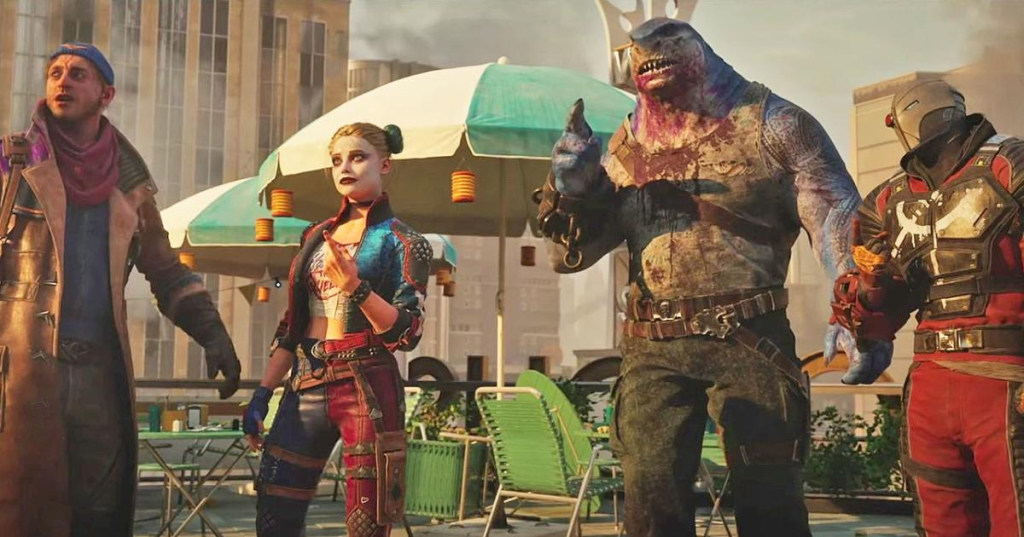
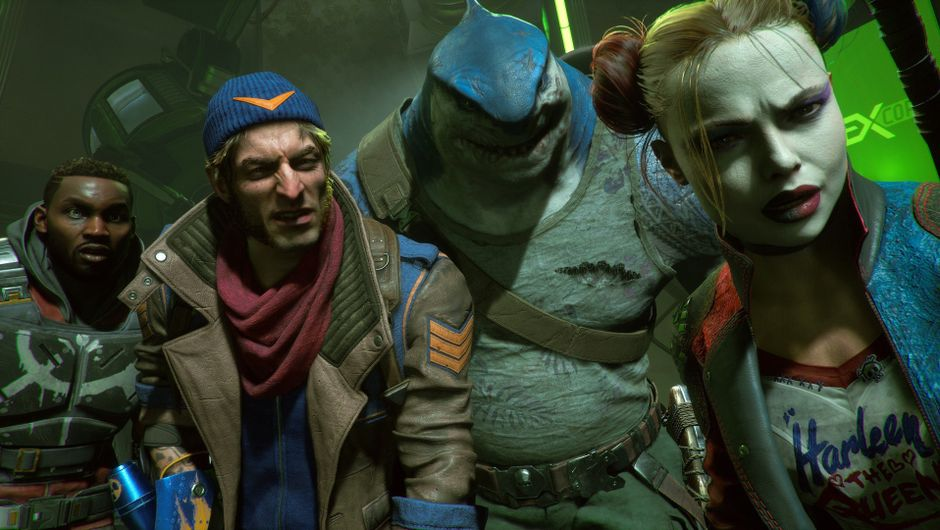
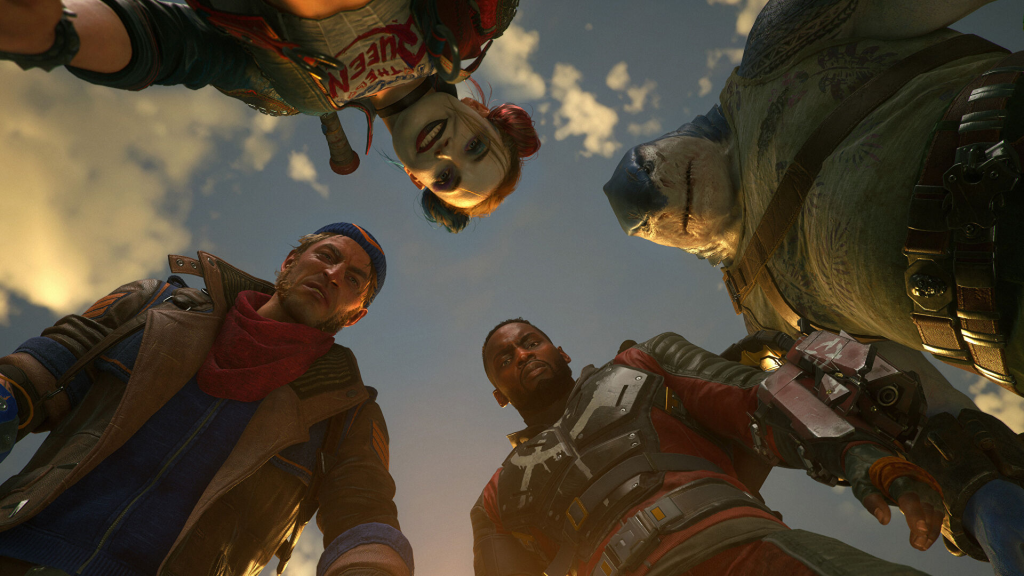
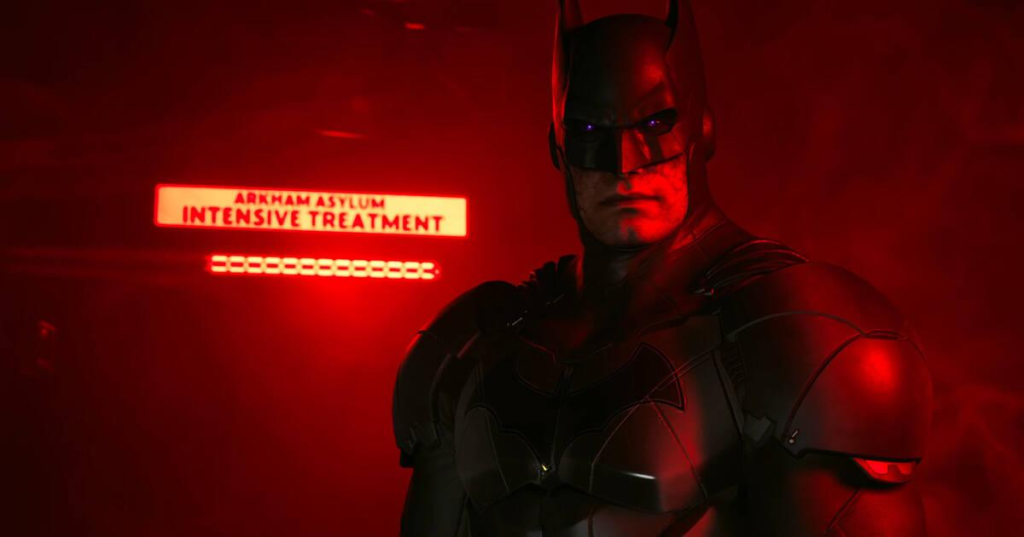
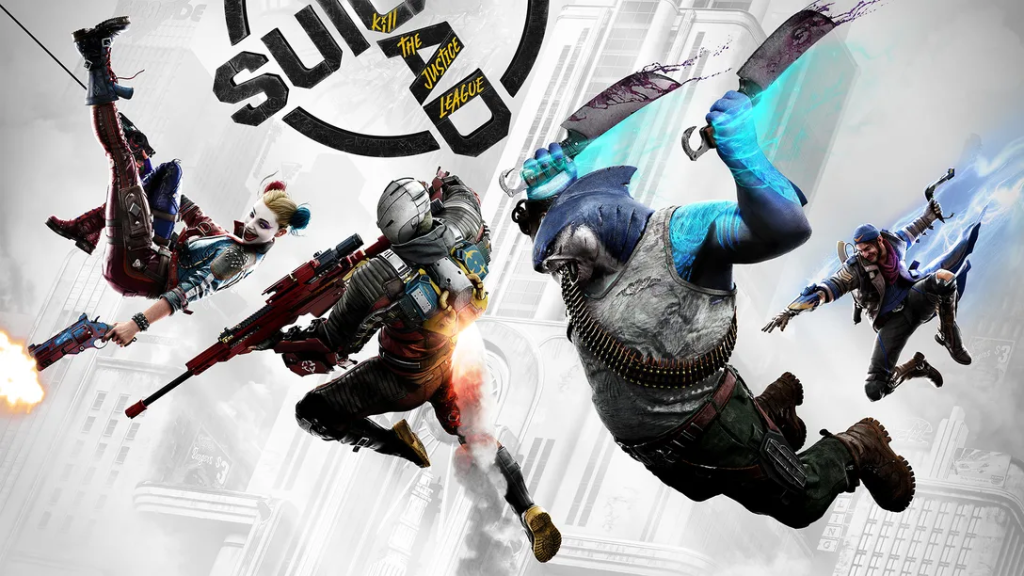
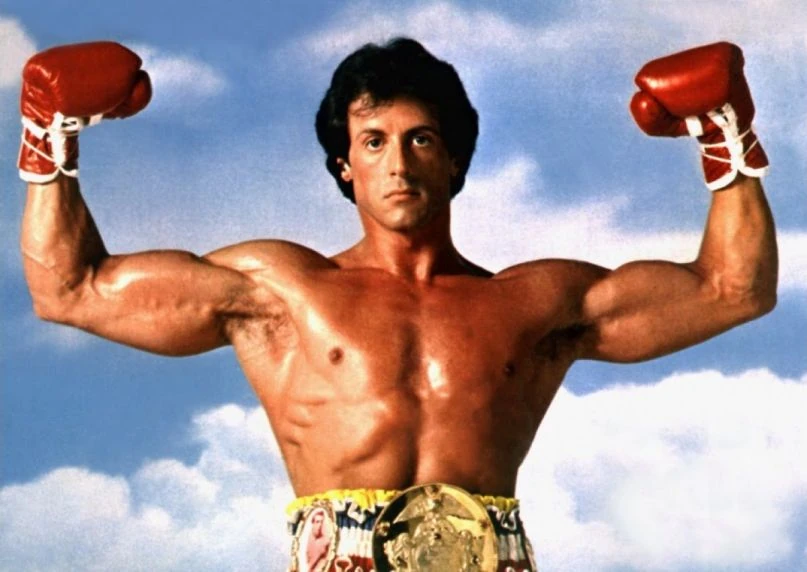
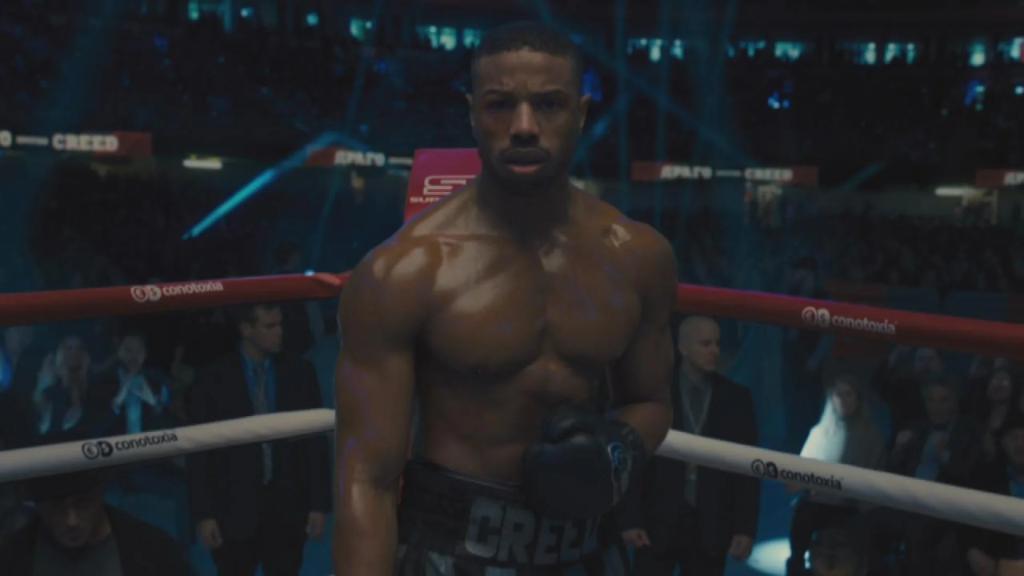
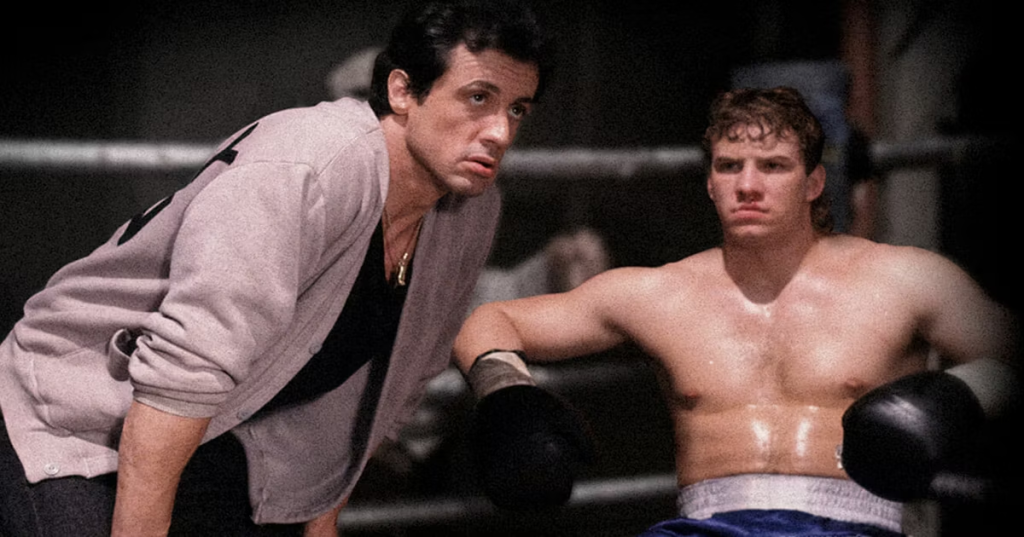
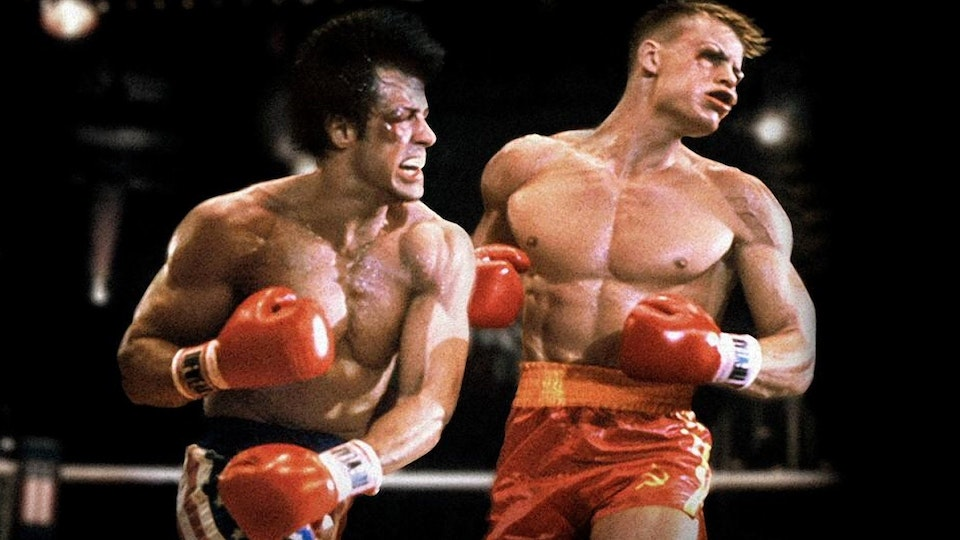
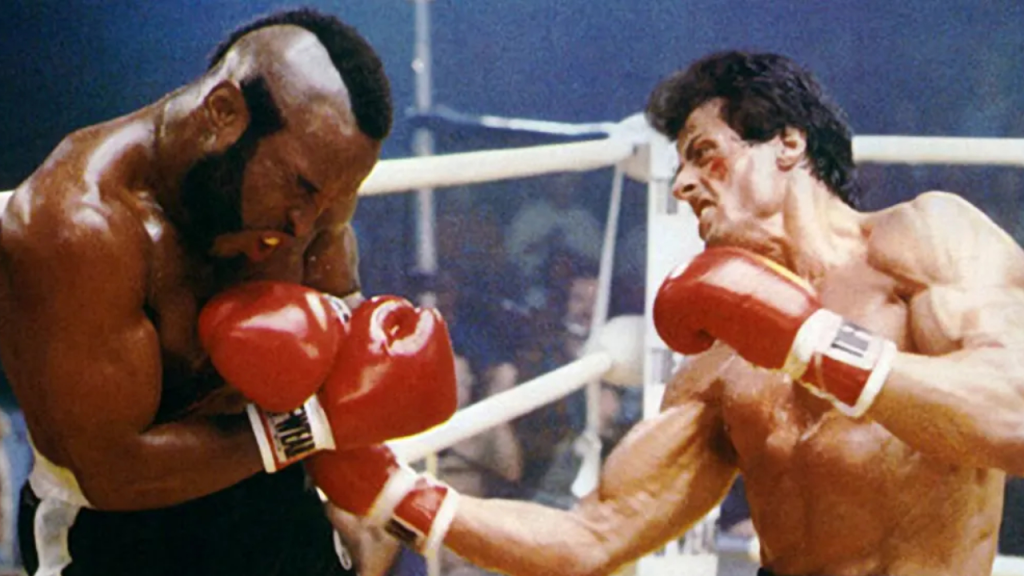
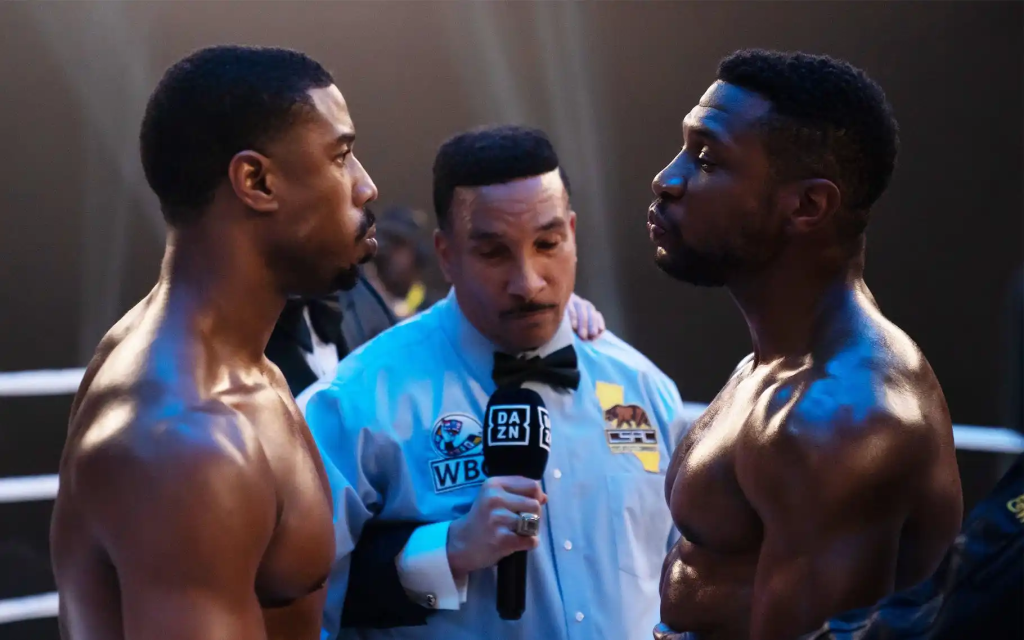
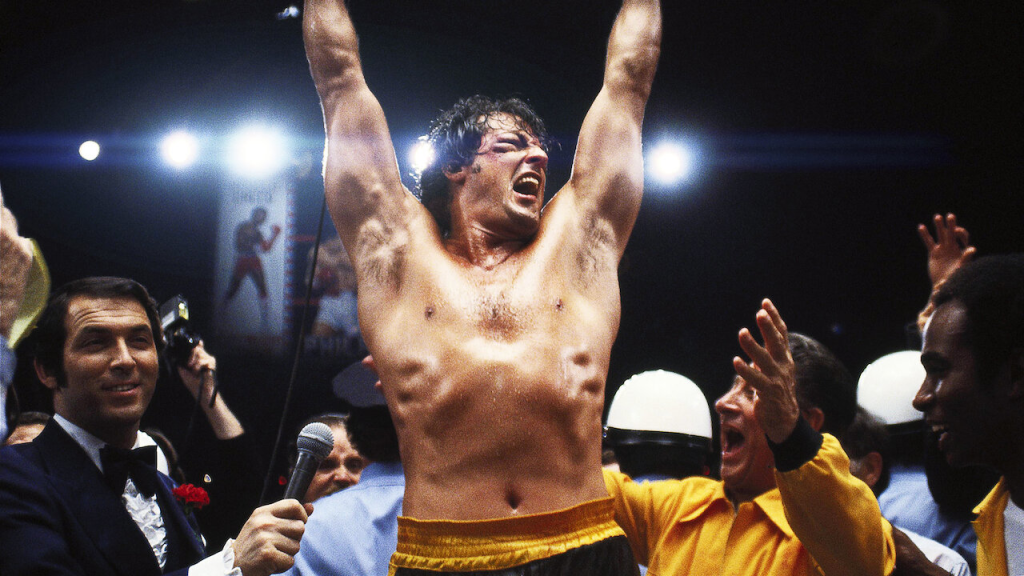
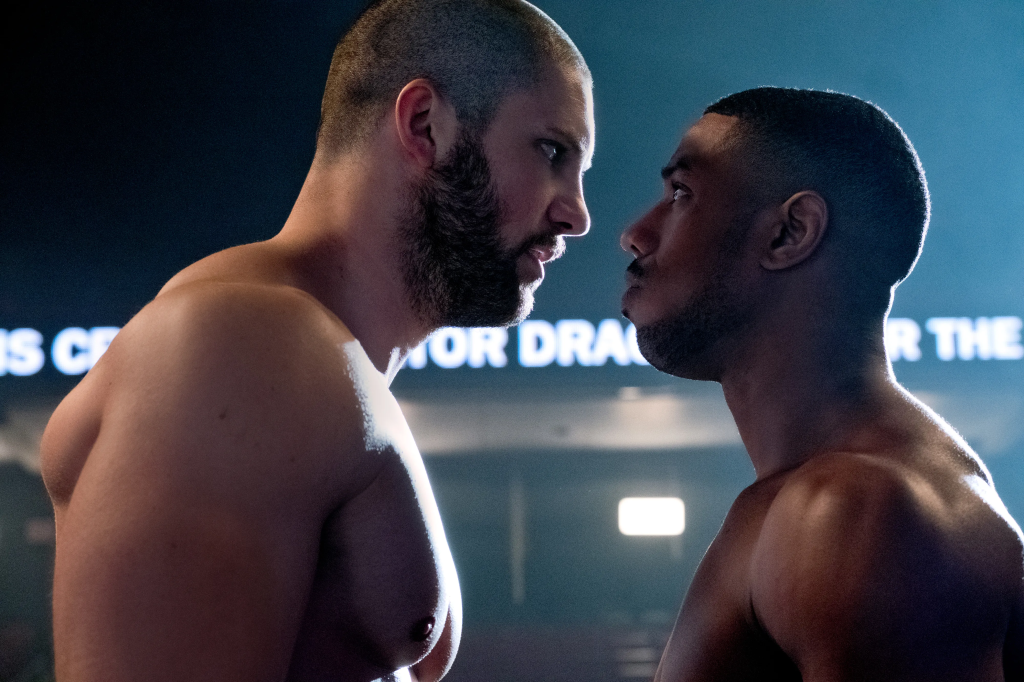
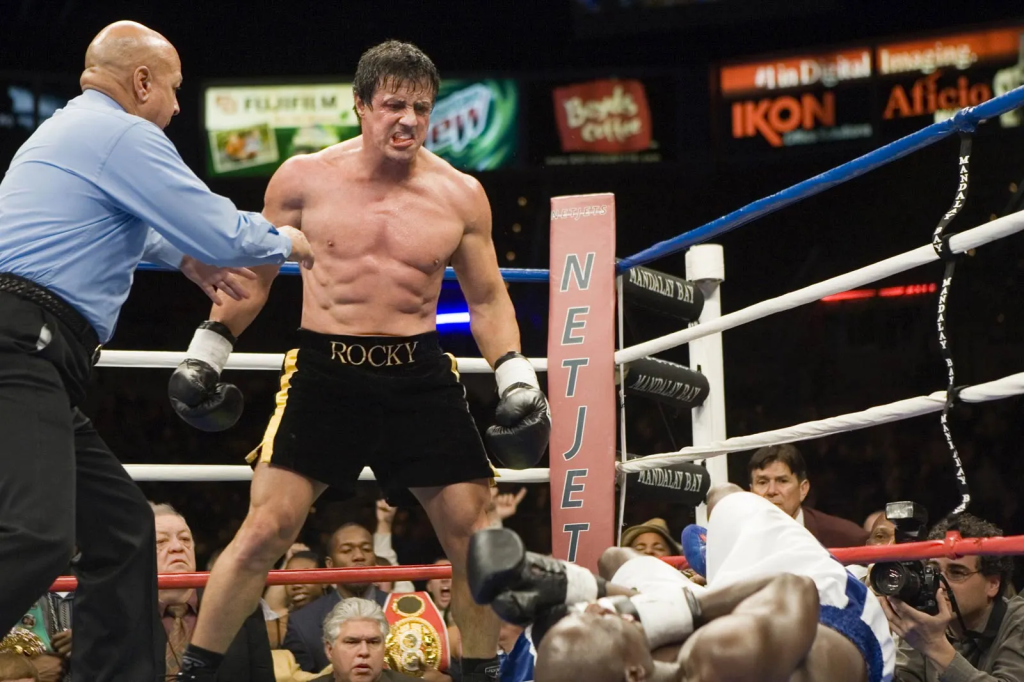
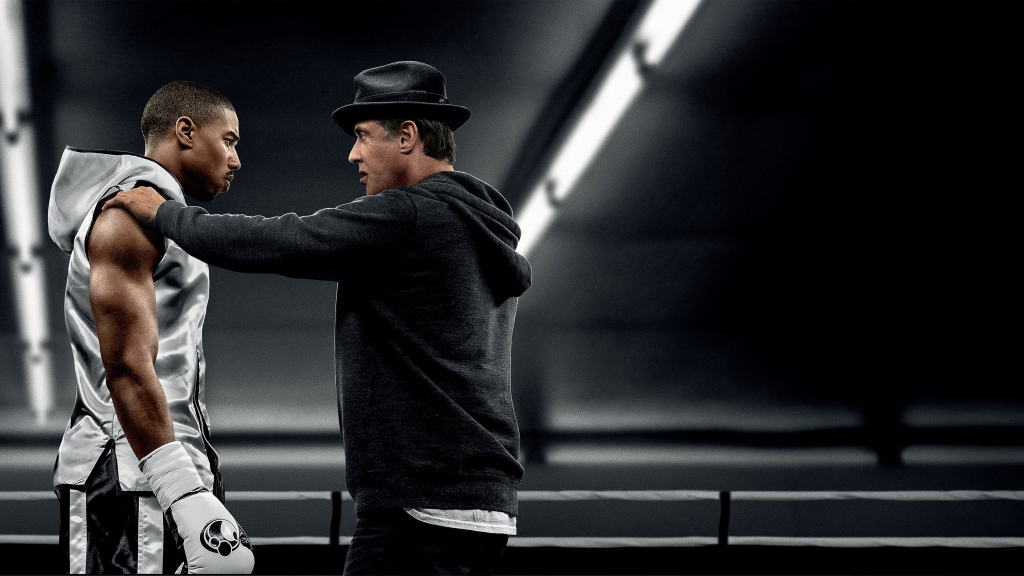
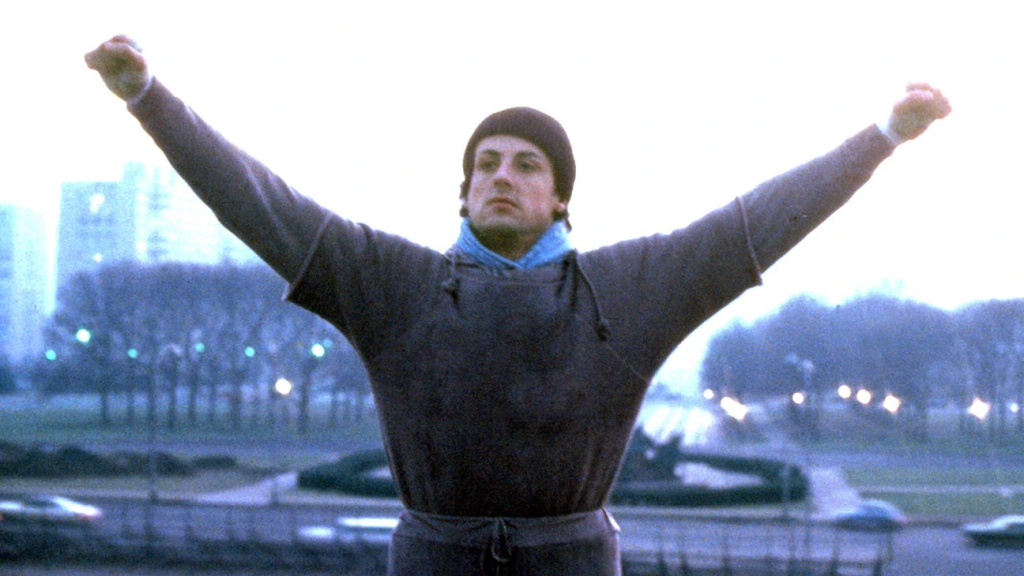
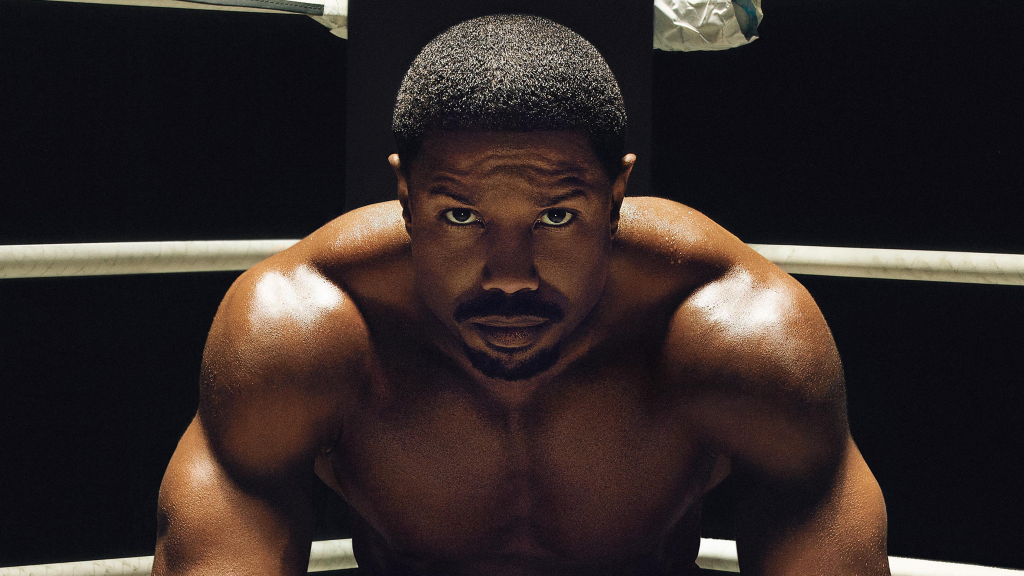
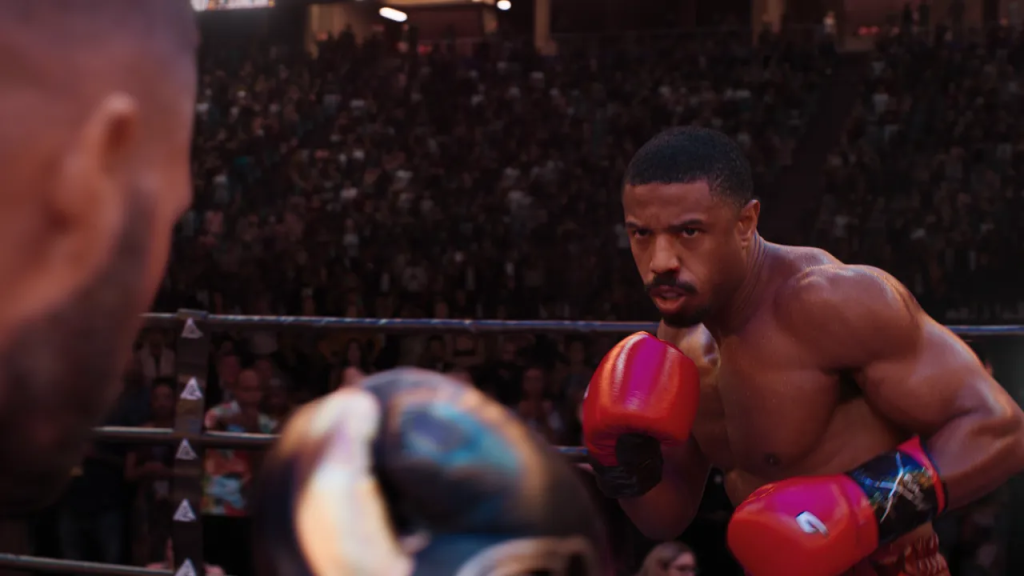


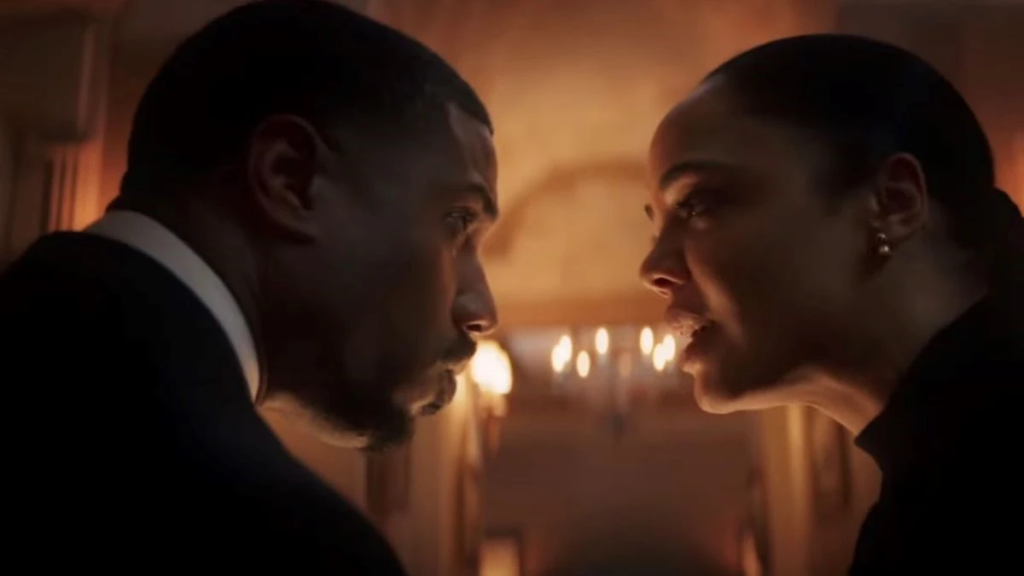
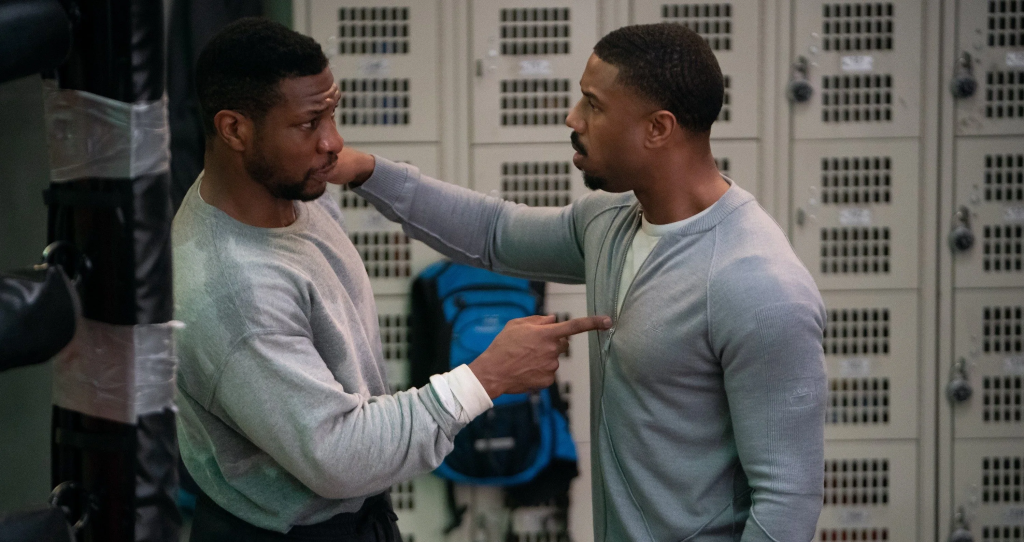
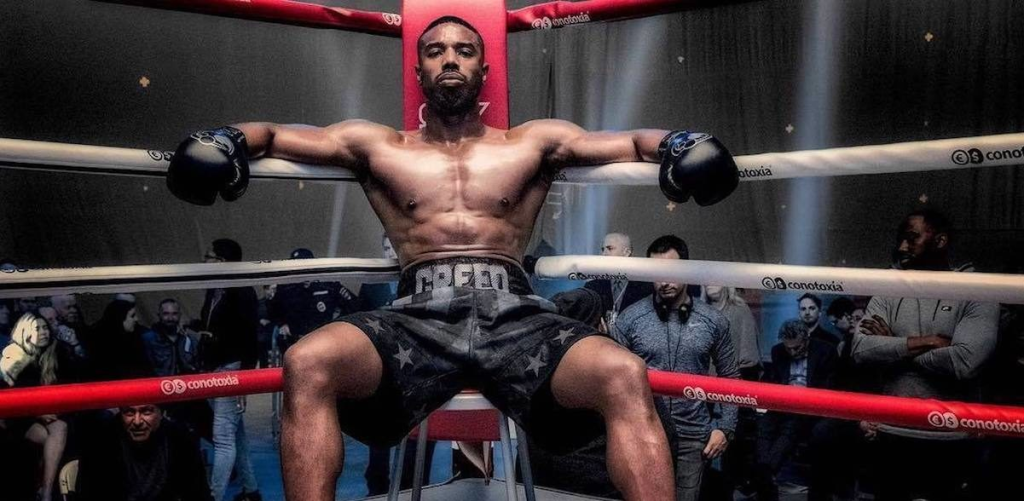


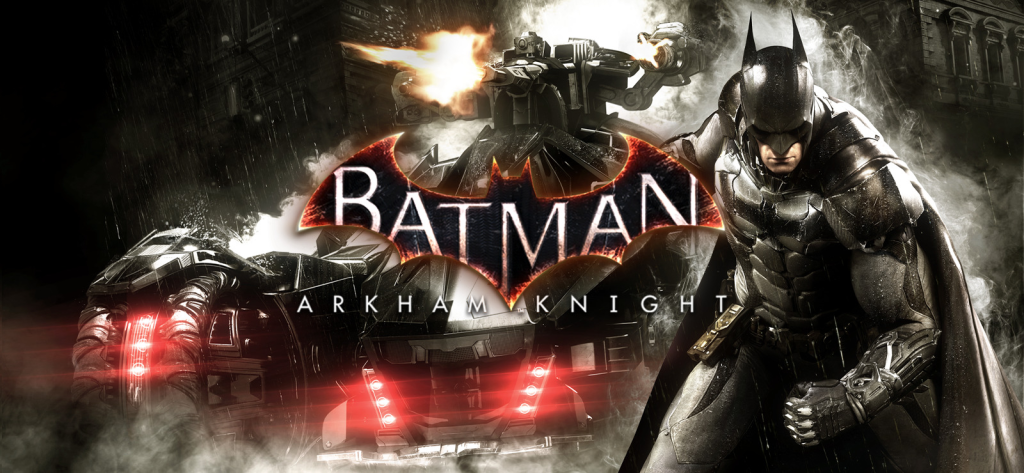
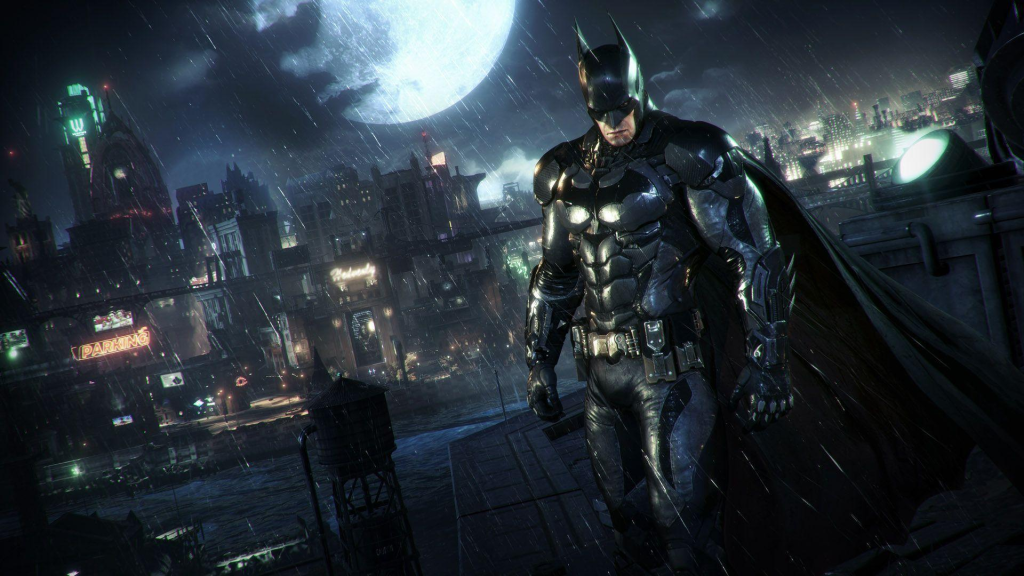
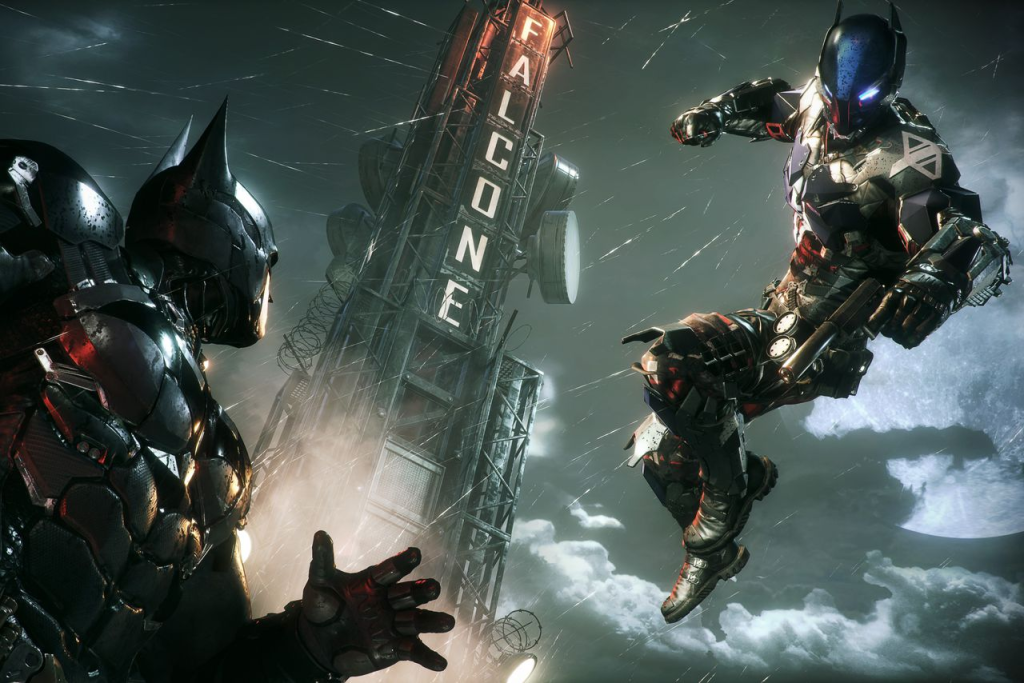
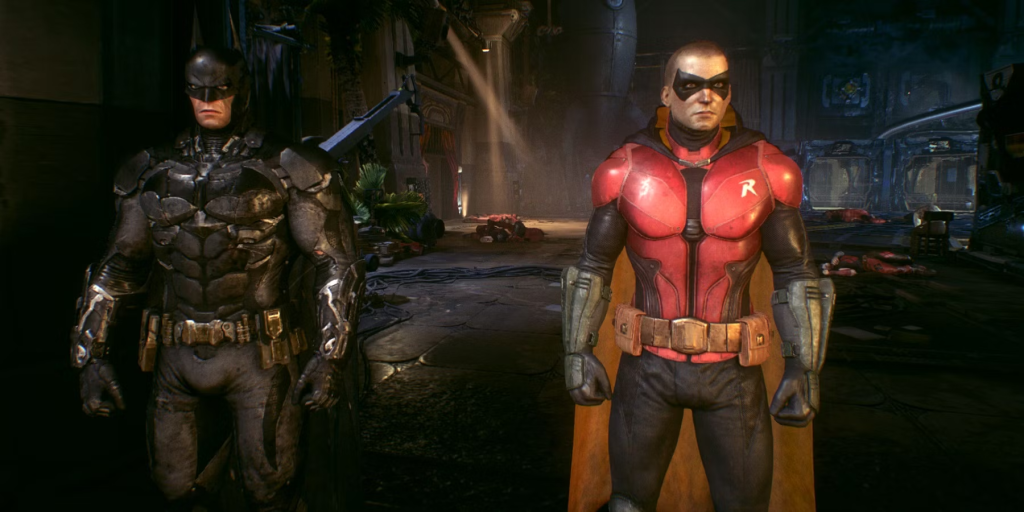
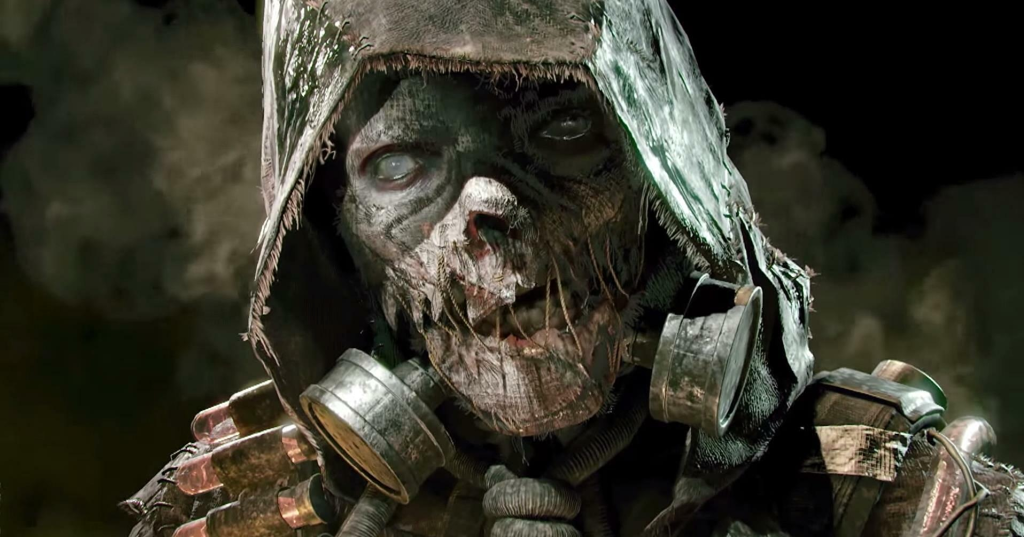
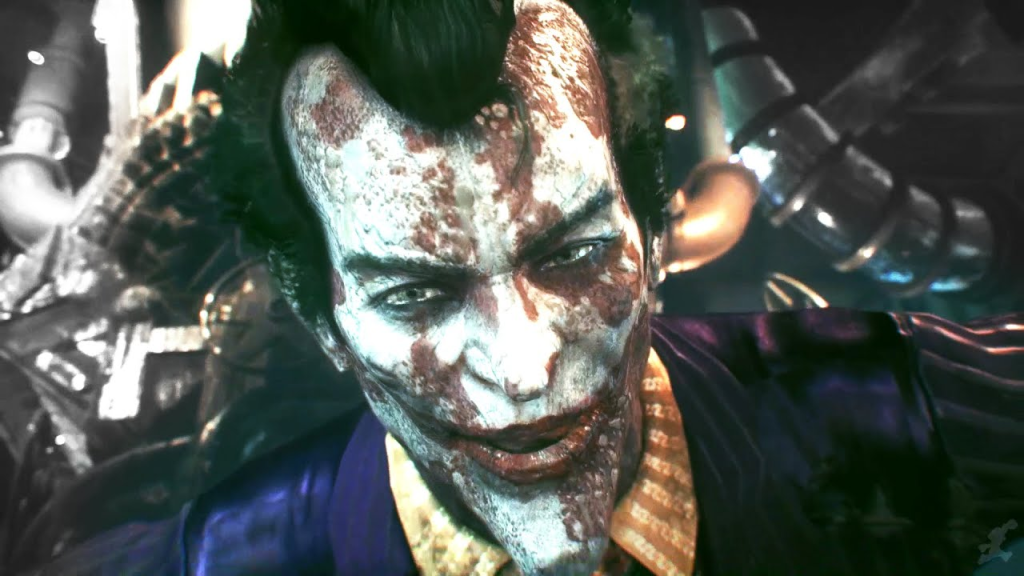
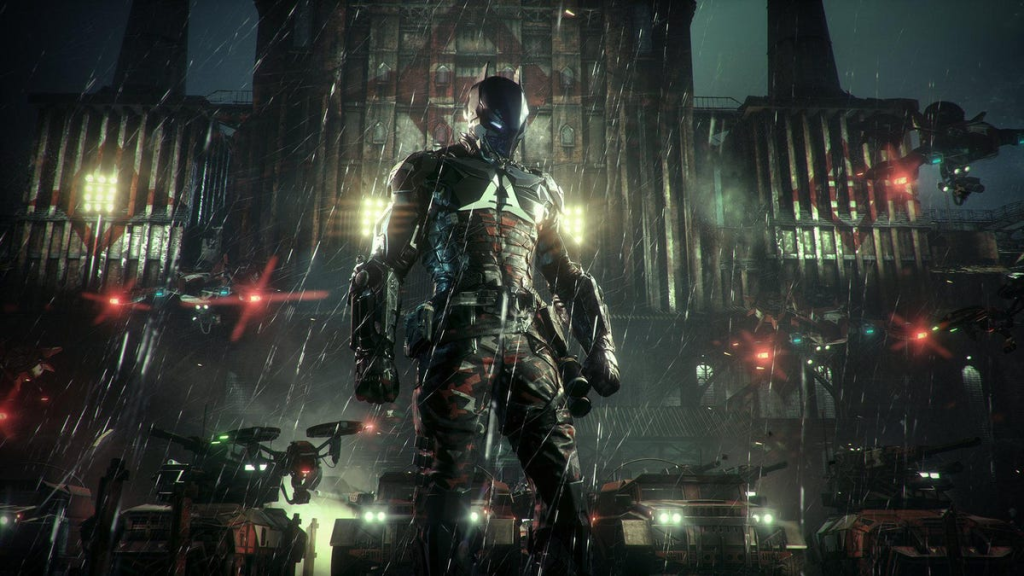
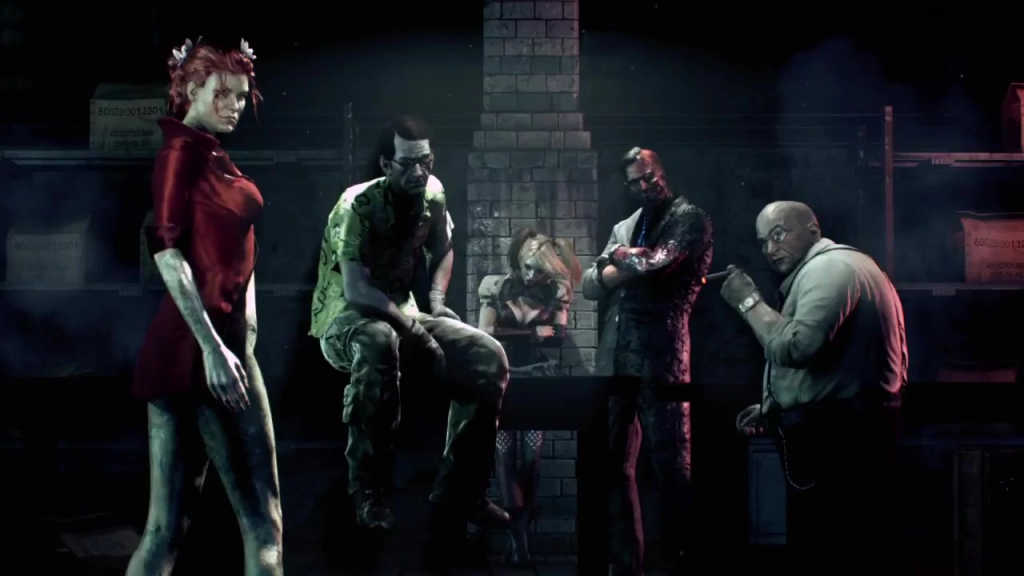
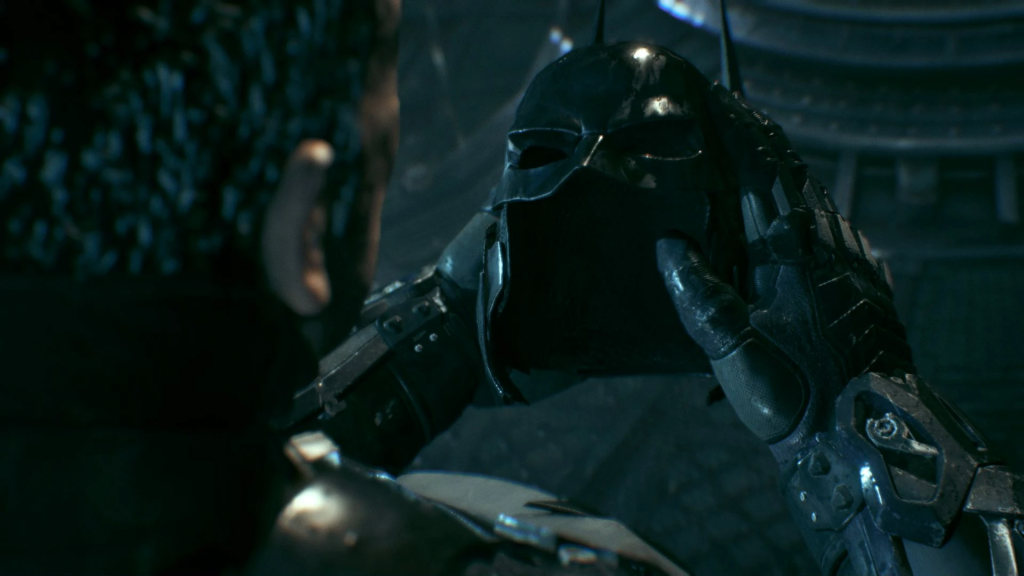
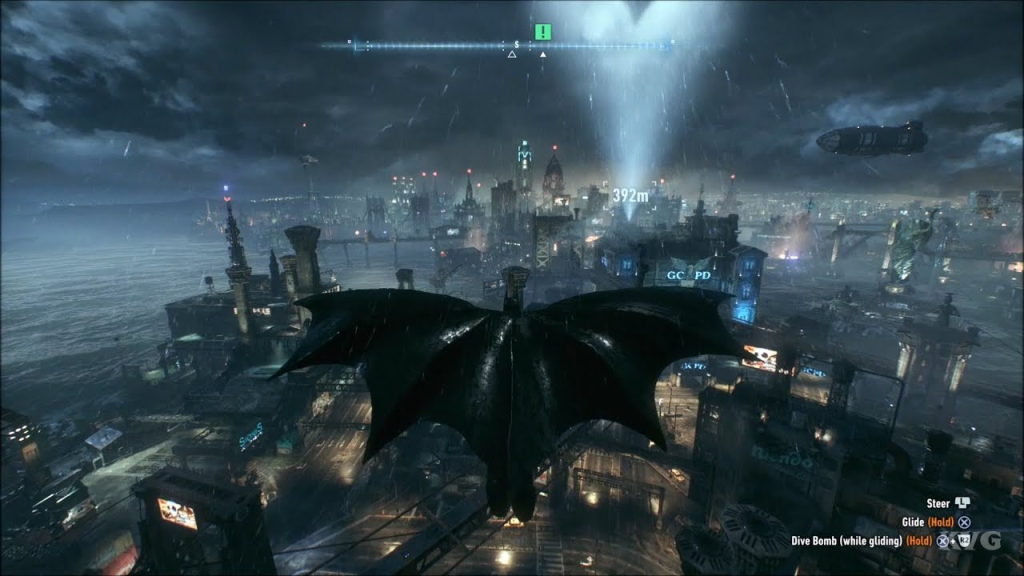
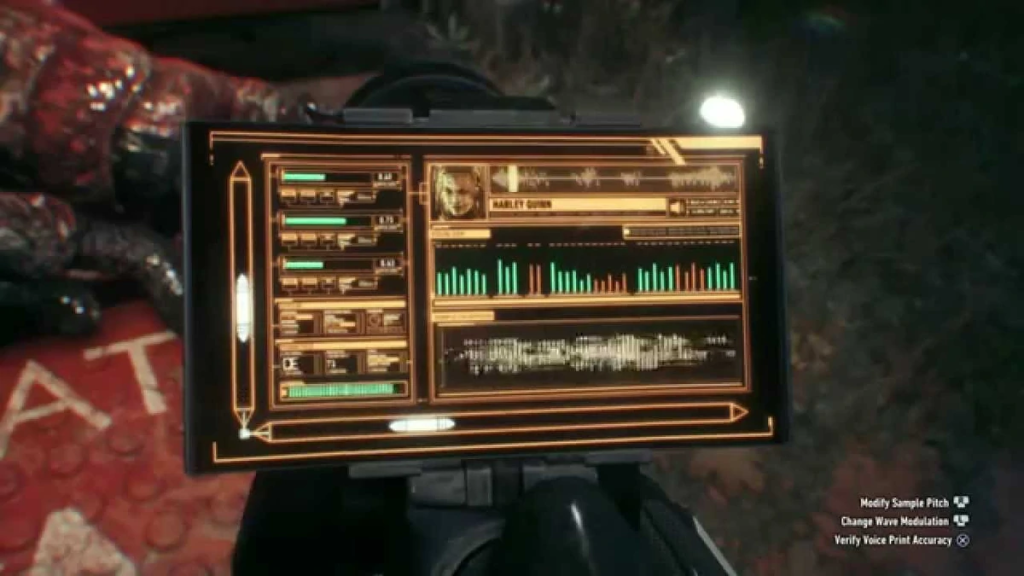
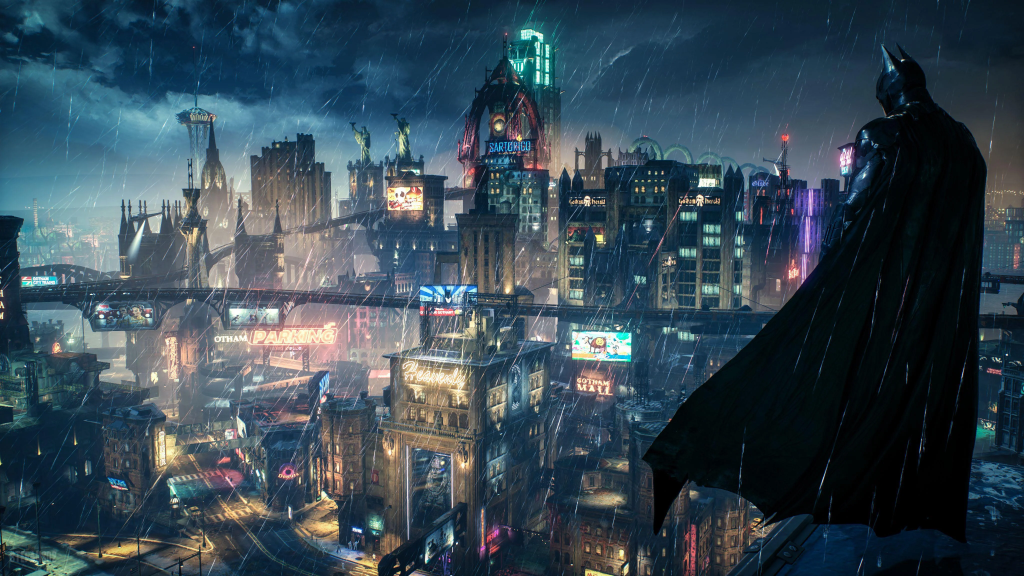
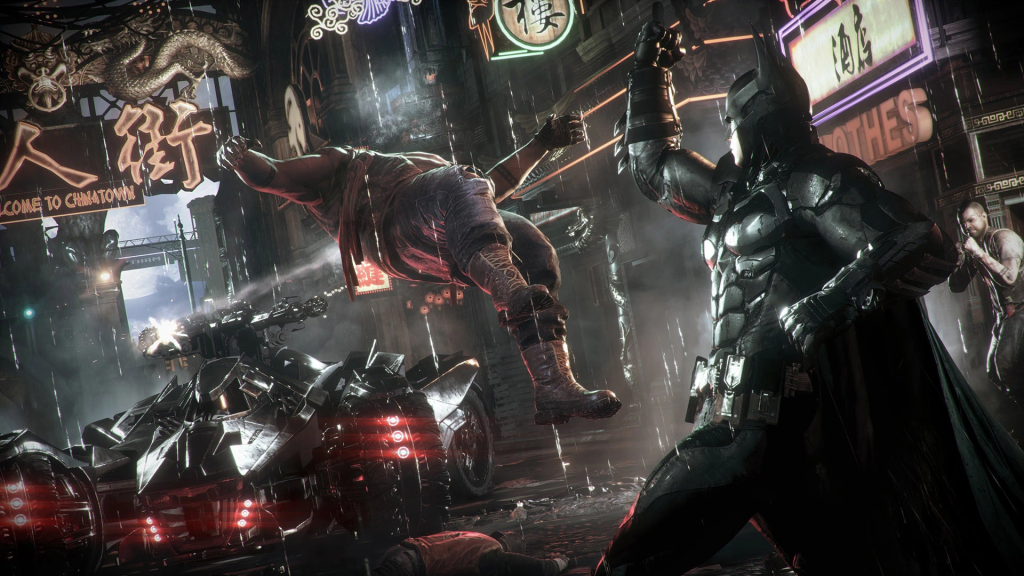
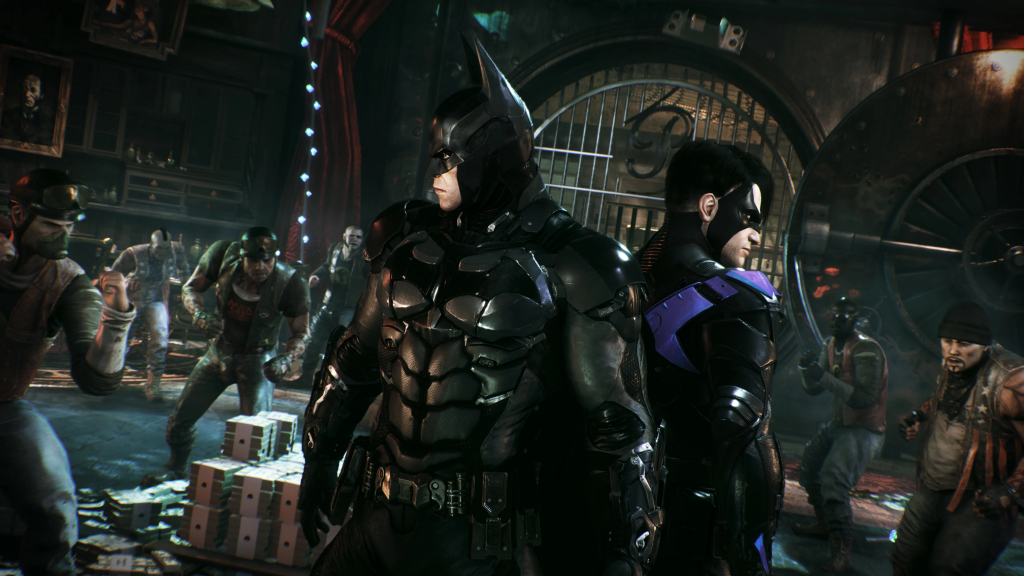
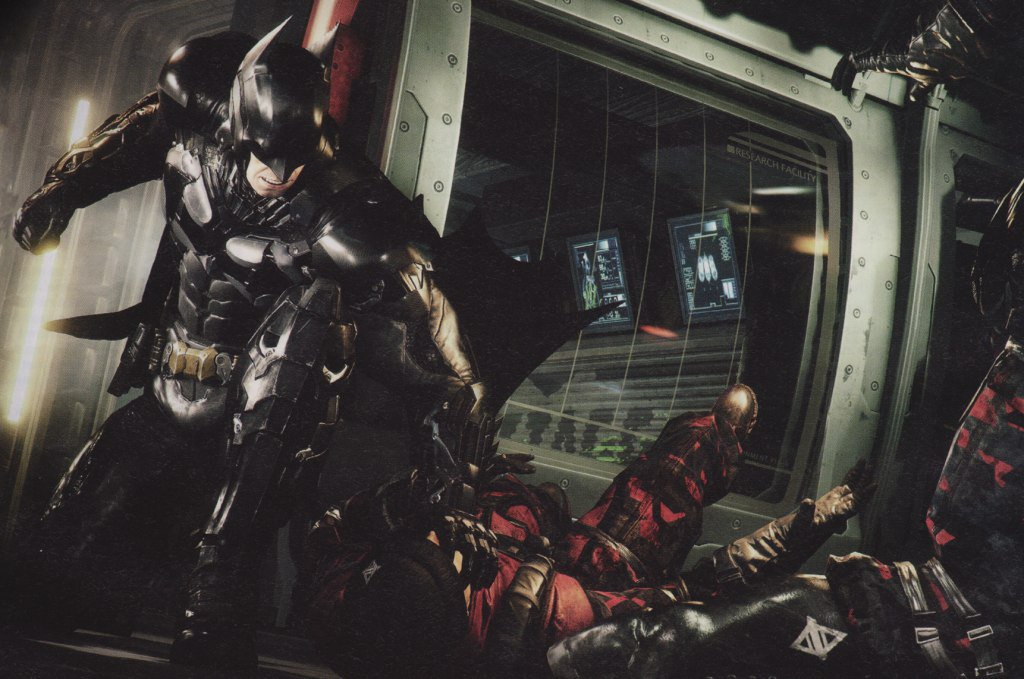
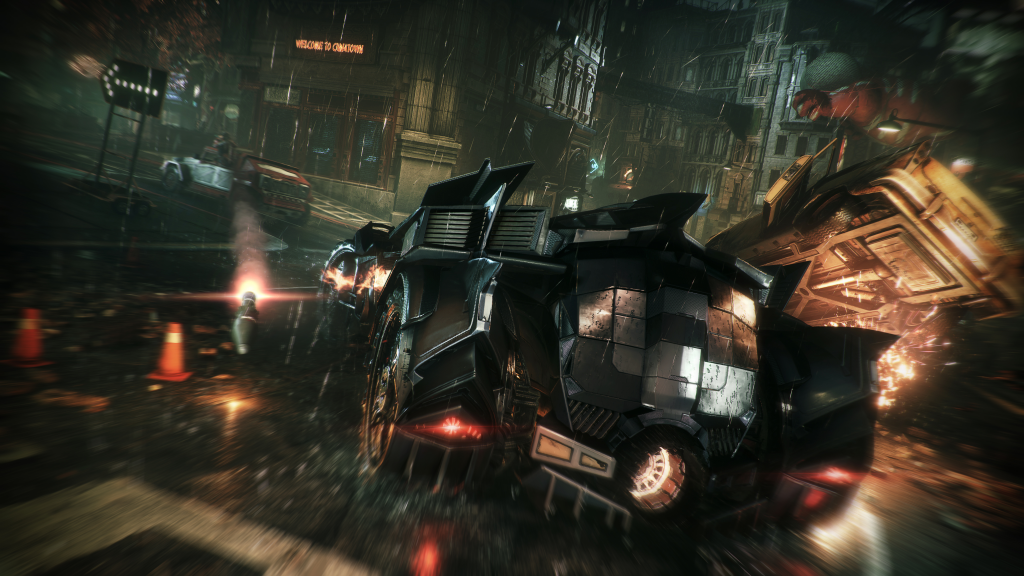
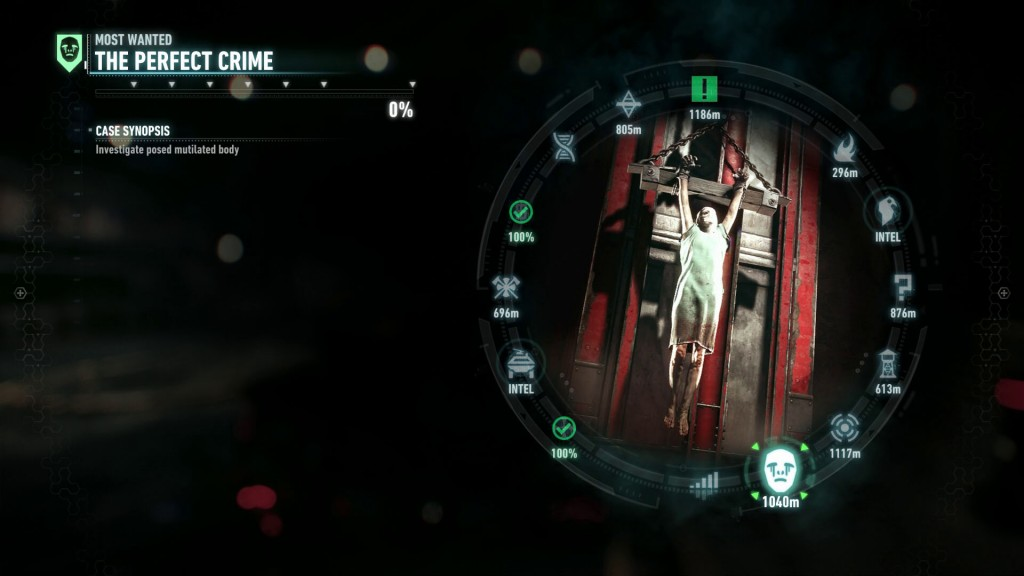
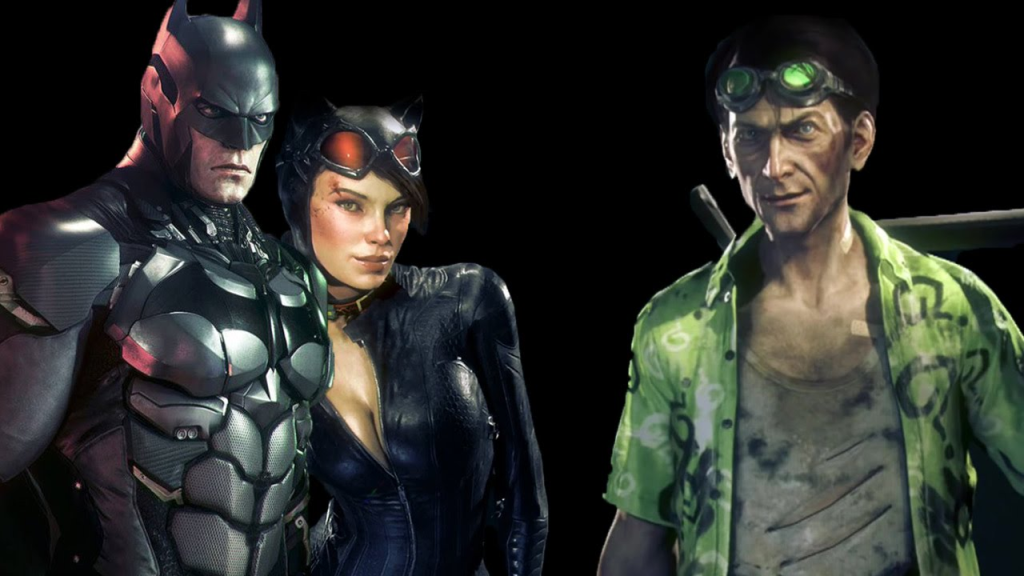
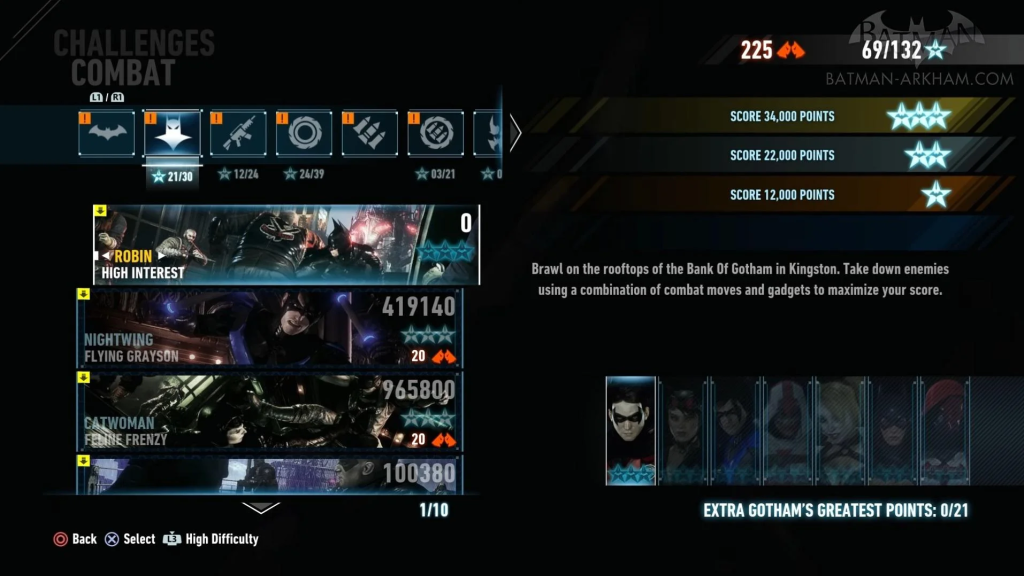
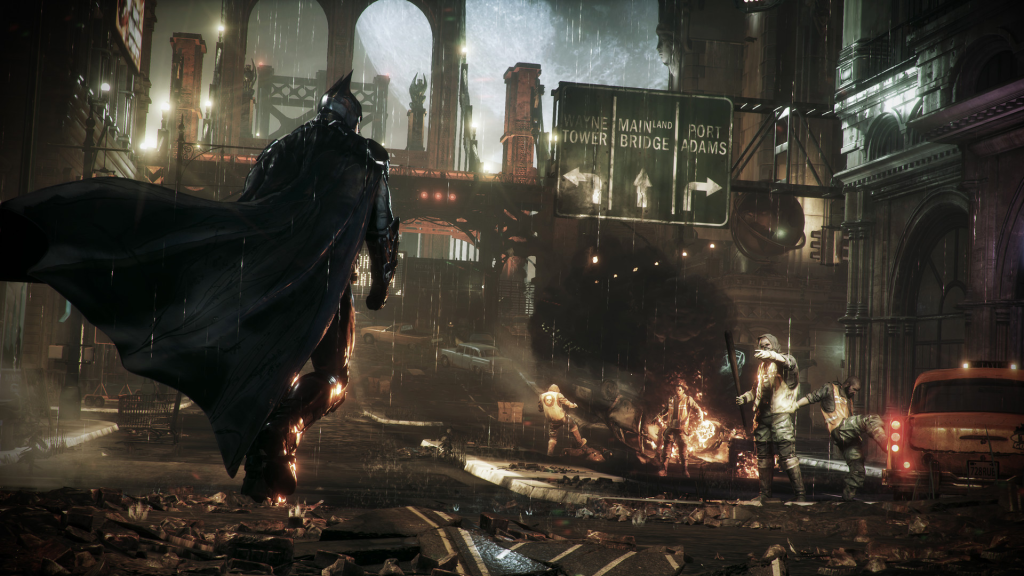
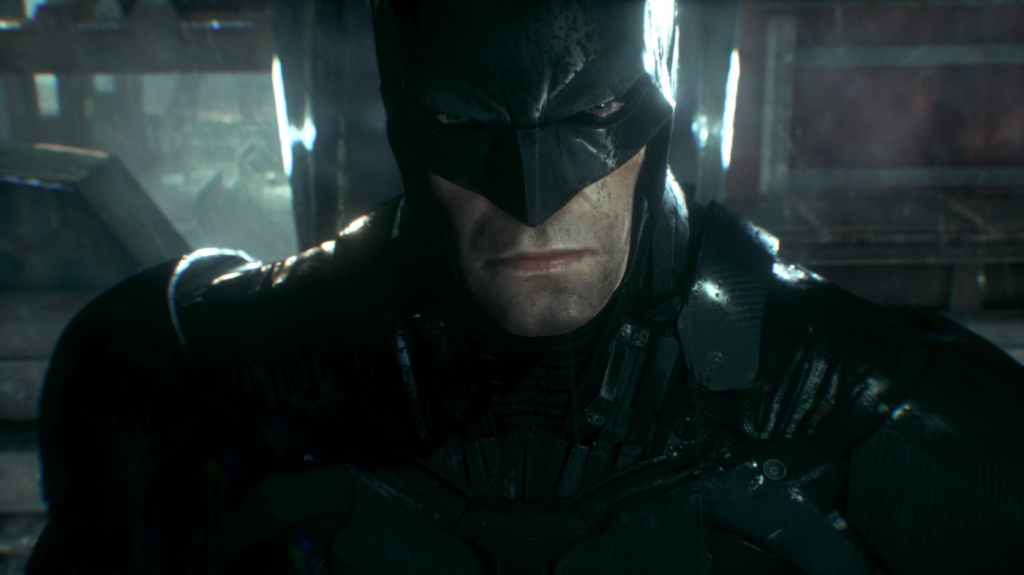
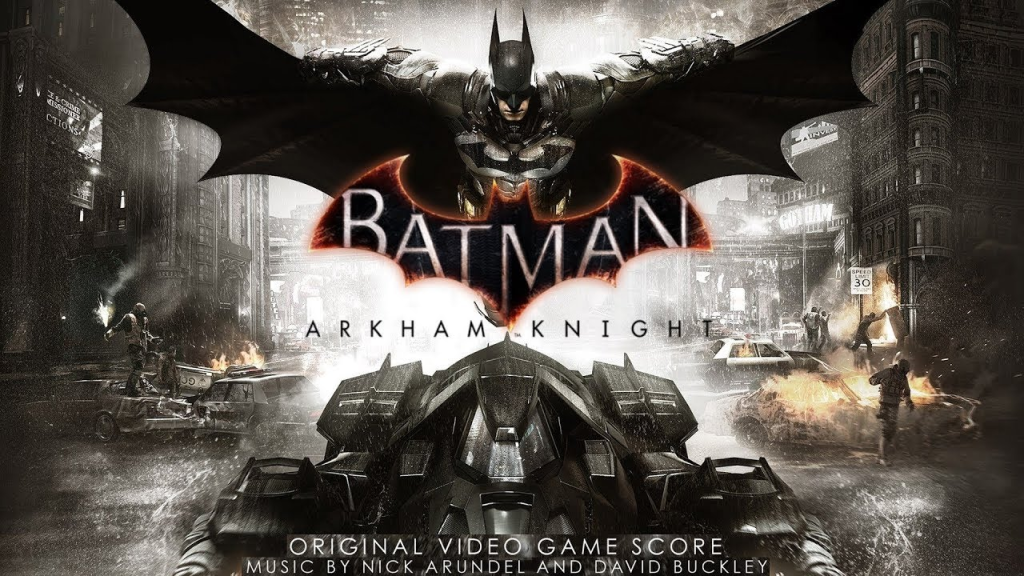
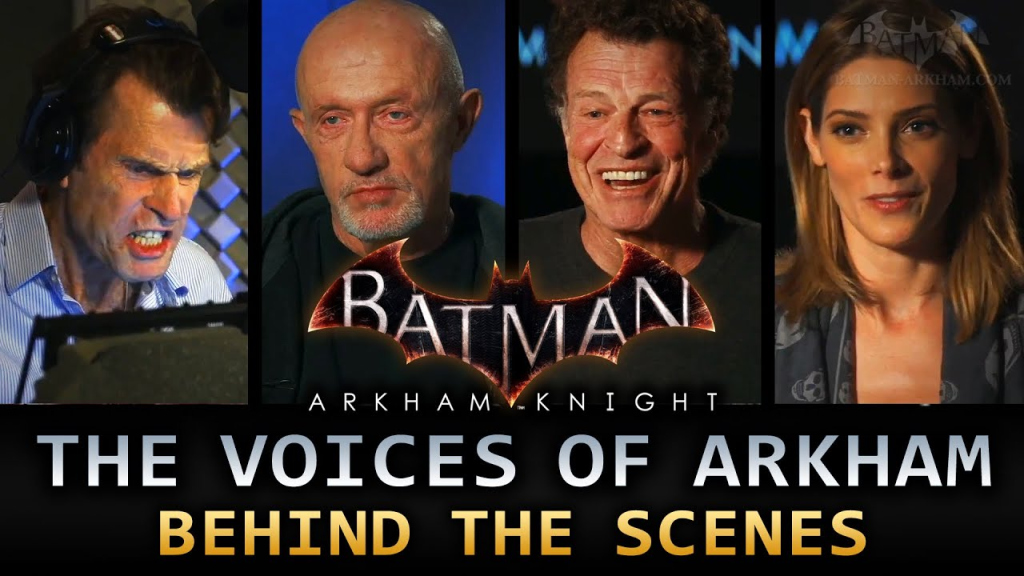
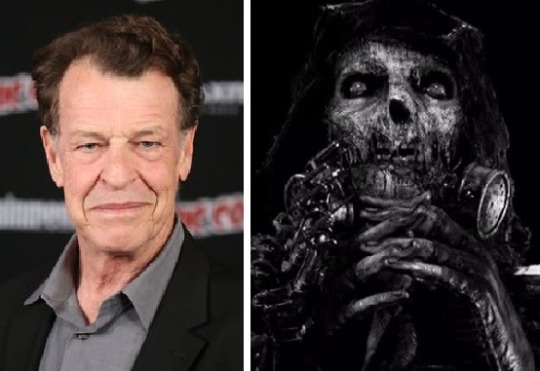





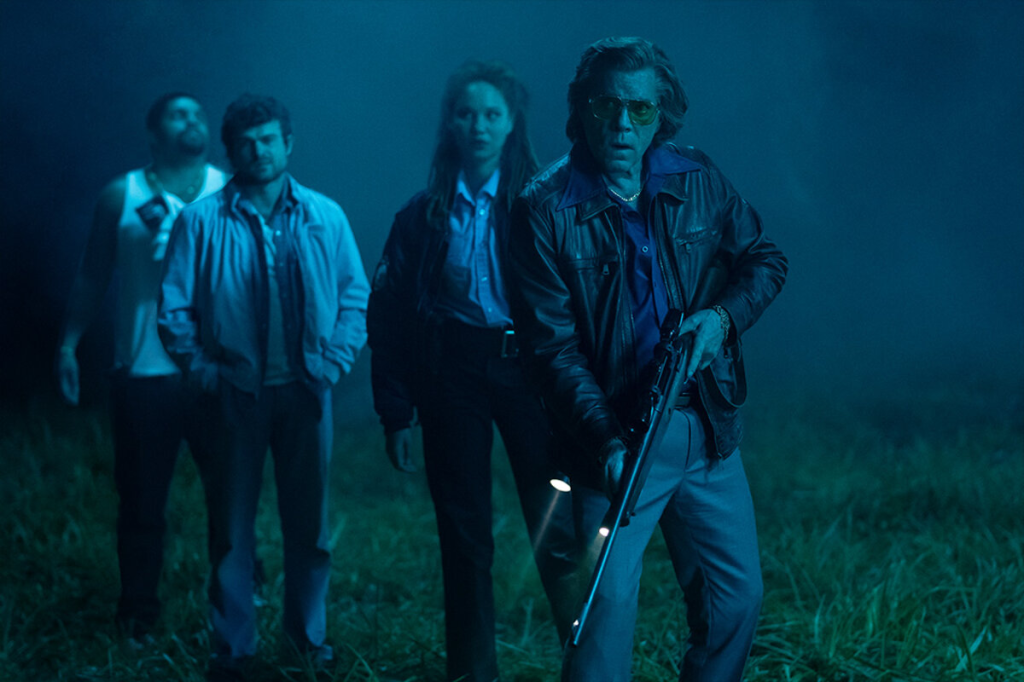




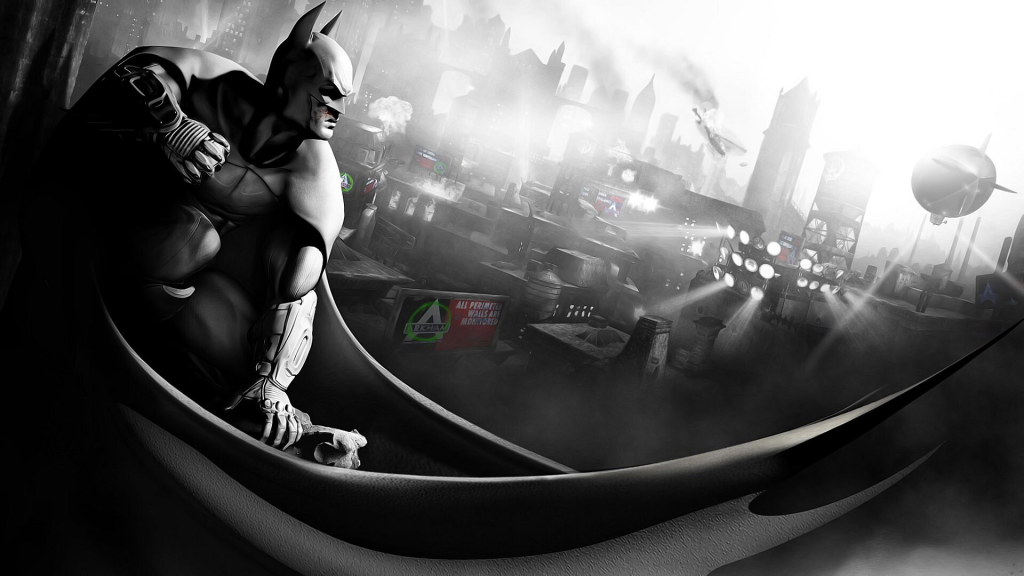
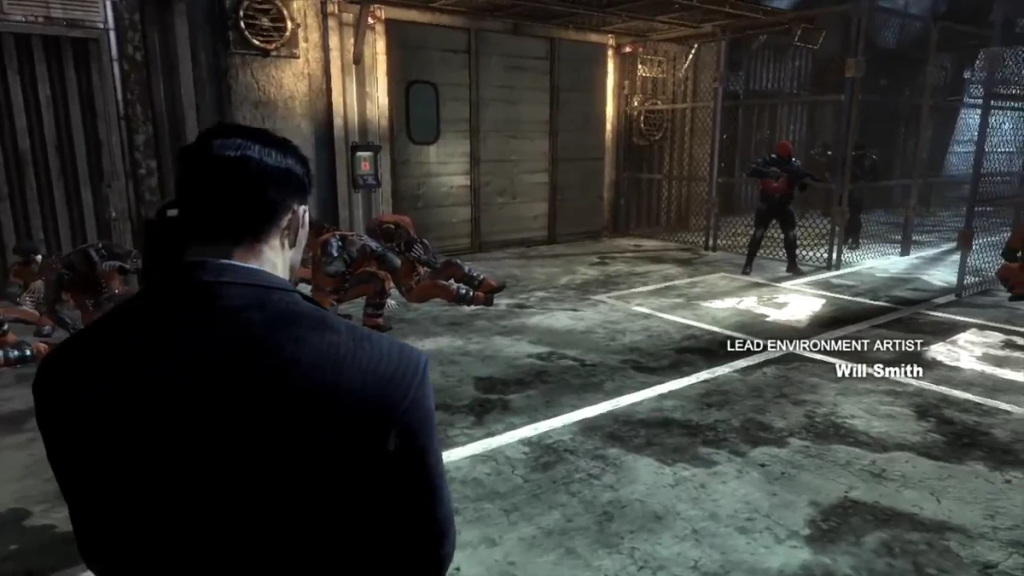
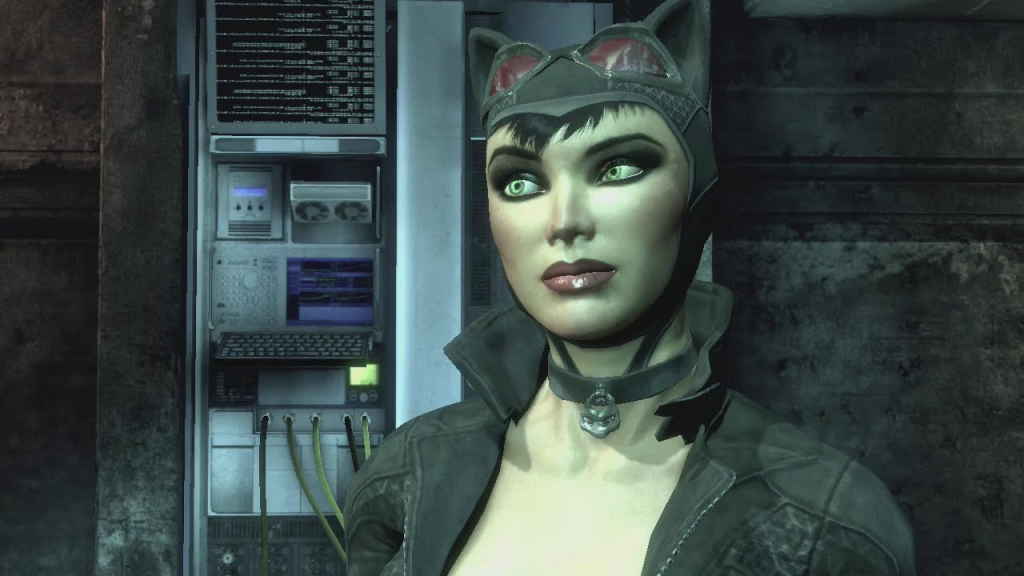
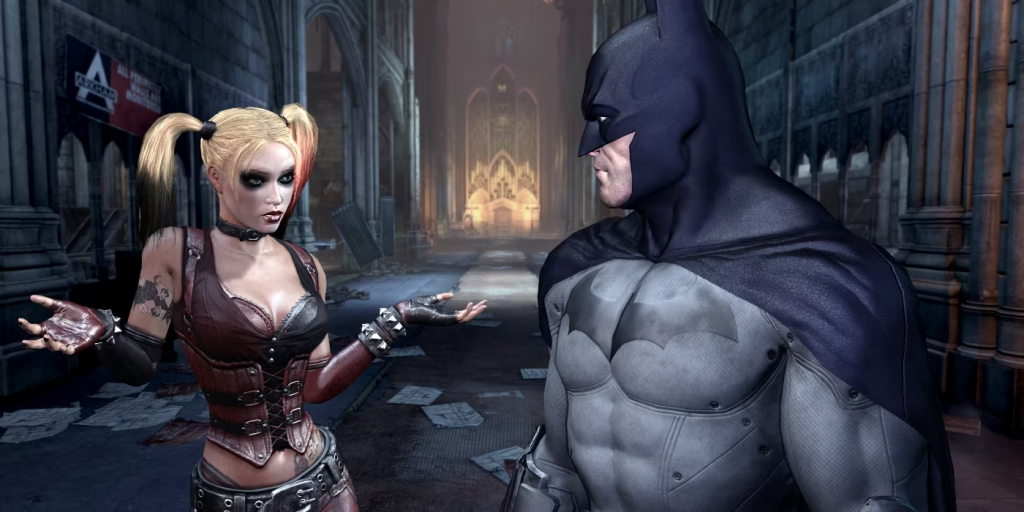
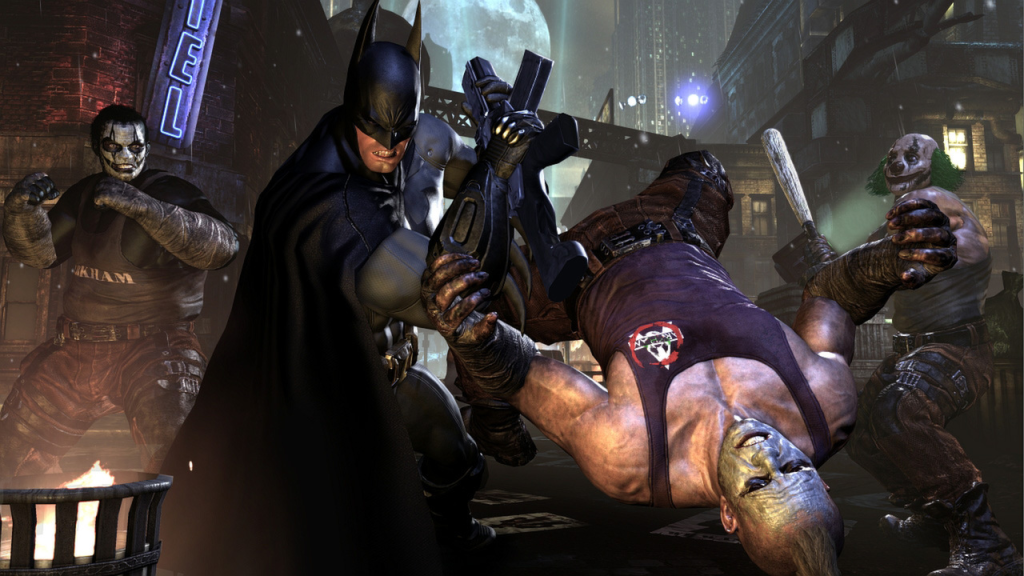
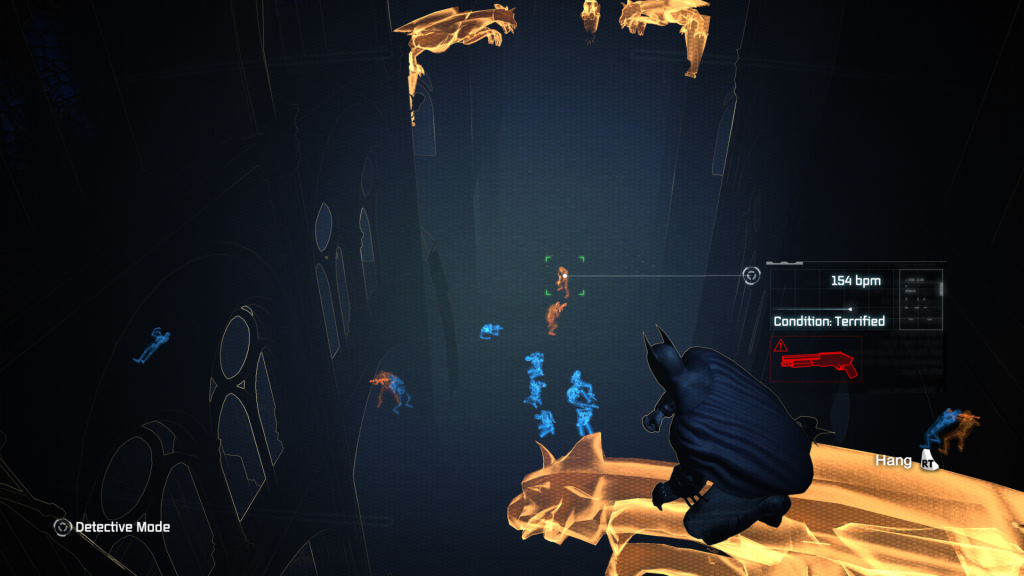
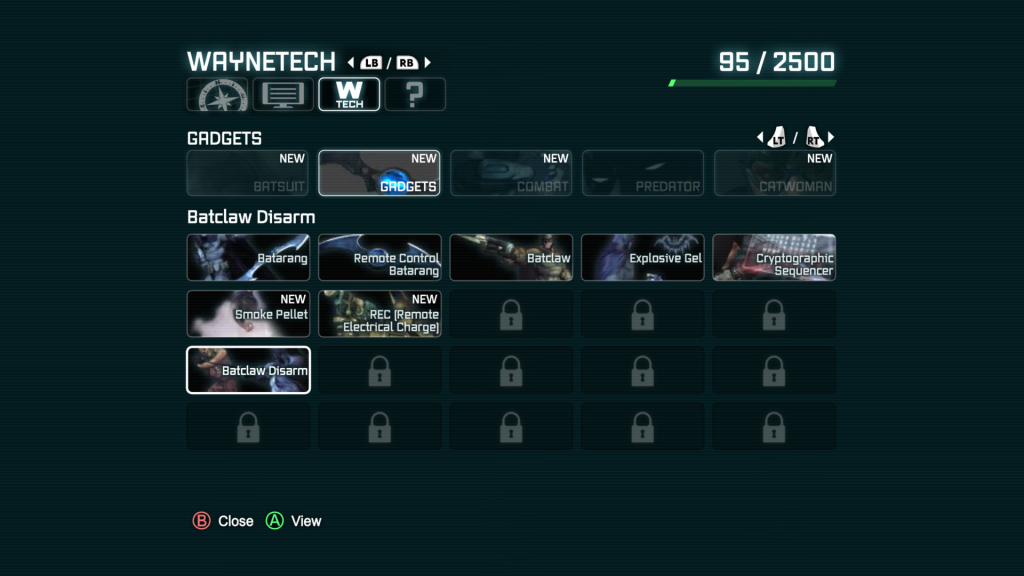
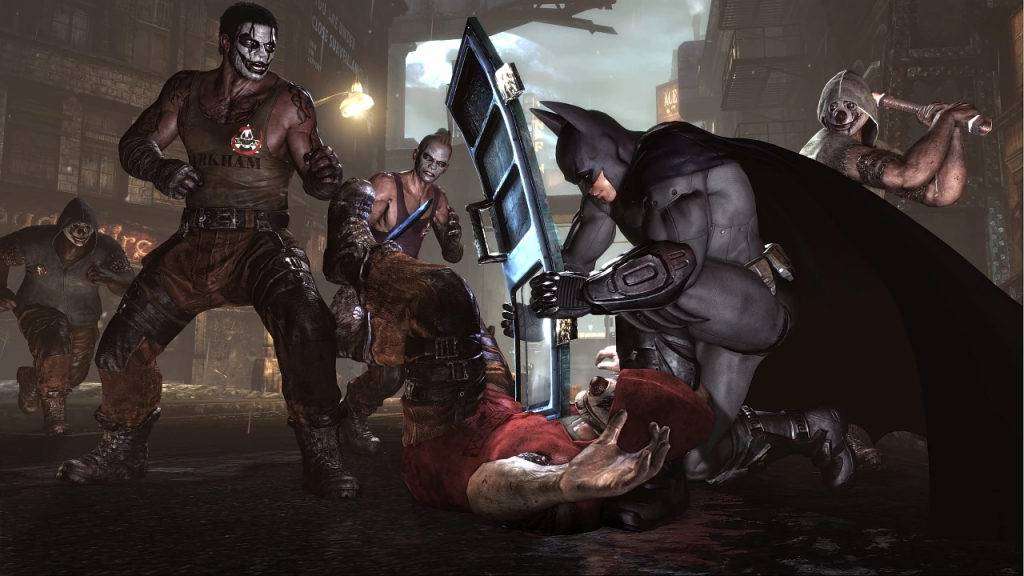
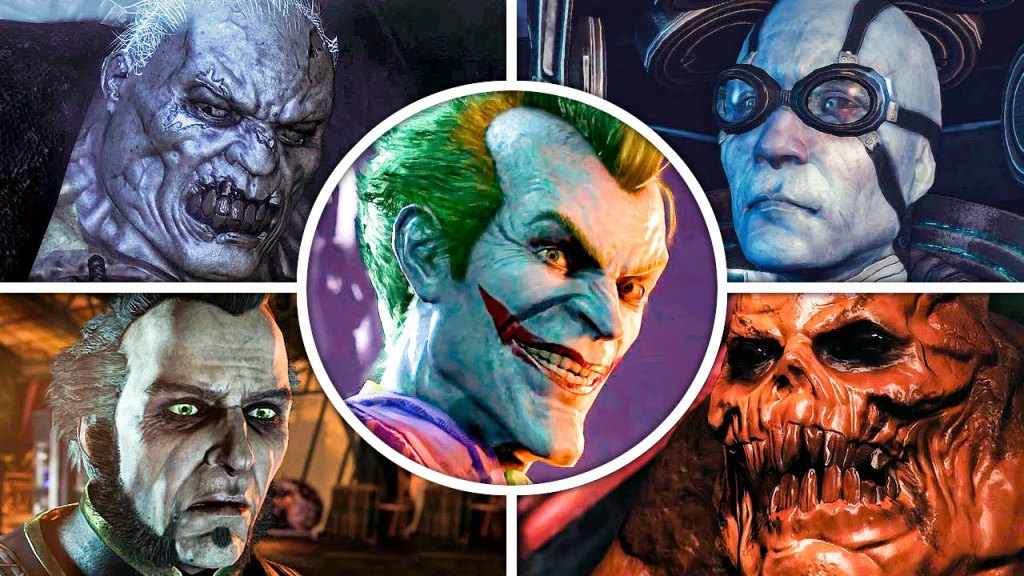
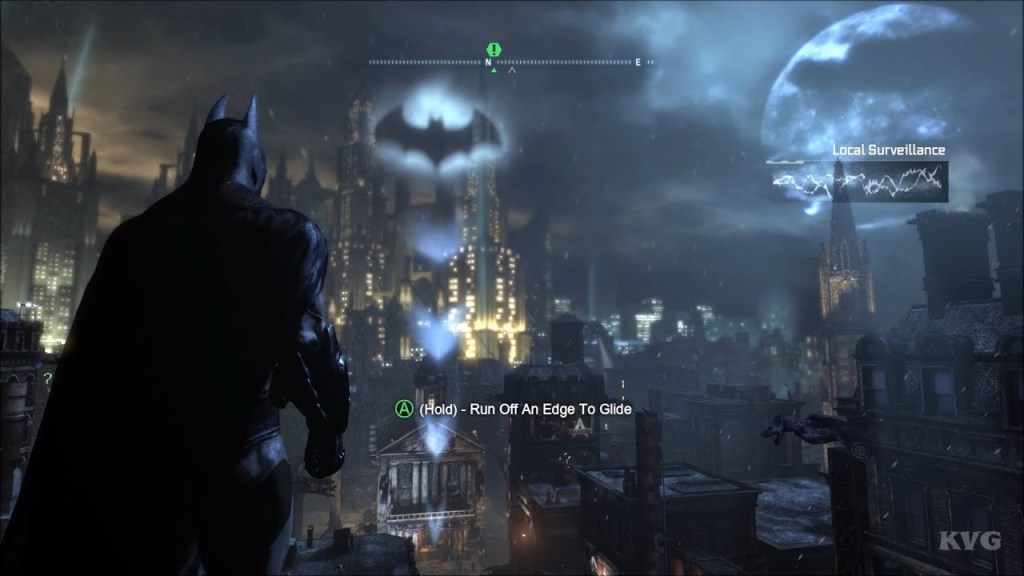
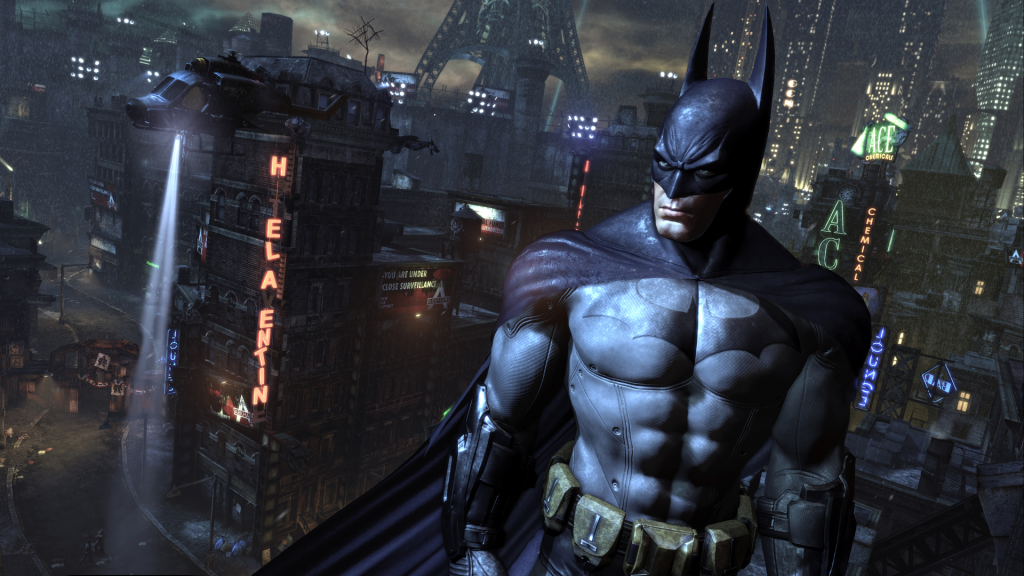
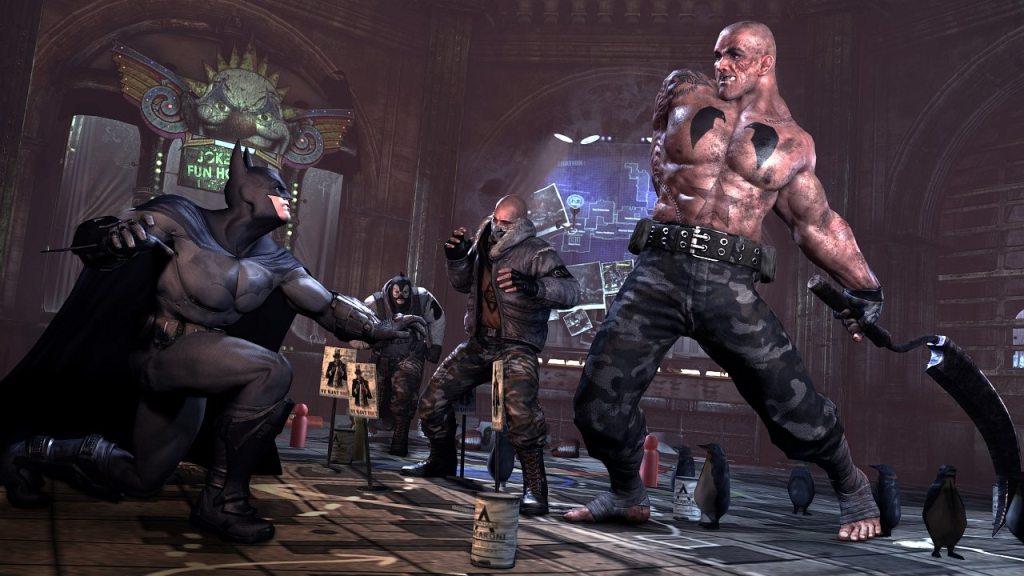
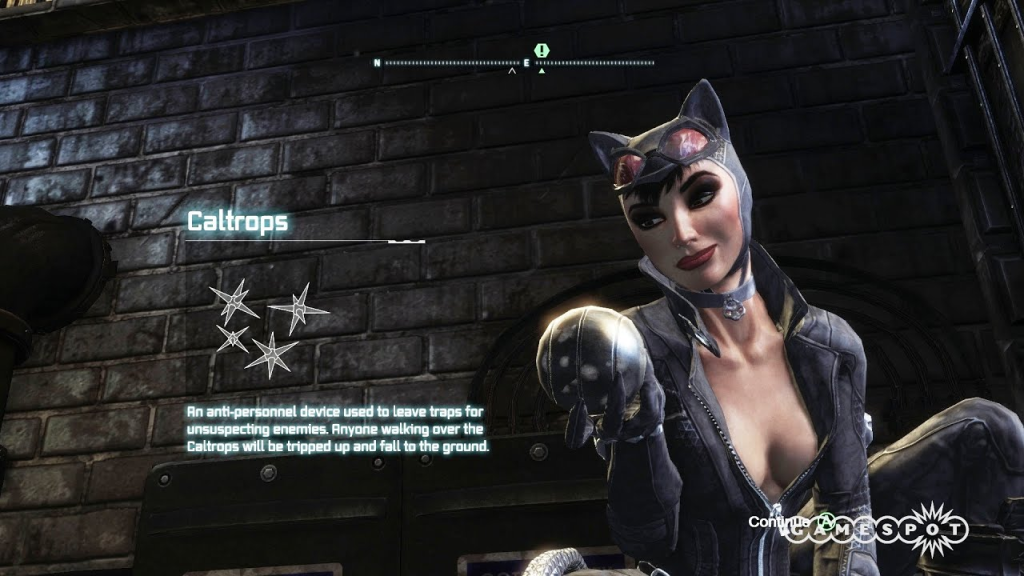
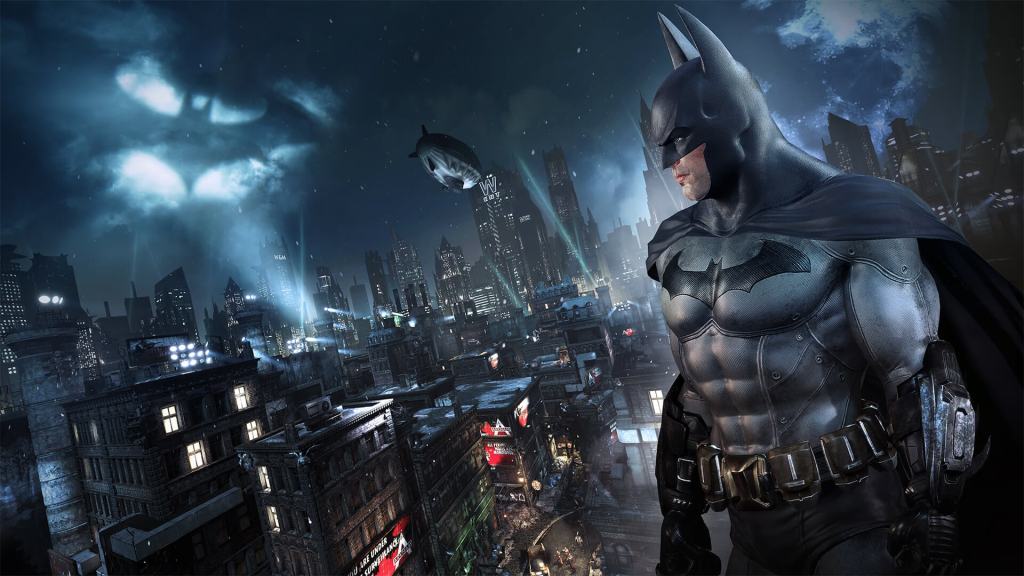
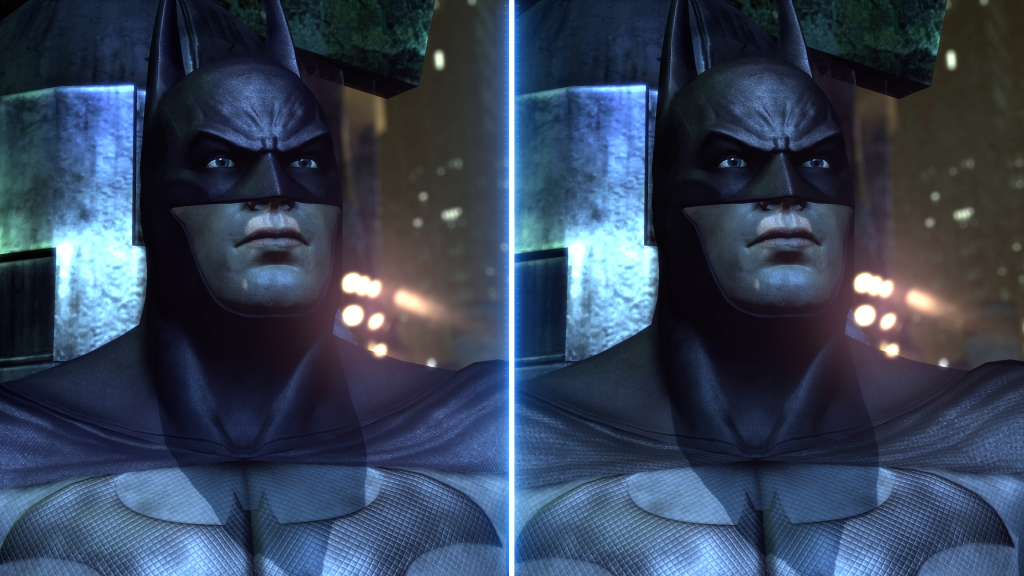
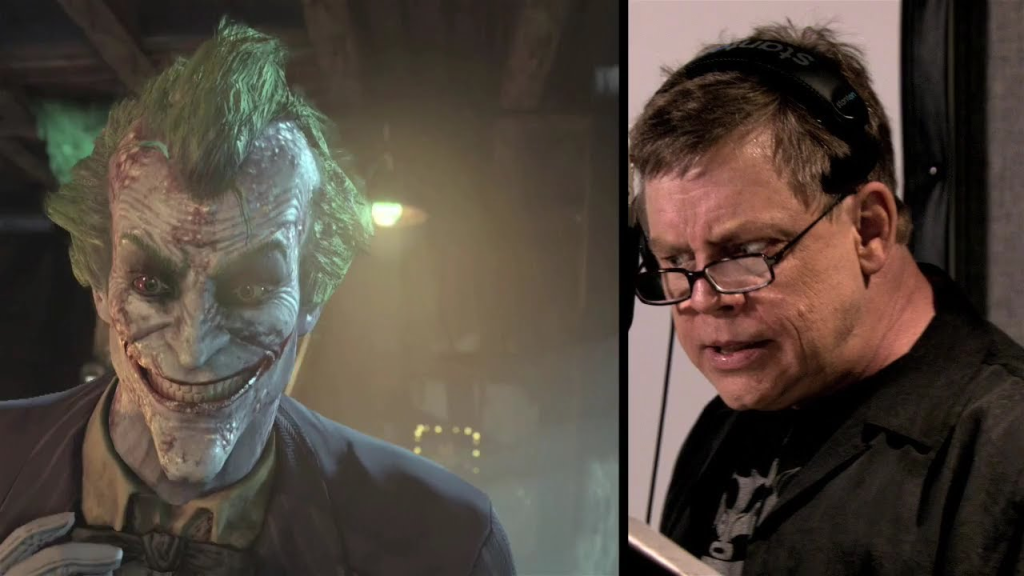
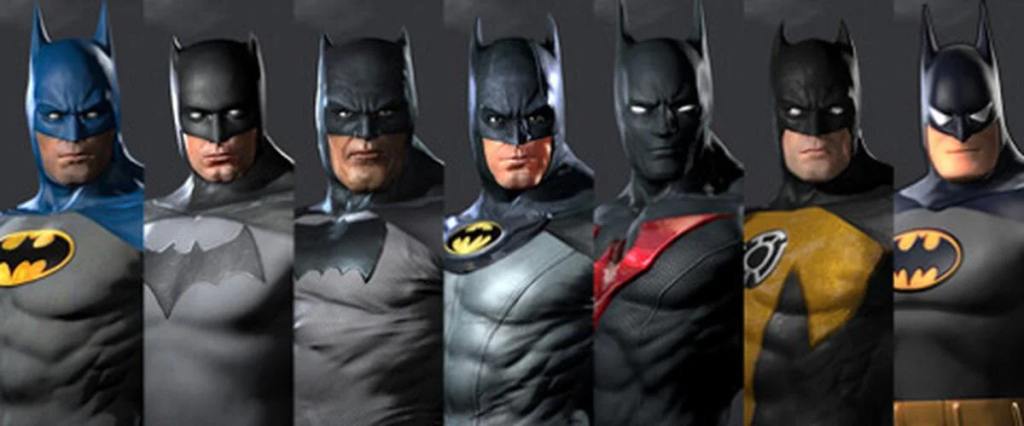
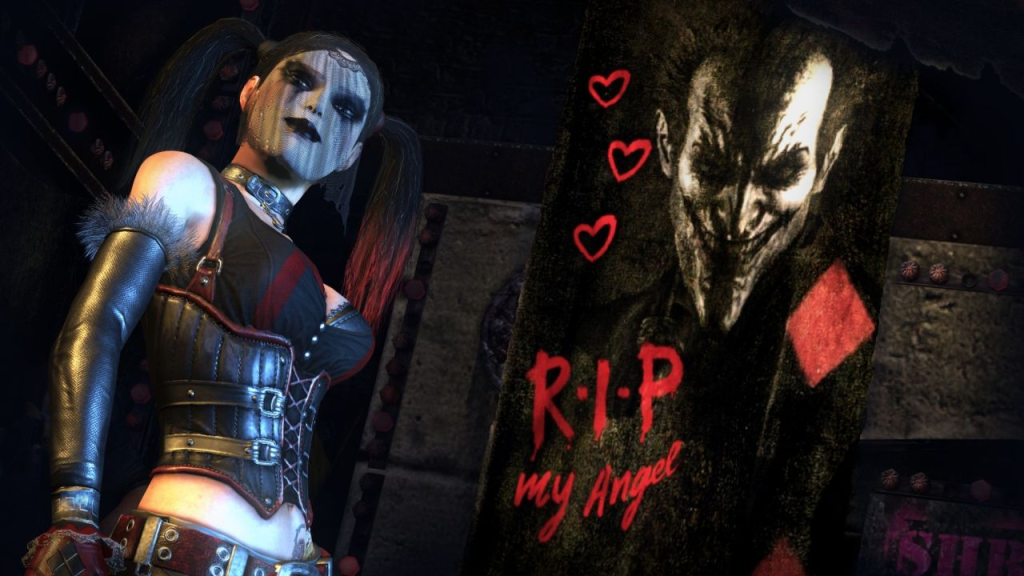

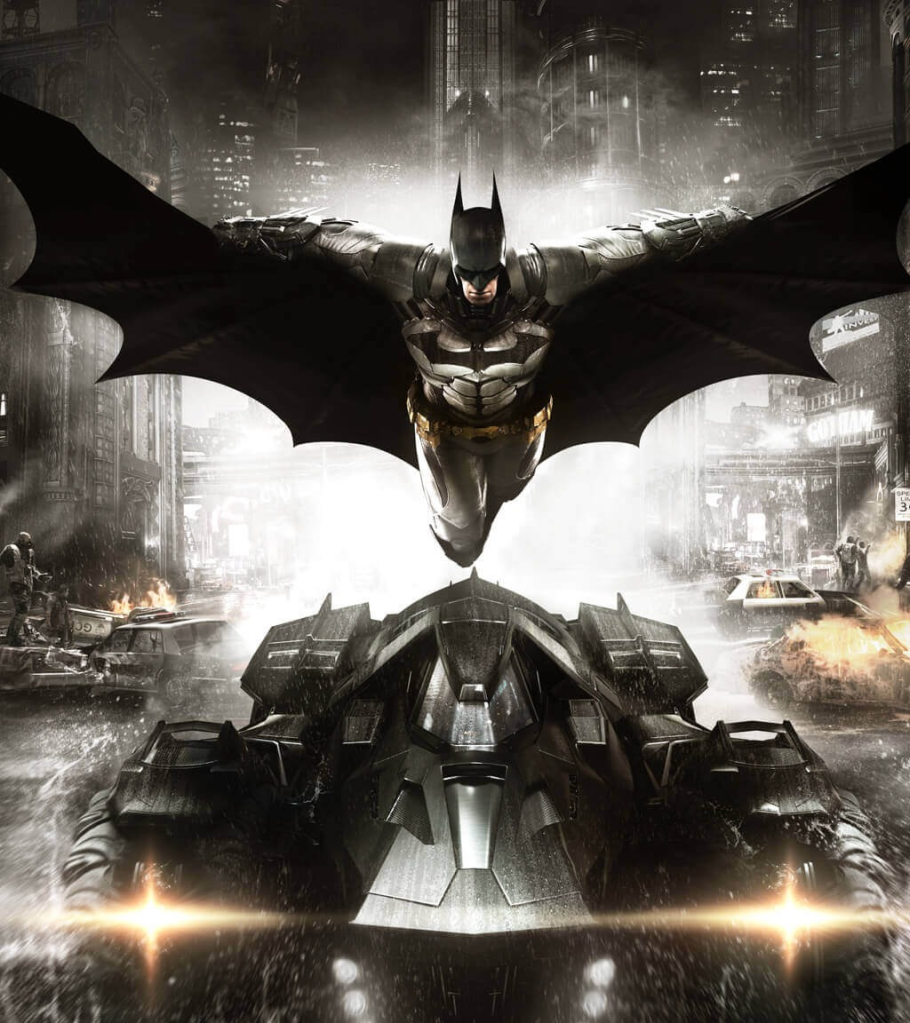
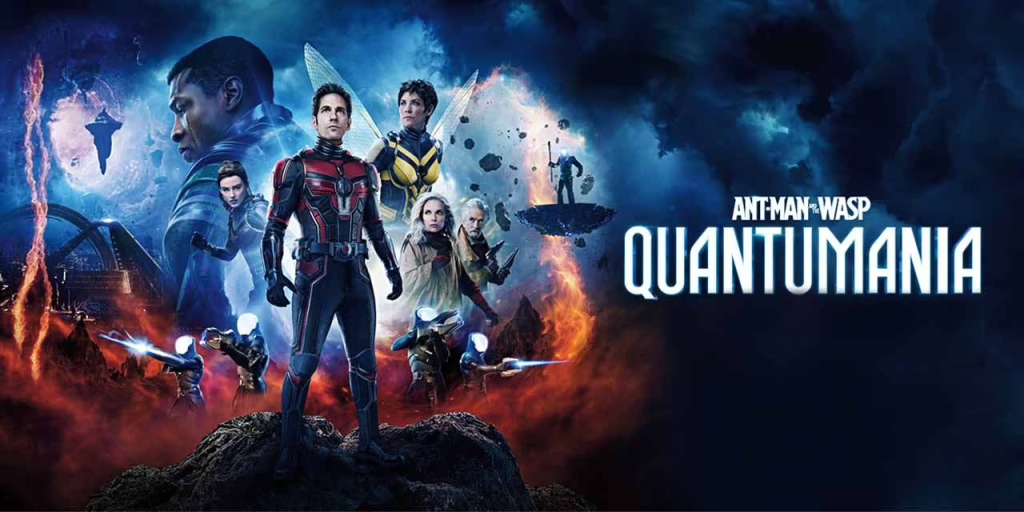
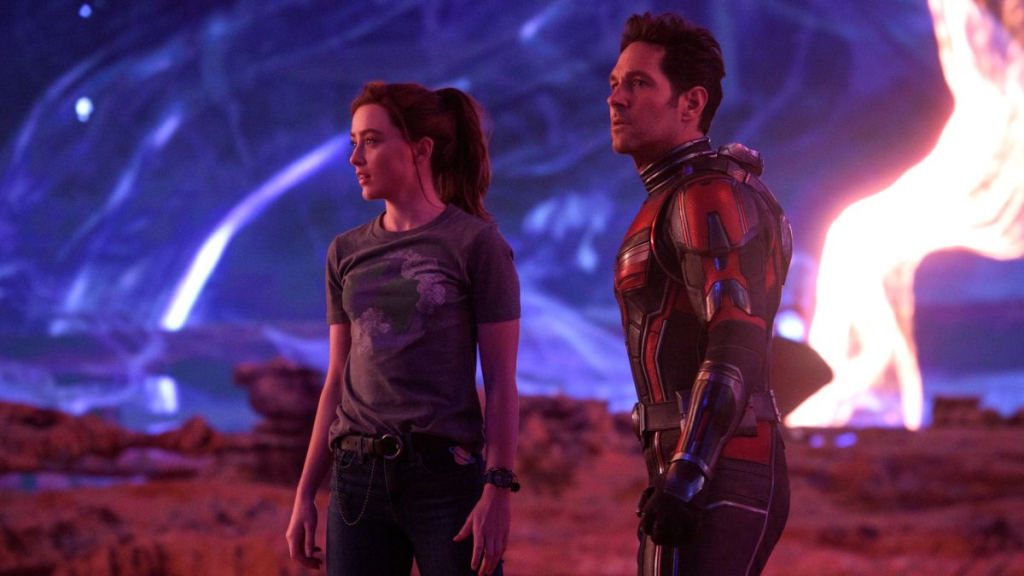
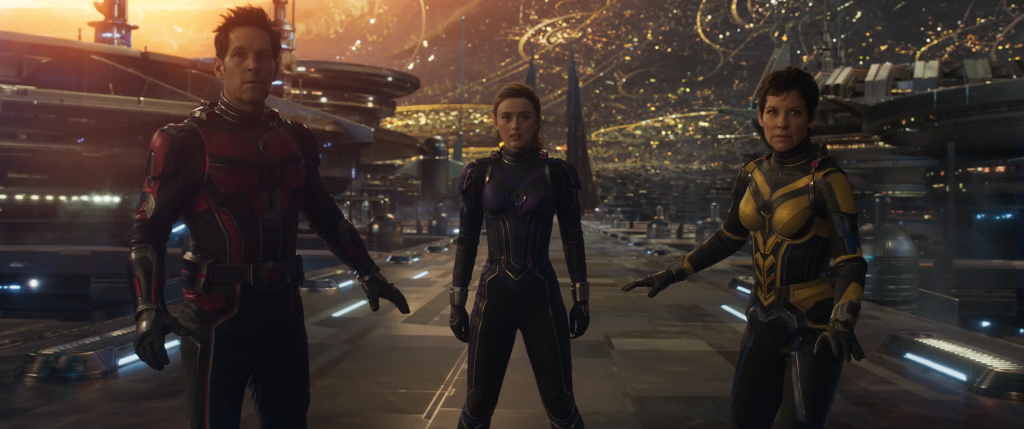
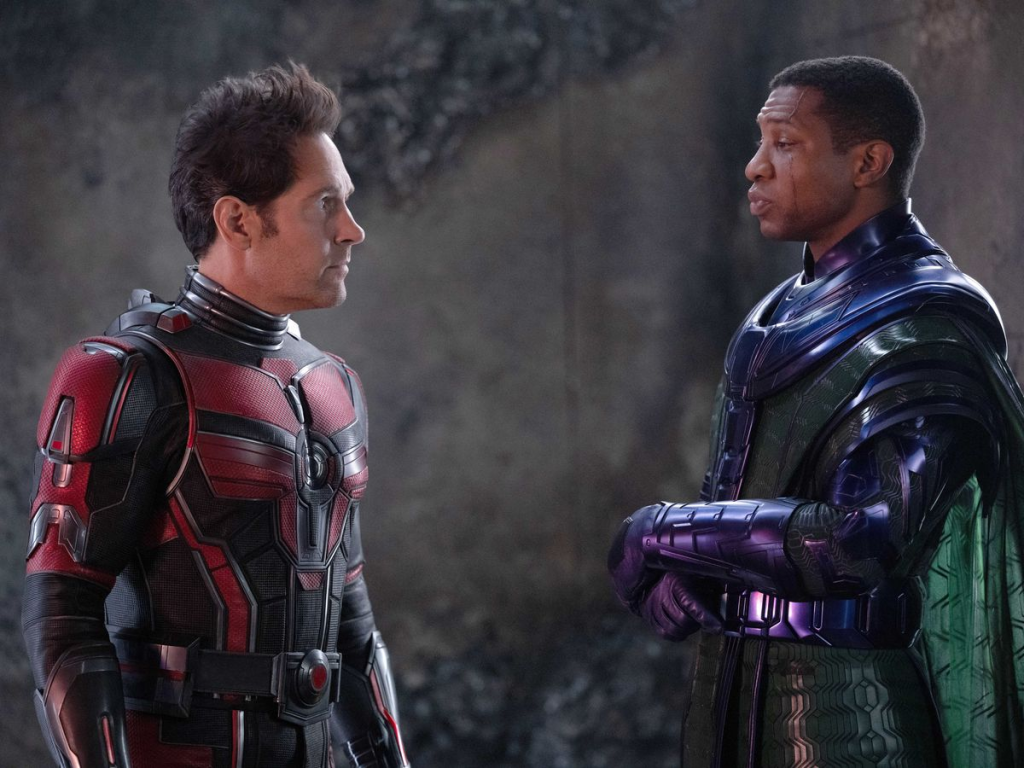
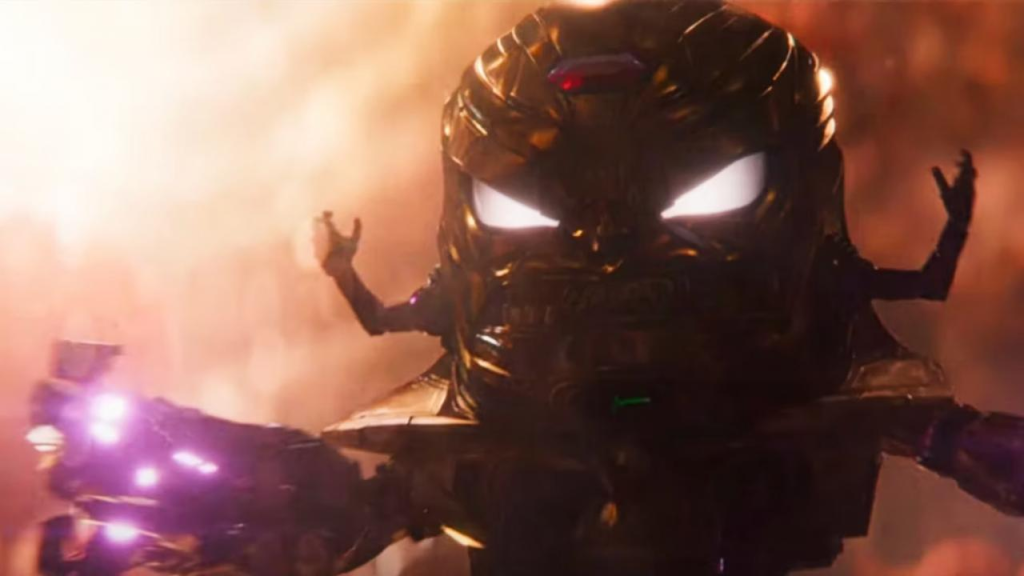
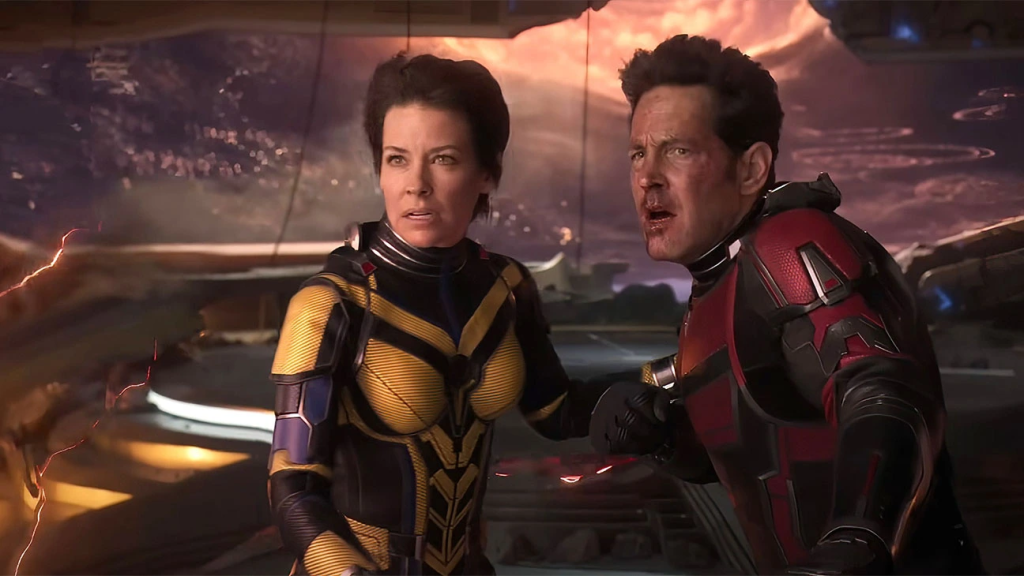
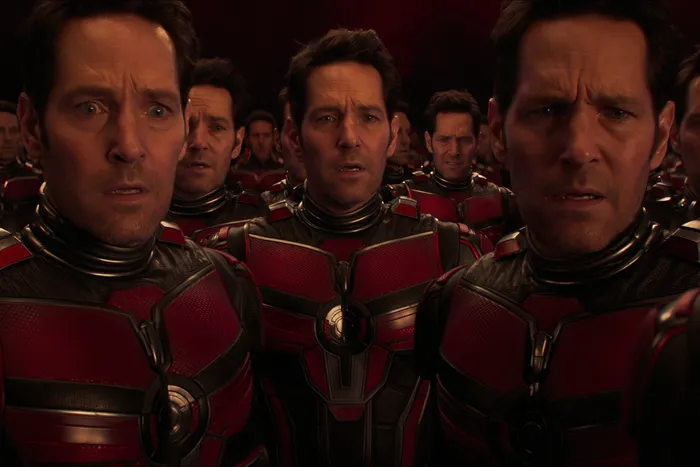
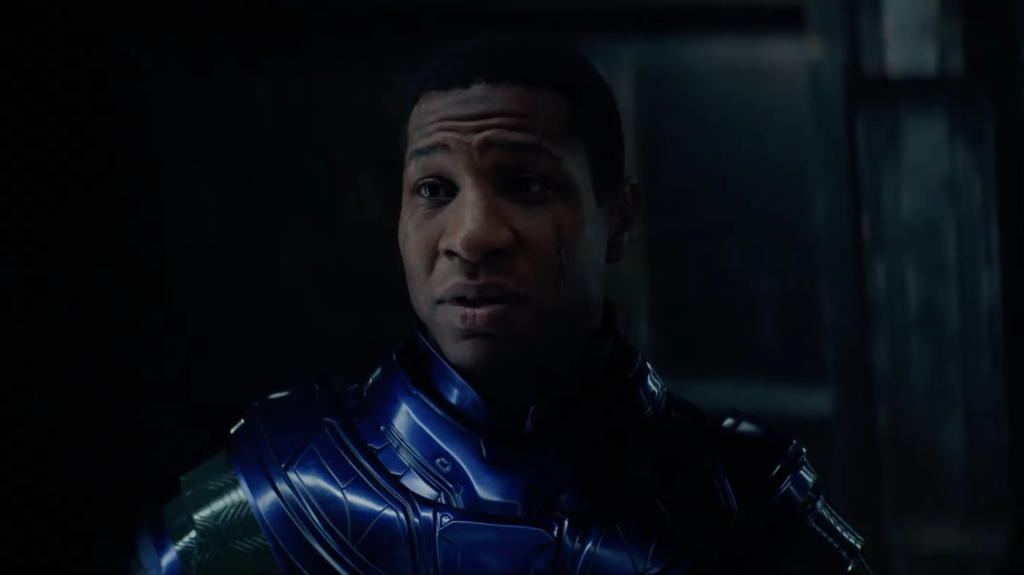

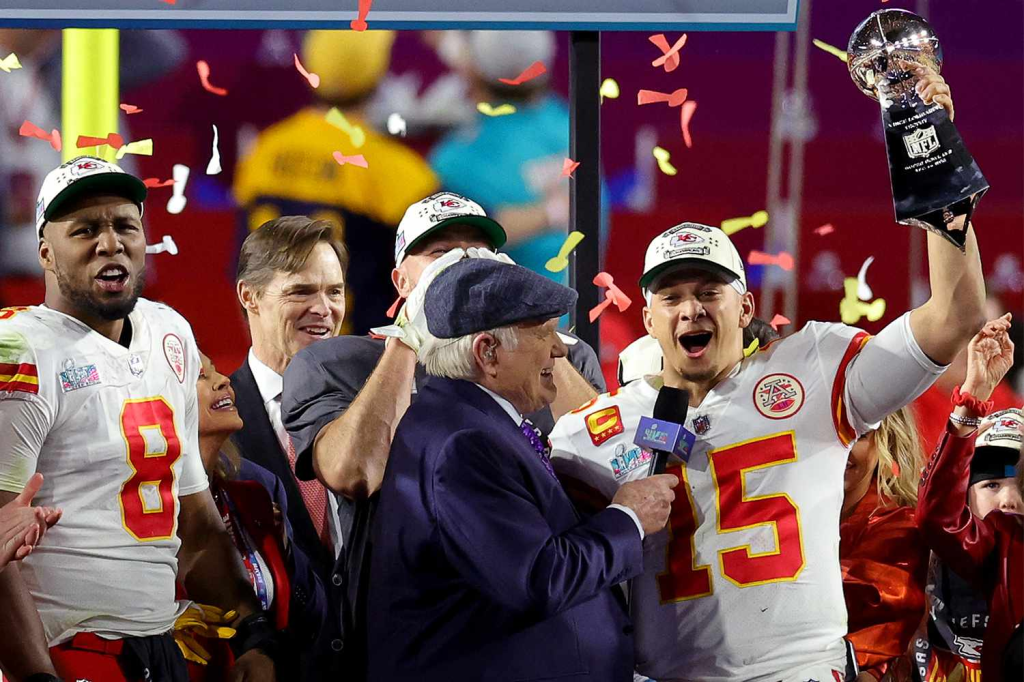
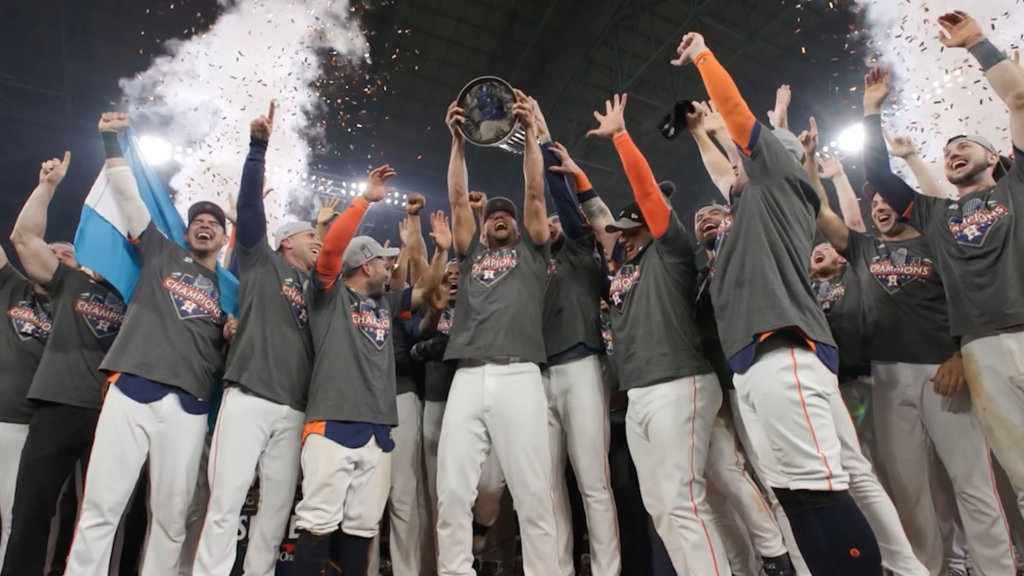




 Adam's Blog